 11
11
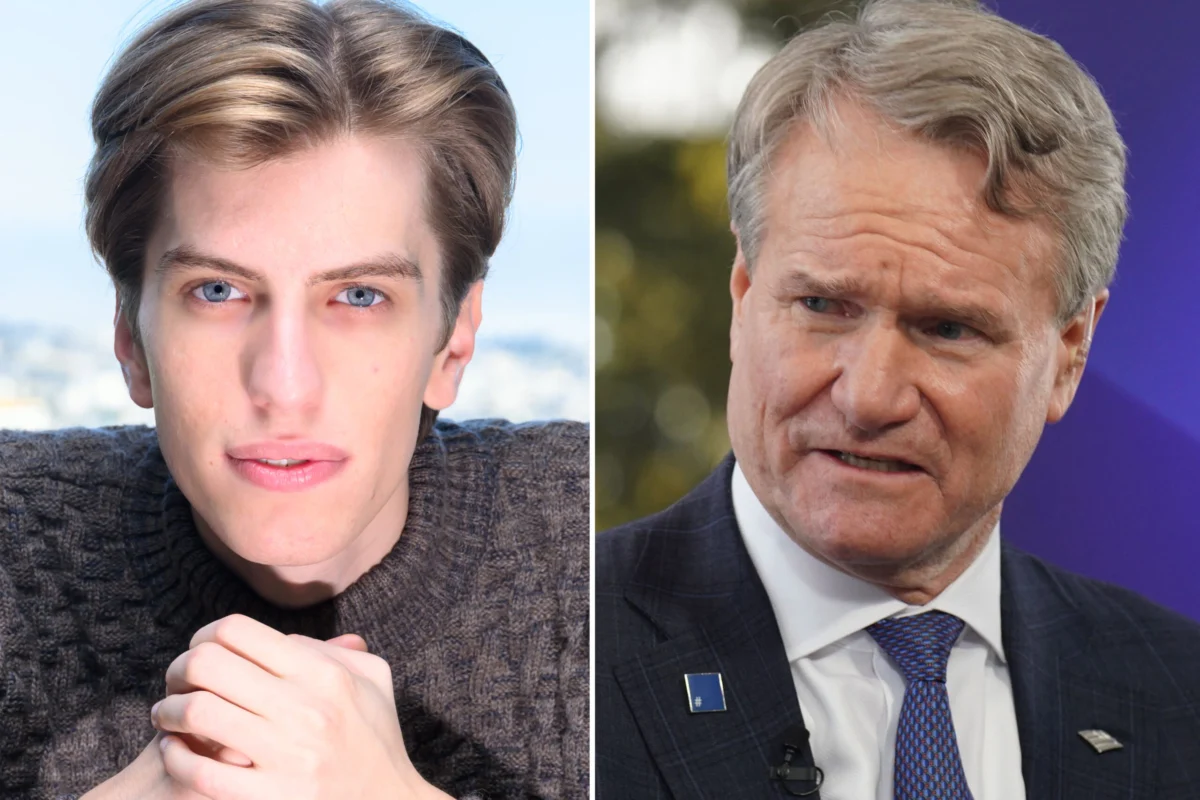
Bank of America CEO Brian Moynihan has characterized the recent near-collapse of the high-flying AI hedge fund Situational Awareness as a significant "warning shot" for financial markets. These markets, Moynihan suggests, are currently being propelled by elevated valuations and an increasing reliance on borrowed money. The dramatic downturn of Situational Awareness, led by Leopold Aschenbrenner, underscores the inherent risks within the rapidly expanding artificial intelligence investment landscape and its potential ripple effects across the broader financial ecosystem.
Situational Awareness, under the leadership of Leopold Aschenbrenner, was compelled to undertake a substantial divestment of its public equity holdings last week in a distressed sale, often referred to as a "fire sale." This drastic measure was necessitated by the souring of its significant investments in artificial intelligence. The fund’s predicament resulted in the transfer of most of its public equities to Citadel, a prominent hedge fund managed by Ken Griffin. Bank of America, along with other major financial institutions such as Goldman Sachs and JPMorgan Chase, played a crucial role as prime brokers for Situational Awareness. Prime brokers provide essential services to hedge funds, including executing trades and extending leverage, which allows funds to amplify their investment potential.
Moynihan articulated his concerns directly to CNBC’s Andrew Ross Sorkin, stating, "These are all warning shots." He elaborated on the underlying issues, emphasizing the disconnect between asset valuations and the amount of leverage present in the financial system. "Valuations get out, leverage in the system gets there. You have to be careful," he cautioned. These remarks signal a potential reassessment by Wall Street’s largest prime brokers regarding their exposure to highly leveraged investment firms. While these institutions continue to actively compete for the business of financing hedge funds, the Situational Awareness incident highlights the growing scrutiny of the risks associated with such arrangements, particularly in the context of the speculative AI market.
Situational Awareness experienced a meteoric rise, fueled by the pervasive optimism surrounding artificial intelligence since its inception in 2024. The fund rapidly expanded its assets under management, reaching a peak of $45 billion before its abrupt and dramatic decline last week. Moynihan indicated that the firm’s internal processes would naturally lead to a review of such events. "You always look and say, ‘OK, what happened? Should we learn from it? Should it change?’" he commented. This introspection typically leads to a tightening of underwriting standards and adjustments in risk management strategies, especially in periods of significant market rallies driven by specific sectors like AI.
Despite the substantial losses and the subsequent fire sale of assets, Moynihan assured that Bank of America would have remained financially sound even without the intervention of Citadel. The deal with Citadel provided the necessary capital infusion for Situational Awareness to meet its obligations to its prime brokers, thereby averting a more widespread contagion event.
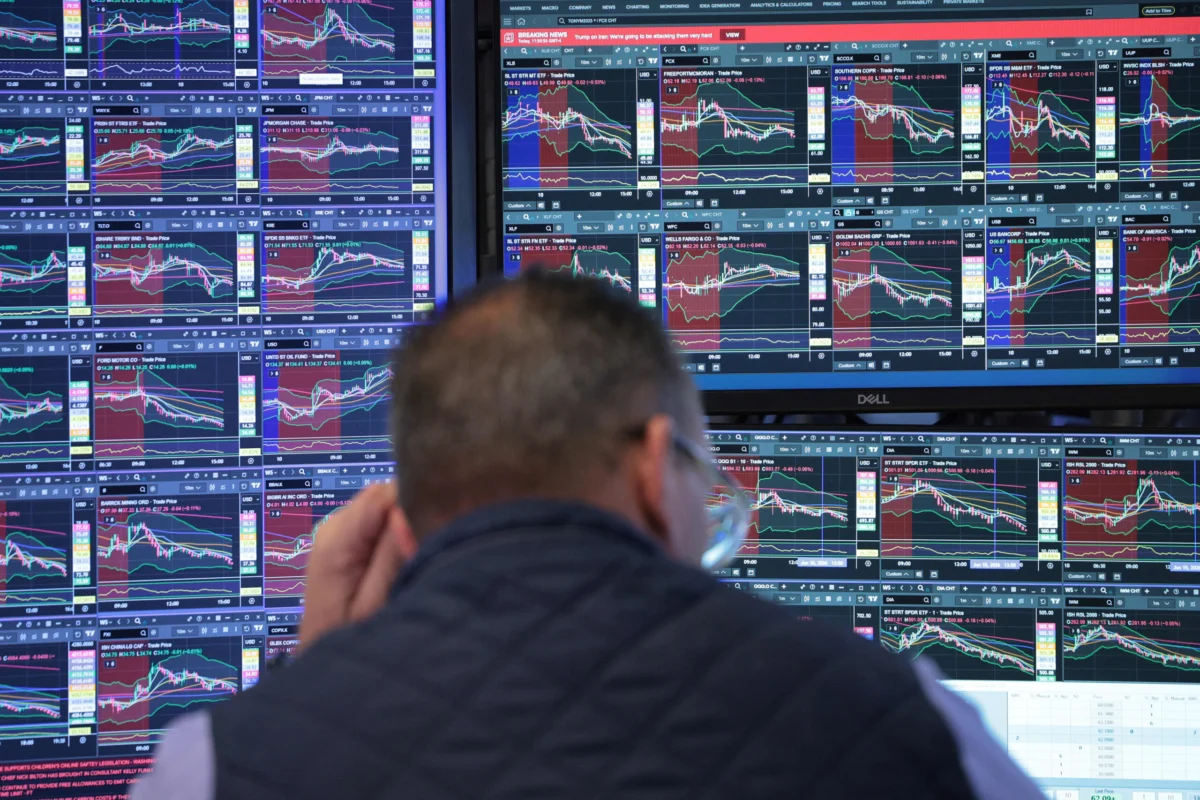
The spectacular implosion of Situational Awareness serves as a potent case study illustrating the inherent dangers of excessive leverage in investment strategies. As technology stocks experienced a notable pullback in the preceding month, Situational Awareness found itself facing escalating margin calls from its prime brokers. Margin calls are demands from brokers for investors to deposit additional funds to cover potential losses on leveraged positions. To meet these increasingly stringent demands, the fund was forced to liquidate its holdings into a declining market. This act of selling into a falling market exacerbated its losses, creating a vicious downward spiral that jeopardized the fund’s very existence.
Situational Awareness had strategically concentrated its investments in companies positioned within the artificial intelligence hardware supply chain. This included significant holdings in key players such as SK Hynix, a prominent South Korean memory chip manufacturer. News of the fund’s financial distress triggered a renewed wave of selling pressure on AI-related stocks. The market became concerned that further stock sales by Situational Awareness, if executed rapidly to meet its obligations, could flood the market and depress prices further.
However, the timely intervention by Citadel on Thursday provided a much-needed de-escalation of these fears. Following Citadel’s acquisition of a substantial portion of Situational Awareness’s portfolio, shares of several AI infrastructure companies experienced a sharp rebound. This rapid recovery significantly bolstered the value of the positions that Citadel had acquired, effectively stabilizing the market for those specific assets and alleviating immediate concerns of further widespread contagion. The event highlighted the interconnectedness of the financial markets and the critical role that large, well-capitalized firms can play in managing systemic risk during periods of market stress, even as the underlying drivers of the volatility remain a subject of intense scrutiny and caution.