 11
11
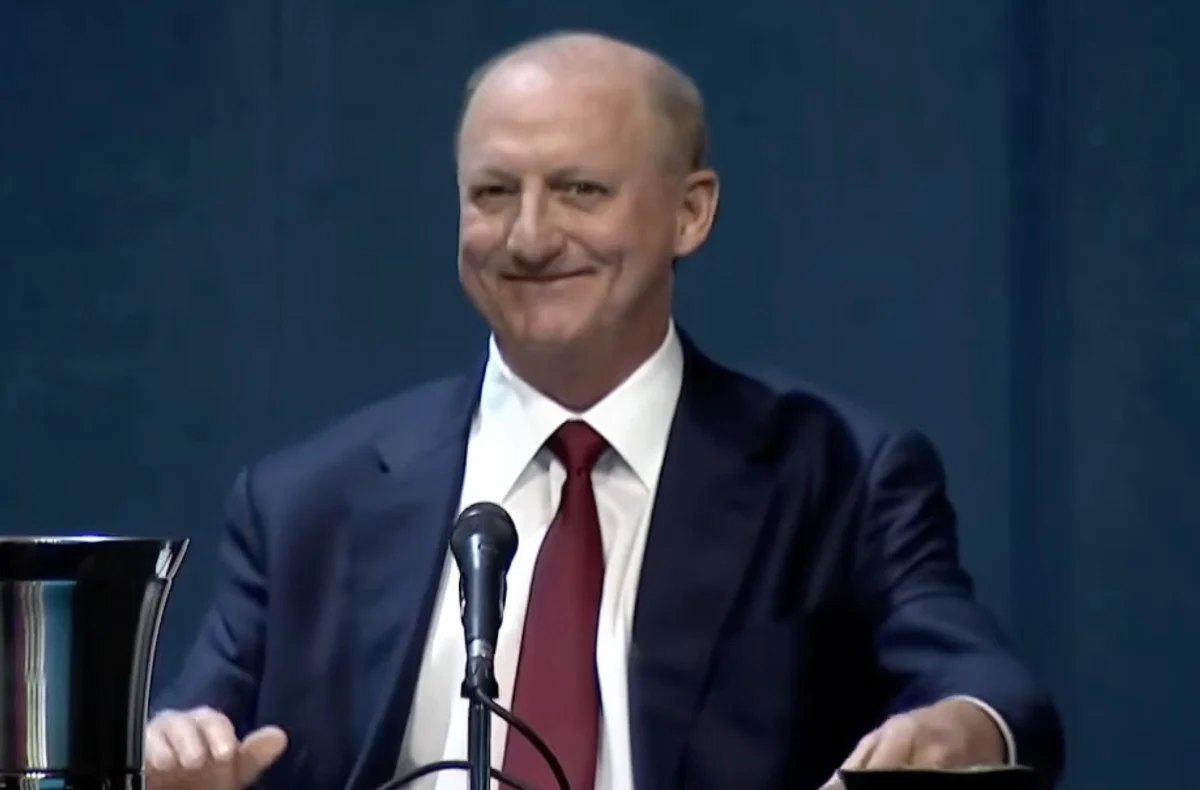
Omaha, NE – Berkshire Hathaway, under the leadership of its new CEO Greg Abel, has reported a robust 16% increase in operating earnings for the second quarter of 2026, reaching $12.98 billion compared to $11.16 billion in the same period last year. This financial growth was driven by significant strength across the conglomerate’s diverse portfolio, including its energy, railroad, and manufacturing divisions. The results also signal a notable shift in strategy, as Abel begins to strategically deploy the substantial cash reserves accumulated under the stewardship of Warren Buffett.
The impressive surge in earnings was primarily fueled by a 24% jump in profits from manufacturing, service, and retailing businesses, which collectively generated $4.47 billion. Berkshire Hathaway Energy also demonstrated remarkable performance, with its profit surging by 27% to $891 million. The company’s railroad operations, BNSF, contributed a solid 6% increase, posting earnings of $1.56 billion.
However, the insurance segment experienced a downturn. Underwriting earnings saw a 13% decline, falling to $1.73 billion from $1.99 billion year-over-year. Insurance investment income also decreased by 9% to $3.06 billion. This dip in insurance results was more than compensated for by the stellar performance of other business units, leading to the overall positive earnings report.
A key takeaway from the second-quarter results is the commencement of significant capital deployment by Berkshire Hathaway, particularly through share repurchases and new stock investments. Under Greg Abel, who officially assumed the CEO role at the beginning of 2026, the company repurchased approximately $4.5 billion of its own shares during the quarter. This marks a substantial acceleration from the $235 million spent on buybacks in the first quarter of 2026, indicating a more proactive approach to utilizing the company’s vast financial resources. While the pace of buybacks may not have met all expectations, it represents a clear departure from previous quarters.
The conglomerate’s substantial cash pile saw a notable decrease, declining to $365.5 billion at the end of June from a record $397.4 billion three months prior. This reduction reflects the strategic deployment of capital not only through share buybacks but also through other strategic investments. Notably, the second quarter saw the completion of Berkshire Hathaway’s acquisition of Taylor Morrison, a significant move within the housing market, which was finalized in June 2026.
In a significant reversal of its recent trend, Berkshire Hathaway emerged as a net buyer of equities in the second quarter, making nearly $20 billion in net purchases. This marks a departure from a 14-quarter streak of being a net seller of stocks. This strategic shift suggests a renewed confidence in the equity markets and a proactive effort to put Buffett’s meticulously amassed fortune to work.
Warren Buffett, now serving as Chairman, famously handed over the reins to Abel with an unprecedented cash hoard. Buffett had previously expressed difficulty in identifying attractive investment opportunities in the equity market, a sentiment that had been echoed by shareholders eager to see the company invest more aggressively. The recent investment activities under Abel suggest a response to these long-standing calls for capital deployment.
The performance of Berkshire Hathaway’s stock has been more subdued in the year-to-date, with shares up by only 3%, underperforming the S&P 500’s 13% gain. However, the stock has shown recent momentum, rising 9% in the last three months, potentially reflecting investor optimism surrounding the new leadership and strategic direction.
The company’s latest filings also revealed significant new holdings and shifts in its top equity investments. Alphabet, the parent company of Google, has now emerged as one of Berkshire’s five largest equity holdings by market value as of June 30, 2026. This addition places Alphabet alongside established long-term holdings such as American Express, Apple, Bank of America, and Coca-Cola. Earlier in the year, Berkshire disclosed a $10 billion investment in Alphabet, a move intended to support the company’s artificial intelligence development. Warren Buffett himself had publicly stated that he initiated this Alphabet investment in consultation with Greg Abel, underscoring the collaborative nature of key strategic decisions under the new leadership structure. This investment in Alphabet is particularly noteworthy given the company’s strategic focus on AI, a rapidly evolving and crucial sector for future technological advancement.
The deployment of Berkshire Hathaway’s formidable cash reserves, combined with the strong operational performance across its diverse businesses, paints a picture of a conglomerate actively navigating its next phase of growth under Greg Abel’s leadership. The strategic pivot towards becoming a net buyer of equities and the significant share repurchases signal a deliberate effort to enhance shareholder value and capitalize on perceived investment opportunities, marking a new chapter in the storied history of Berkshire Hathaway.