 11
11
In the highly competitive environment of Formula 1 racing, where success is measured in milliseconds and technical precision is paramount, the Atlassian Williams F1 Team has implemented a sophisticated asset management strategy to streamline its complex operations. By utilizing Atlassian’s Assets and Jira Service Management (JSM), the team has established a standardized, single source of truth that spans from the manufacturing floor to the trackside garage. This digital transformation addresses the logistical and engineering challenges inherent in a sport that features 24 Grand Prix races annually, involving 11 teams and a constant cycle of innovation and repair.
The scale of the Williams F1 operation is significant, comprising a workforce of 1,200 individuals dedicated to the performance of two high-speed racing cars. Founded in 1977, the team maintains a prestigious heritage while navigating a modern landscape of rapid technological evolution. Every component of a Formula 1 car is subject to continuous updates, necessitating a system that can track thousands of high-value parts, specialized tools, and intricate systems. The organization identified a critical need for visibility and traceability to keep pace with the unforgiving schedule of the racing season, where parts must be manufactured, tested, and often repaired or replaced immediately following on-track incidents.
The catalyst for the team’s current asset management approach was a shift in perspective led by Richard Sworder, the Head of Product Ownership at Atlassian Williams F1 Team. During the Team ’25 US event, Sworder recognized that Atlassian’s Assets tool could serve as more than a traditional IT asset management repository. He envisioned a system that could describe the core "nouns" of the business—the tangible and intangible entities that dominate daily discourse within the organization. In the context of Williams F1, these nouns include race events, car parts, aerodynamic upgrades, wind tunnel tests, and Computational Fluid Dynamics (CFD) test runs. By centering the management system around these specific entities, the team could associate critical work and context directly with the objects that define their mission.
A central component of this strategy is what Sworder describes as "decorating" assets. This process involves the continuous accumulation of data and context surrounding a specific part or machine. Every time a task is performed—such as logging a fault, conducting a maintenance check, or performing a test—that information is linked to the asset. Over the lifecycle of a component, this "decoration" creates a rich, historical backstory. This method ensures that the context remains with the asset as it moves through various stages of design, testing, and racing, making the data findable, traceable, and reusable for any member of the 1,200-person team.
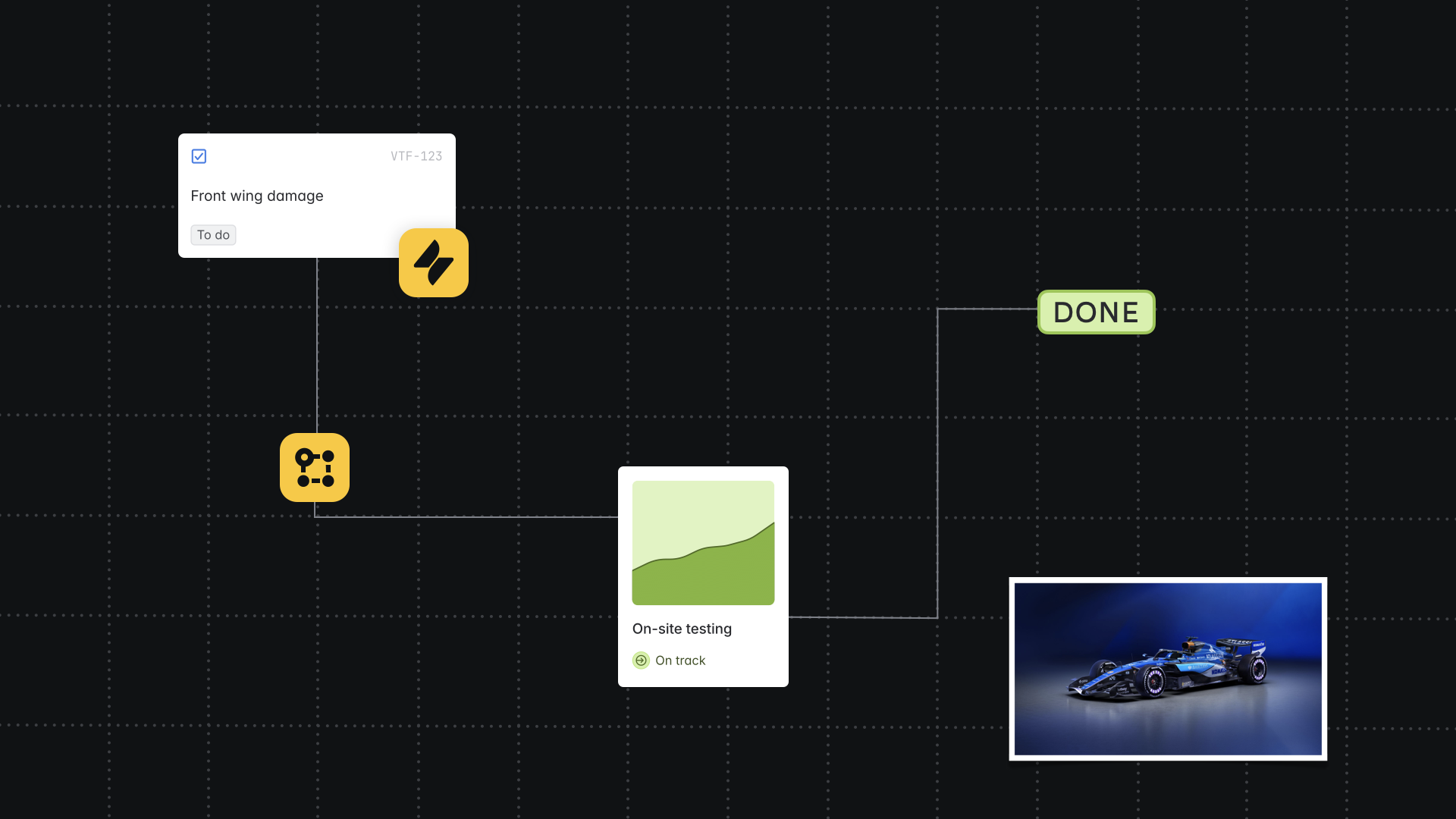
The practical application of this system is most visible in the team’s garage and trackside operations. Currently, Williams F1 tracks more than 350,000 individual car parts within the Assets framework. In the high-pressure environment of a race weekend, hardware faults are an inevitable part of the process, ranging from minor component wear to significant damage to the power unit. To manage these issues, the team utilizes Jira Service Management to log hardware faults as tickets. Because the parts are already cataloged in the Assets database, trackside personnel can instantly link a fault to a specific part.
This integration provides immediate access to essential metadata that previously required extensive manual searching. When a technician raises a fault ticket, they are presented with a comprehensive profile of the part, including 3D renders, detailed assembly drawings, full assembly context, the name of the original designer, and the part’s entire release history. This immediate availability of technical documentation allows the team to make informed decisions rapidly, a critical advantage in a sport where time is the most valuable resource.
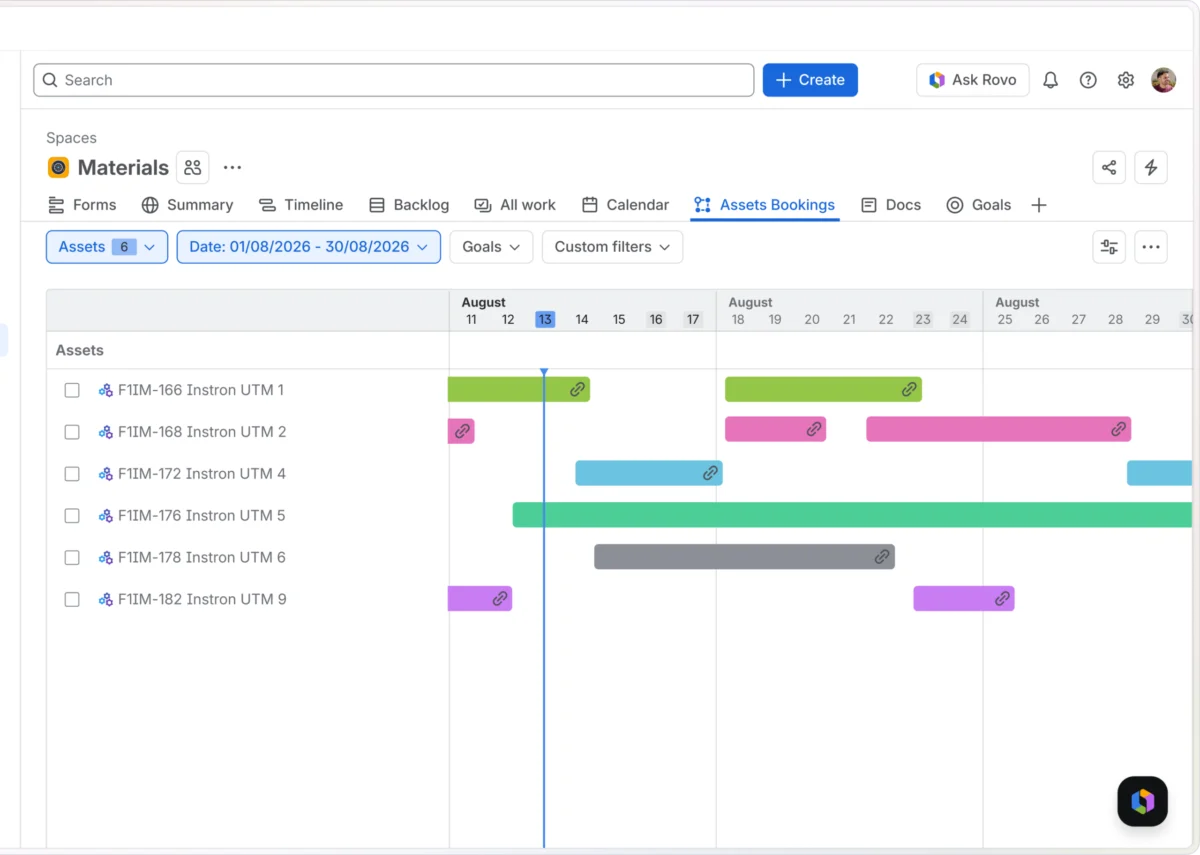
Beyond the race track, the team has successfully scaled the use of Assets to manage its manufacturing and testing facilities. The Williams factory houses over 1,700 machines that are essential for the production and validation of car components. Recently, the Material Science team identified a need to better manage the scheduling and downtime of machines used for hardness testing. The goal was to eliminate double-booking and provide clear visibility into machine availability for various engineering projects.
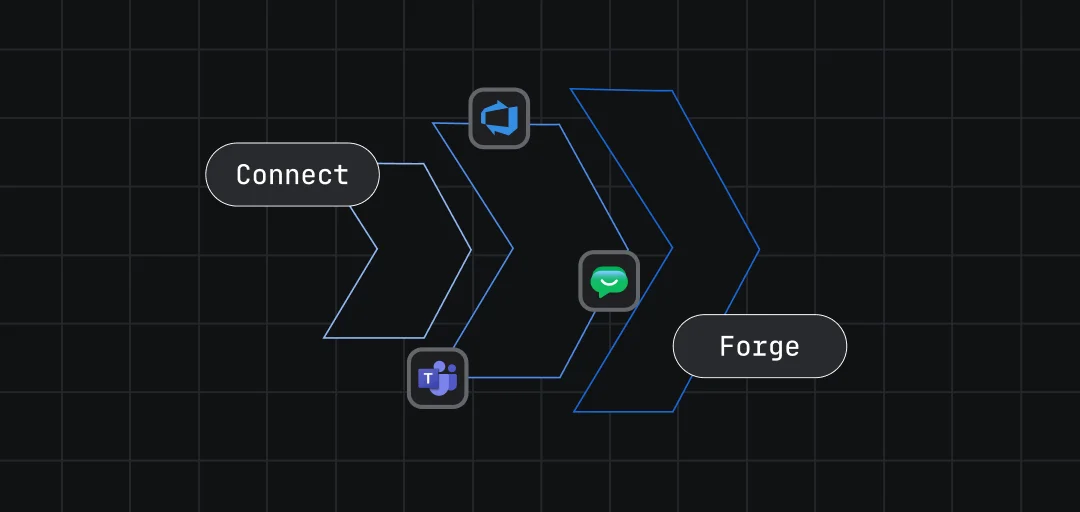
Leveraging the existing data within Assets, the team expanded the system to include factory equipment. When engineers file tickets to book specific machines, the system now requires the input of start and end dates for testing or maintenance. To further enhance this functionality, the team developed a custom application using Atlassian’s Forge platform. This app provides a calendar visualization that pulls data directly from the Assets repository, allowing all departments to see real-time booking schedules and planned downtime. This internal innovation demonstrates how the foundation of asset visibility can be adapted to solve diverse operational challenges across the organization.
Based on the journey of the Atlassian Williams F1 Team, Richard Sworder offers a strategic framework for other organizations looking to enhance their asset management capabilities. The first pillar of this advice is to "start with what you care about." He encourages organizations to identify the primary subjects of internal communication—the "nouns" of their business—and prioritize getting those entities into the Assets system. By focusing on the items that are most critical to daily operations, the system provides immediate relevance and value to the workforce.
The second pillar involves establishing robust synchronization. Sworder acknowledges that importing source data into a centralized system can be the most challenging aspect of the implementation. However, he notes that modern APIs and AI-assisted development have made this process more accessible. Even without a traditional background in software development, Sworder was able to write multiple integrations to ensure that data flows seamlessly into the Assets environment.
The third step in the strategy is to "start decorating." Once the core data is established, the asset should be woven into existing business processes. Rather than forcing teams to change their fundamental workflows, organizations should look for opportunities to add asset fields to existing tickets and tasks. This adds "color" and historical depth to the assets without creating significant administrative overhead for the staff.
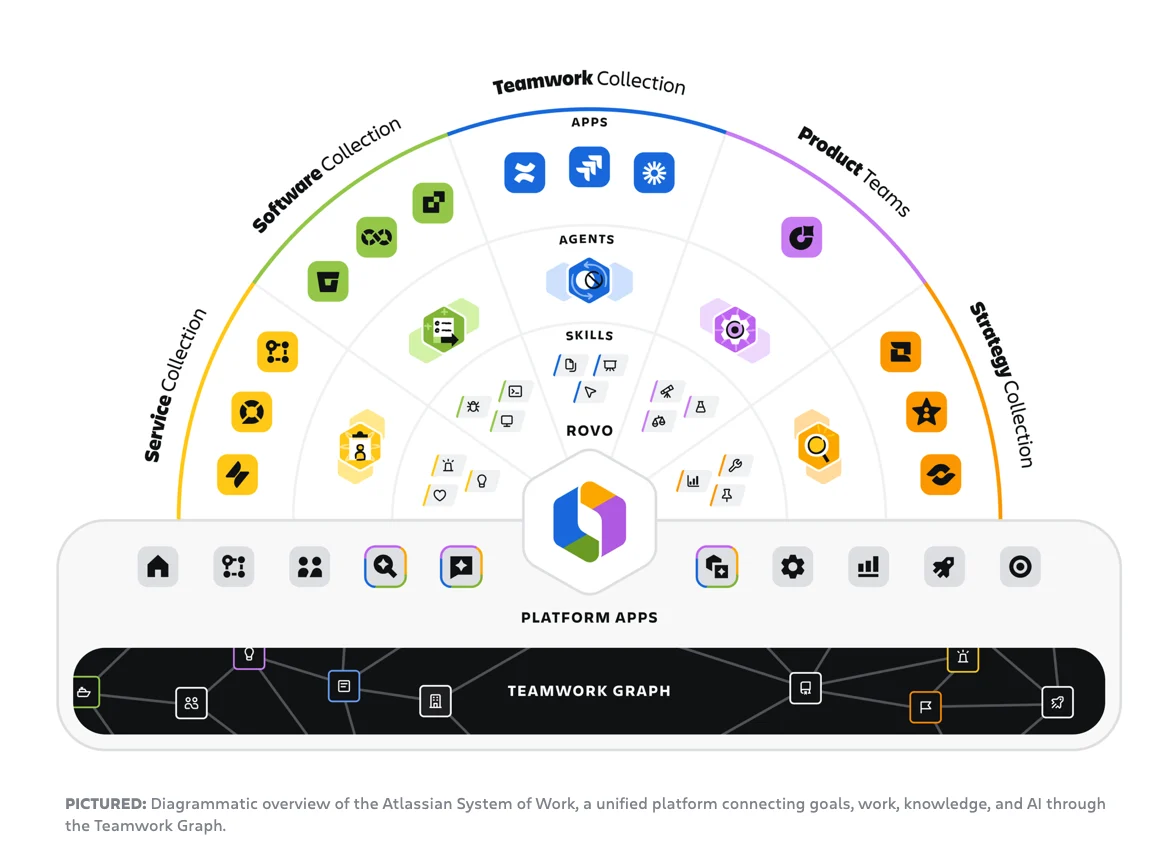
Finally, Sworder emphasizes the importance of "exposing your data." The maximum value of an asset management system is realized when it integrates with other systems of record, such as Enterprise Resource Planning (ERP) software, Product Lifecycle Management (PLM) tools, and design systems. By utilizing APIs and data-sharing features, and by surfacing asset data in analytics platforms or through AI tools like Atlassian Rovo, organizations can achieve a steep increase in the value derived from their data.
For the Atlassian Williams F1 Team, achieving full visibility from the garage to the race track is not merely an administrative goal; it is a fundamental driver of innovation. In a sport where the car is constantly evolving and every component is pushed to its physical limit, having a complete lifecycle history of every part and machine allows the team to iterate faster and with greater confidence. The integration of Assets and Jira Service Management has transformed a complex, fast-moving landscape of data into a streamlined, actionable resource. By ensuring that every car part can "tell its story," Williams F1 has positioned itself to navigate the logistical and technical demands of the global Grand Prix circuit with greater efficiency and speed.