 11
11
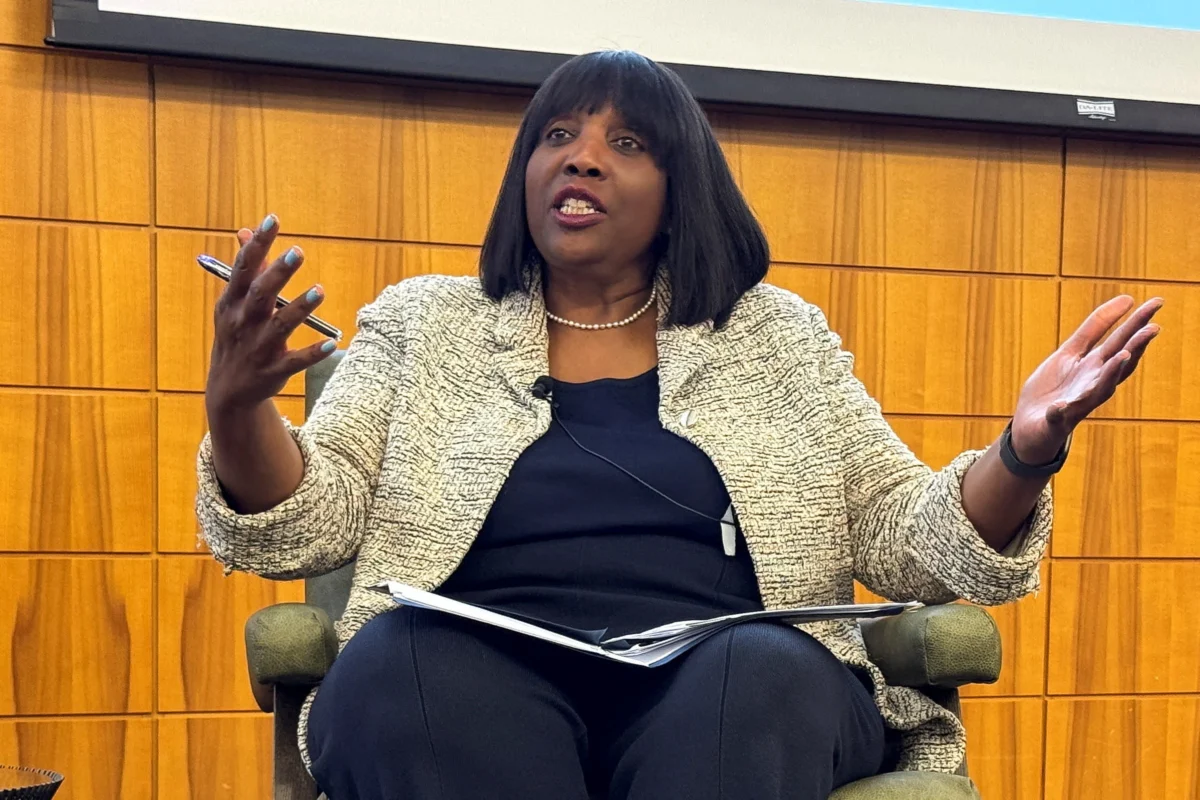
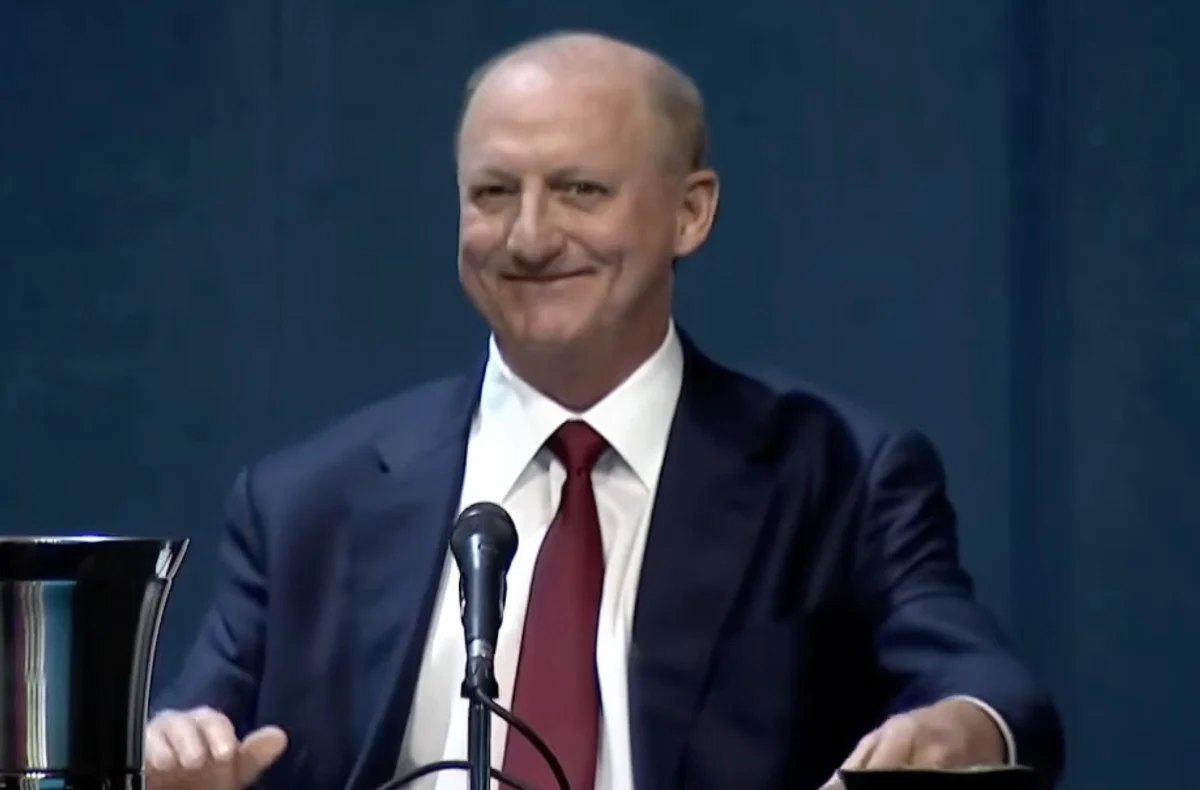
Federal Reserve Governor Lisa Cook declared on Wednesday her readiness to support an interest rate increase, emphasizing that such action would be contingent on an improvement in inflation data. Speaking in Anchorage, Alaska, Governor Cook stated, "Inflation is too high, and I consider the risks to the inflation side of the dual mandate higher than the risks to the employment side at this point. As such, I am prepared to act by raising rates, if necessary."
Her remarks come at a time when the Federal Reserve has been grappling with elevated inflation levels, which have persisted above its stated 2% target for a considerable period. While acknowledging that recent economic indicators have shown some signs of moderation, Governor Cook cautioned against overreliance on single data points. The June inflation data, for instance, indicated a degree of easing, largely attributed to a significant decline in energy prices. However, Cook stressed that the overall pace of price increases remains a significant concern, running well ahead of the Fed’s desired inflation rate.
Governor Cook was part of the 9-3 majority at the Federal Open Market Committee (FOMC) meeting last week that voted to maintain the central bank’s benchmark borrowing rate within the existing range of 3.5% to 3.75%. Her decision to hold rates steady at that time was influenced by a desire to observe the evolving economic landscape and assess the potential impacts of several key factors on inflation. These factors include the dissipating effects of tariffs, the supply shock stemming from the ongoing Iran war and its influence on energy markets, and the inflationary pressures potentially arising from the rapid buildout of artificial intelligence technologies.
"If I do not see signs of continued disinflation soon, I am prepared to act," Cook reiterated, underscoring the urgency of the situation. She elaborated on the growing risks associated with prolonged periods of above-target inflation. "With five years of above-target inflation, the risk grows that higher inflation may become entrenched in price- and wage-setting behavior, leading to persistence that would be much harder for us to attack. The longer inflation is above target, the more likely this scenario becomes." This sentiment highlights the Federal Reserve’s concern that persistent inflation can embed itself in the economy, making it more challenging to bring under control without more aggressive measures.
Cook’s assessment suggests that the current economic environment does not afford the Federal Reserve the luxury of prolonged patience. Unlike other economic contexts where the central bank might have the flexibility to wait longer before adjusting monetary policy, the persistent nature of current inflation necessitates a more proactive approach. "Other environments might allow the Fed to wait longer before acting, but she said, ‘We do not have that luxury in this one.’" This statement implies a recognition that the window of opportunity to address inflation without causing significant economic disruption may be narrowing.
The market’s anticipation of future Federal Reserve actions is palpable. According to data from CME Group’s FedWatch tool, market participants are currently expecting the central bank to potentially implement a rate hike as early as September. However, the odds are pricing in a higher probability for an interest rate adjustment in October. This indicates a prevailing sentiment that the Federal Reserve is leaning towards tightening monetary policy in the near future.
Adding to the hawkish discourse, Minneapolis Fed President Neel Kashkari, who was among the three dissenting votes in favor of a rate hike at the last FOMC meeting, also expressed his views earlier in the day. Speaking to CNBC, Kashkari reiterated his belief that higher interest rates are indeed necessary to curb inflation. His consistent stance further reinforces the notion that a segment of the Federal Reserve’s leadership views further monetary tightening as an essential step in restoring price stability.
The dual mandate of the Federal Reserve, which requires it to promote maximum employment and price stability, is at the forefront of these policy considerations. Governor Cook’s statement clearly indicates a prioritization of price stability at this juncture, suggesting that the risks to achieving the inflation target are currently perceived as outweighing the risks to the employment side of the mandate. This strategic recalibration of priorities is crucial for understanding the Federal Reserve’s potential future policy path.
The recent economic data, including the slowing U.S. economy to a 1.5% growth rate in the second quarter and core inflation at 3.3% in June, provides a complex backdrop for these policy discussions. While the economic growth deceleration might ordinarily suggest a need for accommodative policy, the stubborn inflation figures compel policymakers to consider tightening measures. The interplay between these competing economic forces will undoubtedly be a key determinant in the Federal Reserve’s forthcoming decisions.
Governor Cook’s preparedness to act underscores the Federal Reserve’s commitment to its inflation-fighting mandate. The potential for entrenchment of higher inflation is a serious concern for central bankers, as it can lead to a more protracted and costly battle to bring prices back under control. The signals from Governor Cook suggest that if incoming data does not demonstrate a clear and sustained trend of disinflation, the Federal Reserve is prepared to deploy its most potent tool: adjusting interest rates. This proactive stance aims to anchor inflation expectations and prevent a more severe economic downturn in the future. The coming weeks and months will be closely watched for further economic data and any subsequent policy adjustments by the Federal Reserve.