 11
11
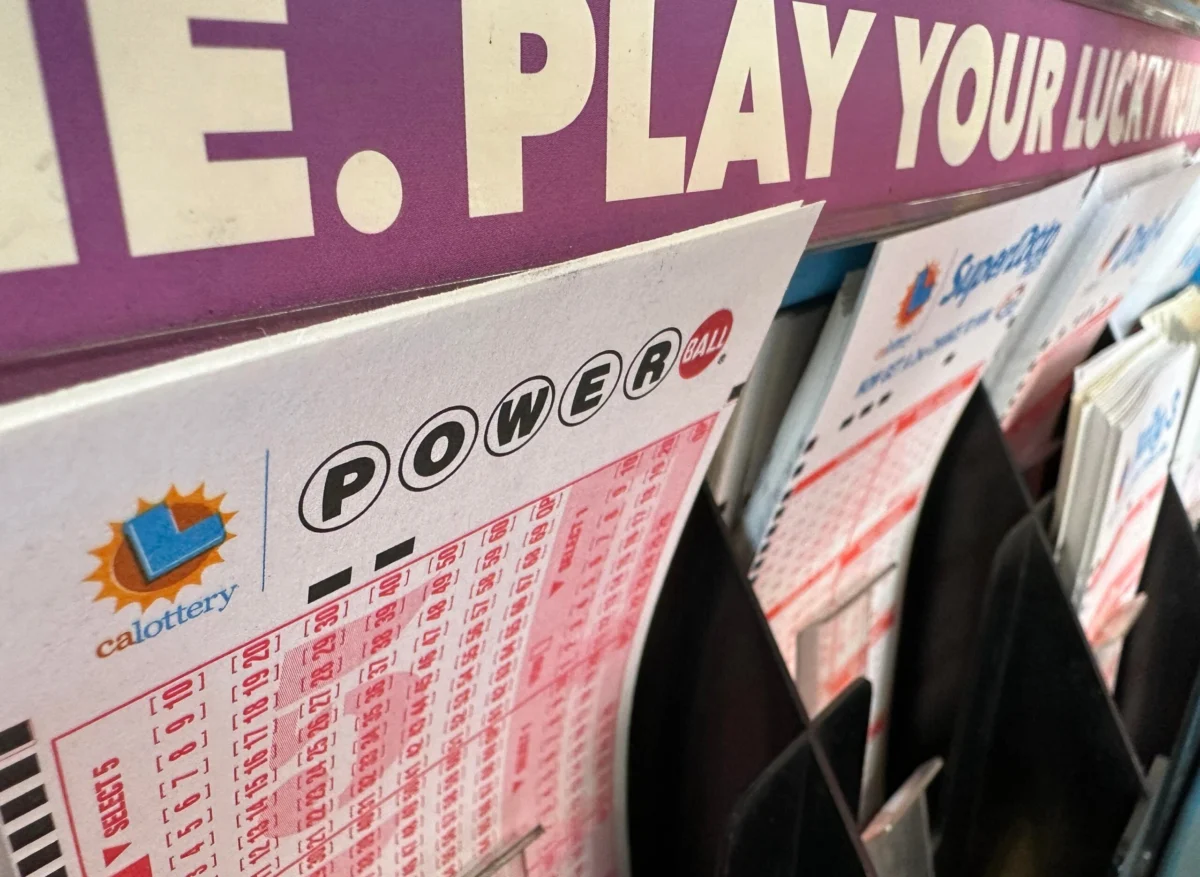
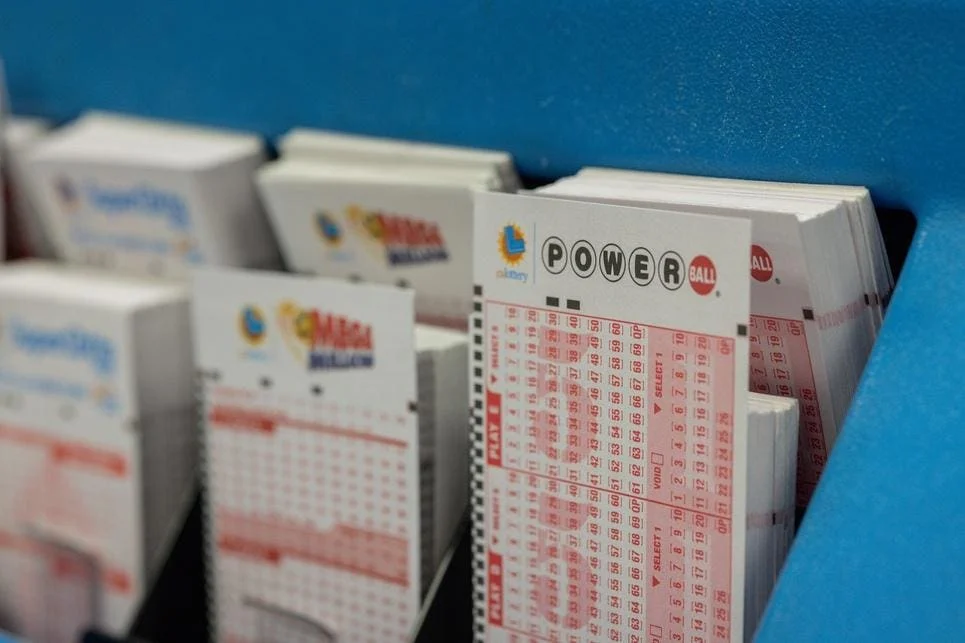
The Powerball jackpot has escalated to an estimated $748 million, capturing national attention as hopeful players anticipate the next drawing. This monumental sum comes after no ticket successfully matched all winning numbers in Saturday night’s drawing, leading to another rollover and an even larger prize pool. While the prospect of winning nearly three-quarters of a billion dollars is electrifying, a potential victor would ultimately see a significantly reduced payout once federal and state taxes are applied, a crucial detail often overlooked in the initial excitement.
The recent drawing on Saturday night, which saw the numbers 6, 17, 27, 48, 50, and the Powerball number 5 emerge, did not yield a grand prize winner. This outcome propelled the jackpot from an already substantial $719 million to its current estimate of $748 million for the upcoming Monday night drawing. The consistent lack of a top-tier winner has fueled a frenzy of ticket purchases across the 45 states where Powerball is played, along with the District of Columbia, Puerto Rico, and the U.S. Virgin Islands. This multi-state lottery game, known for its enormous jackpots, pools resources from various jurisdictions, allowing for prizes that can reach staggering, life-changing amounts.
For any fortunate individual who manages to match all six numbers in the next drawing, two primary options will be presented for claiming their winnings. The first is to receive the full $748 million through an annuity, distributed over 30 annual payments. Alternatively, the winner can opt for a one-time, immediate lump sum cash payment, which for this jackpot is estimated to be approximately $325.1 million. Historically, the vast majority of Powerball jackpot winners choose the immediate cash option, preferring the liquidity and control over a large sum upfront, despite the larger headline figure associated with the annuity. This decision is often driven by a desire to invest the money immediately, pay off substantial debts, or simply gain immediate access to their newfound wealth.
However, the decision to take the lump sum comes with immediate and significant tax implications. Upon choosing the cash option, the prize is subject to an immediate 24% federal withholding tax. For a $325.1 million lump sum, this initial deduction would reduce the prize to approximately $247 million. This withholding is just the first layer of federal taxation. Lottery winnings are considered taxable income by the Internal Revenue Service (IRS), and a prize of this magnitude would undoubtedly place the winner into the highest federal income tax bracket. This means the winner would likely face a federal marginal tax rate of 37%. When factoring in this higher marginal rate, the net prize after federal taxes could plummet further to an estimated $204.8 million.
The annuity option, while less popular, offers a different financial trajectory. If a winner selects the annuity, they would receive their prize in 30 payments, disbursed annually. A key feature of the Powerball annuity is that each subsequent payment grows by 5% over the previous year, designed to help winners keep pace with inflation and provide a steadily increasing income stream. Over the course of 29 years following the initial payment, these growing installments would collectively amount to a grand total of about $471 million after factoring in all federal taxes. This method not only provides a guaranteed income for three decades but also offers a level of financial stability and protection against impulsive spending that the lump sum option does not inherently provide.
Beyond federal taxes, state taxes represent another significant variable that can further impact a Powerball winner’s net payout. State tax rates on lottery winnings vary dramatically across the United States, ranging from zero in some jurisdictions to substantial percentages in others. For instance, residents of states like New York could face a state income tax rate as high as 10.9% on their winnings. Other states, such as New Jersey, Maryland, and Ohio, also impose significant taxes on lottery prizes. Conversely, fortunate winners residing in states like Texas, California, Florida, Washington, Alaska, South Dakota, Nevada, and Wyoming would be exempt from state-level income tax on their lottery winnings, as these states do not levy a general state income tax. This geographical disparity can create a substantial difference in the final amount a winner ultimately takes home, with winners in no-tax states potentially keeping tens of millions more than their counterparts in high-tax states.
The anticipation for the next Powerball drawing is palpable, scheduled for Monday night at 10:59 p.m. Eastern Daylight Time (EDT). Eager players and curious observers alike can tune in to watch the drawing live, with official broadcasts available on Powerball’s dedicated website or its official YouTube channel. The Powerball drawing process itself is a carefully orchestrated event, ensuring transparency and fairness. Located in Tallahassee, Florida, the Multi-State Lottery Association (MUSL) conducts the drawings using specialized lottery machines that randomly select the numbers. These machines, often named after mythological figures like "Arthur" and "Merlin," are regularly inspected and calibrated to ensure integrity.
The odds of claiming the Powerball jackpot are famously steep, standing at precisely 1 in 292.2 million. To secure the grand prize, a player must accurately match the numbers on all five white balls drawn, which are selected from a pool of 1 to 69, as well as the number on the single red Powerball, chosen from a separate pool of 1 to 26. These astronomical odds underscore the rarity of a jackpot win and contribute to the widespread excitement when the prize reaches such colossal figures. Understanding these odds helps contextualize the phenomenon of rollovers, where weeks or even months can pass without a jackpot winner, allowing the prize pool to swell to historic levels.
While no one managed to snag the top prize of $719 million on Saturday night, the drawing was not without its share of substantial winners. A surprising six players across different states managed to secure seven-figure winnings, demonstrating that even without hitting the jackpot, Powerball can deliver life-altering sums. Specifically, three fortunate individuals in California, one in Maryland, and one in Texas each successfully matched the numbers on all five white balls, earning them the standard Powerball second-tier prize of $1 million. Adding an extra layer of success, a sixth player in Virginia had opted for the "Power Play" feature, which costs an additional dollar per ticket. This wise investment paid off handsomely, doubling their $1 million prize to an impressive $2 million. The odds of winning this second-biggest prize, while still challenging, are considerably better than the jackpot odds, coming in at approximately one in 11.6 million, according to the lottery’s official figures. These secondary wins serve as a reminder that the Powerball game offers multiple tiers of prizes, rewarding players who come close to the grand prize with significant consolation amounts.
The Powerball lottery, first launched in 1992, has grown to become one of the most popular and recognized lottery games in the world. Its primary objective, beyond offering life-changing prizes, is to generate revenue for participating states. These funds are typically earmarked for various public programs, including education, infrastructure projects, environmental initiatives, and aid for senior citizens, among others. Thus, even for those who don’t win, the purchase of a Powerball ticket contributes to public services within their respective states, adding a civic dimension to the thrill of the game.
As Monday night approaches, millions will once again hold their breath, hoping to defy the odds and become the sole recipient of the massive $748 million Powerball jackpot. The dream of immense wealth, coupled with the complex financial realities of such a win, continues to make the Powerball lottery a captivating national spectacle.