11
11
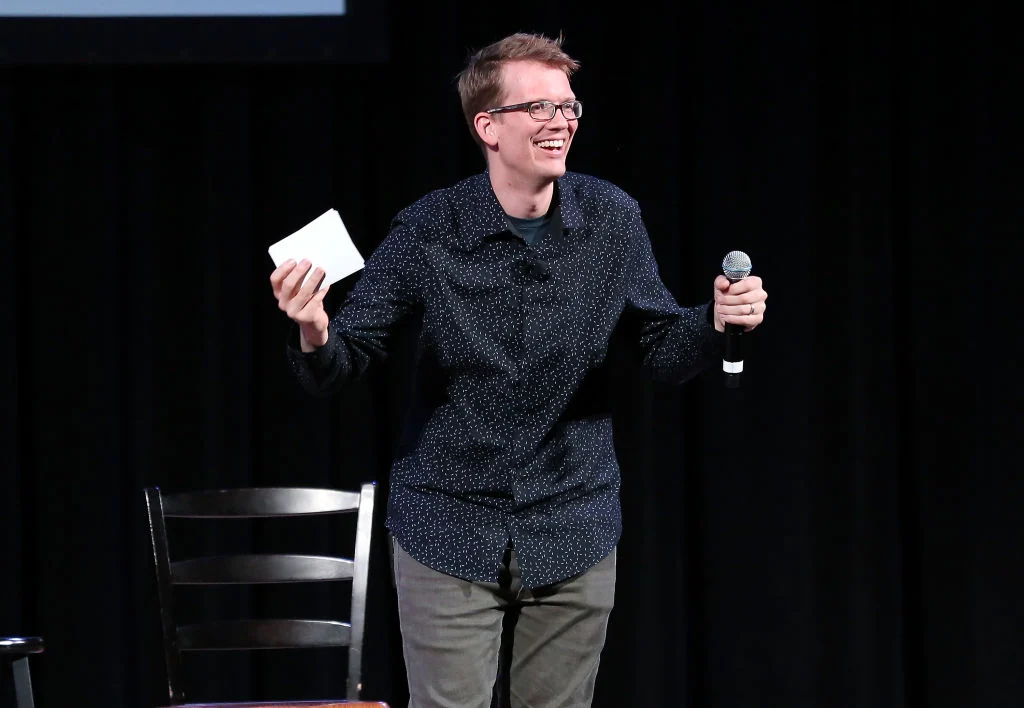
Hank Green, a prominent figure known for his work as a novelist, comedian, and science communicator, and a YouTuber boasting 3.2 million subscribers on his primary channel, recently issued a comprehensive apology to his extensive audience. The apology addressed his increasing and, as he described, unhealthy reliance on artificial intelligence (AI) chatbots in the production of his widely acclaimed educational content. This admission by a creator celebrated for his intellectual rigor and authentic engagement has sparked considerable discussion within the digital creator community and among his dedicated fanbase.
The controversy first ignited following a particular segment in a video posted on Complexly, the educational channel Green co-founded, which can be viewed at https://youtu.be/C5bwAv9Xdz8. Viewers, attuned to Green’s distinctive voice and writing style, noticed an incongruous phrase: "I appreciate the pushback." This seemingly out-of-place statement immediately raised suspicions among the audience, leading many to speculate that Green had used an AI chatbot to draft the script. The theory posited that he had inadvertently included a direct response from the chatbot to one of his prompts, rather than integrating it organically into his narrative. The incident, as reported by Kotaku, quickly garnered attention, highlighting the growing scrutiny creators face regarding the use of AI in their work.
In the immediate aftermath of the audience’s observations, Green initially responded with a post on X (formerly Twitter), which has since been deleted. In this initial acknowledgment, he admitted to producing the video "under a ton of pressure" and confirmed that he had utilized ChatGPT "for research on this script." However, he simultaneously attempted to clarify the specific "pushback" line, asserting that it was, in fact, a direct response to a guest featured in that particular episode, rather than an AI-generated artifact. While this explanation aimed to mitigate the direct accusation of accidental AI inclusion, it undeniably confirmed the underlying issue of AI chatbot use in his content creation process.
Recognizing the depth of concern and disappointment among his fanbase, Green subsequently offered a more detailed and introspective apology on Reddit. This platform choice was significant, as Reddit is a central hub for the "nerdfighters," Green’s long-standing and highly engaged community, known for their intellectual curiosity and personal connection to the Green brothers’ work. In this extensive post, accessible at https://www.reddit.com/r/nerdfighters/comments/1vbmoj5/comment/p0vzmog/, Green expressed profound remorse, stating he was "mortified" that he had "let so many people down." He candidly admitted that this episode had prompted a critical re-evaluation of his production habits, leading him to announce plans to reduce his overall video output across his various channels.
Green further elaborated on the nature of his AI usage, aiming to draw a clear distinction between ethical research assistance and outright content generation. He insisted that his engagement with ChatGPT had been solely for the purpose of "locating papers and other resources for learning about topics." He steadfastly maintained that the core "words and the ‘takes’" presented in his videos remained entirely his own. This distinction is crucial in the ongoing debate surrounding AI in creative fields, where the line between tool and co-creator can be contentious. Nevertheless, Green conceded that it was entirely fair for his audience to criticize him for "diluting" himself through this reliance, acknowledging that even using AI for research could diminish the perceived authenticity and unique voice that his audience values so highly.
Green also took the opportunity to articulate his broader, nuanced perspective on artificial intelligence. He clarified that he is "not a pure AI-hater," indicating an understanding of the technology’s potential benefits. However, he concurrently voiced several significant concerns about the rapid advancement and deployment of AI, particularly those that extend beyond personal content creation ethics. He highlighted the technology’s substantial impact on climate change, referencing the immense energy consumption required to train and operate large language models (LLMs). Furthermore, he expressed apprehension about "the speed at which these companies are trying to consolidate economic power," pointing to the rapid monopolization of AI development and infrastructure by a handful of tech giants, which could have far-reaching societal and economic implications.
In a deeply personal reflection, Green conveyed his profound anxieties about the situation. "Ultimately, what I am most scared of is ruining myself for people," he confessed, underscoring the deep connection he feels with his audience and the fear of damaging the trust they place in him. He admitted to a struggle with self-regulation, stating, "I have not been managing my impulses well." This candid admission revealed a deeper, personal challenge intertwined with his professional practices. He emphasized the paramount importance of his audience knowing that "my words are mine." While asserting that this has always been true, he acknowledged the rapid pace of his work had blurred his own creative process, leading to a lack of clarity. His goal, he stated, is to ensure this authenticity becomes "a guarantee moving forward."
To realize this commitment, Green outlined significant changes to his creative process and content schedule. He announced an impending pause or a substantial reduction in the frequency of new content across his various YouTube channels. This deliberate slowdown is intended to provide him with the necessary space and time to recalibrate his approach and ensure genuine, self-authored content. He expressed a desire to create more work akin to a recent meditative video, available at https://www.youtube.com/watch?v=eTfEPt96JSM, which he described as content "where the writing was the whole thing and I felt it all the way down." This indicates a shift towards projects where the creative process is deeply personal and immersive. Additionally, he suggested he would likely produce more "dumb unscripted straight to camera thoughts," embracing a raw, unfiltered style that stands in stark contrast to AI-assisted scripting.
Green concluded his reflections with a stark self-assessment of the underlying behavioral patterns driving his AI use. He acknowledged that the "level of dopamine I’ve been getting from interacting with LLMs… with doing more and more and more and more… is not healthy for me or good for the world." This statement reveals a critical insight into the addictive potential of AI tools, which can facilitate an unrelenting drive for increased output. He labeled his behavior as "careless" and admitted that it had "disconnected me from where people are on this." This final sentiment encapsulates the core of his apology: a recognition that his pursuit of efficiency, fueled by AI, had inadvertently distanced him from the very community he strives to educate and entertain, and from the broader ethical considerations surrounding AI’s role in society.
Hank Green’s transparent apology and subsequent commitment to re-evaluate his creative process serve as a significant moment for the creator economy. It underscores the increasing pressures on digital content creators to maintain high output, the allure of AI tools for efficiency, and the critical importance of authenticity and trust in the relationship between creators and their audience. His experience highlights the complex ethical dilemmas posed by AI, not just in terms of intellectual property, but also in its potential to influence creative integrity, mental well-being, and broader societal issues. His decision to slow down and refocus on deeply felt, original content resonates as a powerful statement in an era increasingly defined by rapid technological change and the blurring lines between human and artificial creation.