 11
11
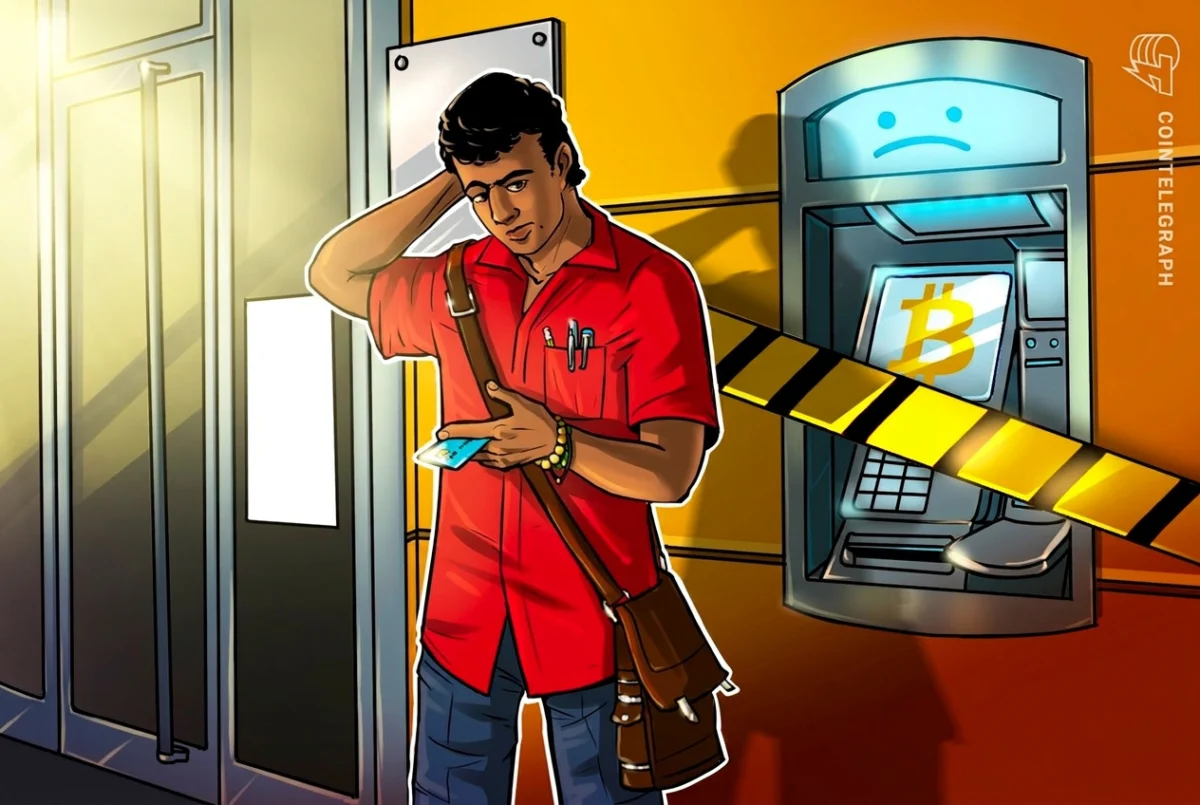
Minnesota has officially prohibited the operation of virtual currency kiosks across the state, a move that took effect on Saturday, August 1st. This legislative action follows the signing of a bill, designated as SF 3868, by Governor Tim Walz on May 5th, marking a decisive stance against the proliferation of cryptocurrency ATMs which have become a focal point for fraudulent activities. The new law mandates that all operators of crypto ATMs within Minnesota cease the installation, operation, maintenance, and availability of these machines. Existing kiosks must be deactivated by Saturday, with companies given until December 31st to physically remove them from public view.
The impetus behind this stringent measure stems from alarming statistics reported by Minnesota state officials, indicating substantial financial losses incurred by residents due to scams involving crypto kiosks. Between 2023 and 2025, state officials reported that Minnesota residents, with a significant proportion being senior citizens, lost approximately $1 million through these fraudulent schemes. This figure underscores a growing concern about the vulnerability of individuals, particularly older adults, to sophisticated cryptocurrency scams.
Further compounding these concerns, the FBI’s Internet Crime Complaint Center (IC3) reported that Minnesota experienced over $151 million in losses tied to digital assets or crypto wallets in the year 2025 alone. While the $1 million figure specifically relates to kiosk-based scams, the broader context of digital asset losses highlights the pervasive nature of financial crime within the cryptocurrency space in the state. Officials have pointed out that these schemes disproportionately target seniors, often employing tactics that create a sense of urgency and panic. Victims are frequently coerced into quickly sending money under the guise of fake emergencies, such as a family member being in trouble or a grandparent needing immediate financial assistance for legal issues. The anonymity and perceived complexity of cryptocurrency transactions make these scams particularly effective, as victims may feel pressured to act quickly without fully understanding the implications or verifying the legitimacy of the requests.
The ban on kiosks that facilitate the purchase of Bitcoin (BTC) and other cryptocurrencies is not an isolated incident but rather part of a broader trend of states taking action to curb fraudulent activity within the digital asset sector. Tennessee, for instance, began enforcing a total ban on such machines on July 1st. Similarly, Georgia implemented a law on the same day that imposes transaction limits and other restrictions on crypto ATMs. Lawmakers in Delaware and New Jersey have also advanced bills proposing similar prohibitive or restrictive measures, indicating a widespread recognition of the risks associated with unregulated crypto kiosk operations.
Prior to the statewide ban, data from CoinATMRadar, a platform that tracks cryptocurrency ATMs globally, revealed a significant presence of these machines in Minnesota. As of August 1st, when the ban took effect, there were 201 crypto ATMs and kiosks operating within the state. This substantial number of machines underscores the accessibility of these platforms and, consequently, the potential for exploitation. The rapid deployment of these kiosks, often in convenience stores and other public spaces, has provided a readily available avenue for scammers to target unsuspecting individuals.
The legislative response in Minnesota is a direct reaction to the clear and present danger posed by these crypto kiosks to vulnerable populations. The law, SF 3868, is designed to dismantle the infrastructure that facilitates these scams. The prohibition extends to all aspects of operation, from initial installation to ongoing maintenance. The grace period for physical removal acknowledges the logistical challenges faced by operators but ultimately aims to eliminate public access to these potentially hazardous financial tools. The stringent timeline for deactivation and removal suggests a commitment by the state government to swiftly address the issue and protect its residents from further financial harm.
The distinction between the $1 million lost through kiosk-specific scams and the broader $151 million in digital asset losses reported by the FBI is important. While the kiosk ban directly addresses a specific modus operandi, the larger figure suggests that other forms of cryptocurrency-related fraud are also prevalent in Minnesota. This could include phishing scams, fraudulent investment schemes, romance scams involving cryptocurrency, and other online deception tactics. The state’s efforts to combat kiosk scams are a targeted intervention, but the wider issue of digital asset fraud requires a more comprehensive approach, potentially involving increased public education, enhanced cybersecurity measures, and stricter regulations for all digital asset platforms.
The targeting of senior citizens by these scams is a particularly concerning aspect. Older adults may be less familiar with the intricacies of cryptocurrency and digital transactions, making them more susceptible to high-pressure sales tactics and elaborate deception. The common scenario of victims being told of a crisis involving a loved one and being instructed to purchase cryptocurrency at a kiosk to send funds highlights the emotional manipulation involved. Scammers exploit the strong desire of seniors to help their family members, creating a sense of urgency that bypasses rational decision-making. The anonymity of cryptocurrency transactions makes it difficult for law enforcement to trace the illicit funds, further emboldening the perpetrators.
The decision by Minnesota to ban crypto kiosks places it among a growing number of states that are grappling with the regulatory challenges posed by the burgeoning cryptocurrency industry. While the technology itself offers potential benefits, its misuse for criminal purposes has necessitated proactive legislative action. The effectiveness of such bans in deterring scams will likely depend on the ability of law enforcement to adapt to evolving criminal tactics and the willingness of individuals to report suspicious activities.
The presence of 201 crypto ATMs in Minnesota prior to the ban indicates a significant market for these services, suggesting that a portion of users were likely engaging in legitimate transactions. However, the substantial losses reported underscore that the risks associated with these machines, particularly for vulnerable individuals, outweighed their utility. The ban represents a policy choice to prioritize consumer protection over the availability of these specific cryptocurrency access points.
Moving forward, the focus will likely shift to enforcing the ban and monitoring for any attempts to circumvent the new regulations. The physical removal of kiosks by December 31st will be a key indicator of compliance. The state’s commerce department and other relevant agencies will likely continue to monitor scam trends and provide resources and information to the public to raise awareness about cryptocurrency-related fraud. The legislative action taken by Minnesota serves as a strong signal to both consumers and businesses about the state’s commitment to safeguarding its residents from the perils of digital asset scams. The experience of Minnesota, alongside other states enacting similar measures, will contribute to a broader understanding of the most effective regulatory approaches to the cryptocurrency landscape.