 11
11
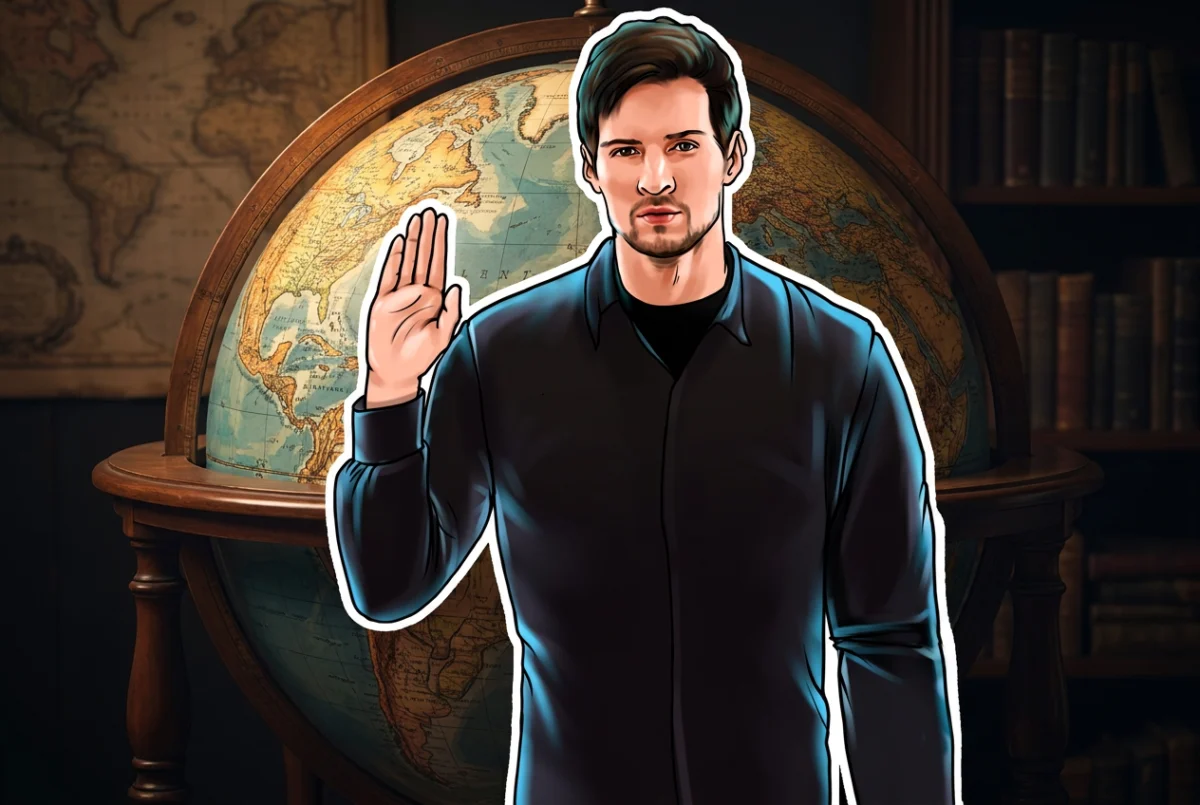
Telegram founder Pavel Durov revealed that Russian authorities have designated him a "terrorist," a move he asserts is a direct consequence of his refusal to comply with government demands for mass surveillance and censorship on the widely used messaging platform. Durov made these statements publicly on Thursday, a day after Russia officially announced charges against him. In his Telegram post, Durov also claimed that Russian authorities have attempted to bar him from "publishing information on the Internet," a restriction he sarcastically dismissed, stating that authorities had "got confused about who can ban whom from the Internet."
The public declaration by Durov follows an announcement from Russia’s Federal Security Service (FSB) on Wednesday, which accused the Telegram founder of "facilitating terrorist activity." The FSB’s allegations center on Telegram’s alleged failure to remove channels that the service claims are utilized by terrorist groups and Ukrainian intelligence services. This latest development builds upon a criminal investigation that Russia initiated in February. At that time, Russian regulators accused Telegram of allowing approximately 155,000 channels, chats, and bots to remain online, despite claims that these platforms violated Russian laws pertaining to extremist content, terrorism, drug trafficking, and other illicit activities.
Durov’s ongoing legal entanglements are not confined to Russia. The founder has been facing significant legal challenges internationally. Notably, Durov was arrested in France in August 2024 and has remained under judicial investigation concerning allegations that Telegram has facilitated criminal activity. The French authorities’ concerns stem from Telegram’s alleged failures to adequately moderate illegal content and to respond effectively to law enforcement requests for information.
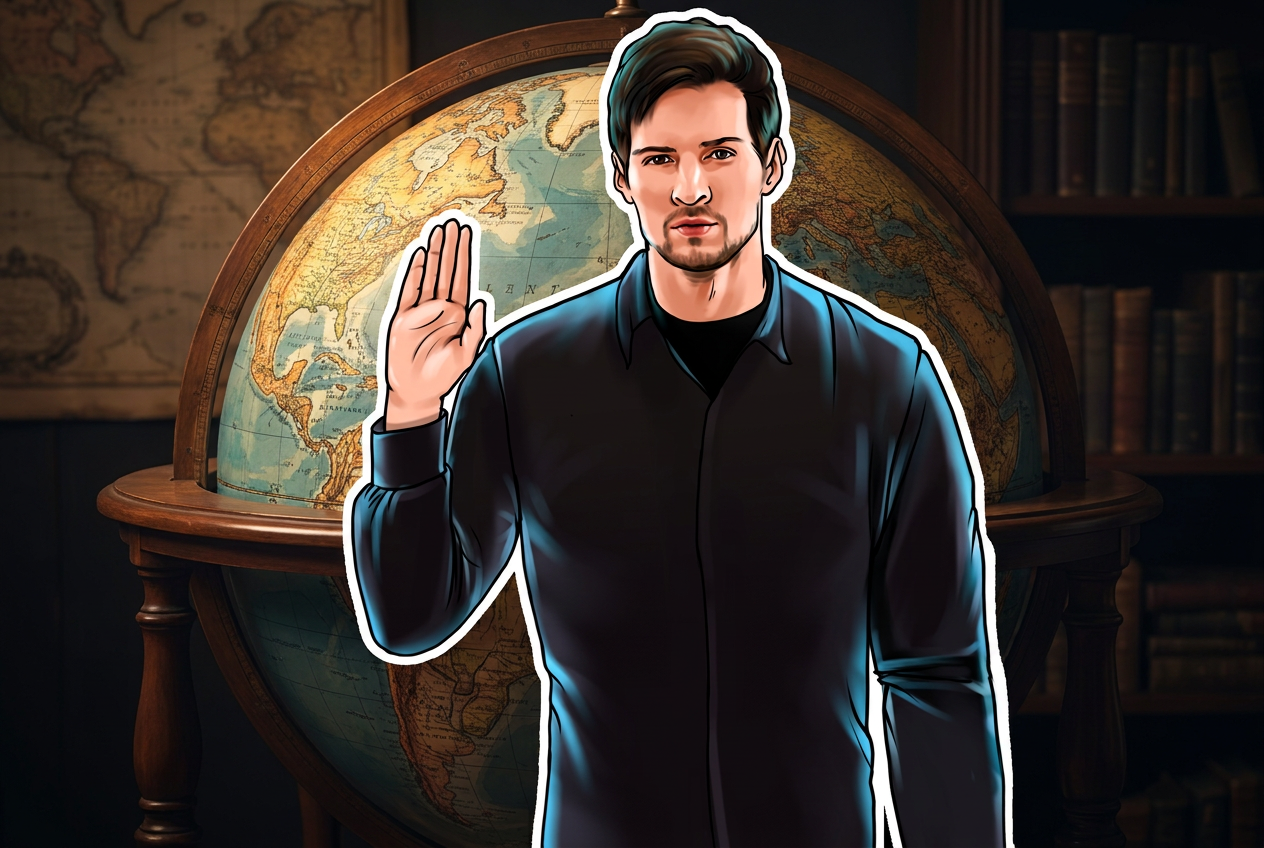
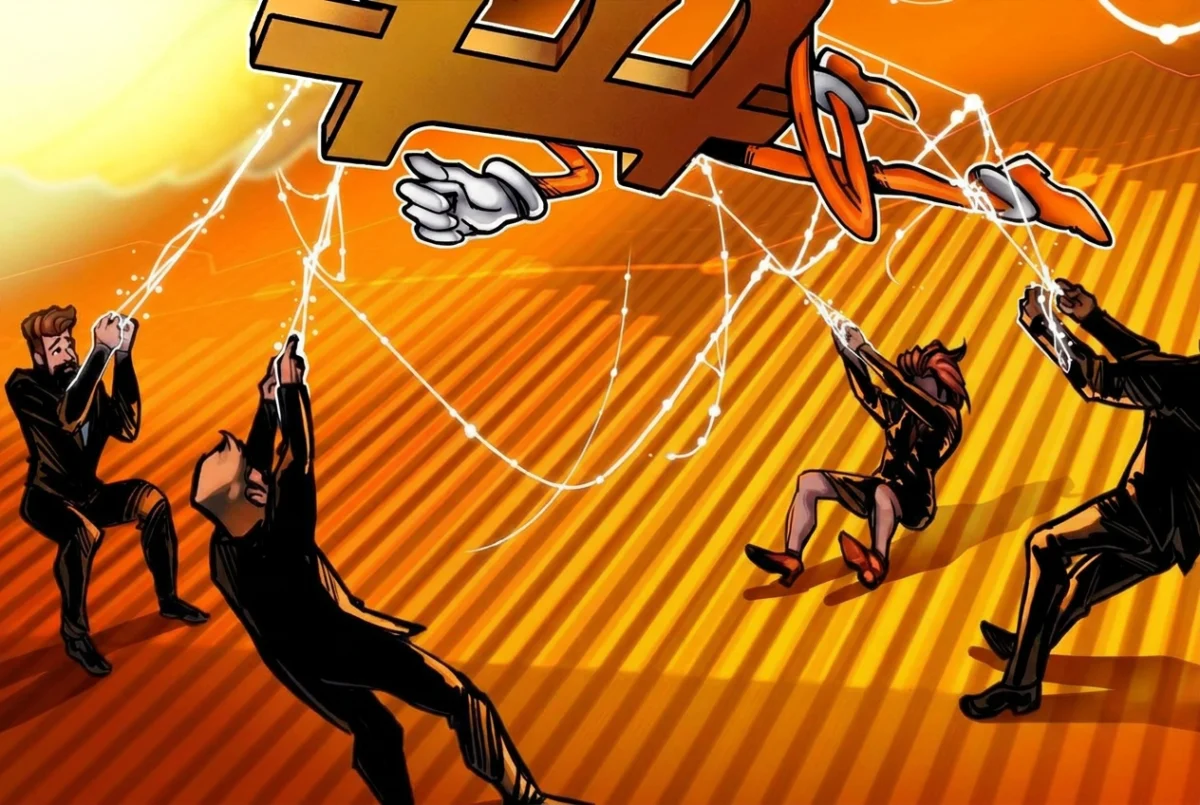
In response to his arrest and the ensuing investigation, Durov has consistently denied any wrongdoing. He has argued that French authorities failed to adhere to due process in their attempts to solicit information from Telegram. Durov’s detention in France also triggered a significant public response, with a campaign backed by the TON Community collecting over 9 million signatures on an open letter that urged French authorities to secure his release. Following his arrest, French authorities initially granted Durov temporary permission to return to Dubai in March 2025. His travel restrictions were subsequently lifted entirely later that year.
Beyond Russia and France, Telegram is also currently facing renewed legal scrutiny in Australia. This week, Australian regulators initiated court proceedings, alleging that the platform has failed to remove terrorism-related content.
Throughout these legal battles, Pavel Durov has positioned himself as a staunch advocate for free speech and digital privacy. In April, he voiced concerns regarding the European Union’s proposed age-verification app, warning that such a measure could potentially pave the way for broader online surveillance. In the same month, Durov attributed a spate of crypto-related kidnappings in France to alleged leaks of tax data, stating that Telegram would consider leaving the country rather than grant authorities access to users’ private messages.
The situation underscores a growing tension between governments seeking to regulate online communication platforms for security and law enforcement purposes, and tech leaders like Durov who champion user privacy and freedom of expression, often resisting government demands for data access and content moderation that they deem intrusive or a threat to fundamental digital rights. The designation of Durov as a "terrorist" by Russian authorities represents a significant escalation in this ongoing conflict.