 11
11
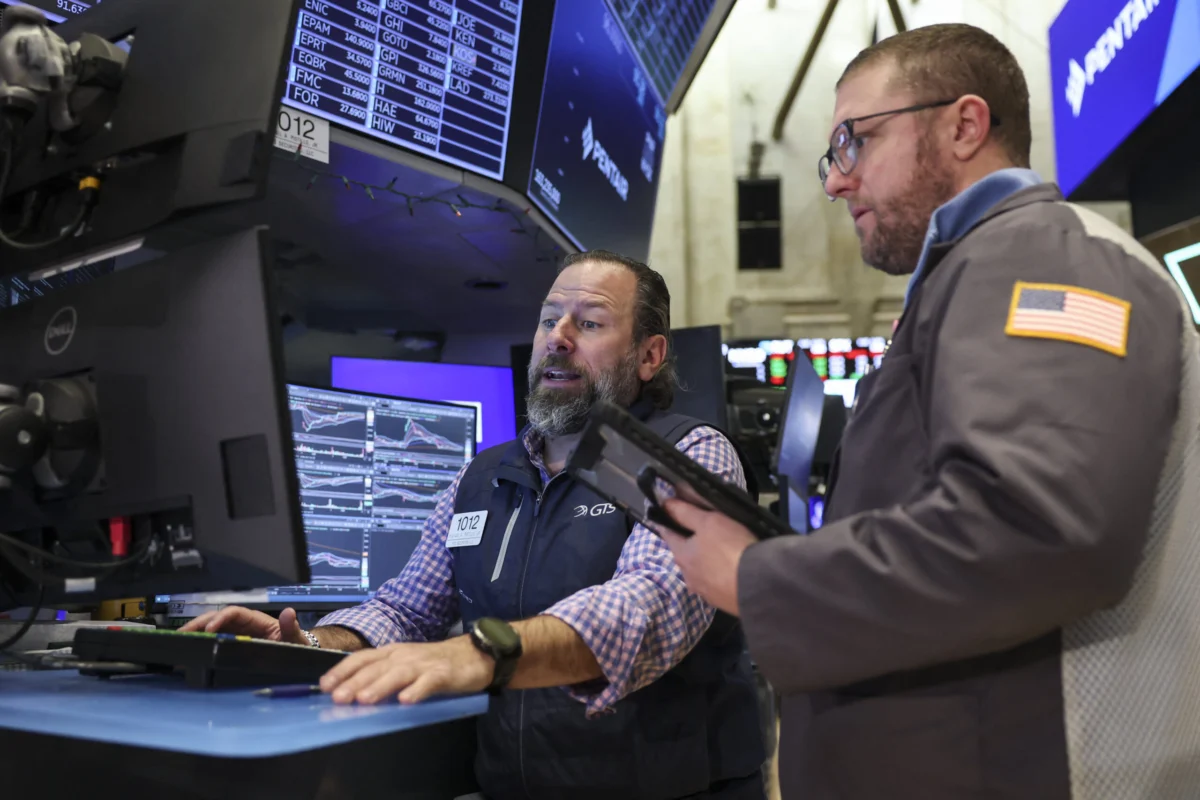
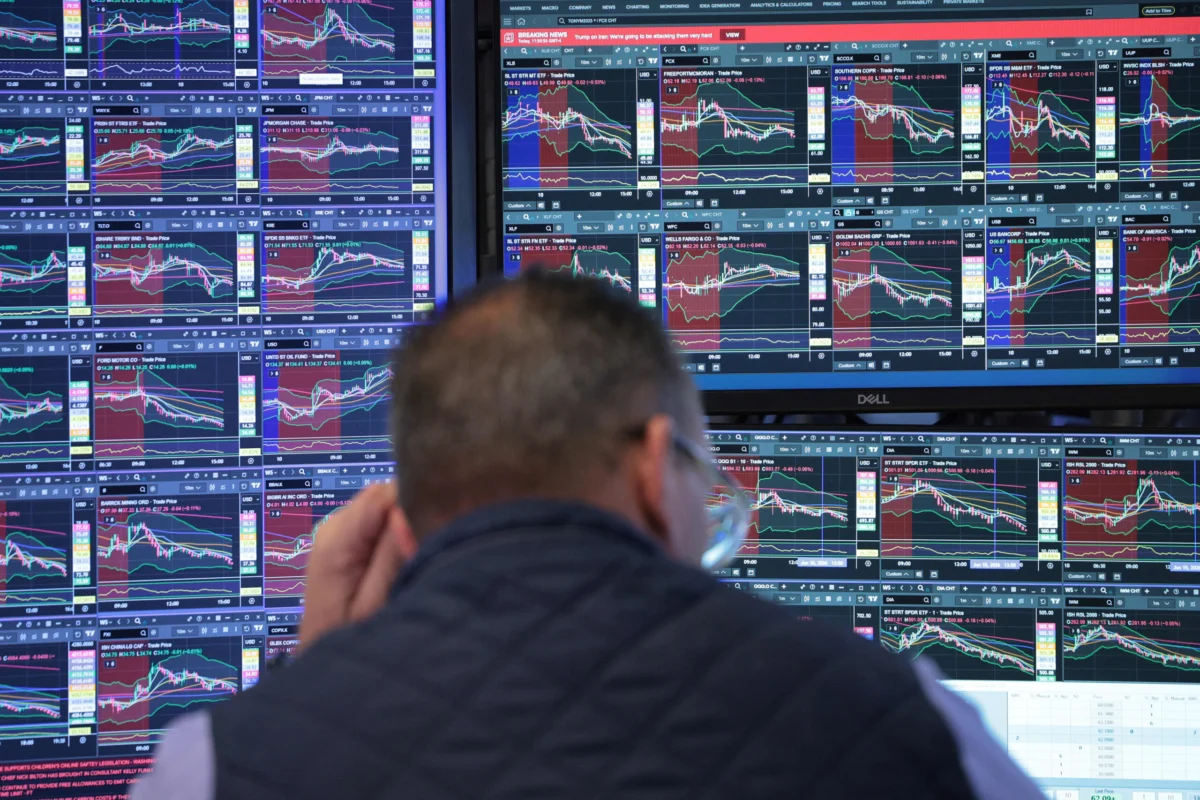
New York, NY – March 5, 2026 – The Dow Jones Industrial Average experienced a sharp decline of over 1,000 points on Wednesday, a significant market event triggered by the Federal Reserve’s decision to maintain its benchmark interest rates and a concurrent surge in U.S. oil prices nearing $85 per barrel. This substantial drop adds to a historical pattern of volatility following major economic announcements and geopolitical developments.
An analysis of the Dow’s performance over the past five years reveals that such large, single-day declines of over 1,000 points have occurred nine times. Historically, the market often experiences a continued downturn in the week following such a significant drop. However, the longer-term outlook, specifically one month and three months after these events, has historically shown a tendency for recovery and substantial gains.
On average, the Dow Jones Industrial Average tends to be flat on the day immediately following a 1,000-point decline. However, the subsequent week has seen a median loss of 1.14%. The market’s resilience becomes more apparent in the following periods, with a median gain of nearly 2% observed one month after the decline, and this positive trend escalates significantly to a median gain of 9.1% three months later.
Examining the historical instances of these major Dow declines provides further context. Three of these nine significant drops occurred in the aftermath of President Donald Trump’s "liberation day" announcement in April 2025, when he introduced broad reciprocal tariffs on a global scale. The initial reaction saw the Dow and the broader market experience a dramatic two-day fall. This downward trend was temporarily arrested when President Trump announced a 90-day pause on the tariff plan, though the blue-chip average experienced another decline on April 10, 2025, as high tariffs on China remained in place. U.S. equities began a recovery later that April, following signals from both the U.S. and China that trade tensions were easing.

Four other instances of substantial 1,000-point drops were recorded in 2022. This period was characterized by surging inflation, prompting the Federal Reserve to implement multiple increases to its overnight interest rate in an effort to curb rising prices. Investors’ concerns about the potential for higher interest rates to trigger an economic slowdown and a possible recession contributed to the significant declines in the Dow and other major averages, eventually pushing them into bear market territory. The market eventually found its bottom in October 2022, marking the beginning of the current bull market.
The remaining two notable 1,000-point declines for the Dow occurred in August and December of 2024. The August decline was largely attributed to concerns over the U.S. labor market following a weaker-than-expected jobs report, compounded by a sharp fall in the Japanese stock market. The December downturn was precipitated by the Federal Reserve’s indication that it would adopt a cautious approach regarding interest rate cuts.
The current market anxiety is fueled by the Federal Reserve’s decision to remain on the sidelines at the conclusion of its July 2026 meeting, despite inflation remaining above its target. This decision coincided with another rise in oil prices, which surged following President Trump’s pledge to retaliate against Iran for a surprise attack on American forces. Although the central bank opted to maintain the current interest rate range of 3.5% to 3.75%, three members of the Federal Open Market Committee (FOMC) dissented, voting in favor of a rate hike, signaling that rising interest rates may be a possibility in the near future.
Based on historical patterns, the impact of Wednesday’s significant one-day decline may extend beyond the immediate trading session, underscoring the market’s sensitivity to monetary policy decisions and geopolitical events.
CNBC’s Fred Imbert contributed to this report.