 11
11
In 1966, a then-24-year-old Paul McCartney famously posed the question, "Will you still need me, will you still feed me when I’m 64?" Six decades later, as McCartney celebrates his 84th year, the answer is unequivocally yes. He, along with a cadre of music’s most iconic figures from decades past, is not merely relevant but actively shaping the cultural landscape and providing the definitive soundtrack of 2026. This year has witnessed an extraordinary resurgence, with legacy acts demonstrating unparalleled artistic vitality and commercial prowess, proving that their influence extends far beyond mere nostalgia.
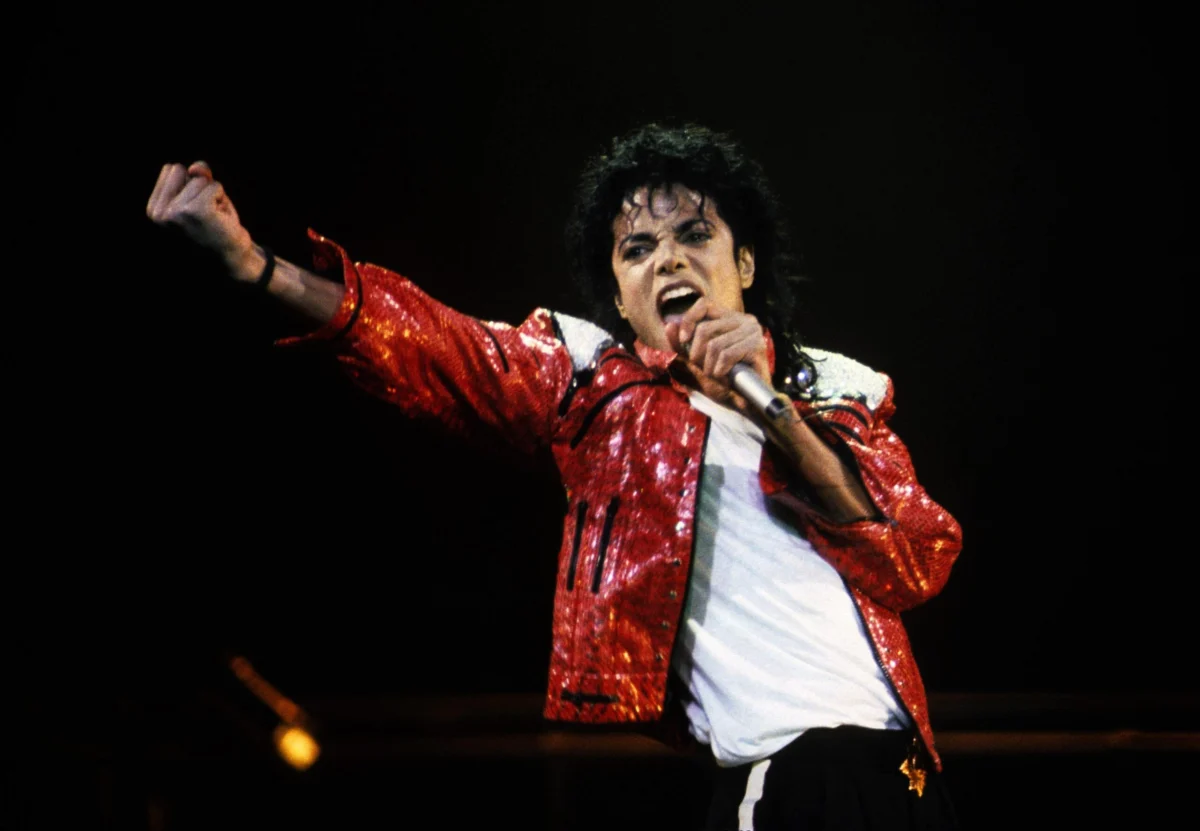
The phenomenon is broad and multifaceted. Paul McCartney, Madonna, and The Rolling Stones have each unveiled critically acclaimed new albums that have resonated deeply with audiences and critics alike. Legendary progressive rock band Rush has made a triumphant return to major arena tours after an 11-year hiatus, playing to overwhelming demand. Even years after his passing, Michael Jackson’s enduring legacy has been dramatically amplified by the unprecedented success of his biopic, Michael, which has set a new benchmark for music-focused films at the global box office. This confluence of events suggests a profound shift in the music industry, where a unique blend of streaming technology, evolving popular culture, strategic artist choices, and the inherent scarcity of these living legends has fundamentally redefined what it means to be a "legacy act."
Legacy Artists Forge New Artistic Paths and Critical Acclaim
Far from resting on their laurels, these iconic artists are achieving a level of critical acclaim that, for some, has been elusive in recent years. Paul McCartney’s latest offering, The Boys of Dungeon Lane, Madonna’s Confessions II, and The Rolling Stones’ Foreign Tongues have all garnered strong reviews, with many critics hailing these releases as among the finest work these artists have produced in decades. This renewed artistic vigor showcases their commitment to innovation and contemporary relevance.
Madonna’s Confessions II, in particular, marks a significant critical triumph. The influential music publication Pitchfork awarded it an impressive 8.1 out of 10, a substantial improvement from the 4.8 rating her previous album, Madame X, received. This stark contrast highlights a successful artistic recalibration, demonstrating Madonna’s capacity to evolve while maintaining her signature edge. Similarly, The Rolling Stones’ Foreign Tongues earned widespread favorable notice from publications such as Consequence of Sound. The Guardian lauded the album for being neither "nostalgic nor a retread," describing it as "a thoroughly modern-sounding, occasionally political record that has the band confronting the world around them and their remaining time within it." This assessment underscores the band’s ability to create work that is both timely and deeply personal, defying expectations of a typical veteran release.
Further cementing this critical resurgence, music rating aggregator Allmusic.com bestowed high marks on these new albums. The Boys of Dungeon Lane earned 4.5 out of 5.0 stars, representing McCartney’s highest rating since his 1997 album, Flaming Pie. Foreign Tongues received a solid 4.0 rating, a notable improvement over their previous critically acclaimed album, Hackney Diamonds. Madonna’s Confessions II achieved an impressive 4.5 stars, her highest critical reception since her groundbreaking 1998 album, Ray of Light. These reviews collectively indicate a period of exceptional creativity and critical validation for these enduring superstars.
Commercial Success Across the Board
The critical accolades have translated directly into robust commercial success, affirming the widespread demand for new material from these legendary figures. Paul McCartney’s The Boys of Dungeon Lane debuted at No. 1 on three distinct Billboard album charts, showcasing his unparalleled multi-generational appeal and enduring commercial power. Madonna’s Confessions II secured her 10th No. 1 position on the prestigious Billboard 200 chart, further solidifying her status as one of the most commercially successful artists of all time. The Rolling Stones’ Foreign Tongues also claimed the No. 1 spot on Billboard’s Top Album Sales Chart, demonstrating that physical and digital sales remain strong for artists who command such a devoted following. While Rush has not released new music in 2026, their highly anticipated concert tour has sold out multiple venues, including four dates at Madison Square Garden, illustrating the immense demand for their live performances after an 11-year absence.
However, the commercial pinnacle of 2026 belongs to Michael Jackson. His biopic, Michael, has captivated global audiences, earning an astonishing more than $1 billion at the box office. Despite receiving a mixed reception from critics, the film garnered an overwhelmingly positive response from audiences, reflected in its remarkable 97% rating on Rotten Tomatoes. This audience embrace was not confined to the silver screen; the movie also spurred a massive resurgence in interest in Jackson’s musical catalog. In the week following its release, his solo discography generated a career-best 137.5 million U.S. on-demand streams, marking an astounding 146% increase from the previous week. This demonstrates the powerful synergy between new cultural touchstones and the enduring appeal of timeless music, mediated by modern consumption platforms.
Strategic Choices and Pop Culture Integration
Beyond critical and commercial triumphs, legacy artists are actively employing savvy strategies to expand their listener base beyond their loyal fan cohorts. Positive reviews and compelling new work present these musicians not merely as custodians of famous music libraries but as dynamic, active artists relevant to new generations. Many have made deliberate choices to connect with contemporary music trends without compromising their artistic integrity.
For instance, both Paul McCartney and The Rolling Stones have collaborated with acclaimed producer Andrew Watt, whose impressive résumé spans multiple generations and genres, enabling them to achieve a fresh, modern sound while retaining their distinctive identities. Madonna has strategically connected herself to current pop culture by collaborating with rising star Sabrina Carpenter, recording music together and even joining Carpenter onstage at the high-profile Coachella festival. These collaborations bridge generational gaps, introducing their music to younger audiences through familiar channels and validating their continued relevance.

The Timeless Appeal of Streaming and Social Media
The current buzz around legacy artists is not solely driven by new releases or strategic collaborations. It’s profoundly shaped by a powerful convergence of pop culture, streaming technology, and social media, which has collectively endowed these artists with a more timeless, multi-generational appeal than ever before. In past eras, music had a more defined "expiration date" within popular culture. Radio stations would transition to newer releases, MTV would rotate in younger artists, and record stores would relegate older albums to "catalog" bins.
Streaming platforms have fundamentally altered this dynamic. A song recorded in 1972 now exists seamlessly alongside one released yesterday, and sophisticated algorithms can recommend either with little regard for its age. This ubiquitous availability, however, is only one piece of the puzzle. Popular culture constantly supplies new reasons for rediscovery. Television shows, films, and major cultural events like Coachella regularly thrust legacy acts and their music back into the limelight. A prime example is the 2022 phenomenon where the Netflix series Stranger Things propelled Kate Bush’s 1985 song "Running Up That Hill" to global hit status. This resurgence was critically dependent on younger audiences’ ability to instantly locate and stream the song after hearing it within the show, illustrating the symbiotic relationship between content and accessibility.
This trend continues robustly in 2026. Beyond the success of Michael, the TV series Off Campus provided renewed exposure for Elton John’s 1974 track "The Bitch Is Back." This placement led to an astounding 577% jump in weekly U.S. on-demand streams for the song, showcasing the immense power of synchronized media to reignite interest in classic tracks.
Social media platforms further amplify this effect, keeping the artists themselves, not just their music, in constant circulation. Mick Jagger, for example, has become a veritable social media meme. His distinctive dancing, remarkable physical vitality, and charismatic persona generate engaging content that circulates independently of any specific Rolling Stones promotion, extending his cultural footprint to new demographics. Legacy stars possess an enormous advantage in this environment: decades of rich cultural material waiting to be rediscovered, recontextualized, and shared. Paul McCartney’s more than 60-year career has built one of popular music’s most extensive and recognizable legacies. Madonna has accumulated decades of iconic fashion, groundbreaking controversy, and constant reinvention. The Rolling Stones have, for generations, embodied the very essence of what it means to be a rock star. These vast archives of cultural output provide an endless wellspring for contemporary engagement.
The Power of Scarcity and Economic Drivers
The surging popularity of bands like Rush highlights another potent force driving the legacy music boom: scarcity. The passing of legendary drummer Neil Peart in 2020 made another Rush tour seem highly improbable. Therefore, the band’s 2026 return offered fans a once-in-a-lifetime opportunity—an experience many believed was gone forever. This profound sense of urgency now increasingly surrounds other veteran performers, including Bob Dylan, The Eagles, and Paul Simon. With Mick Jagger and Keith Richards also in their 80s, the touring future of The Rolling Stones is similarly perceived as finite. Fans contemplating the purchase of expensive concert tickets can no longer necessarily assume they will have future opportunities to witness these artists live, making each performance an unmissable "event."
Simultaneously, a significant portion of these artists’ longtime fan base is currently in their highest-earning years. This demographic possesses substantial disposable income, enabling them to invest in premium tickets, travel to see shows, and purchase high-end vinyl box sets and deluxe album editions. This convergence of increasingly scarce opportunities with an audience both willing and financially able to pay for them creates a powerful economic dynamic that fuels the legacy artist boom.
The Unassailable Value of Authenticity in the AI Era
As artificial intelligence continues to reshape the entertainment industry in profound ways, legacy artists possess a singular, irreplaceable advantage: authenticity. Their songs and performances are not merely products; they are reflections of decades of lived experience—triumph, failure, love, loss, and constant reinvention. For many, their live performances openly embrace the imperfections and nuances that come with age, adding a layer of raw, human connection that is deeply cherished.
This authenticity holds particular weight in an era where Gen Z is increasingly expressing skepticism toward AI-generated music. Research indicates that as many as 35% of Gen Z individuals would cease to like a song upon discovering it was created by AI. Furthermore, this demographic exhibits broader anxiety about AI’s societal implications. In such a landscape, the genuine, human artistry embodied by legacy acts—their tangible history, their unique voices, and their storied careers—may forge an even stronger, more resonant bond with younger listeners seeking genuine human expression amidst a rapidly evolving technological world.
The enduring success of these veteran musicians in 2026 is a testament to their timeless artistry, strategic adaptability, and the fundamental human desire for authentic connection. Far from fading into history, they are actively writing new chapters, influencing current trends, and proving that true legends never truly retire from the cultural conversation.