 11
11
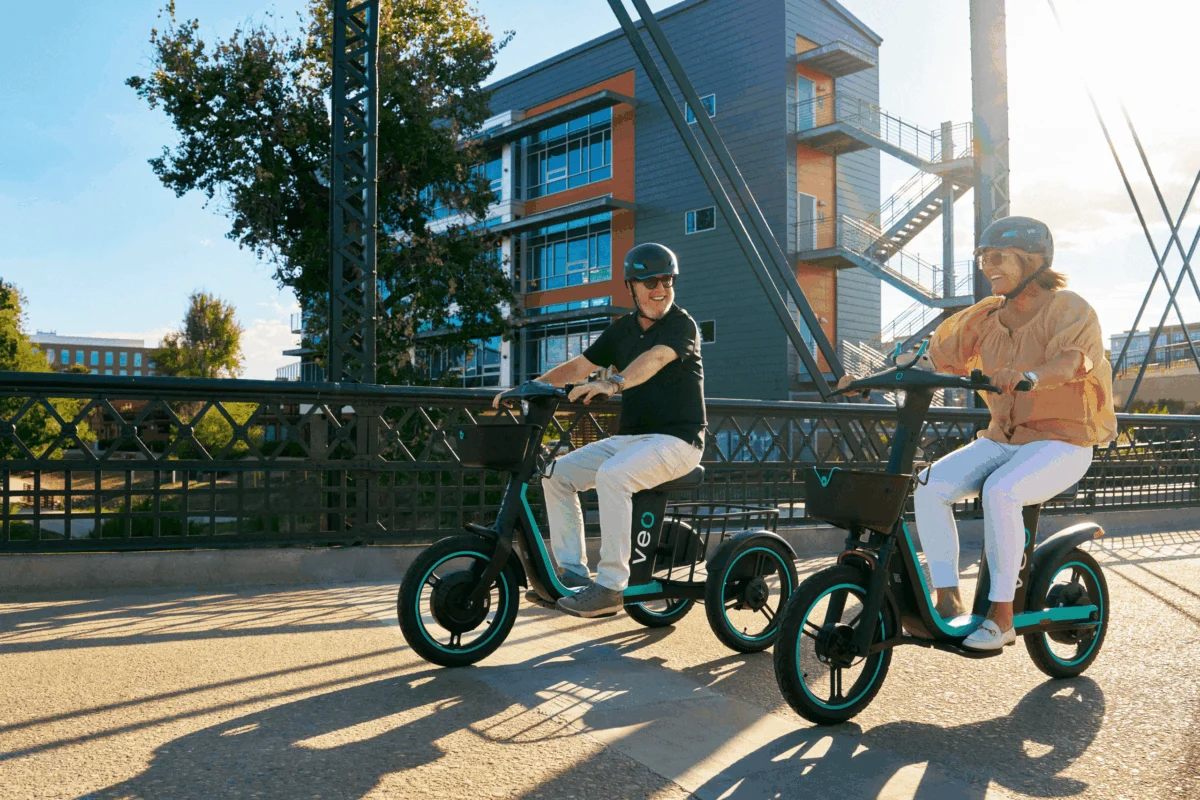
Rideshare micromobility vehicles, encompassing everything from bicycle programs to electric scooters, have become an indelible part of the urban fabric in major cities worldwide. These nimble, often electric, transport solutions offer a convenient alternative to traditional commuting, addressing the "last mile" problem and contributing to reduced traffic congestion and carbon emissions. Now, a new player is entering this dynamic arena with an innovative offering: the electric tricycle. Veo, a company with a growing footprint in the micromobility sector, has officially unveiled its latest vehicle, dubbed the Rover, a three-wheeled, sit-down electric trike designed to broaden the accessibility and utility of shared urban transportation.
The Rover made its public debut on Tuesday at a special event held in Denver, Colorado. This launch marks a significant expansion of Veo’s diverse fleet and a strategic move to cater to a wider demographic of urban riders. While Denver currently serves as the inaugural city for the Rover’s deployment, Veo has ambitious plans to introduce the vehicle to numerous other cities across the United States, indicating a strong belief in its potential to redefine micromobility.
Operating the Rover mirrors the familiar process of renting a shared bike or e-scooter. Users simply download the Veo mobile application, sign up for an account, and pay a nominal fee to unlock the trike. Once unlocked, the Rover is ready for use on city streets. Engineered with urban environments in mind, the Rover boasts a width of 2.5 feet, allowing it to comfortably navigate most standard bike lanes, which typically measure around three feet wide. This design consideration ensures that the Rover integrates seamlessly into existing urban infrastructure dedicated to cyclists and other micromobility users. For safety, Veo has capped the Rover’s maximum speed at 10 miles per hour. This is notably slower than the typical 15 mph speed limit often imposed on rental bikes and scooters by city regulations, a deliberate choice by Veo to enhance rider safety and comfort, particularly for its intended broader user base. Powering the Rover is the same robust battery system utilized across Veo’s other electric vehicle offerings, providing an impressive range of approximately 45 miles on a single charge. Adding to its practicality, the trike features a cargo basket positioned at the rear, capable of holding up to 100 pounds of luggage, groceries, or other personal items, significantly enhancing its utility for daily errands and short-distance transport.

Veo, while not as widely recognized as industry giants like Lime or Bird, has steadily carved out a niche for itself, primarily operating in about 60 smaller to mid-sized cities across the US. However, its strategic positioning took a significant leap forward in May when the City of Denver awarded Veo an exclusive contract. This agreement designated Veo as the sole provider of shared bikes and scooters in the city, effectively replacing the services previously offered by rival companies such as Lime and Bird. This exclusive partnership transformed Denver into a crucial testing ground and showcase city for Veo, providing the ideal platform to unveil the Rover and demonstrate its commitment to innovative and inclusive urban transportation solutions.
The primary impetus behind the development of the Rover is a strong focus on accessibility. Three-wheeled vehicles inherently offer greater stability and self-balancing capabilities compared to their two-wheeled counterparts, making them an ideal option for individuals who may find traditional bicycles or scooters challenging to ride. This includes older adults, individuals with certain physical disabilities, or those simply seeking a more stable riding experience. City governments across the US are increasingly recognizing the importance of inclusive transportation and often mandate that micromobility companies provide accessible vehicle options. In response, competitors have launched their own initiatives; Lime, for instance, offers "Lime Assist," a free accessible vehicle rental program, while Bird introduced its own accessible rentals pilot program in New York City in April. Veo’s approach with the Rover, however, aims to integrate these accessible vehicles directly into its mainstream fleet, rather than offering them as separate, specialized programs.
Alexander Keating, Veo’s vice president of policy and partnerships, articulated this vision, stating, "The expectation is that your local bus or transit provider will offer accessible options for those who are in wheelchairs or can’t use certain products. There’s also an expectation for us, from the cities who permit our kinds of programs, to do everything they can to make them accessible." This sentiment underscores Veo’s commitment to creating a truly equitable transportation system where accessibility is not an afterthought but a core design principle.
To ensure the Rover met the diverse needs of its target users, Veo engaged in extensive collaboration with a range of disability advocates and organizations. These partners included the Disability Mobility Initiative, the Parkinson’s Foundation, and Capitol Hill Village. Furthermore, Veo consulted with organizations like the AARP, the American Association of Retired Persons, to design a vehicle that would specifically appeal to and serve older users. The resulting three-wheeled design ensures the trike is inherently self-balancing, eliminating the need for riders to contend with a kickstand or worry about the vehicle tipping over. This ease of use is critical for fostering confidence and encouraging adoption among a broader spectrum of the population. Keating further emphasized the company’s overarching goal: "Our goal is to make sure that no rider has to be treated differently in order to go through more barriers to enter the system." This philosophy champions universal design, aiming to make micromobility accessible to everyone without requiring special accommodations or additional hurdles.

Beyond its physical design, the Rover integrates advanced technology to enhance the riding experience and promote safety. Like all of Veo’s vehicles, the Rover is equipped with an AI-powered voice assistant. This intelligent system provides real-time information to the rider, including clear directions, precise location details, and timely traffic updates, making urban navigation more intuitive and less stressful. The software also incorporates sophisticated lidar sidewalk-detection technology, a feature designed to prevent riders from operating the vehicles on sidewalks, where they are typically not permitted and can pose a hazard to pedestrians. While this technology aims to improve safety and compliance, some Denver locals have noted that the issue of scooters on sidewalks has not entirely disappeared since Veo took over, suggesting that technological solutions often require complementary enforcement and user education.
Veo also leverages the technological capabilities of its fleet for data collection. The Rover’s software gathers anonymized geolocation and ride details from its users. Keating explained that this aggregated ridership data is instrumental for the company to gain a comprehensive understanding of how people utilize the vehicles and for what types of trips. This invaluable information will inform Veo’s strategic planning as it looks to expand the Rover’s presence into additional markets, ensuring that future deployments are tailored to the specific needs and usage patterns of each city.
The introduction of electric tricycles like the Rover comes at a time when electric bikes are experiencing a significant surge in popularity, widely recognized as a "hot" item in the personal mobility market. Companies such as Lectric have already successfully developed and marketed electric tricycles, demonstrating a nascent but growing demand for such vehicles. While trikes offer undeniable advantages in terms of accessibility for elderly riders and those seeking greater stability, they can also present challenges, often being heavier and potentially more difficult to steer than two-wheeled bikes. How these factors balance out in the context of a shared micromobility service, and whether the broader public will embrace them, is precisely what Veo aims to discover through the Rover’s deployment in Denver. Keating expressed a pleasant surprise regarding the initial public reception: "We want people to think it’s cool; that’s what gets them on it. You would think, like, trikes are for kids or trikes are for someone older. I think it might be for everyone. We’re going to see." This optimistic outlook highlights Veo’s belief that the Rover has the potential to transcend traditional demographic perceptions, appealing to a diverse range of urban dwellers seeking a practical, stable, and enjoyable way to navigate their cities. By focusing on accessibility, safety, and practicality, Veo’s Rover aims to carve out a vital new niche in the evolving landscape of urban micromobility.