 11
11
As the monumental San Diego Comic-Con 2026 concluded its five-day run on Sunday, a significant revelation emerged during the annual "Comic-Con Talkback Panel," a traditional open forum designed for attendees to voice concerns, ask questions, and provide feedback on the sprawling pop culture event. Amidst a recurring chorus of grievances from frustrated fans regarding the increasingly challenging access to Hall H—the legendary 7,500-seat auditorium synonymous with the show’s biggest studio announcements and exclusive previews—David Glanzer, Comic-Con International’s Chief Communication and Strategy Officer, delivered a remark that sent ripples of concern and speculation through the room and the wider fan community.
"In 2010, we outgrew this facility [the San Diego Convention Center]," Glanzer stated candidly at the public gathering. His comment underscored a long-standing issue that has plagued the convention for over a decade: the sheer scale of its popularity has far surpassed the physical limitations of its primary venue. This growth has necessitated the expansion of the convention’s footprint beyond the convention center walls, leading to the proliferation of "outside activations." Glanzer explained these outdoor installations are "primarily for companies who are inside the building who want to expand their space because we don’t have space inside for them to expand." These external zones, often elaborate themed experiences or brand showcases, have become a familiar, if somewhat necessary, extension of the Comic-Con experience, reflecting the internal capacity crisis.
Further elaborating on the spatial constraints, Glanzer highlighted a crucial operational decision made years ago concerning Hall H. "We turned Hall H [part of the main show floor] into a theatre because the biggest room in this facility is just 4,200 seats," he continued. This conversion of a vast exhibition space into a dedicated panel hall was a strategic move to accommodate the massive demand for prime content, particularly from major film studios, television networks, and gaming companies. The decision, however, came at a cost. "We decided we would forego the revenue from Hall H to create a bigger theatre," Glanzer explained. This implies that the space, if used for traditional exhibition booths or other revenue-generating purposes, could have contributed significantly to the convention’s financial health.
It was in this context that Glanzer made his most striking statement, hinting at a potentially radical shift for future conventions: "Now, we did that some years back and maybe we need to explore getting rid of Hall H and going back to revenue generating, because right now we can only allow X amount of people within the building and can only allow x amount of exhibitors within the building." The emphasis on "getting rid of Hall H and going back to revenue generating" suggests a desperate consideration of last resorts. Hall H is not merely a room; it is an institution within Comic-Con, a pilgrimage site for fans eager to witness groundbreaking trailers, celebrity panels, and exclusive reveals. Its potential transformation back into a revenue-generating exhibition space would fundamentally alter the fan experience, shifting the focus from large-scale, free-to-attend content presentations to a more commercially driven exhibition model. This proposition, while framed as an exploration, highlights the immense pressure on the organizers to balance fan satisfaction with the economic realities of running an event of this magnitude.
Beyond the spatial crunch, financial challenges were also brought to light. Glanzer noted that sponsorship revenues, particularly those tied to signage on hotels and nearby buildings surrounding the convention center, experienced a decline this year. This reduction in the operating budget directly impacts the organization’s ability to implement crucial improvements, such as enhancing outdoor Wi-Fi connectivity. The lack of robust Wi-Fi has long been a point of frustration for attendees, especially those enduring hours-long queues for Hall H and other popular events. Improved connectivity is not just a convenience; it’s a vital tool for modern line management, communication, and overall attendee experience. Both Glanzer and Comic-Con Chair Robin Donlan made public pleas for a corporate sponsor to step forward and fund the much-needed Wi-Fi infrastructure, underscoring the severity of their budgetary constraints and the direct link between funding and fan-facing solutions.

Glanzer articulated the gravity of the situation, acknowledging the deep-seated problems facing the convention. "It’s a challenging situation because we don’t have enough space, and solving that problem is going to take time, money and effort," he admitted. He reassured attendees that dedicated teams are working tirelessly on these issues, but conceded, "I wish we had the resources to fix every problem, but we just don’t. It means we have to be very creative in how we utilize our resources." This statement paints a picture of an organization stretched thin, forced to make difficult choices and prioritize where to allocate its limited funds and personnel.
Comic-Con International, known for its meticulously guarded and strategic communications, rarely engages in such public musings about fundamental changes to its event. Glanzer’s open discussion about the potential "demise" of Hall H, a signature component and a primary draw for countless fans and major studios, represents a significant escalation in the convention’s ongoing battle to garner greater public support and secure additional sponsorship. For well over a decade, the event has been bulging at the seams, with demand consistently outstripping supply, yet concrete, long-term solutions for expansion or financial relief have remained elusive. This public airing of internal struggles appears to be a deliberate tactic to highlight the dire situation and perhaps prompt stakeholders—including the City of San Diego, potential corporate sponsors, and the fan base itself—to rally behind the convention.
Despite these pressing internal challenges, Comic-Con International demonstrated its commitment to its long-time home just before the start of this year’s convention. The organization signed an agreement to remain in San Diego through 2030, securing its immediate future in the city that has hosted it for over half a century. This extended commitment, however, does not come without its own set of logistical hurdles. At the same talkback forum, Comic-Con Chair Robin Donlan confirmed a widely rumored shift in dates for the 2028 convention, an adjustment necessitated by the concurrent Los Angeles Olympics. "We took the dates we were offered," Donlan stated, indicating a pragmatic acceptance of external scheduling pressures that impact major events across Southern California. This date change, while seemingly minor, can have significant ripple effects on hotel bookings, travel plans, and the availability of talent and vendors, adding another layer of complexity to the convention’s planning.
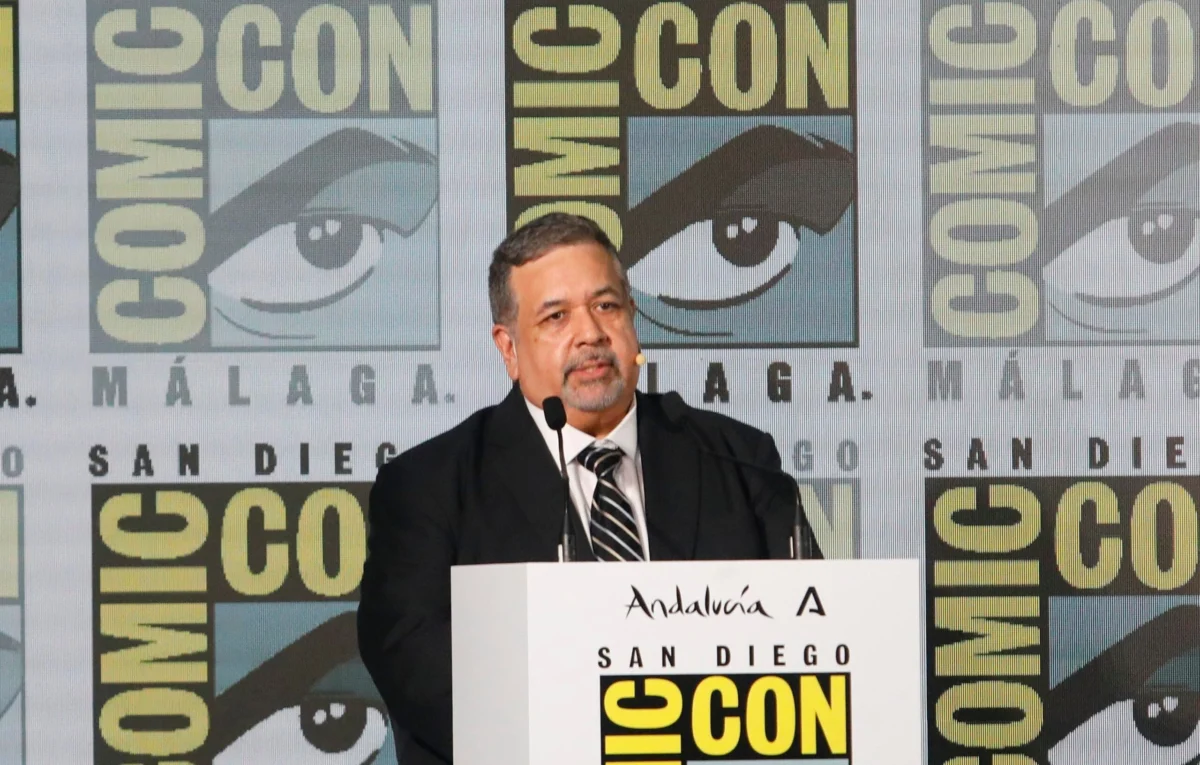
The organization’s global reach, however, suggests a broader strategy beyond the immediate challenges in San Diego. For instance, on March 10, 2025, David Glanzer was present in Malaga, Andalusia, Spain, for the "Presentation Of The San Diego Comic-con Malaga 2025." He was seen alongside Juanma Moreno, the President of the Junta de Andalucía, underscoring Comic-Con International’s active role in fostering international iterations of its renowned brand. This international expansion, while distinct from the issues facing the flagship San Diego event, illustrates the organization’s efforts to grow and diversify its operations, potentially exploring new markets and revenue streams outside the constrained environment of the San Diego Convention Center. Such ventures demonstrate the brand’s enduring appeal and the strategic vision of Comic-Con International to leverage its global recognition, even as its original and most famous event grapples with profound operational and financial limitations.
In conclusion, the 2026 San Diego Comic-Con closed with a sobering glimpse into the challenges faced by its organizers. The event, a global phenomenon that celebrates pop culture in all its forms, has clearly outgrown its physical home and is now confronting significant financial pressures. The very fabric of the convention, embodied by the iconic Hall H experience, is being re-evaluated, potentially signaling a dramatic shift in how attendees will engage with future iterations. While the commitment to San Diego through 2030 offers stability, the underlying issues of space, funding, and the continuous struggle to meet escalating fan demand remain paramount, forcing Comic-Con International to creatively adapt and publicly appeal for the support needed to sustain its legendary status.