 11
11
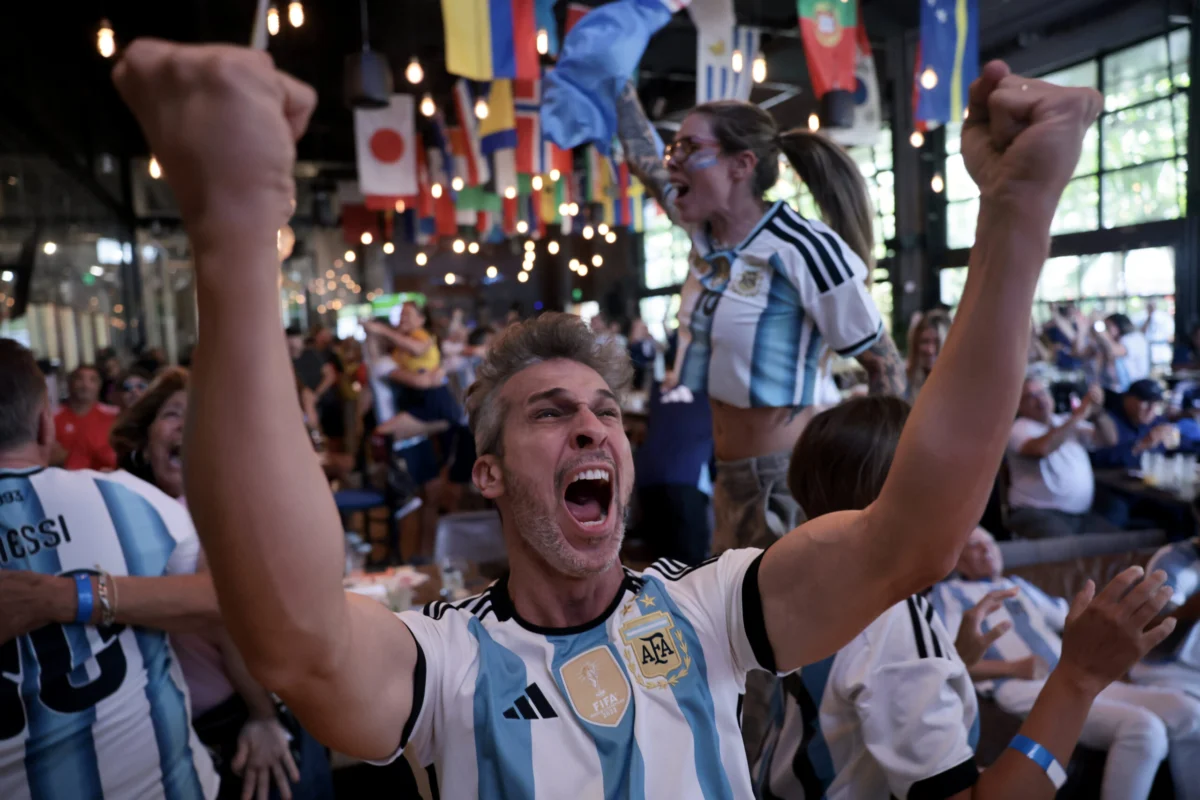
The 2026 FIFA World Cup has proven to be a watershed moment for prediction markets, with trading volumes across platforms experiencing an unprecedented surge. Kalshi, a prominent player in this nascent industry, has capitalized on this global spectacle, attracting a staggering 3 million new users during the tournament and facilitating over $1.2 billion in trades on its World Cup winner contracts alone. This single market has set a new record for trading volume on Kalshi, underscoring the immense appeal and reach of the quadrennial football championship. The market is slated to officially close on Sunday, following the final match between Spain and Argentina.
Vijay Viswanathan, an associate dean of integrated marketing communications at Northwestern University, highlighted the unique global appeal of football, stating, "I don’t think there’s any game like football. It’s played in about every country in the world… so in just terms of the total addressable market, there’s really nothing that comes close to the FIFA World Cup." This sentiment resonates with Kalshi’s strategic approach, which has heavily leveraged the tournament to amplify its brand presence and user acquisition.
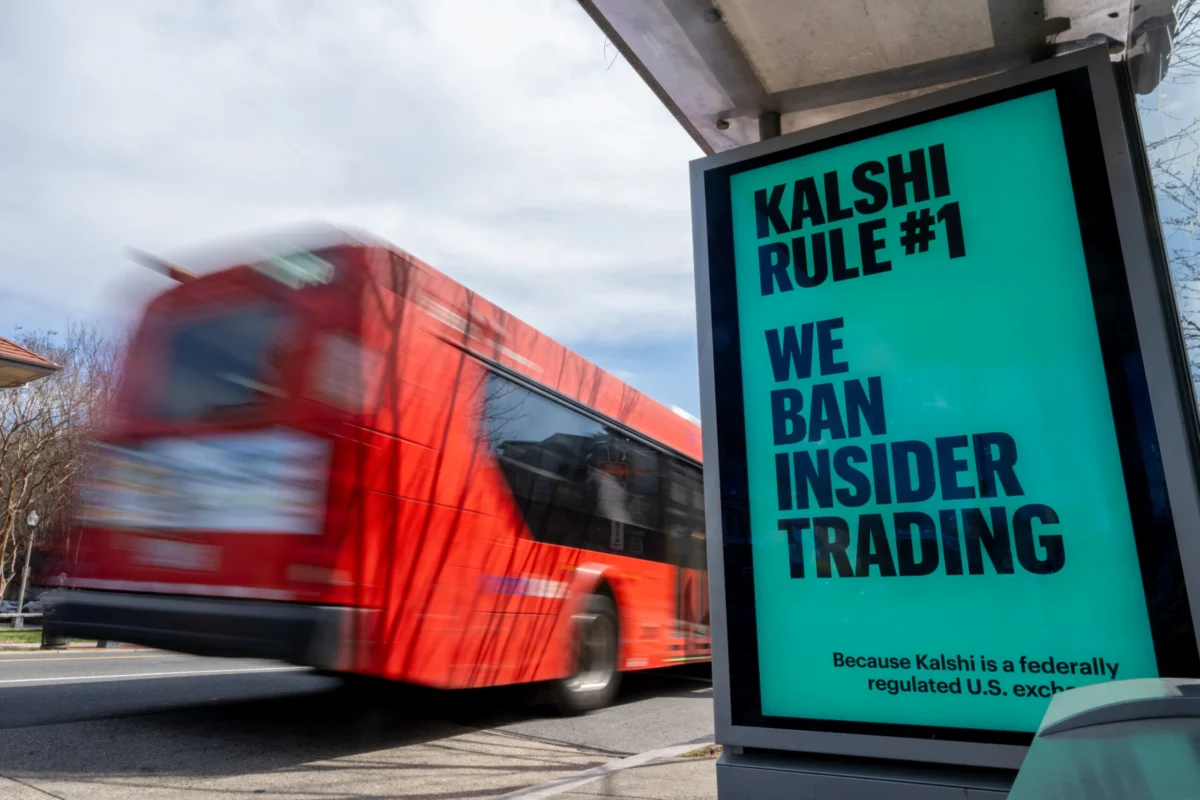
Kalshi’s success during the World Cup is a testament to a multi-faceted marketing strategy that combined strategic partnerships, high-profile endorsements, and swift, creative content production. The company forged a significant alliance with ADI Predictstreet, the official prediction market sponsor of the World Cup, leading to co-branded advertisements displayed in stadiums. Further expanding its digital reach, Kalshi partnered with OpenAI, integrating its contract odds into ChatGPT searches related to tournament games. This move aimed to capture users seeking information and engagement with the World Cup through popular AI platforms.
Beyond these strategic alliances, Kalshi has actively sought to associate its brand with prominent figures in the soccer world. Endorsements from renowned personalities such as Croatian soccer star Luka Modric and former Real Madrid coach José Mourinho have lent considerable credibility and visibility to the platform. A particularly impactful collaboration was with the Argentinian national team, which resulted in a featured post by superstar Lionel Messi on Instagram. This garnered significant attention and likely contributed to a substantial influx of new users.
Kalshi CEO Tarek Mansour, who plays a central role in shaping the company’s marketing initiatives, emphasized the symbiotic relationship between market activity and news cycles. "Our volumes are where the news is at," Mansour stated. "It’s a lot of the approach for the World Cup. … The most important thing is to enable creativity based on what’s happening." This philosophy is evident in the company’s rapid content creation. Mansour cited an example of an advertisement featuring former professional soccer stars in a scrimmage that was conceived, executed, and released within a mere 24 hours. This agility allows Kalshi to capitalize on timely events and maintain a dynamic presence in the public discourse.
The company’s marketing efforts have not been confined solely to the realm of sports. Kalshi has also strategically engaged with non-soccer celebrities to broaden its appeal and underscore the ubiquitous nature of prediction markets. An advertisement featuring actor Timothée Chalamet was released in June, coinciding with his increased public profile due to appearances at New York Knicks games during the NBA Finals. This was followed by a spot featuring Colombian singer J Balvin earlier this month.
Elizabeth Johnson, executive director of the Wharton Neuroscience Initiative at the University of Pennsylvania and an instructor of visual marketing, commented on this broader strategy: "This is also a way for them to say, ‘oh, but we’re also relevant to all these other people who might not be that interested in sports, too.’ They’re seizing this moment to remind people about the ubiquity of what these prediction markets are." This approach aims to position prediction markets as a versatile tool for engaging with a wide range of events and interests, extending beyond the immediate appeal of sports.
However, the aggressive expansion into sports-related contracts has also brought Kalshi under increased scrutiny. Prediction market contracts are currently a point of contention in a legal dispute between the federal government and individual states. States contend that these contracts are functionally equivalent to sports betting, a domain that falls under their regulatory authority. Kalshi aligns with the federal government’s position, asserting that the Commodity Futures Trading Commission (CFTC), which oversees swaps and derivatives, possesses the exclusive authority to regulate prediction markets.
Mansour has largely dismissed these regulatory concerns, framing the opposition as coming from established gambling companies that perceive Kalshi as a threat to their dominant market positions. Brian Sung, a partner specializing in derivatives and digital assets at Haynes Boone, suggested that while advertising strategies might not directly influence judicial rulings, they do shape public perception. "It does kind of weaken their perception, in public or politics," Sung observed. "They are trying to push against this idea that they’re really only about sports. I mean, that is where the bulk of their activity is." This sentiment highlights the challenge Kalshi faces in balancing its significant engagement with sports-related markets with its broader ambition to be seen as a comprehensive prediction platform.
The primary challenge for Kalshi now lies in converting its 3 million new users into active, recurring traders. This transition may prove difficult, as trading volumes have demonstrably declined on days without World Cup matches. Mansour acknowledged this cyclical pattern, drawing parallels to past events that initially drove high volumes, followed by a temporary dip, before ultimately experiencing sustained growth fueled by subsequent events.
"You have to believe there’s not going to be any news after Sunday," Mansour concluded, referring to the World Cup final. "Maybe, … but the more probable thing is that there’s going to be like a bunch of things going on in the world, and Kalshi’s going to be there to service it." This forward-looking statement indicates Kalshi’s confidence in its ability to leverage future global events to maintain user engagement and continue its growth trajectory, positioning itself as a persistent and adaptable platform in the evolving landscape of prediction markets.
Disclosure: CNBC and Kalshi have a commercial relationship that includes customer acquisition and a minority investment.