 11
11
San Diego Comic-Con International has long been an unparalleled pilgrimage for pop culture enthusiasts, and for Marvel Studios, its Saturday night Hall H panel has, since 2008, solidified its status as arguably the industry’s most anticipated annual announcement event. This hallowed hall has been the crucible where entire phases of the Marvel Cinematic Universe (MCU) were first unveiled, where unexpected actors made their grand entrances, and where pivotal character reveals, sometimes met with both applause and controversy, reshaped the cinematic landscape. Over the years, these presentations have not merely been news drops; they have been cultural moments that have fundamentally altered the trajectory of blockbuster filmmaking. The 2026 edition, held from July 23 to July 26 with a preview night on July 22, continued this tradition, delivering a fresh wave of announcements that promise to define the MCU’s next chapter, including the much-hyped casting of Ryan Gosling as Ghost Rider.
To understand the weight of these recent reveals, it’s crucial to look back at how Marvel’s Comic-Con presentations have consistently delivered seismic shifts, laying the groundwork for the sprawling narrative tapestry that defines the MCU.
The Avengers Are Assembled (San Diego Comic-Con 2010)
Before the Marvel Cinematic Universe was a fully formed, globally dominant entity, there was the groundbreaking Hall H event in July 2010. In a moment that would reverberate through Hollywood, Marvel Studios President Kevin Feige orchestrated an unprecedented assembly on stage. He brought out a lineup of stars that would soon become household names: Robert Downey Jr. (Iron Man), Chris Evans (Captain America), Chris Hemsworth (Thor), Mark Ruffalo (Hulk, replacing Edward Norton), Scarlett Johansson (Black Widow), Jeremy Renner (Hawkeye), and Samuel L. Jackson (Nick Fury), alongside writer/director Joss Whedon. This formidable ensemble represented the core cast of a film titled The Avengers, which, remarkably, had not yet even begun production.
At the time, the concept of a shared cinematic universe – where characters from distinct, previously established film franchises would converge into a single, cohesive narrative – was largely theoretical. While Iron Man, The Incredible Hulk, and Thor had offered tantalizing hints and post-credits teases, the 2010 panel made the ambitious vision concrete. The sheer audacity of bringing together such an array of stars, each portraying a hero from their own successful film, to announce a cross-over event of this magnitude, was electrifying. The subsequent 2012 film, The Avengers, not only delivered on its immense promise but shattered box office records, grossing an astounding $1.5 billion worldwide. Its success irrevocably changed the template for blockbuster filmmaking for the ensuing decade, inspiring countless studios to attempt their own interconnected universes, though few would achieve Marvel’s sustained success. The image of those "infant" actors, as the article notes, unaware of the cultural phenomenon they were about to unleash, remains iconic.
Josh Brolin Wears The Infinity Gauntlet (San Diego Comic-Con 2014)
Four years later, in 2014, Marvel once again demonstrated its unparalleled long-term strategic vision with another pivotal Hall H reveal. Josh Brolin, a two-time Oscar nominee, made a surprise appearance, donning the formidable Infinity Gauntlet and grinning ominously. This moment formally introduced Thanos, the "Mad Titan," as the overarching antagonist of the MCU. While the character had been briefly glimpsed in the post-credits scene of The Avengers in 2012, his face and formidable presence were now undeniably established.
This reveal arrived a full four years before Thanos would appear in earnest as the central antagonist in Avengers: Infinity War (2018). Yet, Brolin’s appearance powerfully signaled the direction of an entire saga, confirming that Marvel was meticulously playing a "long game" across its ever-expanding franchise. The slow, deliberate build-up of the Infinity Stones and the eventual confrontation with Thanos became the central spine of the first three phases of the MCU, a narrative ambition and execution that was virtually unprecedented in cinema. It solidified Marvel’s reputation for intricate planning and rewarding fan dedication, setting a new standard for interconnected storytelling.
Brie Larson Is Captain Marvel (San Diego Comic-Con 2016)
The 2016 Comic-Con saw another significant announcement that underscored Marvel’s evolving approach to its hero roster. The reveal of Brie Larson as Carol Danvers, who would become Captain Marvel, was monumental. While the same panel also introduced Benedict Cumberbatch as Doctor Stephen Strange, Larson’s casting carried a distinct and profound significance: she was poised to become the MCU’s first solo female lead.

At the time of her announcement, Larson was fresh off an Academy Award win for her powerful performance in Room, bringing considerable dramatic gravitas to the role. Her casting was widely interpreted as a clear statement of intent from Marvel – an expansion of who their movies were about, reflecting a growing demand for diverse representation in superhero cinema. The anticipation for Captain Marvel was immense, building for three years until its release in March 2019. The film not only met expectations but exceeded them at the box office, becoming the first MCU solo female-led title to cross the coveted $1 billion mark globally, solidifying the character’s importance. However, the article notes that Larson has not been seen in her role since 2023 and appears absent from the initial promotional material for the upcoming Avengers: Doomsday, sparking discussions among fans about the character’s immediate future within the MCU’s evolving narrative.
Robert Downey Jr. Unmasks As Doctor Doom (San Diego Comic-Con 2024)
Fast-forward to July 27, 2024, and Comic-Con delivered one of its most audacious and shocking reveals to date. The Hall H stage saw a row of actors in green hoods, creating a palpable sense of mystery. One by one, the hoods came off, culminating in a reveal that sent shockwaves through the audience and across the internet: the last hood concealed none other than Robert Downey Jr. The man who had famously died on screen as Tony Stark in Avengers: Endgame (2019) was returning, but not as Iron Man. Instead, he was unveiled as Victor von Doom, the Latverian dictator, Reed Richards’ lifelong nemesis, and a perennial top 10 entry for the greatest villain in Marvel Comics history.
This unprecedented casting immediately redefined expectations for the MCU’s future. The return of its foundational star, not as a hero but as a complex and formidable antagonist, signaled a bold new direction. Simultaneously, Marvel announced a significant shift for its next Avengers film. Following Jonathan Majors’ assault conviction in December 2023, the film’s title, previously The Kang Dynasty, was officially changed to Avengers: Doomsday. Downey Jr.’s villainous role as Doctor Doom now clearly sets the stage for this pivotal film, suggesting a new era of formidable threats and unexpected character arcs, particularly with such a beloved actor taking on a dramatically different persona.
Ryan Gosling Is Ghost Rider (San Diego Comic-Con 2026)
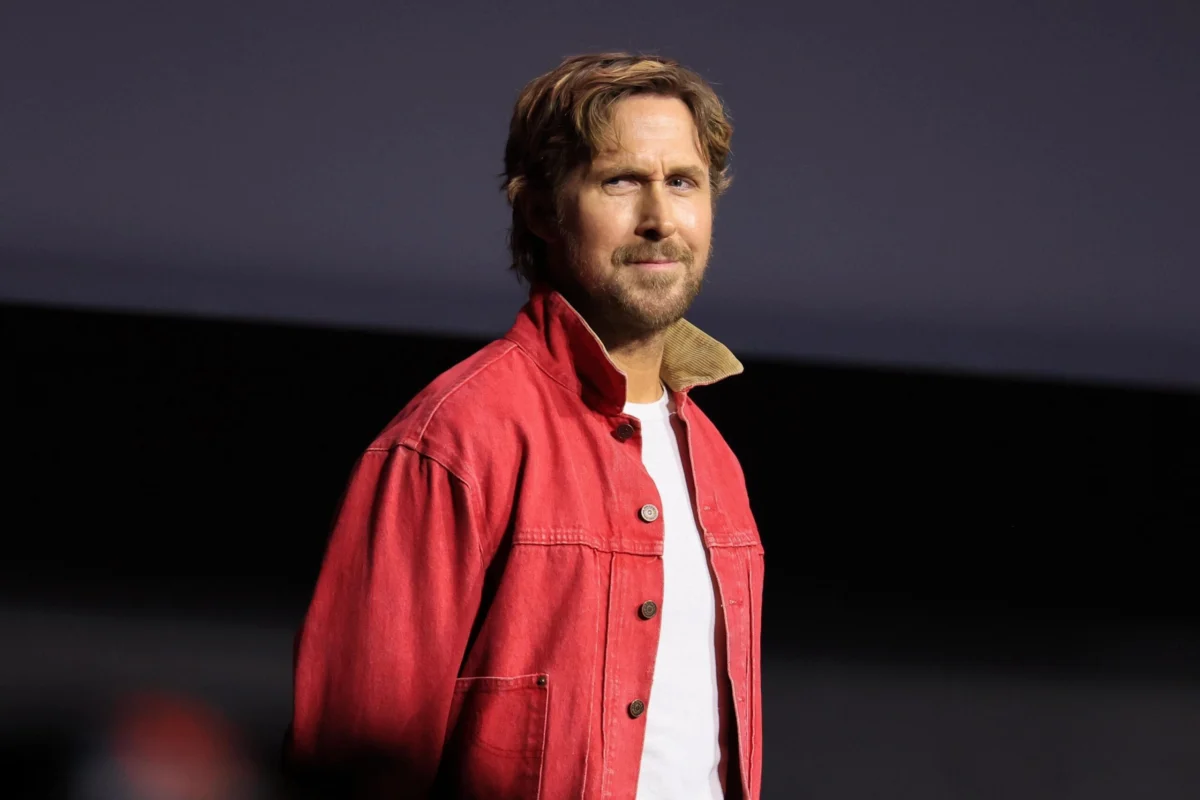
The most recent and arguably the marquee headliner of the 2026 Comic-Con arrived just hours ago on July 25. The Hall H presentation began with the ominous Ghost Rider logo illuminated in darkness. As the lights dramatically came on, the stage revealed a grinning Ryan Gosling alongside Marvel Studios President Kevin Feige. The Oscar-nominated star, fresh off his critically acclaimed role in Barbie and leading the summer blockbuster smash Project Hail Mary, has officially been cast as Ghost Rider.
This highly anticipated announcement confirmed long-standing rumors and speculation, delighting fans who have clamored for a new iteration of the character in the MCU. Gosling will headline a new standalone Ghost Rider film, slated for release in 2028. Adding to the excitement, the film will be directed by Shawn Levy, known for his successful work on Deadpool & Wolverine, suggesting a blend of action, character-driven storytelling, and potentially a dark, yet accessible, tone. Gosling’s significant star power and Levy’s directorial vision promise to bring a fresh, high-profile take on the supernatural anti-hero, cementing this as one of the most talked-about reveals of the convention.
BONUS: David Jonsson Is The Black Panther (San Diego Comic-Con 2026)
While Gosling’s Ghost Rider casting generated immense shock value and became the immediate headline, many attendees and long-time fans found a deeper, more emotional resonance in another 2026 announcement: the casting of David Jonsson as the new Black Panther. Jonsson will portray T’Challa’s son in the much-anticipated third Black Panther film.
This reveal carries significant weight, following the profound loss of Chadwick Boseman, who originated the role of T’Challa. The decision to introduce T’Challa’s son as the new Black Panther maintains the character’s legacy and the rich cultural tapestry of Wakanda. The project is further bolstered by the return of key creative talents: Ryan Coogler, fresh off multiple Oscar wins for his latest film Sinners, will be back to direct, ensuring continuity in the acclaimed storytelling. Additionally, Letitia Wright and Winston Duke will reprise their beloved roles as Shuri and M’Baku, respectively, providing a strong anchor for the next chapter of Wakandan heroism. For many, this announcement represents not just a casting decision, but a respectful and hopeful continuation of one of the MCU’s most cherished and culturally significant franchises.
As San Diego Comic-Con 2026 concludes, Marvel Studios once again proves its enduring ability to capture the global imagination. From the foundational assembly of the Avengers to the dramatic return of Robert Downey Jr. as Doctor Doom, and the exciting new chapters for Ghost Rider and Black Panther, these Hall H announcements continue to shape the future of cinematic storytelling, fueling anticipation for years to come.