11
11
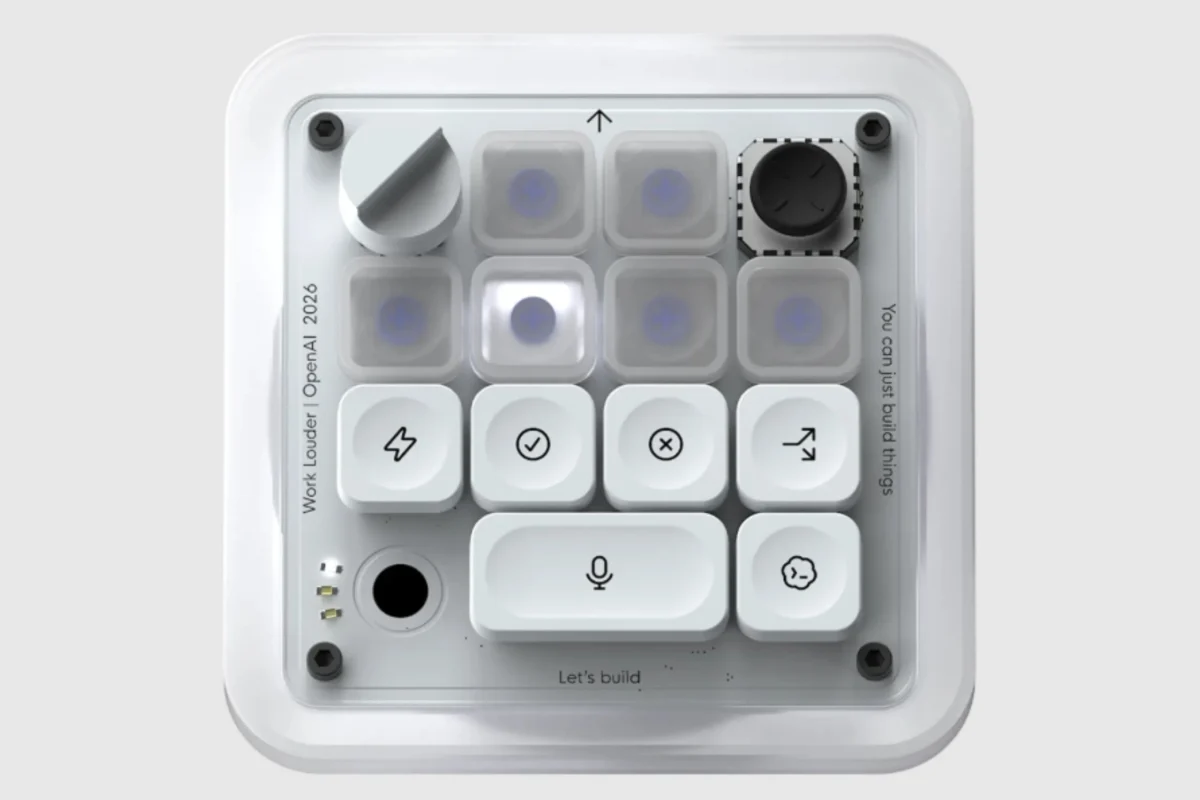
OpenAI, a prominent artificial intelligence research and deployment company, officially launched its inaugural piece of hardware last week: Micro. This compact, specialized keypad is designed for seamless integration with ChatGPT, the company’s leading conversational AI model. Developed in collaboration with Work Louder, a designer specializing in custom keyboards and niche peripherals, Micro is positioned as an artisanal workplace novelty. While its unique proposition and tailored functionality are expected to appeal to a segment of tech enthusiasts and early adopters, its specialized nature and perceived utility may leave a broader audience somewhat perplexed. This debut signifies OpenAI’s expansion beyond its software-centric origins, marking an exploratory step into the competitive consumer electronics market.

The introduction of Micro, however, has not been without significant industry drama. Just weeks prior to its launch, on July 10, 2026, tech behemoth Apple filed a lawsuit against OpenAI, alleging trade secret theft. This legal action initiated what is widely anticipated to be a protracted and complex legal battle, with potential implications for intellectual property in the rapidly evolving AI sector. Concurrently, on July 14, 2026, reports surfaced regarding another smart home product under development at OpenAI. This rumored device, described as a screenless speaker intended to pair with ChatGPT, has drawn particular attention because it was reportedly developed by a team composed of former Apple engineers. These developments collectively cast a shadow over OpenAI’s hardware ambitions, raising questions about competitive strategies and talent acquisition.
In the immediate landscape, while the legal