 11
11
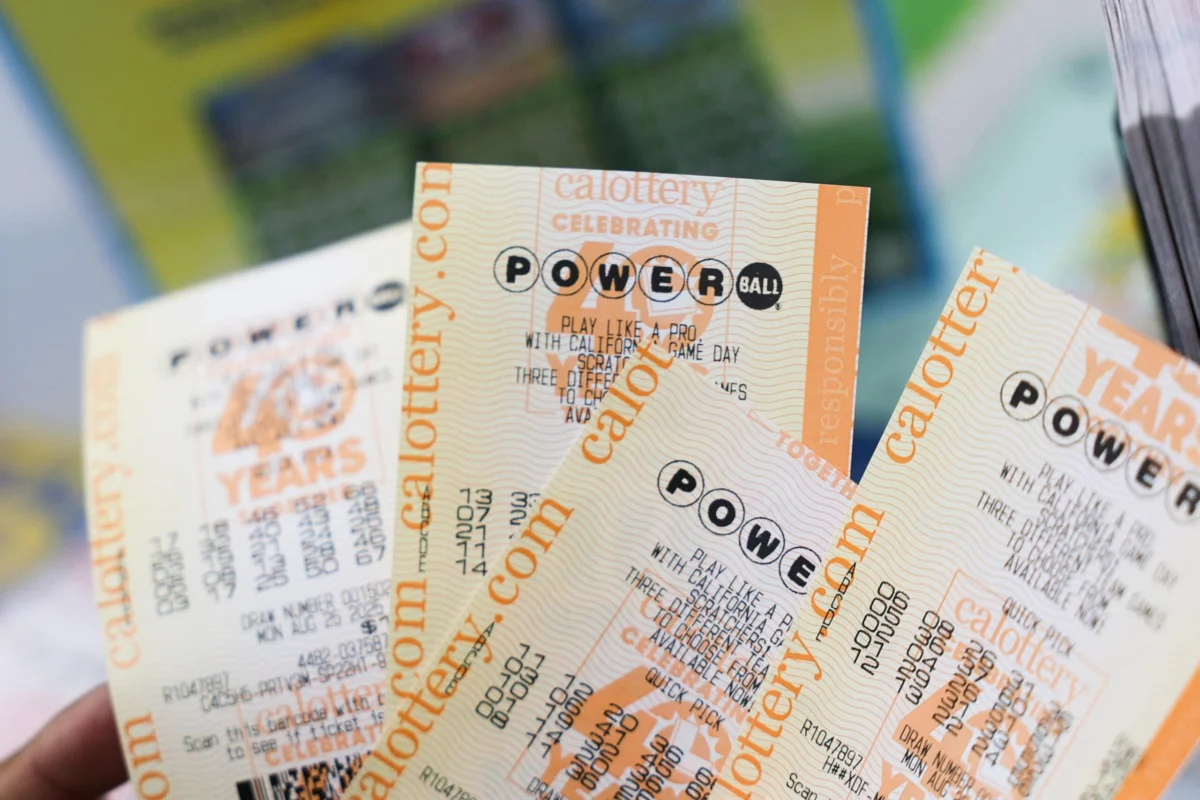
The iconic American Powerball lottery has officially embarked on a significant international expansion, welcoming players from the United Kingdom for the first time in its history. This landmark move, which saw ticket sales commence earlier this week, marks a pivotal moment for the multi-state game, promising to accelerate jackpot growth and introduce a new dimension to one of the world’s most lucrative lotteries. The first drawing to include tickets purchased by UK residents is scheduled for Wednesday night, an event eagerly anticipated on both sides of the Atlantic.
Key Expansion Details and Impact on Jackpots
Powerball officially opened ticket sales to United Kingdom residents on July 21st, making Wednesday night’s drawing the inaugural event where non-U.S. lottery players can actively participate in chasing the massive jackpot. This expansion is not merely a symbolic gesture; it carries tangible financial implications for the game. Rebecca Paul, president and CEO of the Tennessee Lottery, highlighted the direct correlation between increased participation and prize fund accumulation. "The more players buying tickets means faster-growing jackpots," Paul stated earlier this month, underscoring that every ticket sold directly contributes to the ever-increasing prize pool. Crucially, Powerball has confirmed that each ticket sold in the United Kingdom will contribute the exact same amount to the grand prize as a ticket sold within the United States, ensuring equitable contributions to the overall jackpot.
The mechanics of the game itself, including the odds of winning, will remain universally consistent for all participants, regardless of their geographical location. Players, whether in the U.S. or the U.K., will continue to select five numbers from a pool of one to 69, alongside one red Powerball number chosen from a range of one to 26. This standardization ensures that the fundamental challenge and thrill of the game are preserved for everyone.
A Surprising Divergence: Payout Options for UK vs. US Winners
While the odds and ticket contributions are identical, a significant difference emerges in how potential winners receive their prizes, particularly for the grand jackpot. Lucky players in the United Kingdom who manage to hit the jackpot will not have the option to select a lump-sum cash payment, a choice commonly available to their American counterparts. Instead, UK-based winners will exclusively receive their prize through annual payments spread over a period of 30 years. These payments will be administered by the U.K. National Lottery, suggesting a structured partnership or regulatory framework governing the distribution of winnings to British residents.
In contrast, American winners are presented with a dual choice: they can either opt for a single, immediate lump-sum payment or elect to receive annual payments over 30 years, with these annual disbursements increasing by 5% each year. Historically, the lump-sum cash payment has been the overwhelmingly preferred option among U.S. Powerball winners, despite the annuity option often yielding a higher total payout over the three decades. This preference for immediate liquidity highlights differing financial strategies and perhaps a desire for upfront control over vast sums of money. For UK winners, the absence of this choice means a mandated long-term financial plan, potentially influenced by regulatory standards or the structure of their national lottery system. This annuity-only model for UK players introduces a unique element to their participation, potentially shaping how they perceive and plan for a life-changing win.
The Current Jackpot: A Glimpse into the Stakes
The stakes for Wednesday night’s drawing are substantial, with the estimated Powerball jackpot soaring to an impressive $567 million. This considerable sum follows a rollover from Monday’s drawing, where no tickets matched all the winning numbers, allowing the prize to grow further.
For a hypothetical winner, the choice of payout method significantly impacts the final take-home amount, particularly for U.S. players. If a winner opts for the annuity option, they would receive the full estimated $567 million over the course of 30 years. However, if an American winner chooses the more popular lump-sum cash payment, the immediate payout would be an estimated $251.8 million before any taxes are applied. The tax implications are substantial in the United States; after federal taxes, and potentially state taxes depending on the winner’s residency, the final take-home amount could be reduced to approximately $158.6 million. This stark difference underscores the complex financial decisions faced by jackpot winners and highlights the significant role that tax obligations play in the ultimate value of their prize. For UK winners, while the annuity structure is fixed, the tax landscape for lottery winnings in the UK generally differs, with winnings typically being tax-free, though this specific detail about Powerball winnings for UK residents would be governed by the precise agreement between Powerball and the UK National Lottery.
Understanding the Odds: A Mountain to Climb
Winning the Powerball jackpot is, by any measure, an extraordinarily rare feat. The odds of matching all five white balls and the red Powerball number are a minuscule one in 292.2 million. These astronomical odds remain consistent for both American and British players, ensuring a level playing field in the pursuit of the grand prize. To put this into perspective, the probability is akin to finding a specific grain of sand on a vast beach.
While the jackpot odds are daunting, the probability of winning any prize in Powerball is significantly more favorable, standing at one in 24.9. This includes smaller prize tiers for matching fewer numbers, offering players more frequent, albeit smaller, rewards and maintaining engagement with the game. These smaller wins, though not life-altering, contribute to the overall excitement and appeal of Powerball.
A New Era of Global Lottery Play
Powerball’s expansion into the United Kingdom signifies a new era for the lottery, transforming it from a purely American phenomenon into an increasingly global one. The introduction of UK players is expected to inject fresh capital into the prize fund, potentially leading to even more frequent and larger jackpots, which in turn could attract even more players worldwide. This global reach not only enhances Powerball’s brand but also offers international lottery enthusiasts access to the kind of mega-jackpots traditionally associated with the American lottery landscape.
As Wednesday night’s drawing approaches, the excitement is palpable. For the first time, hopeful individuals across the United Kingdom will join millions of Americans in clutching their tickets, dreaming of defying those astronomical odds and claiming a life-changing fortune. The differing payout structures serve as a reminder of the distinct regulatory and financial environments across borders, but the universal allure of a massive jackpot remains a powerful unifying force in the world of lotteries. This move by Powerball could well pave the way for further international expansion, redefining what it means to be a global lottery player in the years to come.