 11
11
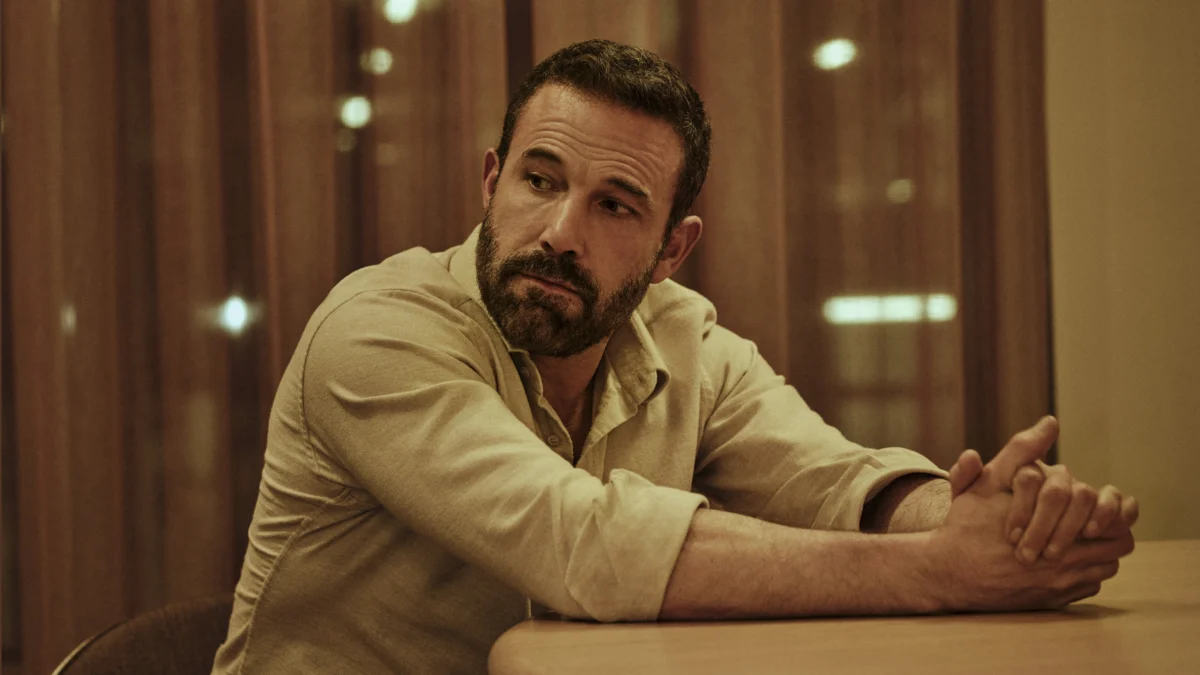
In a significant move underscoring the entertainment industry’s accelerating embrace of artificial intelligence, streaming giant Netflix has officially confirmed the financial details of its acquisition of InterPositive, an AI-powered filmmaking startup co-founded by acclaimed actor and director Ben Affleck. A new regulatory filing by Netflix revealed that the company paid a substantial $587 million in cash for InterPositive, a figure that solidifies the transaction as one of the most prominent AI-related acquisitions in Hollywood to date. This disclosure comes months after the initial announcement, providing concrete financial transparency to a deal previously estimated at a slightly higher, yet still substantial, valuation.
The confirmation of the $587 million cash payment was made public through a regulatory filing submitted by Netflix, accessible via the U.S. Securities and Exchange Commission (SEC) archives. This type of filing, often a 10-Q quarterly report or a similar disclosure, provides detailed financial information that publicly traded companies are legally obligated to report. The precise nature of this disclosure offers a definitive end to earlier estimations and speculation regarding the transaction’s value, firmly establishing the considerable investment Netflix has made in AI-driven content creation tools. Prior to this official confirmation, reports from outlets like Bloomberg had suggested the deal could be worth up to $600 million, making the confirmed figure a slightly lower, but still remarkably close, valuation within the expected range.
Netflix initially announced its intent to acquire InterPositive back in March, though at the time, the financial terms of the agreement were not disclosed. The initial announcement garnered considerable attention due to Ben Affleck’s direct involvement as a co-founder of InterPositive. Following the acquisition, Affleck transitioned into a senior advisor role at Netflix, indicating a continued strategic involvement with the streaming giant’s integration of AI technologies. In a statement released during the acquisition announcement, Affleck articulated his vision for InterPositive’s technology, emphasizing his desire to "protect the power of human creativity." This statement resonated within an industry grappling with the dual promise and potential perils of AI, positioning InterPositive’s tools as enhancers rather than replacements for human artistic endeavors.
InterPositive’s core offering revolves around advanced AI tools designed to assist filmmakers in the post-production phase of content creation. Affleck elaborated on the practical applications of these tools, explaining that they help mitigate "real-world production challenges." These challenges often include common issues that can plague film sets and post-production workflows, such as "missing shots, background replacements or incorrect lighting." The promise of InterPositive’s technology lies in its ability to address these deficiencies efficiently and effectively, potentially saving significant time and resources while maintaining or even elevating the creative quality of the final product.
To delve deeper into InterPositive’s technological capabilities, one can infer that their AI tools likely leverage sophisticated machine learning, computer vision, and potentially generative AI models. For instance, addressing "missing shots" could involve AI reconstructing absent frames or even generating entirely new footage based on surrounding context and style parameters. "Background replacements" would suggest advanced segmentation and in-painting capabilities, allowing for seamless alteration or removal of backgrounds without extensive manual rotoscoping. Correcting "incorrect lighting" could involve AI models that analyze existing lighting conditions and intelligently re-light scenes to achieve desired aesthetic or continuity standards, a process that traditionally requires meticulous manual color grading and visual effects work. By automating or significantly streamlining these complex tasks, InterPositive’s technology aims to empower filmmakers to overcome unforeseen production hurdles without compromising their artistic vision or budgetary constraints.
The integration of InterPositive extends beyond just its technology. Netflix also announced that the entire InterPositive team would be joining the company, signifying a full absorption of the startup’s talent and expertise. This strategic move ensures that the institutional knowledge, technical prowess, and development pipeline associated with InterPositive’s innovative AI tools remain intact and can be directly leveraged within Netflix’s vast content production ecosystem. The retention of the full team, alongside Ben Affleck’s advisory role, underscores Netflix’s commitment to not only acquiring the technology but also securing the human capital necessary to drive its future development and widespread implementation.
This acquisition is not an isolated incident but rather a clear indicator of Netflix’s broader, strategic commitment to integrating artificial intelligence across its content creation and delivery pipeline. In its most recent earnings report, the streaming giant disclosed a compelling statistic: approximately 300 of its titles have already utilized generative AI this year. This revelation highlights the pervasive and growing influence of AI within Netflix’s operations, extending far beyond the specific capabilities offered by InterPositive. The application of generative AI could encompass a wide range of functions, from assisting with script development and storyboarding to creating visual effects, generating localized content (e.g., dubbing with AI-generated voices), optimizing promotional materials, and even personalizing content recommendations more effectively for its vast global subscriber base.
The use of AI in 300 Netflix programs suggests a multi-faceted approach. This could include AI-powered tools for pre-visualization, helping directors and cinematographers plan complex shots more efficiently. In post-production, beyond InterPositive’s specific offerings, generative AI might be employed for tasks like de-aging actors, creating realistic digital doubles, generating crowd scenes, or even synthesizing entire environments. The efficiency gains from such applications are immense, potentially leading to faster production cycles, reduced costs, and the ability to achieve visual feats that were previously cost-prohibitive or technically challenging. For a company that relies on a constant stream of high-quality original content to attract and retain subscribers, these efficiencies and creative enhancements are invaluable.
The acquisition of InterPositive and Netflix’s widespread adoption of generative AI also reflect a significant trend within the broader entertainment industry. As AI technologies mature, studios and production companies are increasingly exploring ways to harness them to streamline workflows, enhance creative output, and manage costs. However, this shift is not without its complexities and debates. Concerns surrounding job displacement, ethical considerations regarding AI-generated content, and intellectual property rights have become prominent topics of discussion and negotiation within Hollywood, particularly highlighted during recent labor disputes. Ben Affleck’s statement about "protecting the power of human creativity" can be seen as an acknowledgment of these concerns, positioning InterPositive’s tools as facilitators for human artists rather than replacements.
Ultimately, Netflix’s $587 million investment in InterPositive signifies more than just a single acquisition; it represents a tangible commitment to shaping the future of filmmaking through advanced technology. By integrating InterPositive’s specialized AI tools and talent, and building upon its already extensive use of generative AI across hundreds of titles, Netflix is positioning itself at the forefront of technological innovation in the media landscape. This strategic direction aims to enhance the quality, efficiency, and creative possibilities of its content production, ensuring that the streaming giant remains a dominant force in an increasingly competitive and technologically evolving industry. The impact of such a substantial investment is likely to reverberate throughout Hollywood, influencing how films and series are conceived, produced, and delivered for years to come.