 11
11
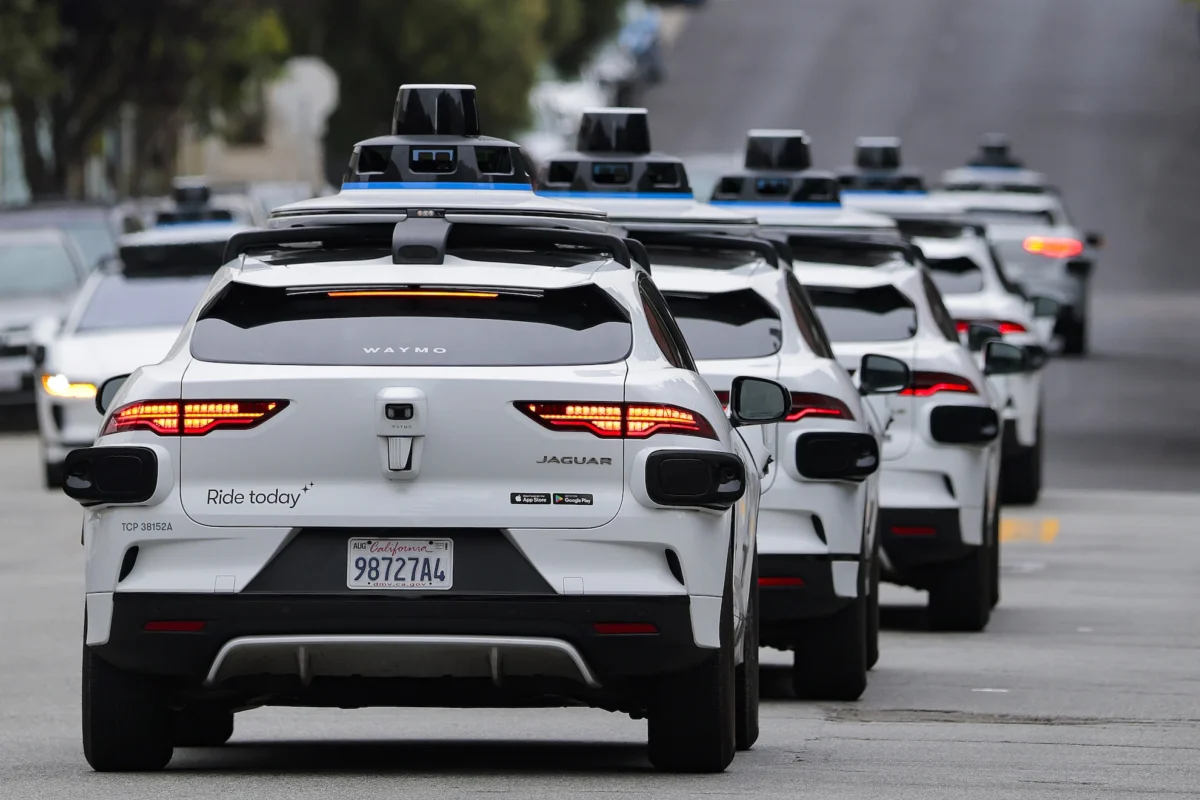
San Francisco’s autonomous vehicle landscape experienced a temporary disruption today as Waymo, the self-driving technology company owned by Alphabet, announced the resumption of its robotaxi service following a significant power outage. The incident, which reportedly impacted approximately 7,000 Pacific Gas and Electric Company (PG&E) customers across the city, prompted Waymo to implement "temporary adjustments" to its operations, including a full pause of service and the unavailability of freeway routes for a period.
The outage, which struck San Francisco on the afternoon of July 18, 2026, at approximately 12:30 PM PDT, quickly led to widespread local issues, from darkened traffic signals to non-functional communication networks in affected areas. For a technology as reliant on real-time data, consistent infrastructure, and robust connectivity as autonomous vehicles, such an event presents immediate operational challenges.
Initially, Waymo customers in San Francisco received notifications indicating a "temporarily paused" service, with an explicit advisory that "freeway routes are unavailable." This immediate communication underscored the company’s cautious approach to operating its fleet amidst unpredictable conditions. When contacted for comment, a Waymo spokesperson confirmed the situation, stating, "We are making temporary adjustments to our service while we monitor local conditions. We know riders depend on us, and we will return to normal operations as soon as possible."
Following the initial reports and the publication of this article, Waymo provided further clarification on its decision-making process. A spokesperson elaborated that the company "decided to pause service for approximately one hour to assess the scale of the power outage affecting a large portion of San Francisco and coordinate with local officials." This proactive measure highlights the intricate balance autonomous vehicle operators must maintain between service provision and ensuring the absolute safety of passengers, other road users, and the integrity of their sophisticated systems. The rapid assessment and coordination with city authorities are crucial steps in managing such an urban disruption effectively.
The decision to pause operations during a power outage is not without precedent for Waymo, nor is it an isolated incident for autonomous vehicle services operating in dynamic urban environments. The inherent complexities of navigating real-world scenarios, particularly those involving infrastructure failures, have tested the resilience of self-driving technology on multiple occasions.
Just last December, Waymo’s service in San Francisco faced a similar challenge when a blackout led to a number of its robotaxis stalling on city streets. These vehicles, designed to prioritize safety by ceasing movement when faced with uncertain or compromised operating conditions, inadvertently created obstacles for human drivers and potentially emergency services. The incident brought to light the logistical difficulties involved in remotely diagnosing and clearing stalled autonomous vehicles, especially in areas with limited or no power.

Another notable incident occurred during a Fourth of July fireworks celebration. A similar operational disruption, linked to the unique conditions of a large public event coupled with potential localized network strain or other environmental factors, resulted in Waymo vehicles contributing to traffic paralysis. Such events, while seemingly minor in isolation, underscore a critical concern: how autonomous systems react to and recover from unexpected, large-scale, or chaotic situations that differ significantly from their pre-programmed parameters or training data. The potential for these vehicles to become part of the problem rather than a solution during emergencies has become a key point of public and regulatory scrutiny.
These recurring challenges have not gone unnoticed by local authorities. San Francisco Mayor Daniel Lurie has been a vocal proponent for more robust oversight of autonomous vehicle operations. Following the Fourth of July traffic fiasco and other incidents, Mayor Lurie publicly called for tougher state regulations. His primary concern centers on ensuring that autonomous vehicles can "adequately address how autonomous vehicles operate during major incidents, planned or not."
The mayor’s push for increased regulation reflects a growing sentiment among urban planners and emergency responders who believe the current frameworks may not fully account for the unique operational characteristics of self-driving cars, particularly during crises. Specific areas for potential regulation could include:
The debate around autonomous vehicle regulation in San Francisco, and indeed across California, highlights a broader tension between fostering technological innovation and safeguarding public safety and urban functionality. While autonomous vehicles promise increased safety, efficiency, and accessibility in transportation, their deployment also introduces new variables into complex urban ecosystems. The "edge cases" – those rare, unpredictable events that fall outside typical operating parameters – are proving to be the most challenging for both the technology and the regulatory bodies tasked with overseeing it.
Waymo, as a leader in the autonomous driving space, is at the forefront of these challenges. Its response to today’s power outage, including the temporary pause and subsequent resumption of service, demonstrates an evolving understanding of how to manage operations in a dynamic urban environment. The company’s commitment to assessing conditions and coordinating with local officials is a positive step, but the recurring nature of these incidents underscores the ongoing need for robust, resilient systems that can anticipate and gracefully handle a wide array of unforeseen circumstances.
As San Francisco continues to serve as a critical proving ground for autonomous technology, the experiences gleaned from incidents like today’s power outage will undoubtedly shape future development, operational protocols, and the regulatory landscape for self-driving vehicles, not just in the Bay Area but globally. The focus remains on building trust, ensuring safety, and integrating these advanced transportation solutions seamlessly into the fabric of urban life, even when the power goes out.