 11
11
The content industry has been disrupted by artificial intelligence, with many promising to automate content creation entirely. However, this has led to a perception of AI-generated content as low-effort and mass-produced. Ahrefs aims to reset this conversation by sharing practical, human-centric approaches to using AI as a creative partner, rather than a replacement for human thought. The company emphasizes that AI can enable content creation that was previously too difficult, expensive, or impossible, ultimately making the creative process more enjoyable.
1. Vibewriting: Steering Drafts with Intuition and Iteration
Vibewriting involves guiding AI with natural language prompts and iterative feedback, rather than striving for a perfect initial output. This method allows users to steer a draft towards a desired outcome by treating AI-generated text as a starting point for editing. Users can prompt the AI to refine tone, expand sections, or rewrite paragraphs, progressively shaping the content until it aligns with their vision.
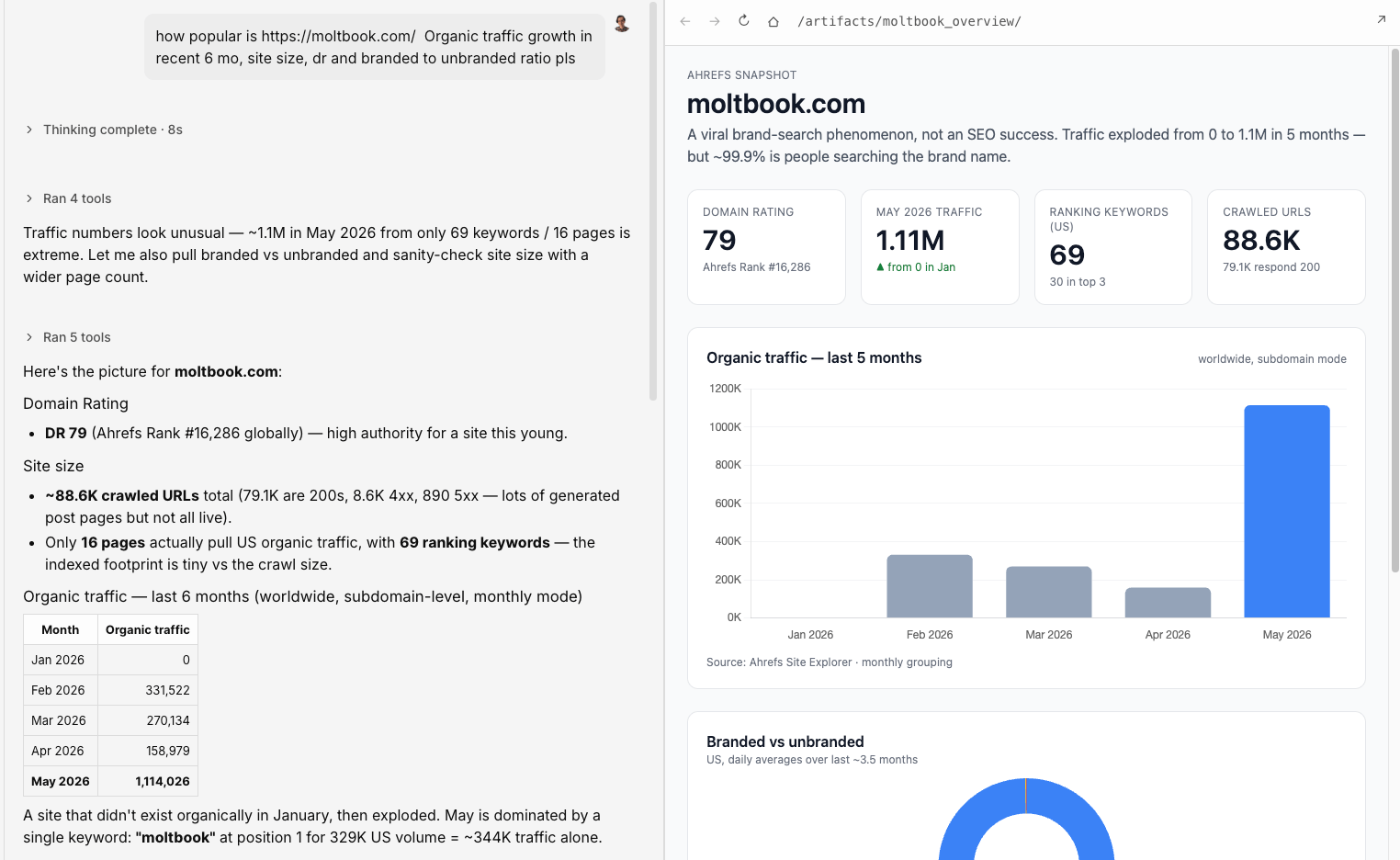
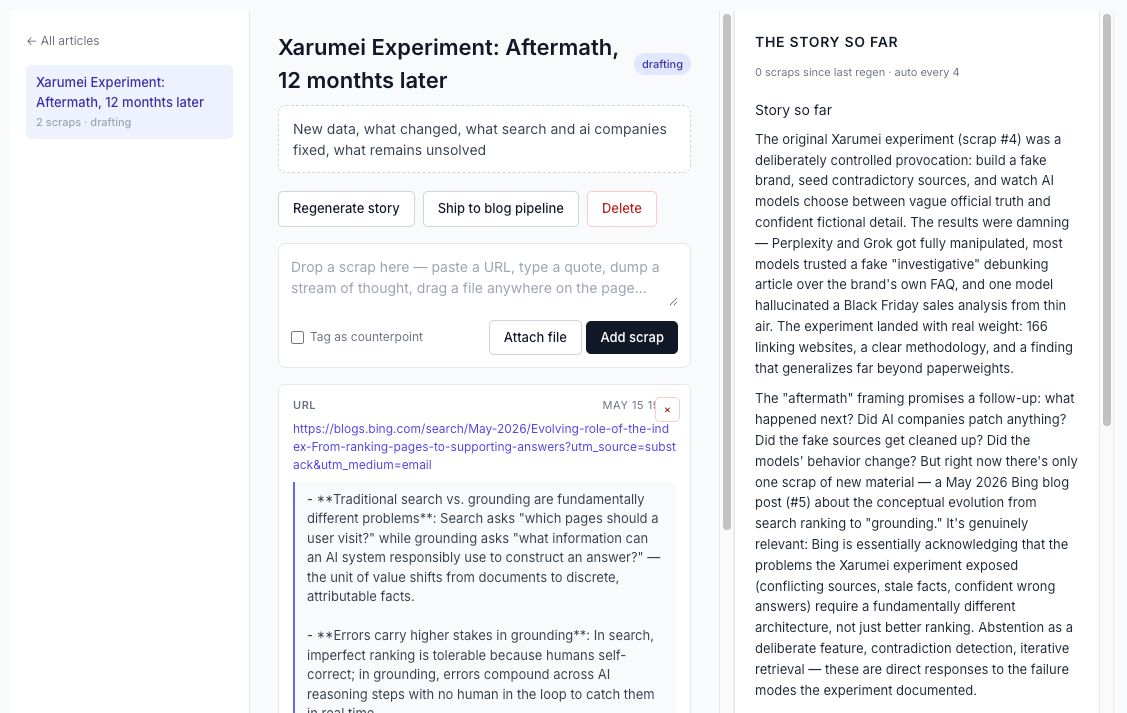
An example of this technique is the article "Agent-To-Agent Marketing Was Just Born on Moltbook," where the author used Letaido, an AI marketing platform by Ahrefs, to synthesize data, manual research notes, and a pre-existing story arc into an article. The Director of Content Marketing at Ahrefs, Ryan Law, described this process as "the most fun I’ve had writing for Ahrefs in ages." Vibewriting is also applicable to other content formats, such as presentation decks.
2. The "Living Draft" Method: Cultivating Ideas Over Time
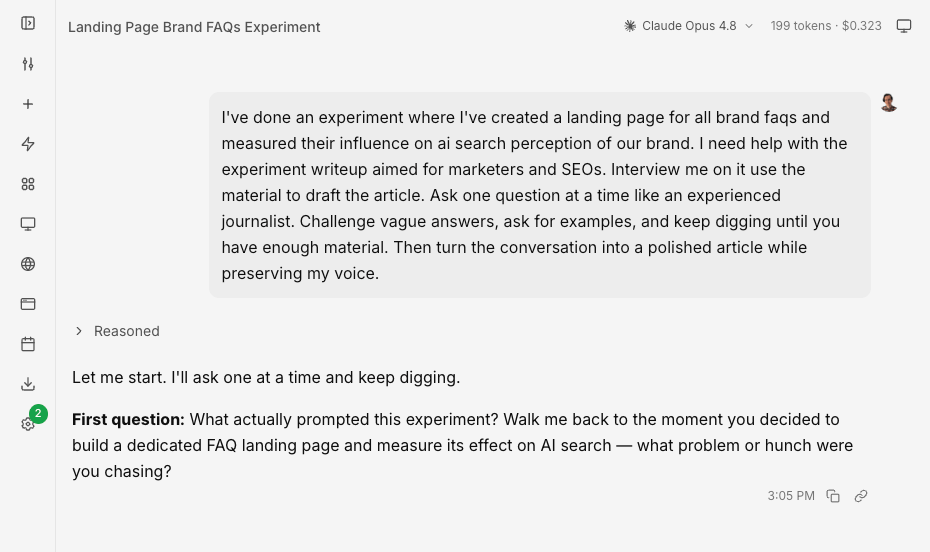
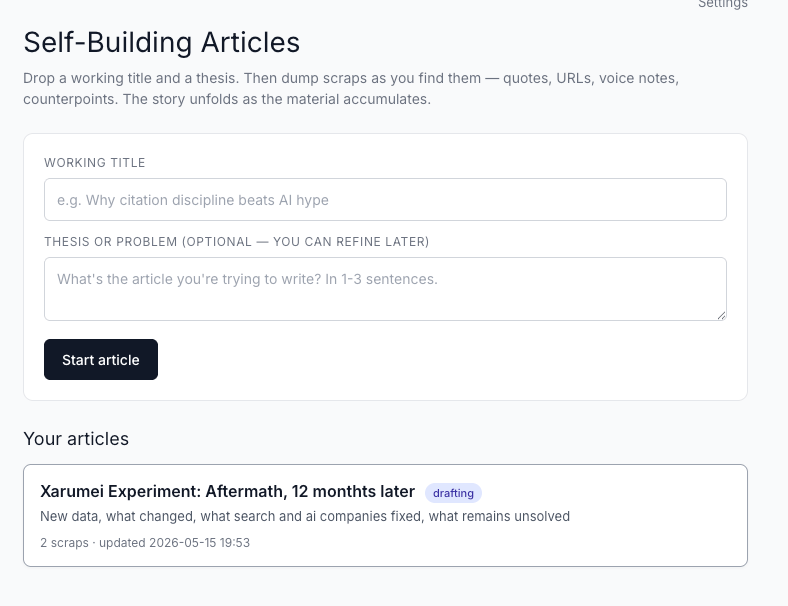
The Living Draft method involves maintaining an open draft where all nascent ideas, links, and thoughts related to a topic are continuously added. AI then integrates this material, allowing the piece to develop organically without forcing an early structure. This approach differs from vibewriting in that the final destination of the content is not predetermined but emerges through the ongoing feeding of information. This method has inspired the development of custom applications, such as one built with Letaido to document developments in AI perception optimization.
3. AI-Assisted Interviews: Unlocking Expertise Through Dialogue
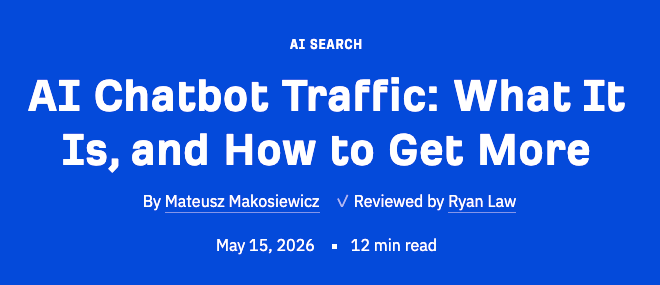
For topics where the author possesses deep knowledge, AI can act as an interviewer to help translate that expertise into clear and engaging content. By asking thoughtful questions, the AI helps the writer overcome the "curse of knowledge," exposing gaps in explanations and encouraging clearer articulation. This method was used to write an SEO experiment on whether structured FAQs could improve AI assistant information retrieval for Ahrefs.

4. Repurposing Existing Knowledge Bases into New Articles
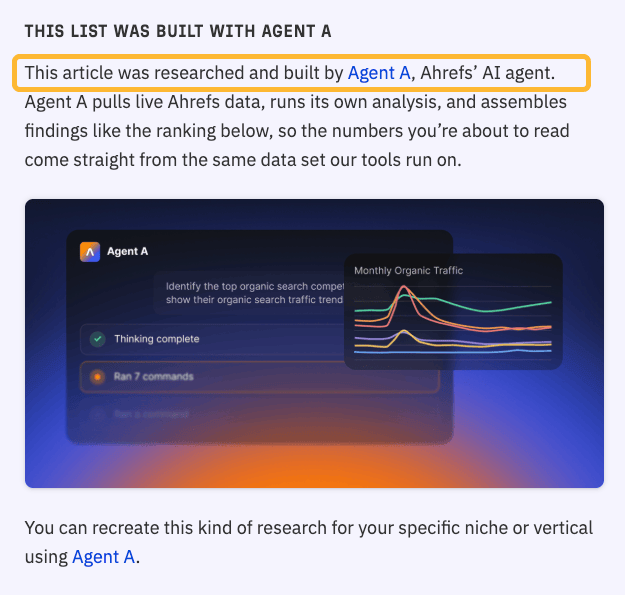
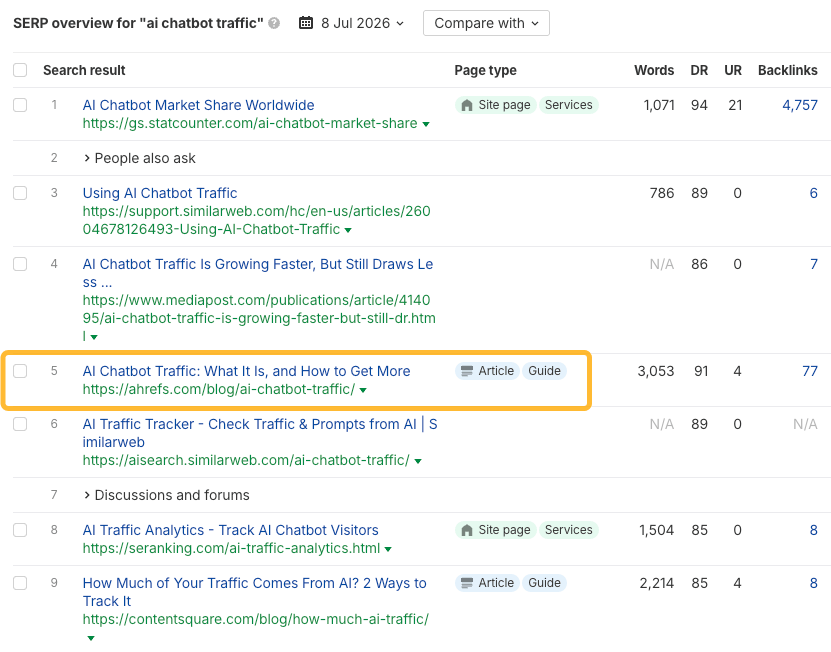
Many questions encountered in content creation do not require entirely new answers but rather a recontextualization of existing knowledge. AI can efficiently sift through a company’s knowledge base, identify relevant passages, eliminate redundancy, and assemble a coherent draft grounded in established information. For example, a significant portion of an article on AI chatbot traffic was compiled from dozens of existing blog posts, saving considerable time and effort. This approach relies on a well-maintained "source of truth" repository.
5. Data-Driven Content Revelation
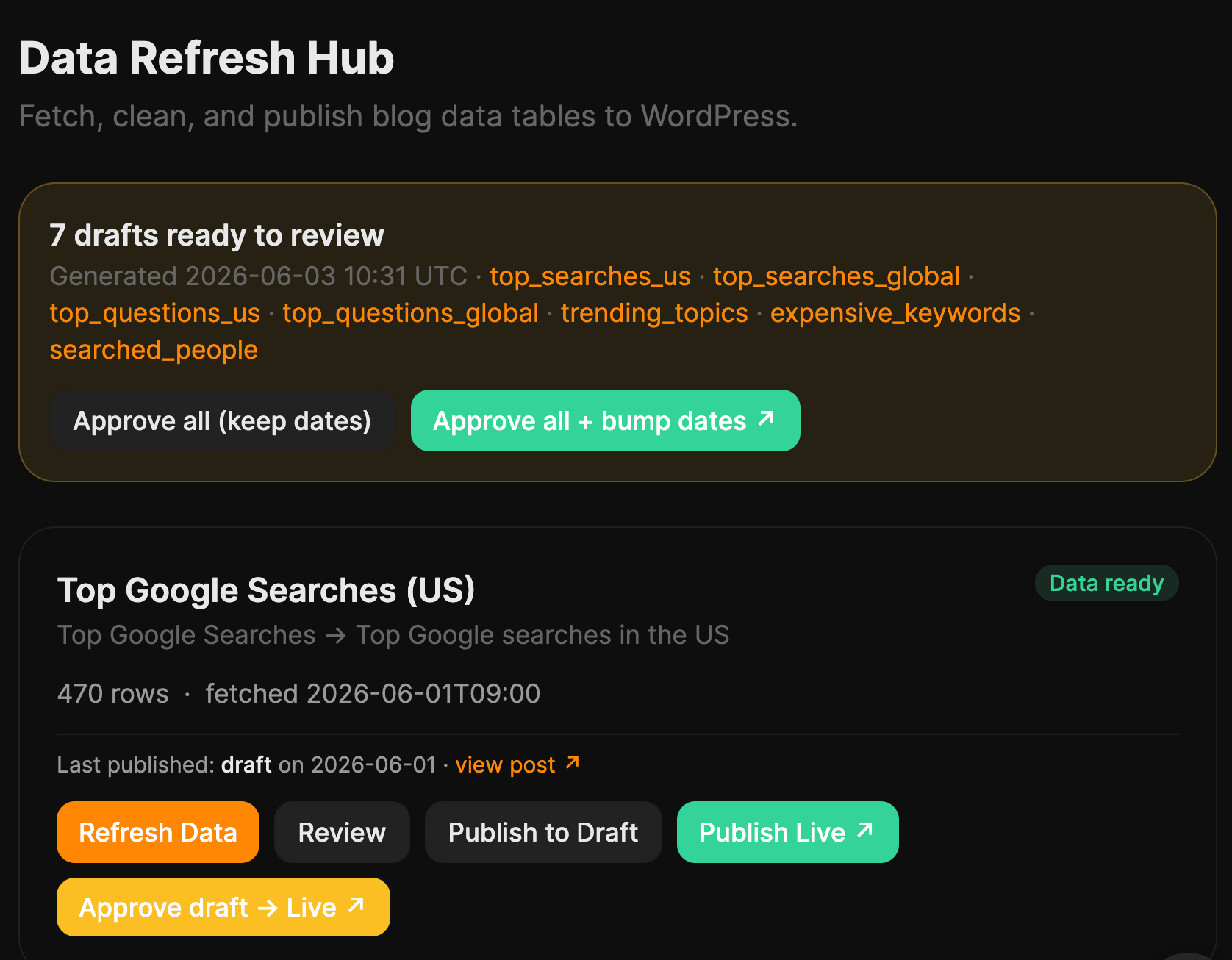
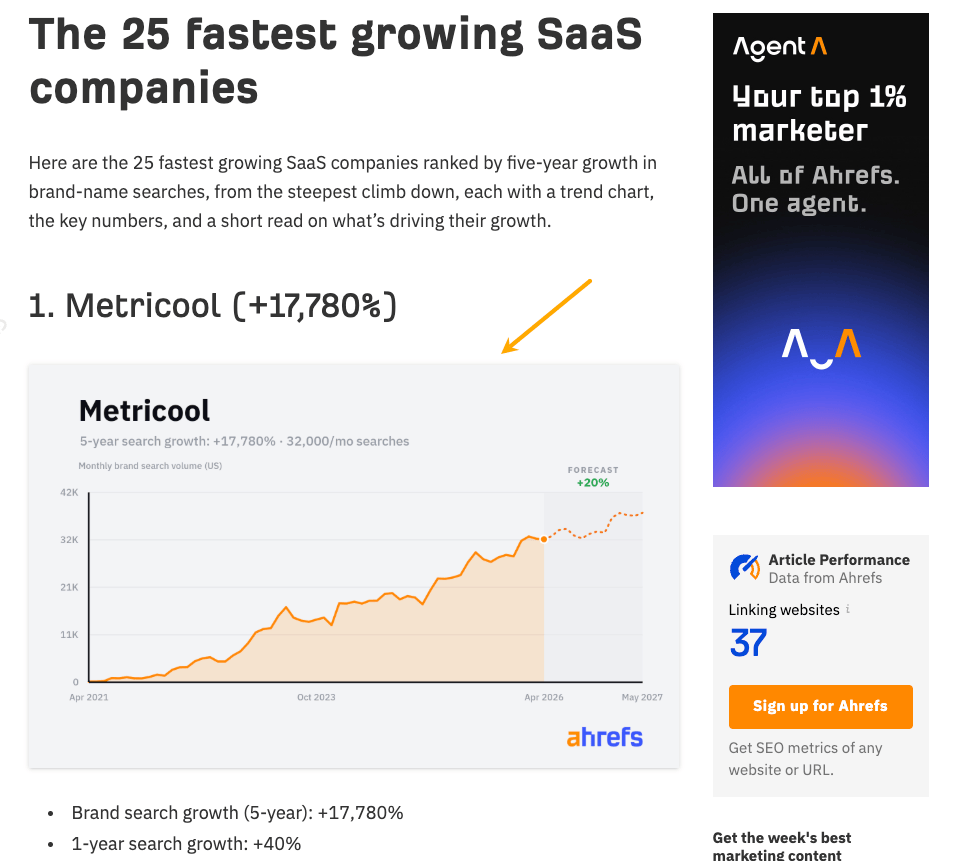
AI can uncover hidden stories within business data, such as product usage, customer behavior, or campaign performance. By feeding data to AI and instructing it to identify patterns, outliers, or correlations, content creators can build articles around emergent insights. Tools like Letaido facilitate this process by connecting to data sources, generating visualizations, and assisting in article writing. Custom applications have also been developed to automate the updating of data-driven articles.
6. Expanding Brainstorming with AI-Generated Angles
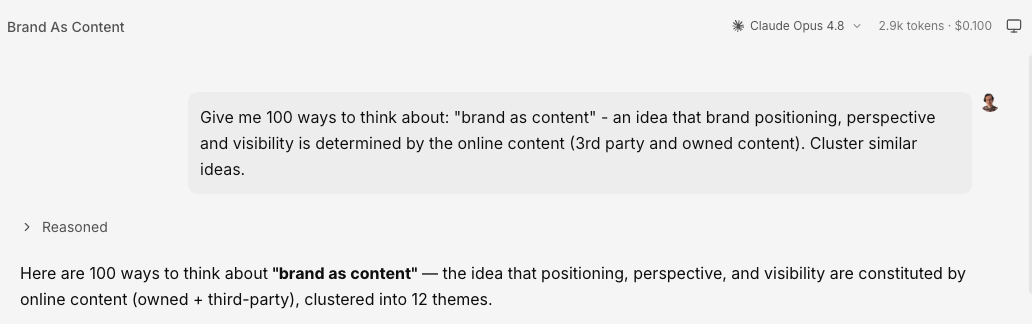
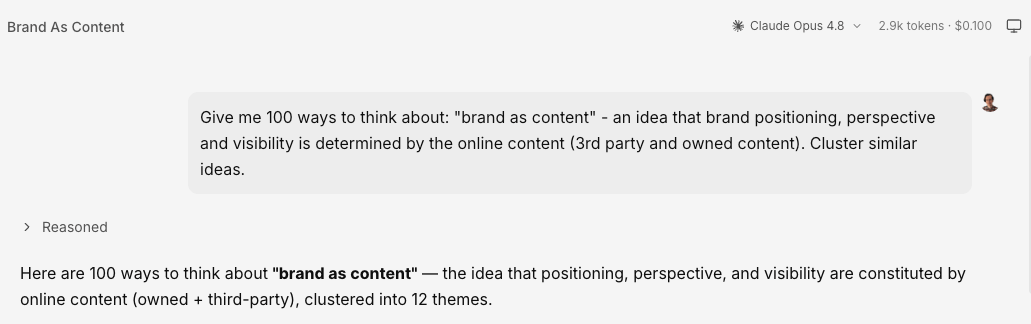
AI can explore a vast array of perspectives on a topic, much like a model that solved a complex geometry problem by considering approaches humans had dismissed. By asking AI for numerous angles (e.g., "100 ways to think about [topic]"), content creators can uncover novel ideas that might otherwise be overlooked. These ideas can then be clustered and expanded upon, augmenting human creativity.

7. Argument Construction with Mental Models

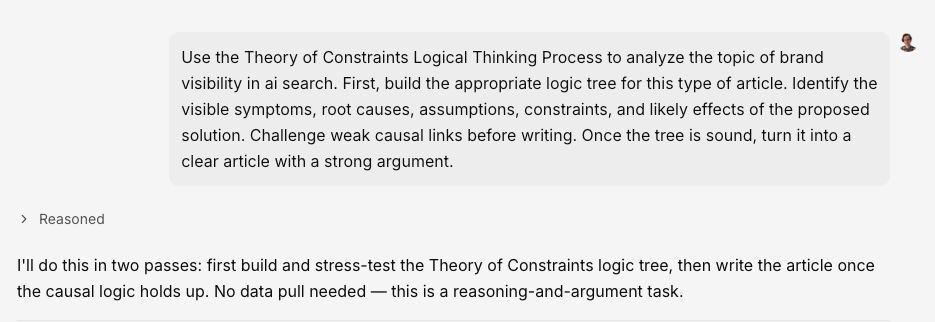
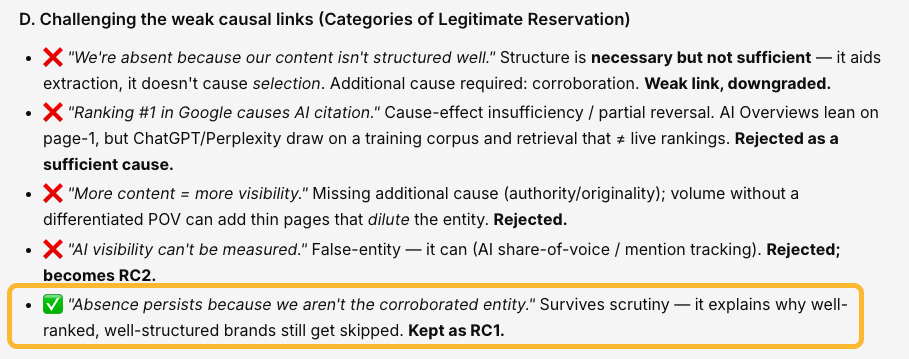
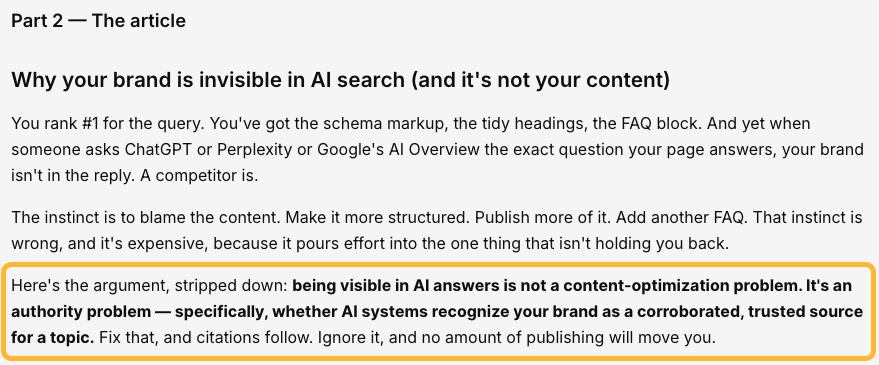
AI’s adaptability allows it to adopt specific thinking frameworks to construct arguments. Providing AI with a proven mental model, such as the Theory of Constraints or first principles, guides its reasoning process, challenges assumptions, and produces more structured and persuasive content. This approach moves beyond simple summarization to detailed analysis and argument building.

8. Gated Pipelines for Repeatable Processes

For content that requires consistency, such as release notes or recurring roundups, a gated pipeline approach is effective. This involves breaking down the content creation process into a series of AI-driven stages, with human approval points at each gate. This prevents errors from compounding and ensures consistent quality across a team.
9. Documenting Based on Real Support Questions
Customer support interactions are a rich source of content ideas. AI can analyze support tickets, chat logs, and sales transcripts at scale, identifying recurring questions, grouping them into themes, and comparing them against existing content to pinpoint documentation gaps. This ensures that new content directly addresses customer needs in their own language.
10. Automated Content Updates for Product Information

AI can significantly streamline the process of keeping product marketing content and documentation current. By monitoring product releases and competitor changes, AI can identify necessary updates and, with CMS access, automatically revise content. This system typically involves a human approval step before final publication, ensuring accuracy and maintaining SEO and user experience standards.
The article concludes by reiterating that AI should be viewed as a tool for enhancement rather than full automation, emphasizing the continued importance of human involvement in the creative process.