 11
11
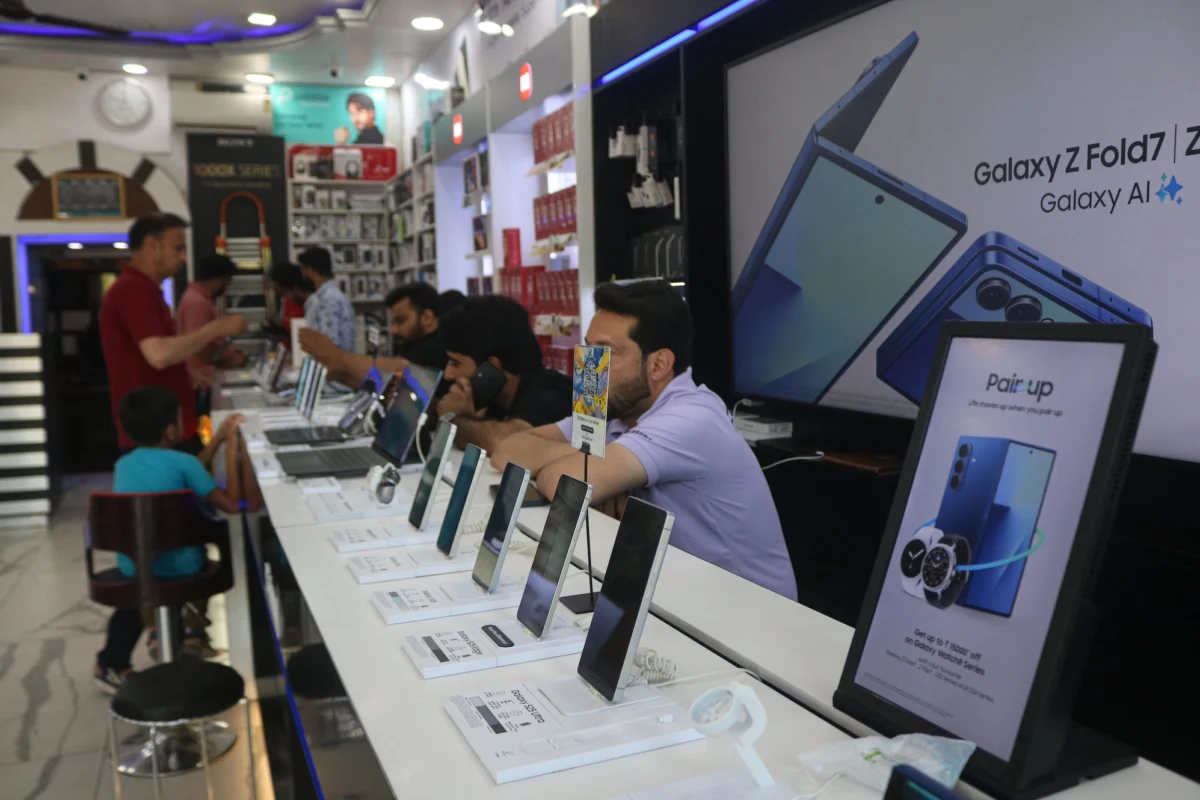
Months after analysts first sounded the alarm about the profound impact of AI-driven demand for memory chips, India is now presenting the clearest evidence that this disruption has fully materialized, leading to escalating handset prices and a significant reshaping of its vast smartphone market. The ripple effect, initially predicted to sweep through consumer electronics, is now a tangible reality, particularly in price-sensitive regions like India.
At the heart of this market upheaval are memory chips – specifically RAM and storage components – which are vital for every smartphone. These are precisely the same components that technology giants are acquiring in unprecedented volumes to construct the massive data centers required to power artificial intelligence applications. Major memory manufacturers, including industry titans like Samsung, SK Hynix, and Micron, have strategically pivoted their production capacities. They are increasingly dedicating resources towards high-bandwidth memory (HBM), a specialized type of chip essential for AI accelerators. This shift is primarily driven by the significantly higher profitability of HBM per wafer compared to the standard memory used in everyday devices such as smartphones and laptops. Consequently, this re-prioritization has resulted in reduced manufacturing capacity for conventional memory, inevitably driving up costs for consumer electronics globally.
India, which stands as the world’s second-largest smartphone market by shipments, trailing only China, has felt the brunt of this shift most acutely. The country experienced a notable 10% year-over-year decline in smartphone shipments during the April-June quarter (Q2), according to comprehensive data from market research firm Counterpoint Research. This marks the steepest June-quarter decline observed in six years, a direct consequence of the higher memory costs translating into elevated handset prices.
The impact in India has been more pronounced when compared to China, where smartphone shipments saw a comparatively modest 2% fall in Q2, as reported by Counterpoint. This disproportionate effect on India is largely attributable to the unique structure of its smartphone market. Approximately 60% of India’s market is concentrated in the sub-₹20,000 (under $210) segment. Within this highly competitive and price-sensitive bracket, even incremental increases in memory costs have a magnified effect on the final retail price, making devices less accessible for a substantial portion of the consumer base. Tarun Pathak, Vice President of Research at Counterpoint Research, highlighted this critical point to TechCrunch, emphasizing how the lower-end segments are particularly vulnerable to these cost pressures.
For several years, India has been a pivotal market for global smartphone brands, attracting significant investment and strategic focus. Home to a staggering population of over 1.4 billion people, with more than 700 million active smartphone users, the South Asian nation has evolved into a crucial bellwether for consumer demand, especially in markets characterized by high price sensitivity. Consequently, any shifts in Indian buying patterns are meticulously observed by device manufacturers, chip suppliers, and investors, who view these trends as key indicators of the broader health and resilience of the global AI supply chain.
While consumers are unlikely to completely abandon smartphones, Pathak anticipates a significant behavioral shift. Many are expected to delay their device upgrades, effectively stretching replacement cycles from an average of 3.5 years to approximately four years. This extended lifecycle for devices will further dampen demand for new units. In contrast, premium brands like Apple and Samsung are generally expected to remain better insulated from this market slowdown, as their customer base tends to be less sensitive to price fluctuations and often prioritizes advanced features and brand loyalty.
The uneven impact of these market dynamics is already visibly reshaping the competitive landscape among smartphone makers in India. Samsung emerged as the sole major smartphone brand to report shipment growth in India during Q2, with its volumes increasing by 2% year-over-year, according to Counterpoint’s findings. Apple, on the other hand, experienced a 3% dip in shipments. However, this decline for Apple was primarily attributed to supply constraints and inventory shortages that limited the number of iPhones the company could deliver to the market, rather than a significant drop in consumer demand due to price sensitivity.
Prachir Singh, a Senior Analyst at Counterpoint Research, further elucidated that consumers in the higher-end smartphone segments have demonstrated less sensitivity to price increases. The availability of diverse financing options, such as equated monthly installments (EMIs) and other credit schemes, has played a crucial role in making more expensive devices more affordable and accessible to this segment, thereby mitigating the impact of rising costs.
Conversely, the pain has been most acute at the lower end of the market. Shipments in the sub-₹15,000 (under $150) segment plummeted by a staggering 45% compared to the previous year, Counterpoint reported. This segment is heavily dominated by Chinese brands, which are deeply exposed to the entry- and mid-tier smartphone categories. As a direct result of these challenging economics, the combined market share of Chinese brands in India fell to its lowest level for a second calendar quarter since 2020, signaling a significant shift in market dominance.
These tougher economic realities are also prompting substantial strategic shifts among smartphone brands. Just this week, Chinese smartphone brand OnePlus announced its decision to cease launching new products in Europe and North America. This move, which followed a thorough assessment of market conditions, highlights the brand’s intent to consolidate its operations and maintain its robust business presence in India. Data shared by Counterpoint with TechCrunch reveals that China accounted for 74% of OnePlus’s global smartphone shipments to distributors and retailers in Q1, a notable increase from 59% a year earlier. Concurrently, India’s share of OnePlus’s global shipments declined from 30% to 19%. This strategic withdrawal by OnePlus from less profitable Western markets, while focusing on its core strengths in Asia, is a pattern likely to be replicated by other budget-focused brands as profit margins continue to tighten across the industry.
Tarun Pathak elaborated on this trend, explaining that maintaining several sub-brands only remains viable if each brand generates sufficient sales volume to offset shared operational costs. This economic equation quickly becomes unworkable when profit margins become as thin as they currently are. "Sub-brands normally have overlaps and shared resources, and you need a minimum base to justify the cut-throat margins. Profitability is the key to deciding market operations," he stated, underscoring the critical importance of financial viability in an increasingly competitive and cost-constrained environment.
Consumers Feel the Squeeze
The intense pressure on smartphone brands is directly trickling down to the consumers purchasing their devices. Kiranjeet Kaur, Associate Research Director for mobile phones research at IDC, observed a fundamental shift in the Indian smartphone market: it is transitioning from a volume-led growth model to a value-led growth model. This means that while fewer phones are being sold overall, each unit generates more revenue. This paradigm shift is largely driven by the increasing uneconomical nature of producing lower-priced smartphones due to the escalating component costs.
The higher component costs are already tangibly filtering through to consumers. According to Pathak, smartphone prices in India have surged by an estimated 4% to a staggering 68%, depending on the specific model and brand. As prices continue their upward trajectory, consumers are increasingly faced with difficult choices: either opt for higher-priced devices, delay their much-needed upgrades, or explore the burgeoning secondhand market as a more affordable alternative.
Financing has, meanwhile, become "central to affordability," as Kaur highlighted to TechCrunch. She noted that brands and retailers are actively building inventory ahead of the crucial festive season in India. This proactive strategy aims to lock in lower component costs before further anticipated increases, thereby attempting to mitigate future price hikes for consumers during a peak buying period.
IDC also projects a double-digit decline in India’s smartphone shipments for Q2, which would represent an even steeper fall than the 4.1% decline observed in the first quarter and the 5.3% drop in the preceding quarter. However, Kaur cautioned that IDC’s estimates for Q2 were not yet finalized.
Looking ahead, Kaur conveyed to TechCrunch that the current memory shortages and elevated smartphone prices are likely to persist until at least the end of 2027. Despite this prolonged period of higher costs, she anticipates that the pace of price increases should gradually moderate as consumers slowly adapt to what will become the "new normal" for smartphone pricing.
For Indian consumers, the situation is compounded by a "double whammy," as Kaur eloquently put it. "The weaker currency makes imports costlier, which has added to margin pressures for the market players, and they are passing on the cost to the consumer," she explained. This combination of global memory chip shortages driven by AI demand and local currency depreciation creates a uniquely challenging economic environment for smartphone affordability in India, fundamentally altering market dynamics and consumer behavior for the foreseeable future.