 11
11
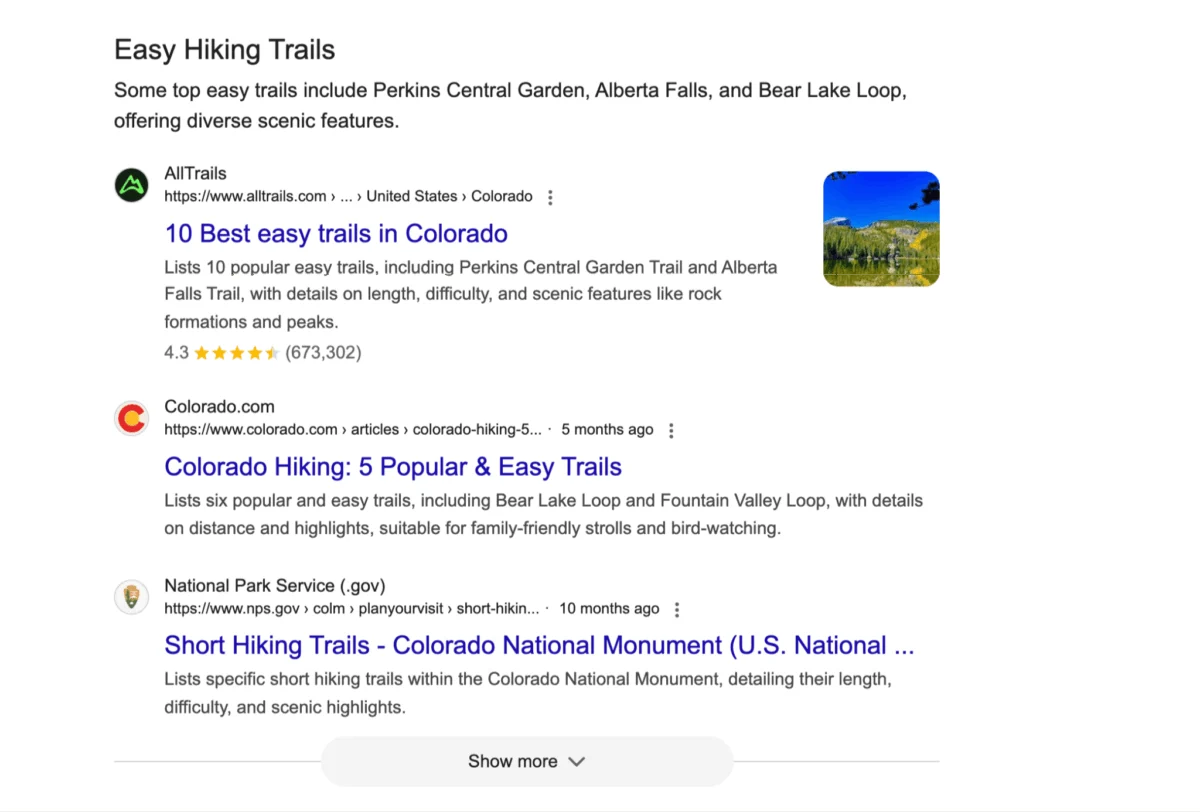
Google has launched a new search feature called Web Guide, an experiment emerging from Google Search Labs, that redefines how users interact with search engine results pages (SERPs). Unlike previous AI integrations like AI Overviews and AI Mode, Web Guide is designed to encourage user clicks by presenting information in a dynamically generated, magazine-style format. This new approach curates AI summaries alongside organic search results, aiming to provide a more user-friendly and potentially beneficial experience for website owners concerned about declining click-through rates.
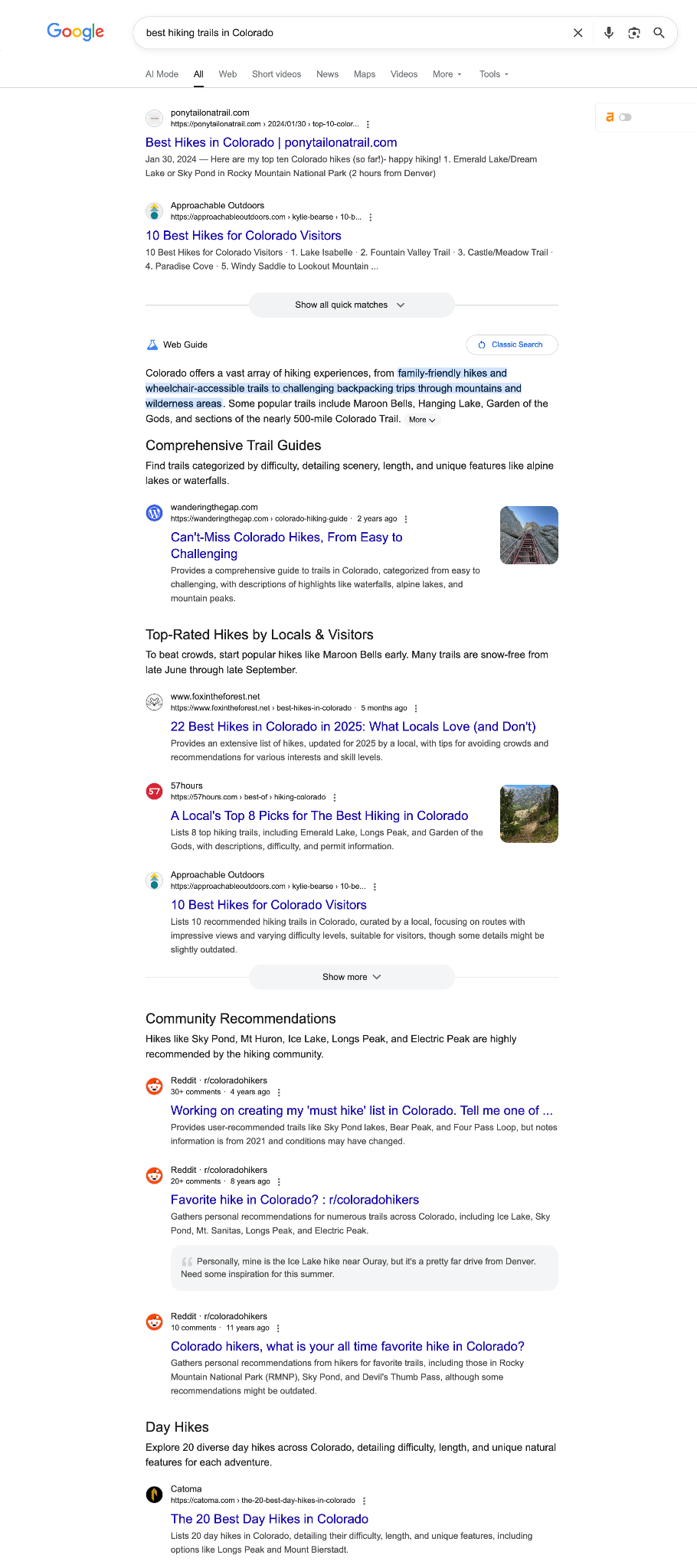
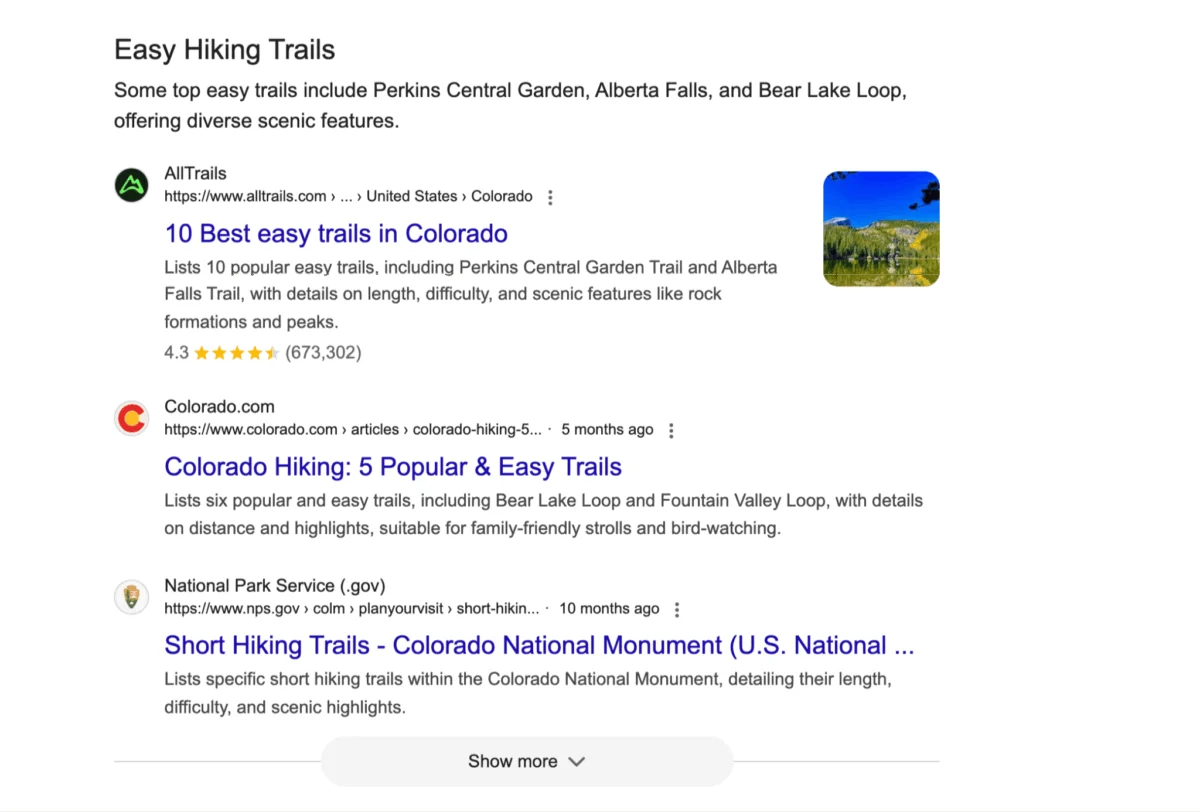
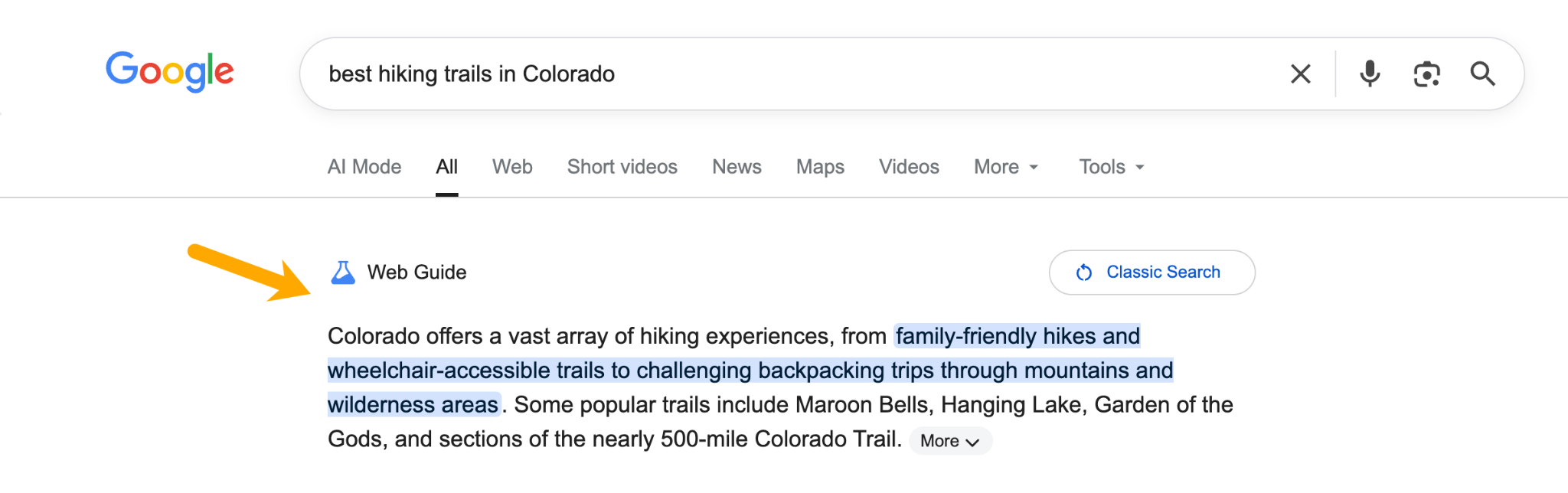
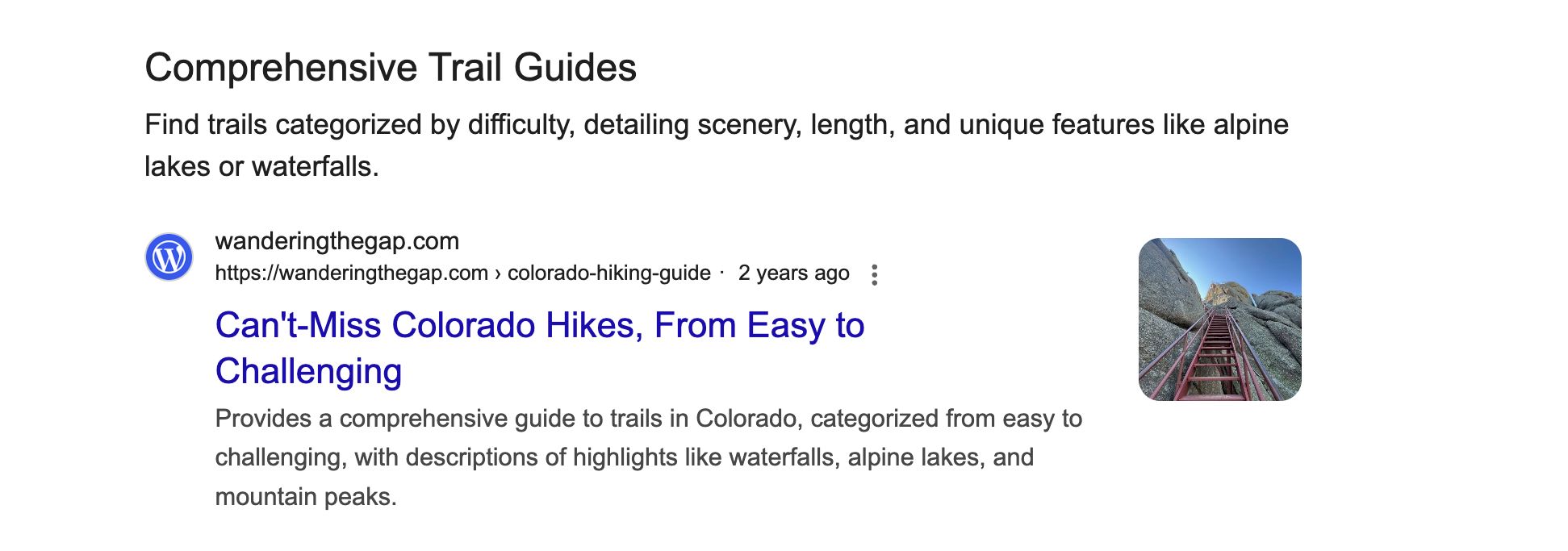
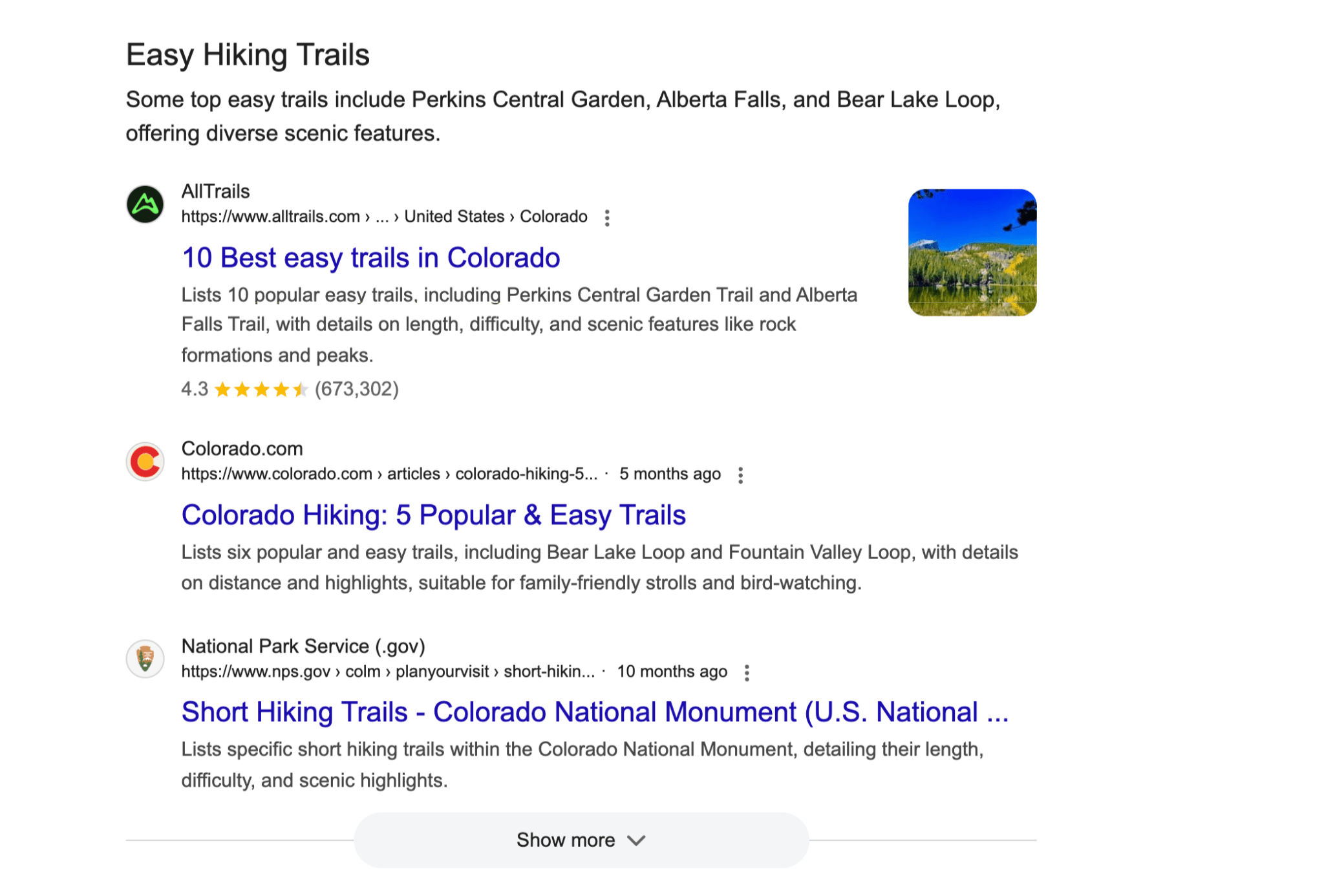
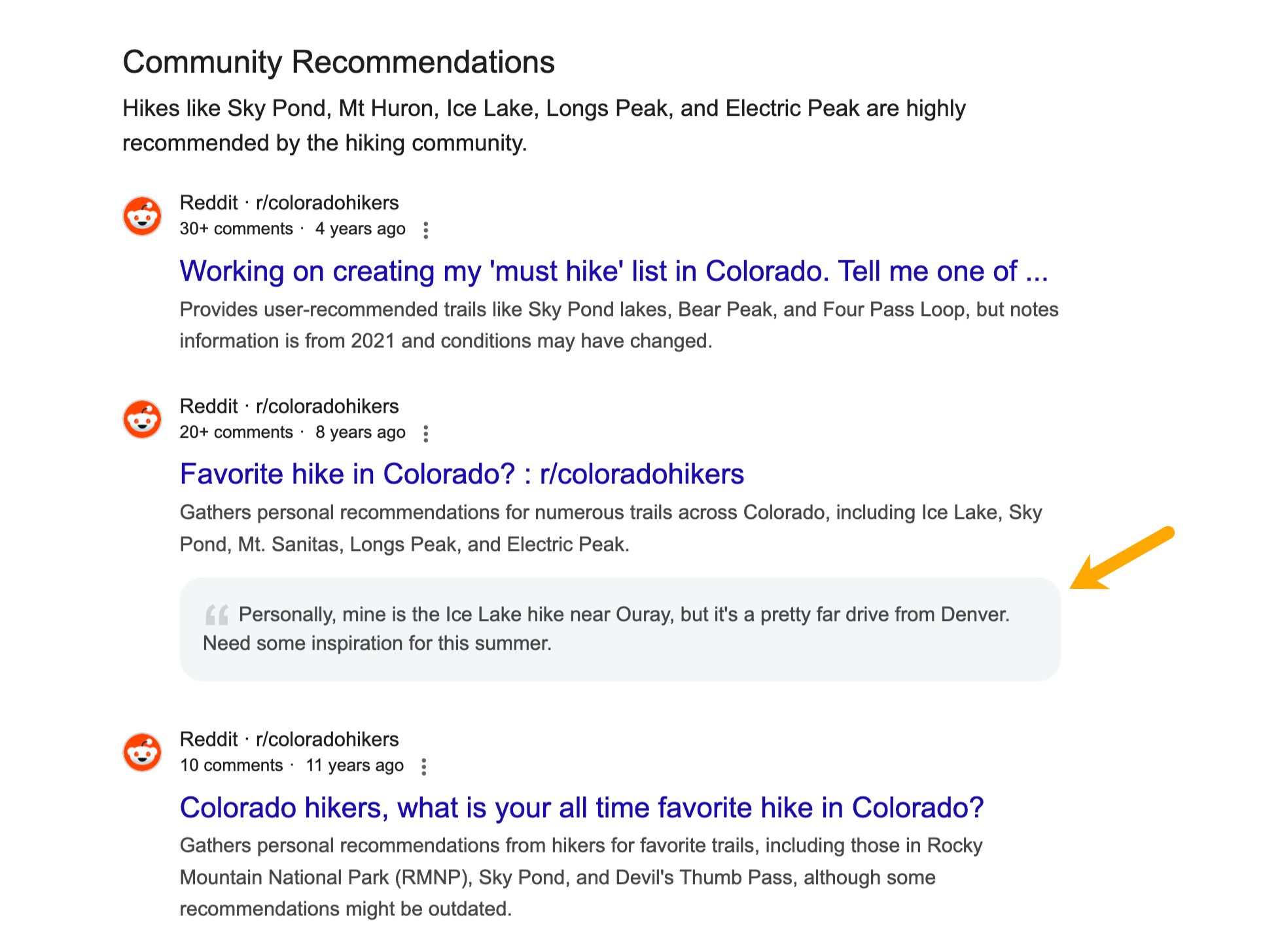
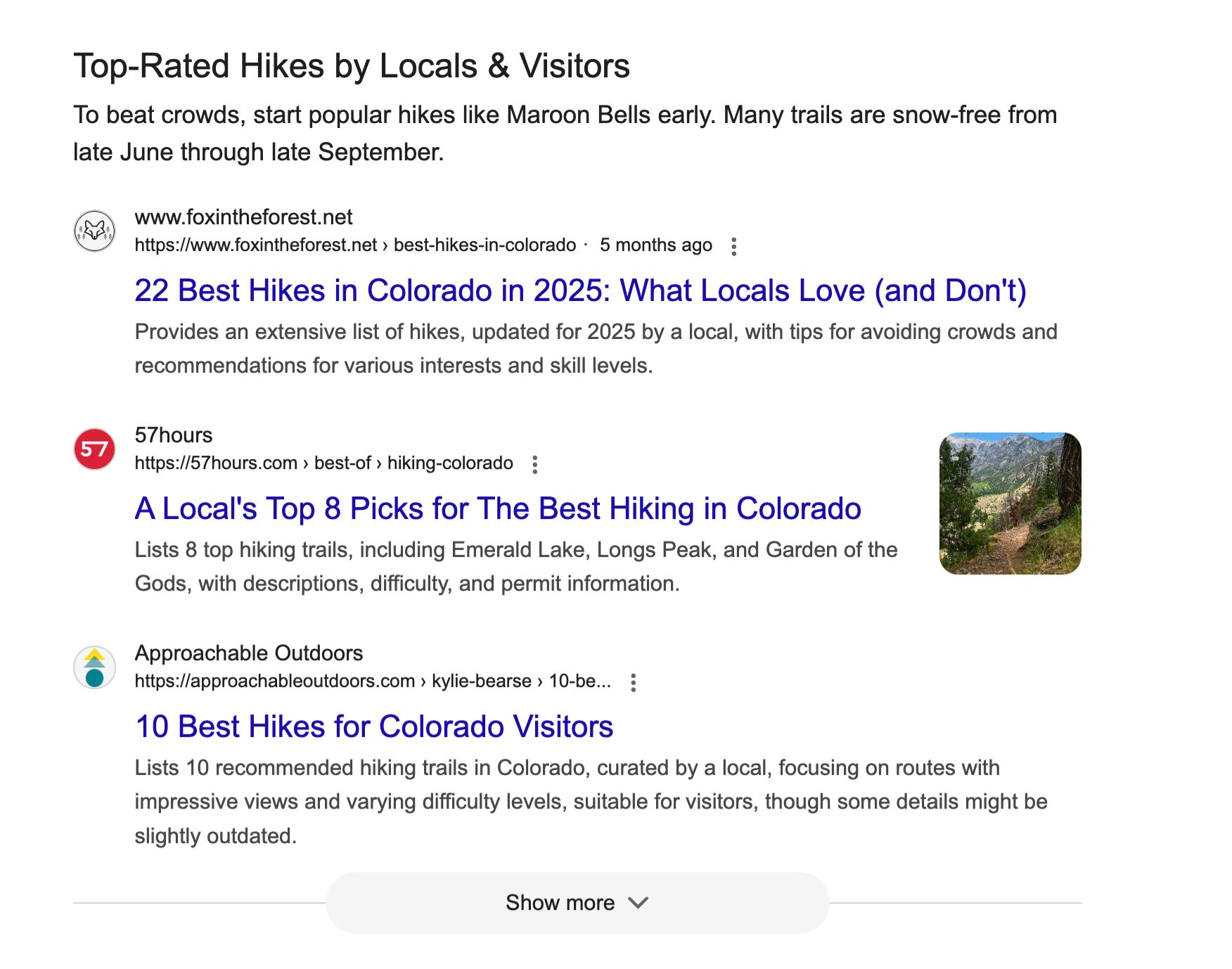
Web Guide utilizes a custom version of Gemini, Google’s advanced AI model, to organize search results into themed groups rather than the traditional list of ten blue links. Initially introduced as an opt-in experiment in the "Web" tab of Google Search, it has been observed appearing in the main "All" tab for some users. For complex queries, such as "best hiking trails in Colorado," Web Guide presents a more structured and categorized view of information, including AI-powered introductions, categorized sections like "Comprehensive Trail Guides" and "Easy Hiking Trails," community recommendations featuring Reddit discussions, and reviews of top-rated local and visitor choices. Google describes this as an intelligent organization of the SERP, making it easier for users to discover relevant web pages.
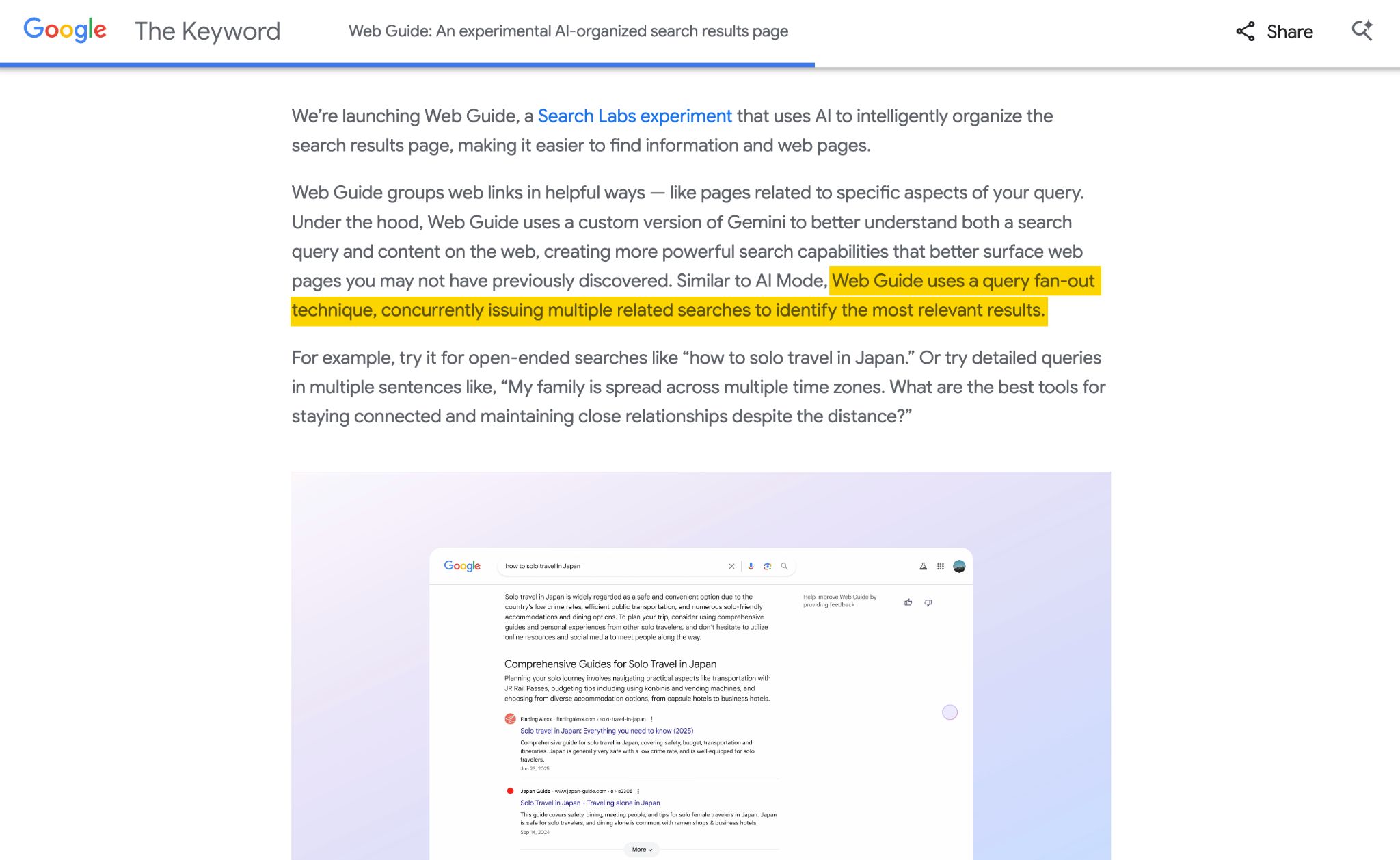
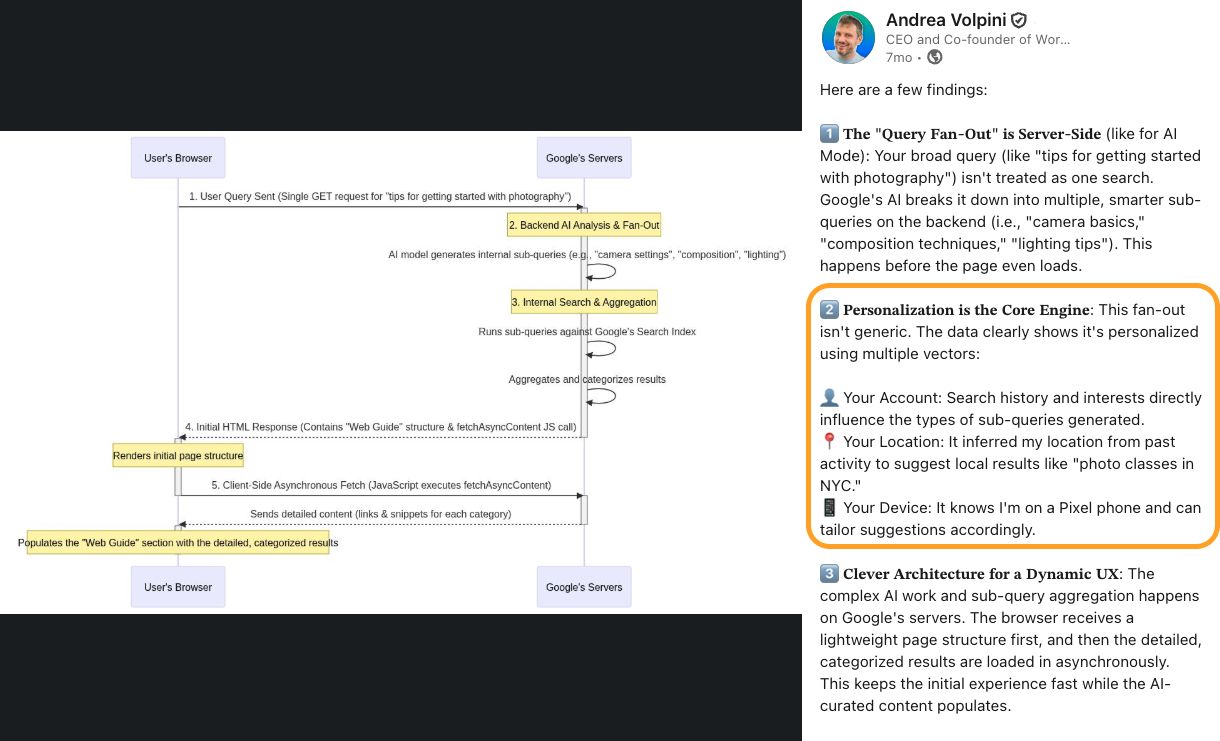
The underlying mechanism of Web Guide involves three core components: query fan-out, personalization, and FastSearch. Query fan-out is the AI process where a single search query is broken down into multiple related sub-queries to gather a wider array of results. These results are then aggregated and organized into the thematic clusters seen in Web Guide. This is the same foundational technology used in AI Mode and AI Overviews.
Web Guide’s results are also heavily influenced by personalization. According to insights from industry experts who have analyzed network traffic, the fan-out process is shaped by user data, including search history, location, and other personalizing factors. This suggests a shift towards a "web of understanding and hyper-personalization," where AI gathers a richer, more diverse set of results tailored to the individual user.
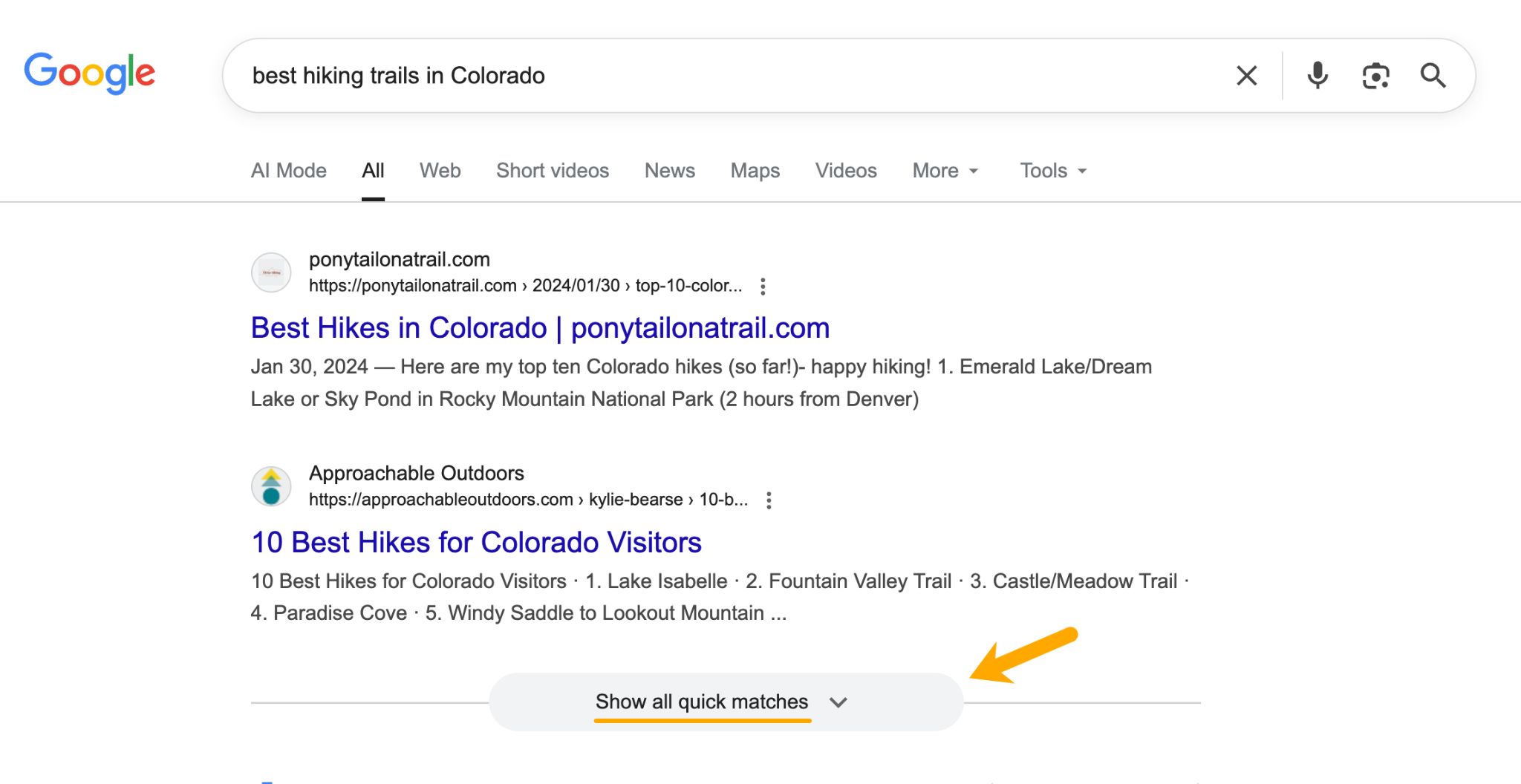
Complementing the AI-driven organization, Web Guide incorporates "Quick matches" powered by FastSearch. This lightweight retrieval system uses RankEmbed, a deep-learning model, to deliver semantically relevant results with extreme speed. FastSearch is also the technology behind AI Overviews and AI Mode, emphasizing efficiency and clarity. Content that is poorly structured or bloated may struggle to perform well in these streamlined results.
Accessing Web Guide requires users to opt-in through Google Search Labs. By signing into their Google account and navigating to labs.google.com/search, users can toggle the "Web Guide" experiment on. Once enabled, Web Guide results will appear in the "Web" tab of Google Search. While currently available in the US, Google is expanding its reach to other markets. The long-term status of Search Labs experiments is uncertain, but Google has indicated positive user feedback for Web Guide and its expansion to more query types.
Web Guide distinguishes itself from AI Overviews and AI Mode in several key aspects. While AI Overviews provide AI-written summaries with citations and AI Mode offers conversational AI responses, both can satisfy user intent directly on the SERP, often negating the need for a click. Web Guide, conversely, presents all results as clickable links organized into themed sections. This "magazine-style" approach is considered more website-friendly and less prone to the "zero-click" problem observed with other AI features. Ahrefs research suggests AI Overviews can reduce clicks by approximately 58%, and a Pew Research study indicated that only 8% of searches with AI Overviews result in a click. Web Guide, by its nature, encourages users to explore deeper into websites.
The potential for Web Guide to become a dominant AI search experience is also linked to monetization. While AI Overviews and AI Mode can cannibalize ad revenue by providing answers directly on the SERP, Web Guide maintains the traditional click-based advertising model. This makes it a more attractive option for Google from a business perspective, especially as the occurrence of AI Overviews in commercial queries continues to rise. Furthermore, Web Guide’s "AI-lite" approach, focusing on organization rather than extensive text generation, results in lower compute costs compared to more AI-intensive features.
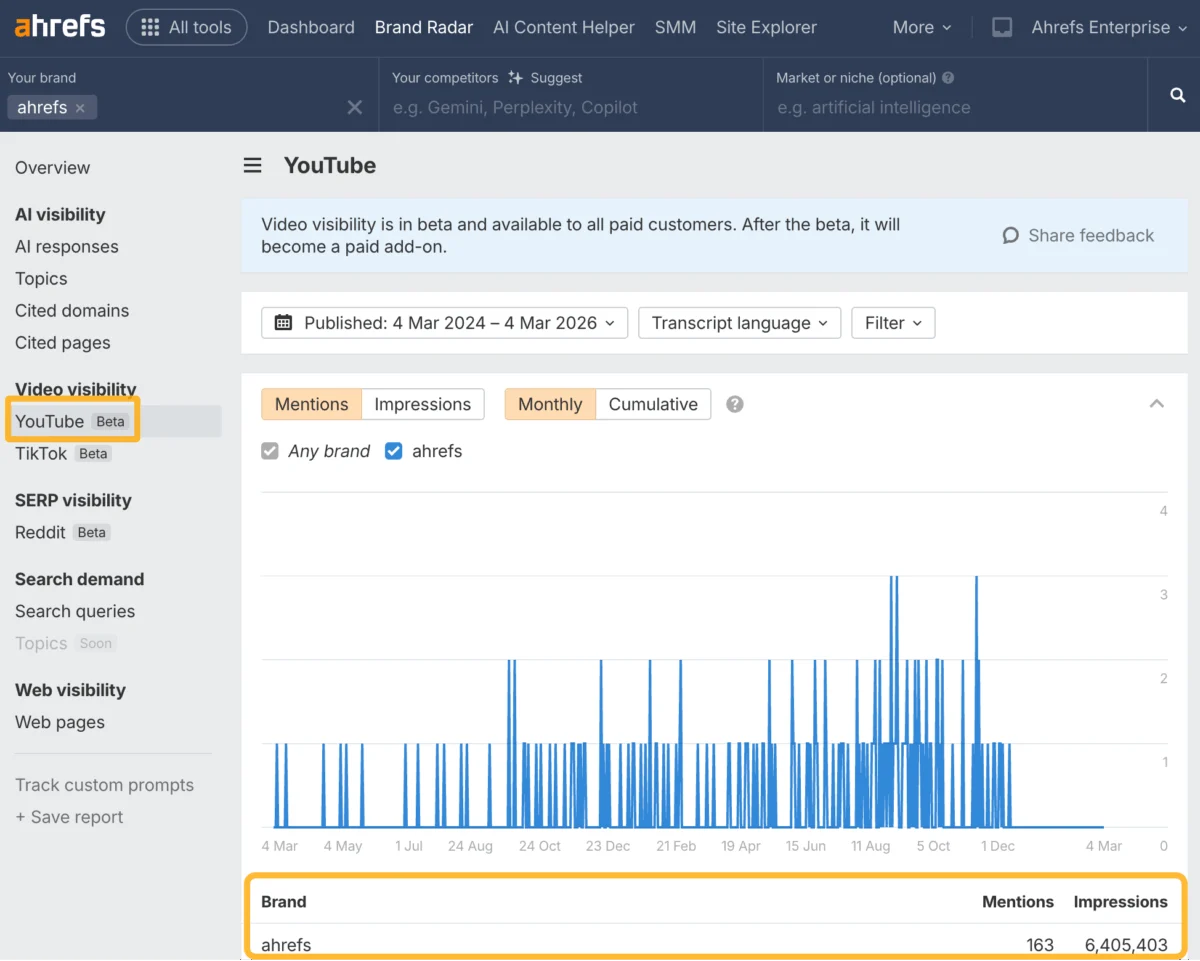
Optimizing content for Web Guide involves two primary strategies: building topical clusters and structuring content clearly. Instead of focusing solely on a single high-ranking page, creating a comprehensive hub page supported by detailed articles on sub-topics is crucial. This approach allows for visibility across multiple themed clusters within a Web Guide SERP. Tools like Ahrefs’ Keywords Explorer and Brand Radar can help identify related topic ideas, sub-topics, and questions that align with Gemini’s query fan-out process.

The use of clear, descriptive headings (H2, H3) is essential for Gemini to easily categorize content. Vague headings can hinder a page’s ability to be placed within relevant themed sections. Strong internal linking between related articles also signals to Google and Gemini that a collection of pages forms a cohesive topic cluster, further enhancing visibility. Tools like Ahrefs’ Site Audit and AI Content Helper can assist in auditing heading structures and identifying internal linking opportunities. Furthermore, analyzing SERP results for intent types can provide clues for designing cluster content that aligns with the categories presented in Web Guide.
Tracking visibility in Web Guide is currently indirect. SEO professionals can monitor rankings for a broad set of related keywords in tools like Ahrefs’ Rank Tracker. An increase in impressions and clicks on sub-topic pages, as observed in Google Search Console or web analytics tools, can indicate inclusion in Web Guide clusters. While dedicated tracking tools are not yet available, the evolving nature of AI search suggests that SEO platforms will likely introduce specific features to monitor performance within these new SERP formats. The potential for Google to provide more granular data for Web Guide, given its click-encouraging design, remains a possibility.
In conclusion, Google’s Web Guide represents a significant evolution in search, moving towards a curated, magazine-style experience. By organizing information into themed clusters, it aims to provide users with a more intuitive way to explore complex topics. For content creators, this shift necessitates a focus on building comprehensive topical coverage, clear content structure, and strong internal linking to maximize visibility in this emerging AI-powered search landscape.