 11
11 1
1 2
2 3
3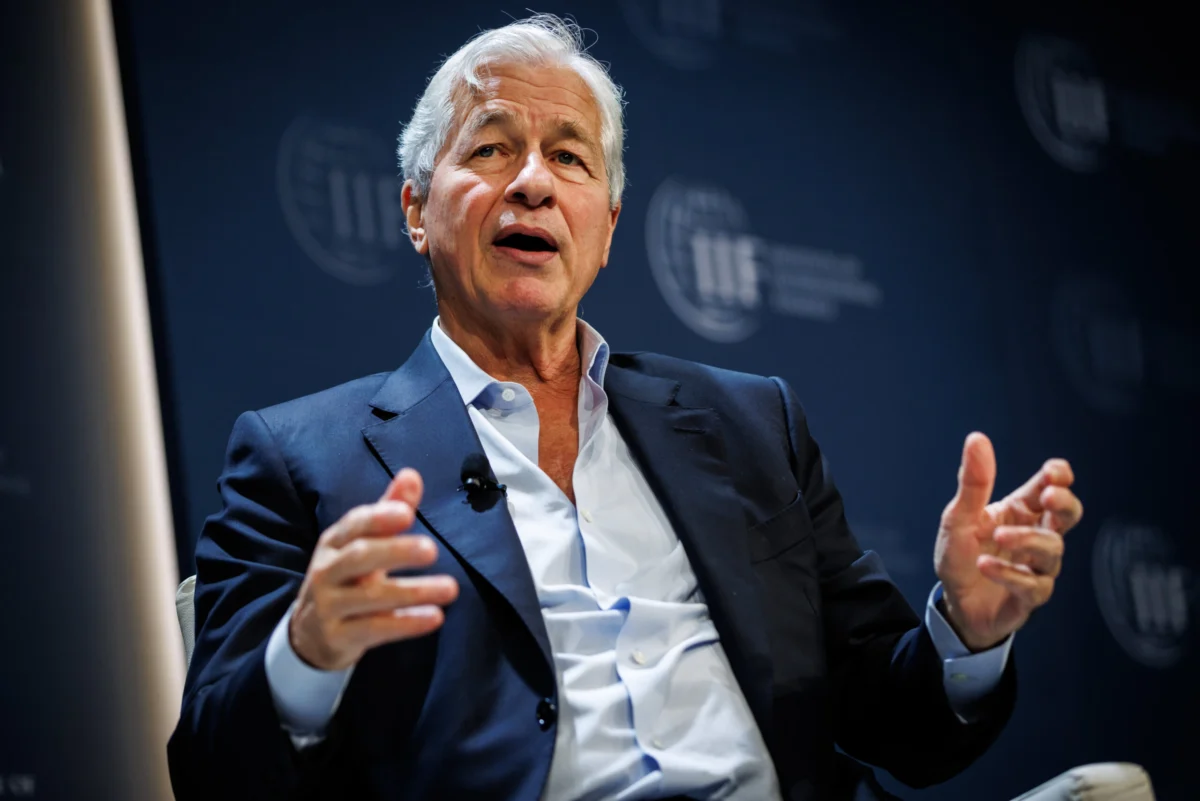
JPMorgan Chase & Co. CEO Jamie Dimon offered a nuanced perspective on the ongoing conflict with Iran, suggesting that while the war presents immediate dangers, it could ultimately pave the way for enduring peace in the Middle East. Dimon articulated this view during a conference in Washington, D.C., where he spoke with Palantir executive and former Congressman Mike Gallagher. He acknowledged that the short-term outlook remains uncertain due to the unknown outcome of the conflict, but he believes a significant shift in regional dynamics favors a more peaceful future.
According to Dimon, a key driver for this potential shift is a growing alignment of interests among major regional players. He highlighted that nations such as Saudi Arabia, the United Arab Emirates, Qatar, the United States, and Israel are all unified in their desire for lasting peace. He specifically pointed to the Gulf states as demonstrating a renewed willingness to pursue such an objective. Dimon remarked that the prevailing sentiment in the region is markedly different from that of two decades ago, with a collective aspiration for stability.
The current conflict, as described, commenced last month with a series of extensive strikes initiated by the U.S. and Israel against Iran, including an operation that resulted in the death of Iran’s supreme leader. The geopolitical tensions have had a palpable effect on global markets, with oil prices experiencing a surge due to supply chain disruptions. While markets showed signs of recovery on Monday following a social media post by President Donald Trump indicating that discussions about a "complete and total resolution" to the war had taken place, Iran subsequently denied that any such talks were underway.
Dimon, who helms the world’s largest bank by market capitalization, directly linked his unconventional outlook on the Middle East to economic considerations. He argued that the region’s reliance on foreign direct investment, which has been a consistent inflow into Gulf nations for years, is intrinsically dependent on stability. Without it, he posited, this crucial economic lifeline would inevitably diminish. He vividly illustrated this point by stating, "They can’t have neighbors lobbing ballistic missiles into their data centers."

The wide-ranging discussion extended beyond Middle East geopolitics, touching upon various critical issues. Dimon also addressed the transformative impact of artificial intelligence on the global workforce, offered insights into the evolving landscape of stablecoins, and provided an update on the bank’s new global headquarters in New York. However, matters of national security and international relations occupied a prominent position in the discourse.
Dimon underscored the imperative for the United States to bolster its capabilities in industries deemed vital for national security. He cited this as a primary motivation behind JPMorgan Chase’s initiation of a $1.5 trillion initiative in the previous year, aimed at strengthening key industrial sectors. Expressing his deep-seated frustration, Dimon lamented the detrimental effect of certain domestic policies in America, which he believes have hampered progress. As a concrete example, he pointed to the nation’s struggle to adequately produce essential munitions.
He drew a parallel between the current state of affairs in the U.S. and Europe, suggesting that both have become "unable to move and change, change budgeting, change procurement." Dimon also characterized the past few decades of engagement with China as a significant misstep for both the U.S. government and the corporate sector. This approach, he contended, has led to an overreliance on China for critical components.
Furthermore, Dimon advised that Americans should remain cognizant of the potential for future conflict stemming from China’s ambitions regarding Taiwan. While acknowledging China’s remarkable achievements in areas such as battery production, automotive manufacturing, drone technology, and shipbuilding, Dimon stressed the importance of self-assessment and preparedness. He urged the U.S. to examine its own deficiencies and be ready to confront China should it emerge as an adversary. In this context, Dimon suggested that successful resolutions to the conflicts in Ukraine and Iran would significantly bolster the U.S. position in its dealings with China.