 11
11 1
1 2
2 3
3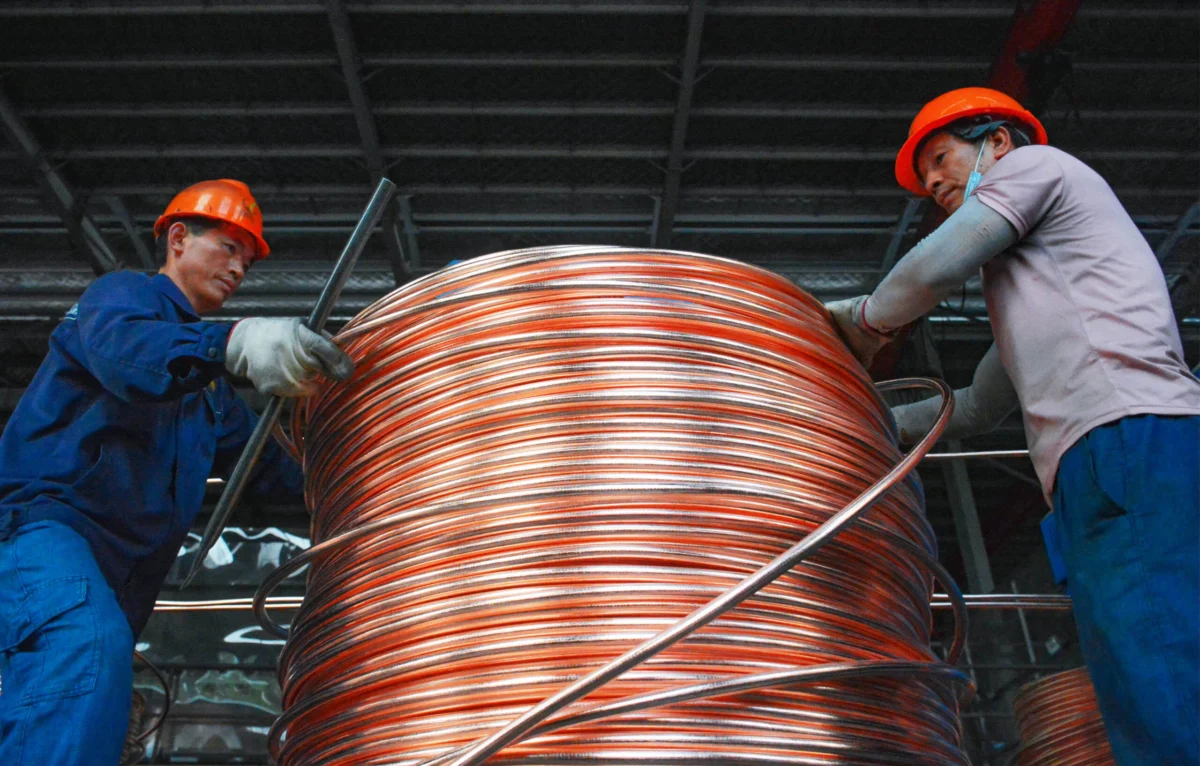
Global metal prices experienced a sharp, across-the-board decline on Thursday, driven by escalating investor concerns over the economic repercussions of rising oil prices amidst the U.S.-Iran conflict. Gold plunged by nearly 6%, while silver saw an even steeper drop of 8%. This sell-off was not confined to precious metals; industrial commodities such as copper and palladium also came under pressure, falling 2% and 5.5% respectively.
While the intensified selling pressure was evident on Thursday, gold and silver had already been on a downward trajectory since the onset of the war in Iran, defying their traditional role as safe-haven assets. The surge in oil prices has triggered widespread anxieties about a potential resurgence of inflation, which in turn is expected to keep interest rates elevated. Higher interest rates diminish the attractiveness of non-yielding assets like gold. Further compounding the pressure on gold is a strengthening U.S. dollar, a consequence of higher interest rates, which makes the metal more expensive for international buyers.
Peter Boockvar, CIO at One Point BFG Wealth Partners, commented on the market dynamics, stating, "The risks to inflation taking away the Fed rate cuts that were priced in, and seeing interest rate increases across the world, and real rates rising, that has been the drag on gold." This sentiment was reflected in the U.S. 10-year Treasury yield, which briefly crossed the 4.300% mark on Thursday.
In contrast to gold and silver, industrial metals like copper and palladium had initially shown relative stability after the war began. However, this equilibrium has shifted as growing concerns about economic growth begin to exert downward pressure on these commodities.
Recessionary Headwinds for Industrial Metals
The decline in industrial metal prices is often interpreted by financial markets as a bellwether for slowing economic growth. Copper, a ubiquitous material found in everything from electronics to infrastructure, is a key indicator in this regard. A dip in its price typically signals a contraction in manufacturing and construction activity.
The prevailing consensus on Wall Street suggests that the longer the U.S.-Iran conflict persists, the greater the likelihood of sustained elevated oil prices. This scenario could fundamentally alter consumer and business spending habits, potentially leading to a recession. Traders and investors are actively discussing the "demand destruction" phase of an energy shock, where high energy costs curb economic activity.
"On the industrial metal side… people are now really worried about the recession risks," Boockvar observed. This outlook paints a picture of stagflation – a challenging economic environment characterized by slow growth coupled with high inflation. However, not all market participants share this view, with some deeming the possibility of sustained stagflation as unlikely.
Ed Yardeni, president of Yardeni Research, argued in a recent note that oil shocks are less likely to precipitate the kind of prolonged stagflation witnessed in the past, specifically referencing the economic fallout from the 1973 OPEC embargo. He pointed to the 2022 Russian invasion of Ukraine, which, despite triggering an oil shock and inflationary pressures, did not result in a recession.
Federal Reserve Chair Jerome Powell echoed this sentiment in a press conference on Wednesday, stating, "I would reserve the term stagflation for a much more serious set of circumstances."
Boockvar suggests that a resolution to the conflict is necessary for industrial metal prices to stabilize. He believes gold, however, has the potential to recover as market focus shifts back to the rising national debts and deficits of countries. Gold has historically performed well as a "debasement trade" in such environments, and these deficits could further widen due to increased military spending associated with the ongoing conflict.
Christian Mueller-Glissmann, head of asset allocation research at Goldman Sachs, concurred that gold could benefit in a stagflationary environment. In a note on Thursday, he wrote, "In case of a continued stagflationary shock, especially if real yields are declining, we would expect more support for Gold prices due to investor demand for real assets and FX diversification."
The volatile market conditions underscore the interconnectedness of geopolitical events, energy prices, inflation, interest rates, and the performance of various asset classes. As the U.S.-Iran war continues to unfold, investors are closely monitoring economic indicators and central bank policy for signs of future market direction. The potential for a protracted conflict and its cascading effects on the global economy remain a significant concern for market participants.