 11
11
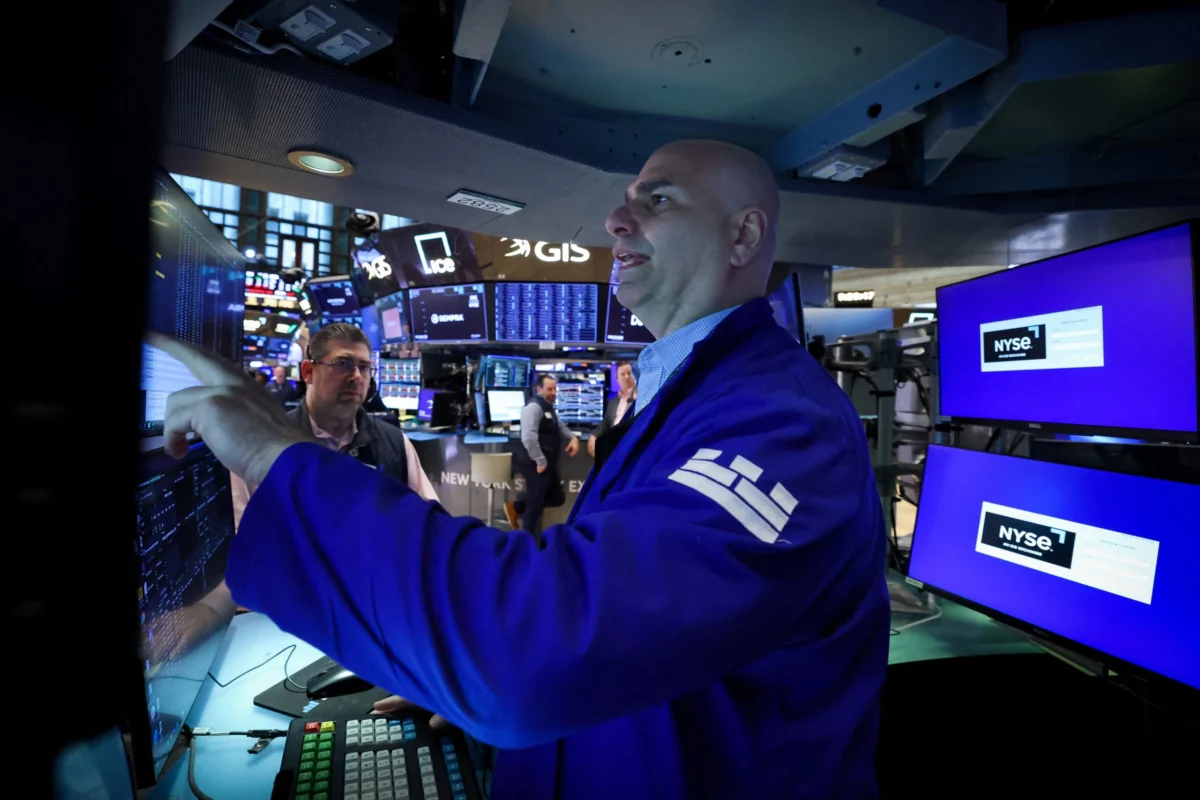
In the pre-dawn hours of Monday, a notable anomaly unfolded in the financial markets, with S&P 500 futures and oil futures experiencing a sharp, isolated surge in trading volume just minutes before a significant social media post from then-President Donald Trump. This unusual activity, occurring around 6:50 a.m. in New York, immediately captured the attention of market participants, particularly given the typically subdued liquidity of early trading sessions.
The S&P 500 e-Mini futures, traded on the CME, registered a substantial and distinct jump in volume. This surge stood in stark contrast to the otherwise quiet backdrop of the pre-market trading environment, representing one of the most significant volume moments of the session up to that point. The thin liquidity characteristic of these early hours meant that such a sudden burst of trading activity was highly conspicuous.
A parallel pattern emerged in the oil markets. West Texas Intermediate (WTI) May futures also witnessed a pronounced increase in trading activity at approximately the same time. This created a discernible volume spike that punctuated an otherwise tranquil trading landscape. The simultaneous and similar nature of these volume surges across two major asset classes, equities and crude oil, immediately raised questions among traders.
The catalyst for this activity became clear approximately fifteen minutes later, at 7:05 a.m. President Trump utilized his Truth Social platform to announce that the United States and Iran had engaged in discussions and that he was consequently halting planned strikes against Iranian power plants and energy infrastructure. This announcement had an immediate and profound impact on risk assets. S&P 500 futures experienced a rapid ascent, soaring by more than 2.5% before the official opening of the stock market. Concurrently, West Texas Intermediate futures experienced a significant decline, dropping by nearly 6% in the wake of the presidential statement.
The precise timing of the earlier volume spikes in both futures markets, occurring just minutes before the President’s announcement, drew considerable attention from traders. The absence of any apparent catalyst at the moment these trades were executed made the pre-announcement activity particularly noteworthy.
The nature of early-morning futures markets, characterized by lower liquidity, can amplify the impact of even moderate trading volumes, making short bursts of buying and selling more prominent than during regular trading hours. However, the trades observed on this particular Monday morning were more than just noticeable; they were potentially lucrative. The individuals or entities responsible for executing these trades—purchasing a substantial quantity of stock futures while simultaneously selling or shorting crude oil futures—stood to gain significantly in the minutes that followed the President’s announcement. This temporal correlation between the pre-market volume surge and the subsequent market reaction fueled speculation about potential insider knowledge or sophisticated trading strategies.
In response to inquiries regarding the unusual trading activity, the U.S. Securities and Exchange Commission (SEC) declined to provide comment. Similarly, the CME Group, the operator of the exchange where the S&P 500 e-mini futures are traded, did not immediately respond to a request for comment from CNBC.
While the precise explanation for the pre-market volume surge remains under scrutiny, financial markets are dynamic and can be influenced by a variety of factors. It is acknowledged within the trading community that algorithmic trading strategies, which execute trades based on pre-programmed instructions and rapid analysis of market data, can generate swift and significant flows across different asset classes. Furthermore, macro-driven strategies, which aim to capitalize on broad economic trends or geopolitical events, can also lead to coordinated trading activity without a single, easily identifiable catalyst, particularly in the less liquid conditions of early trading. These sophisticated trading mechanisms are capable of reacting to anticipated events or subtle shifts in market sentiment, potentially explaining the observed activity.
The incident underscores the heightened scrutiny applied to trading activity, especially when it precedes significant market-moving news. The juxtaposition of the unexplained volume surge and the subsequent dramatic market movements initiated by President Trump’s announcement has inevitably led to questions about market integrity and the potential for information asymmetry. While algorithmic and macro-driven strategies offer a plausible, non-malicious explanation for such pre-market anomalies, the substantial profits realized by those who traded ahead of the announcement are likely to keep this event under review. The financial markets, with their intricate web of participants and complex trading mechanisms, continue to present instances where timing and volume can tell a compelling, albeit sometimes ambiguous, story.