 11
11
In the realm of Search Engine Optimization (SEO), the concept of a "focus keyword" is a familiar sight for users of plugins like Yoast or Rank Math. Often presented as a field to fill, it prompts users to enter a search term, after which the plugin analyzes the content for optimization. However, for newcomers to SEO, the true significance of a focus keyword may extend beyond achieving a coveted green light indicator. It represents a fundamental element of on-page SEO strategy, and selecting the wrong one can lead to optimizing for terms that nobody searches for or that are impossible to rank for. Conversely, choosing the right focus keyword can effectively target relevant traffic from individuals genuinely seeking what a page offers. This comprehensive guide delves into the intricacies of focus keywords, covering their definition, selection process, strategic placement, and performance tracking.
What is a Focus Keyword?
A focus keyword, also referred to as a focus keyphrase, is the primary search term that a specific webpage is intended to rank for in search engine results. It acts as the core identifier of the page’s subject matter, answering the question: "If someone searches for one specific term and lands on this page, what should that term be?" Synonyms such as target keyword, primary keyword, or main keyword all refer to this central term around which optimization efforts are centered.
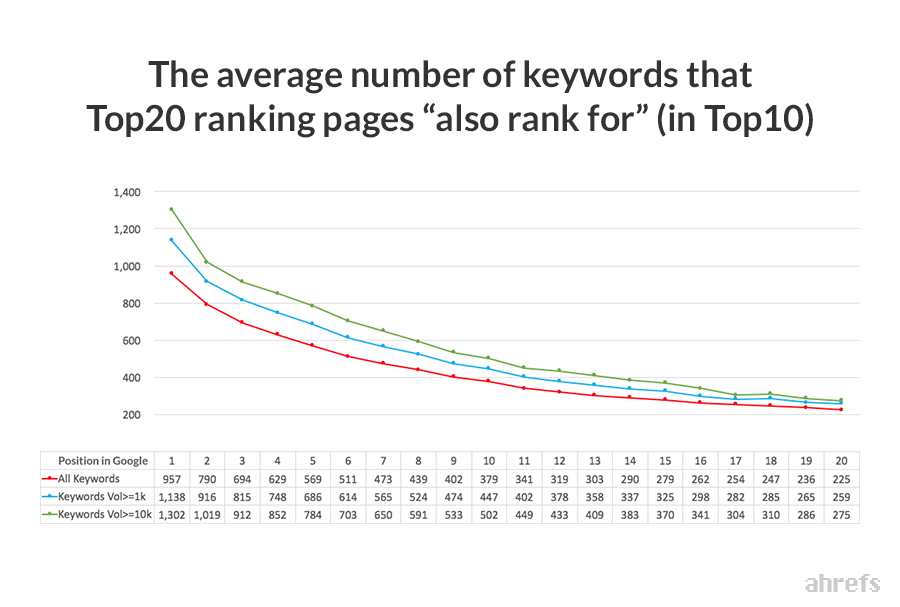
Consider a practical example: a webpage offering a guide on home coffee brewing might adopt "how to make pour over coffee" as its focus keyword. This phrase is more effective than simply "coffee" (too broad) or "brewing" (too vague), as it precisely matches the page’s content. It’s important to note that a focus keyword does not limit the page’s ranking potential to just that single term. Research indicates that a page ranking number one often also ranks within the top 10 for nearly a thousand other relevant keywords. The focus keyword serves as a navigational compass, guiding optimization, while secondary and long-tail variations are naturally acquired.
Focus Keyword vs. Related Terms
The landscape of SEO is often characterized by overlapping terminology, which can lead to confusion. A focus keyword is the main term a page is optimized for. Synonymous terms include target keyword and primary keyword. Secondary keywords are related terms that should be integrated naturally into the content. Long-tail keywords are more specific, lower-volume variations, while LSI (Latent Semantic Indexing) keywords, referring to semantically related terms, is a concept now considered somewhat outdated. The critical takeaway is to select one primary focus and remain intentional about it.
Why Focus Keywords Matter
Focus keywords hold significance for several key reasons:
Content Clarity: Defining a focus keyword compels content creators to crystallize the core subject of a page. Without this, content can become unfocused, attempting to cover too much ground and ultimately ranking for nothing specific. A clear focus keyword ensures that every section, heading, and example directly supports the central theme.
Optimization Guidance: Once a focus keyword is established, its placement becomes clear: title, headings, URL, and introductory paragraphs. This provides a defined direction for on-page SEO, preventing haphazard keyword stuffing.
Measurement Baseline: Tracking rankings for the chosen focus keyword offers a concrete method for evaluating SEO performance. It provides a specific, measurable target for monitoring progress over time. It’s crucial to remember that Google does not recognize a dedicated "focus keyword" meta tag. Instead, search engines understand topics, entities, and context. The focus keyword is a strategic tool for human guidance in content creation and optimization.
How to Choose a Focus Keyword
The process of selecting the right focus keyword can be challenging. A structured, four-step approach can ensure success:
Step 1: Generate Keyword Ideas
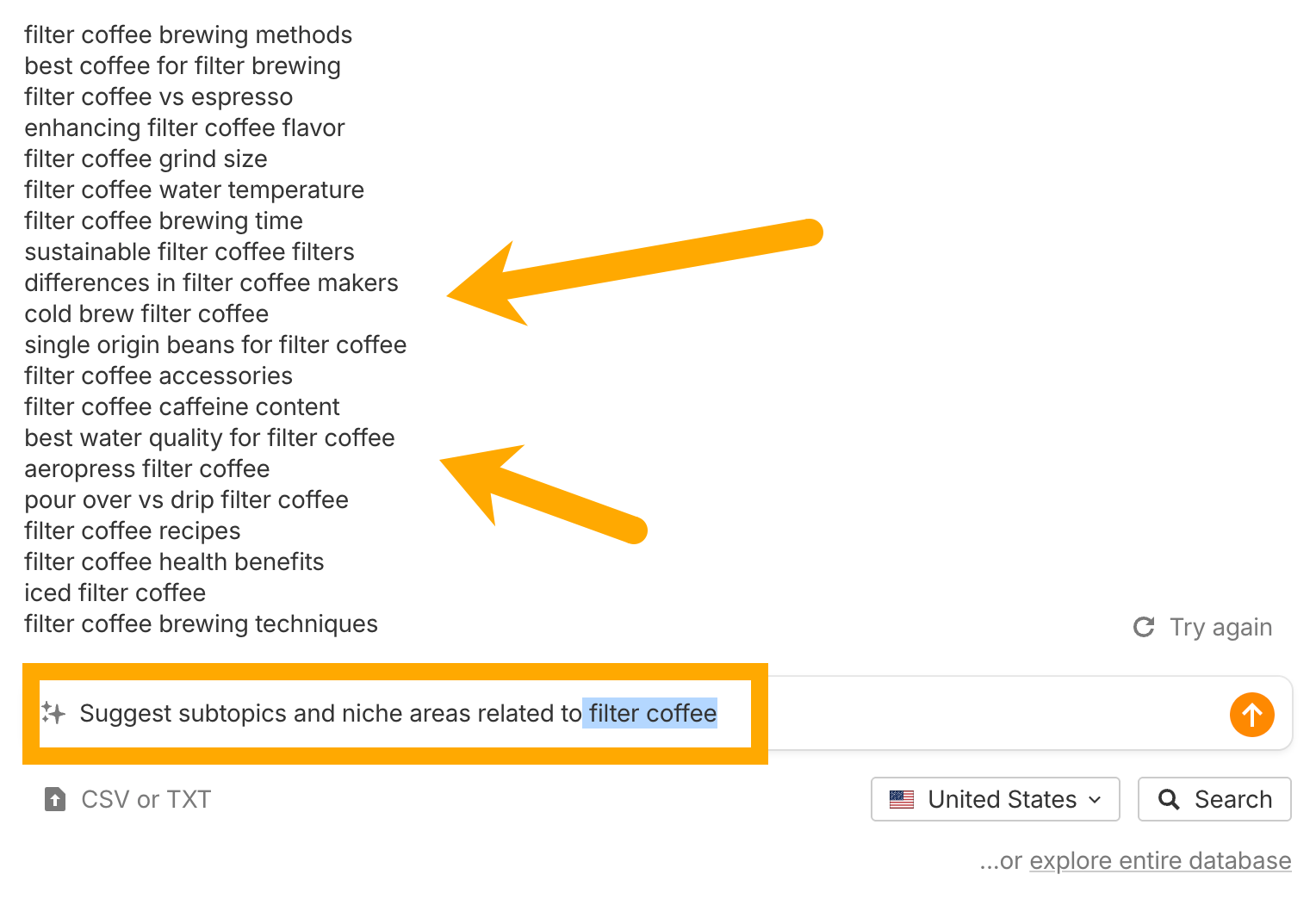
Begin by compiling a comprehensive list of potential focus keywords. The initial stage is about gathering options, not judgment. Various methods can be employed to unearth these ideas, such as brainstorming topics relevant to your audience, exploring competitor content, utilizing keyword research tools, and analyzing "people also ask" sections in search results.
Step 2: Analyze Key Metrics
Evaluate the gathered keyword ideas by examining four critical metrics:
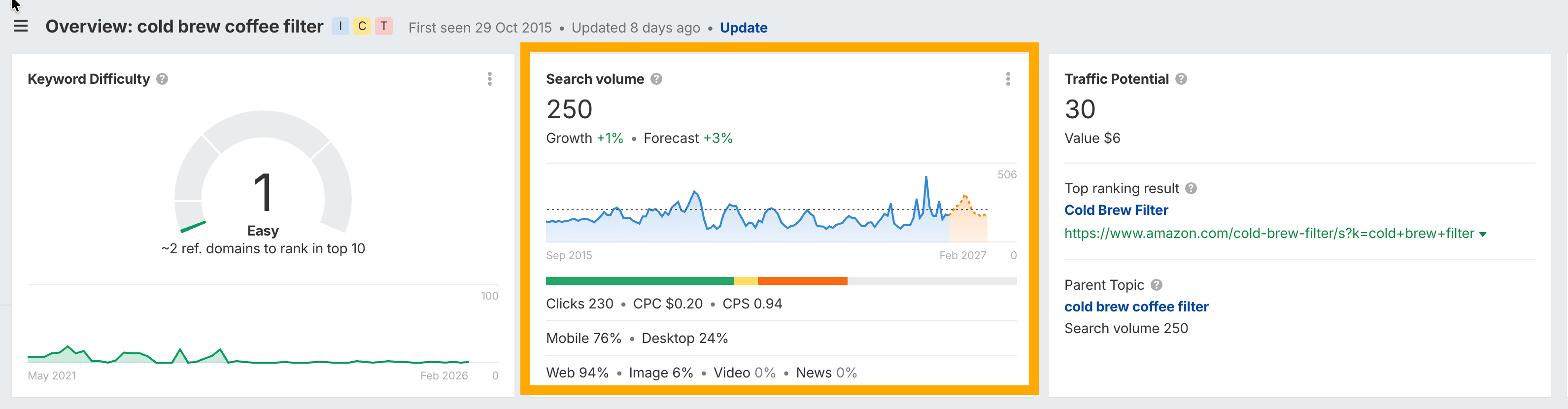
Search Volume: This indicates the monthly search frequency of a term. While important for gauging demand, high volume alone is not the sole determinant. A lower-volume, highly relevant keyword can often be more valuable than a high-volume, irrelevant one.
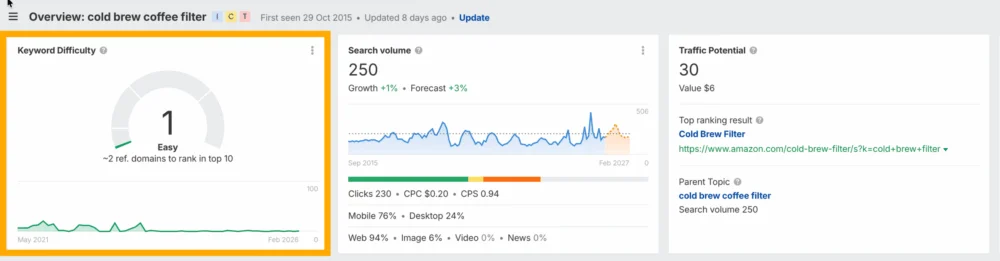
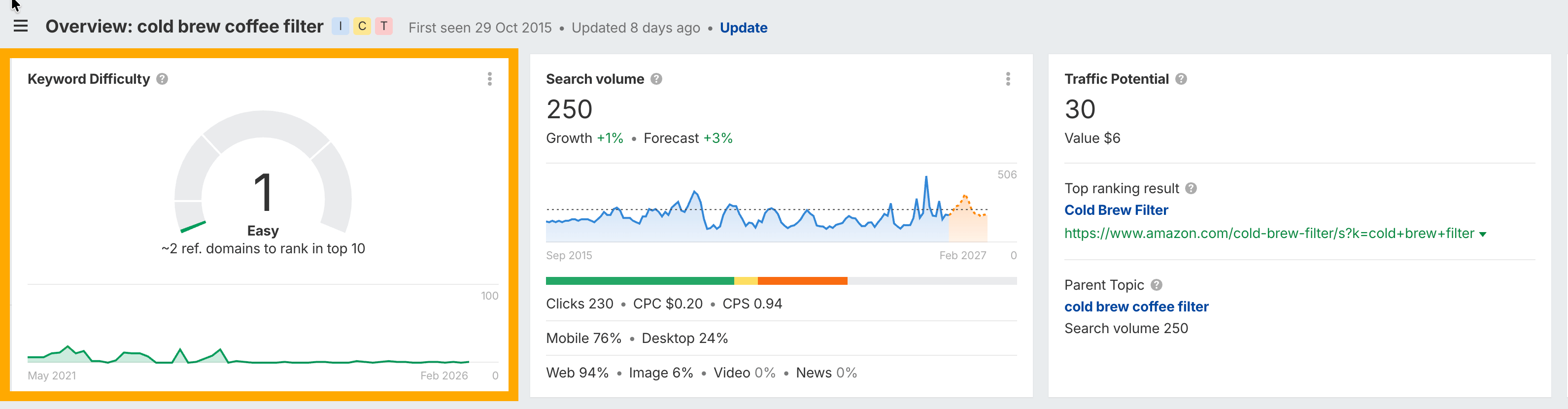
Keyword Difficulty (KD): This metric estimates the challenge of ranking within the top 10 search results. Ahrefs’ KD score ranges from 0-100, with lower scores generally indicating easier competition.
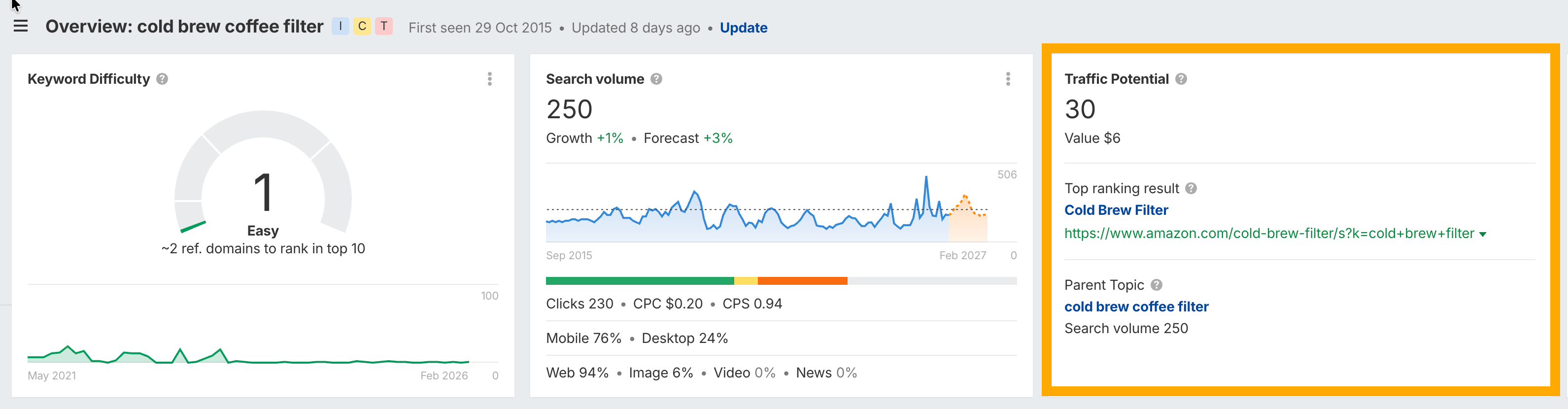
Traffic Potential (TP): This metric estimates the total organic traffic a top-ranking page could realistically attract from all related keywords, not just the specific one being analyzed. It captures the broader reach achievable by ranking for the focus keyword.
Search Intent: This refers to the underlying reason for a search query, which can be informational, commercial, or transactional. The intent of your chosen focus keyword must align with the type of content you are providing. For instance, a keyword with commercial intent (e.g., "best running shoes") requires product comparisons, not an informational post about running form.
Step 3: Validate Against the SERP
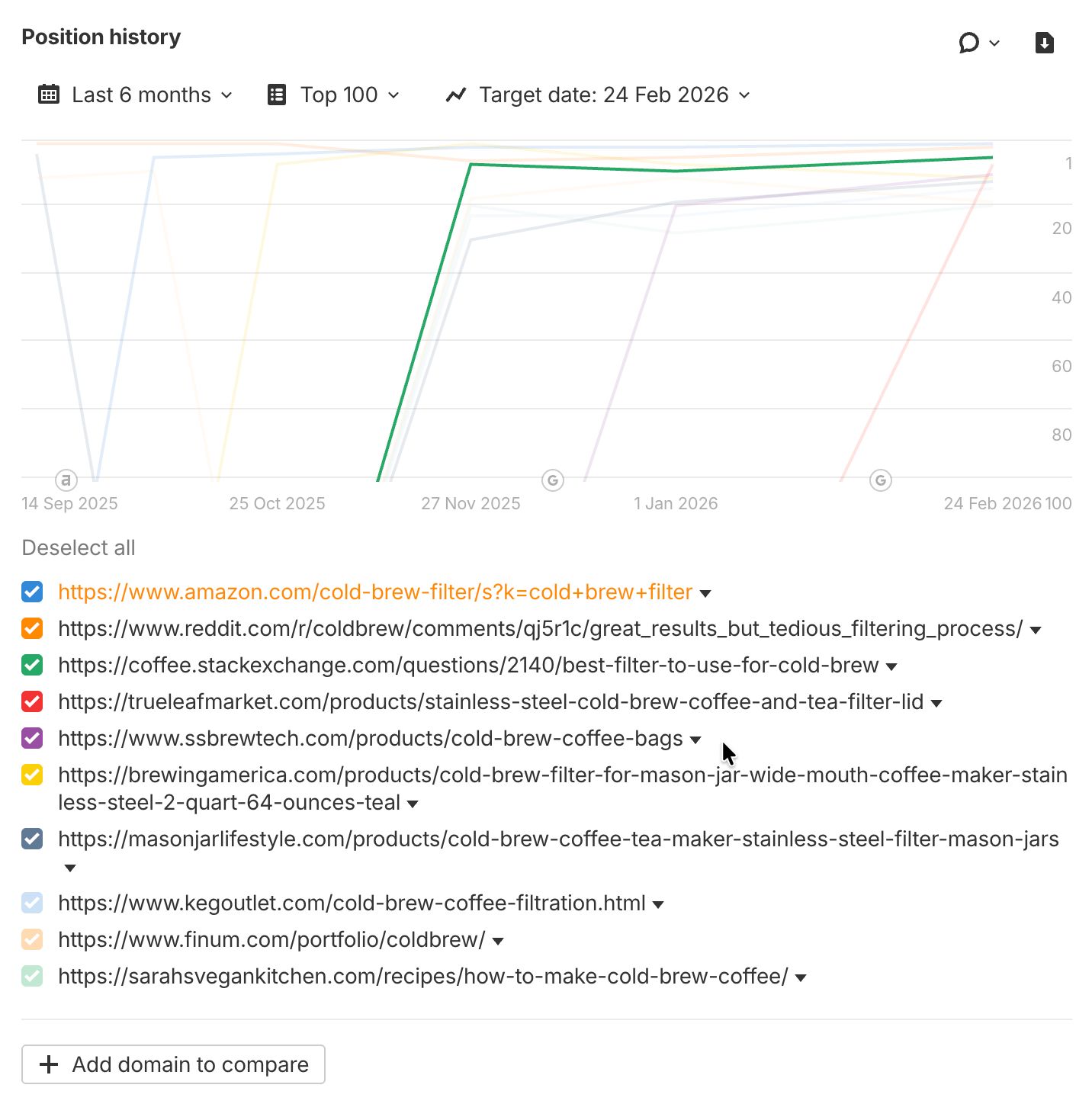
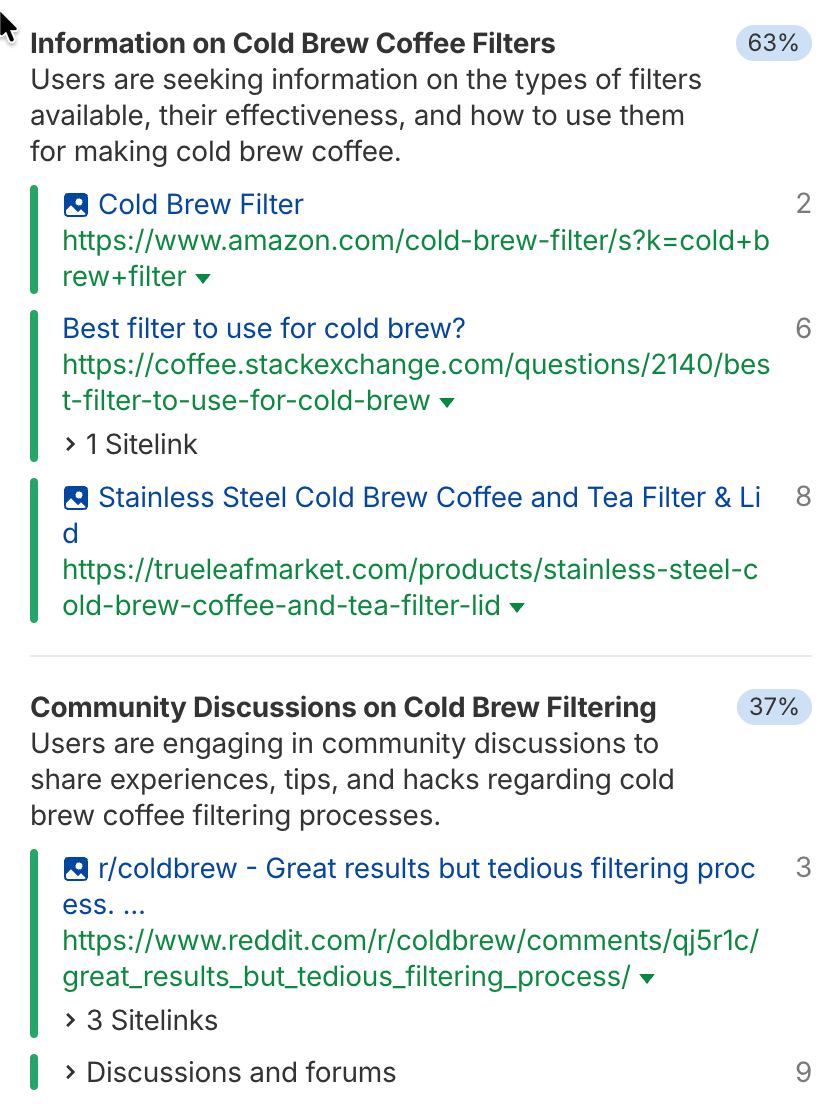
Before committing to a focus keyword, perform a direct Google search. The search engine results page (SERP) reveals what Google perceives as relevant to the query. Analyze the domains ranking in the top 10. Consider their authority (Domain Rating) and traffic. If established, high-authority sites dominate, it may indicate a more challenging ranking environment. Conversely, the presence of smaller sites with moderate authority suggests opportunities. Also, examine the content format that consistently ranks (e.g., listicles, how-to guides, product pages). The SERP is a direct reflection of user behavior and search engine expectations. Tools like Ahrefs’ SERP Overview provide detailed insights into the top results, including their Domain Rating, traffic, and backlinks, facilitating a quick analysis. Furthermore, the "Identify intents" feature in keyword research tools can offer an automatic summary of the dominant search intent in the results. Look for content gaps or unique angles that competitors may have missed.
Step 4: Confirm Site Relevance
The final step involves ensuring the chosen keyword is a good fit for your specific website:
Business/Audience Alignment: Does the keyword attract the right audience for your business? A keyword with strong metrics might attract irrelevant traffic if it doesn’t align with your target demographic or offerings.
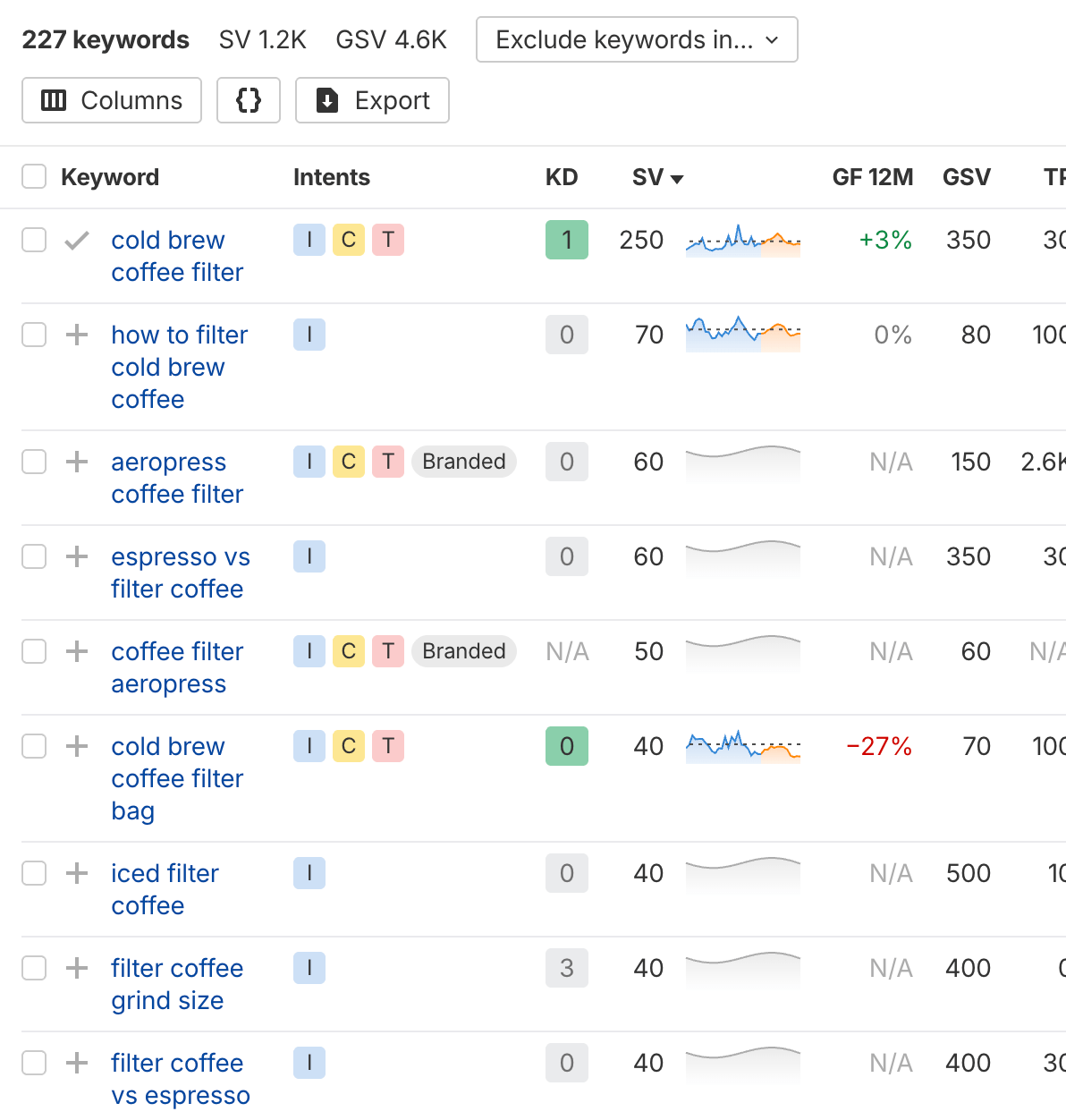
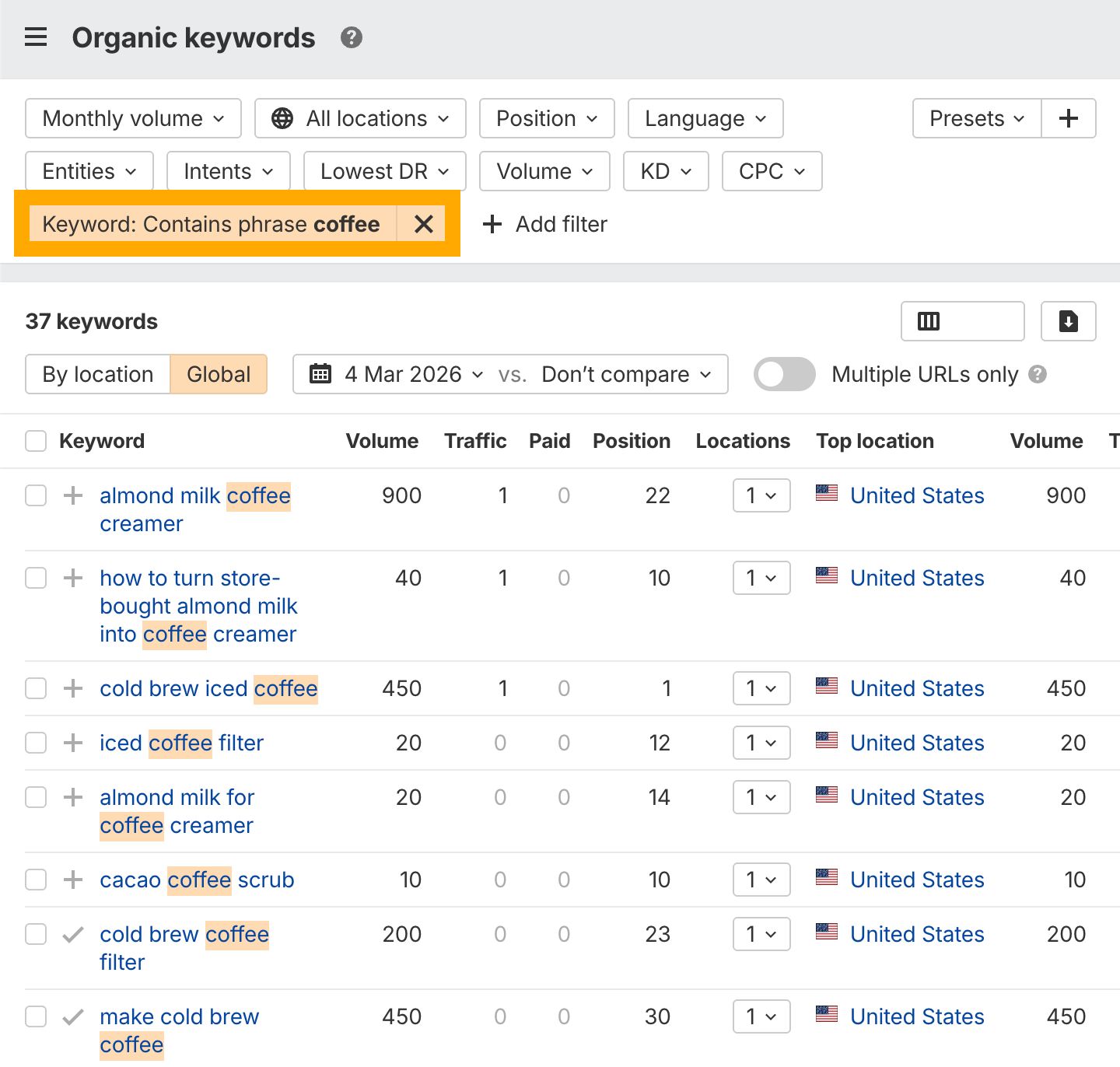
Existing Rankings: Check if another page on your site already targets this keyword. This can lead to "keyword cannibalization," where competing pages undermine each other’s SEO performance. Tools like Ahrefs’ Site Explorer can help identify such issues. If a page already exists, consider either optimizing that page further or consolidating content if the keywords are very similar.
Content Creation Capability: Honestly assess whether you have the expertise, authority, and resources to create genuinely valuable content on the topic. A prime focus keyword is ineffective if the resulting content is subpar.
How Many Focus Keywords Per Page?
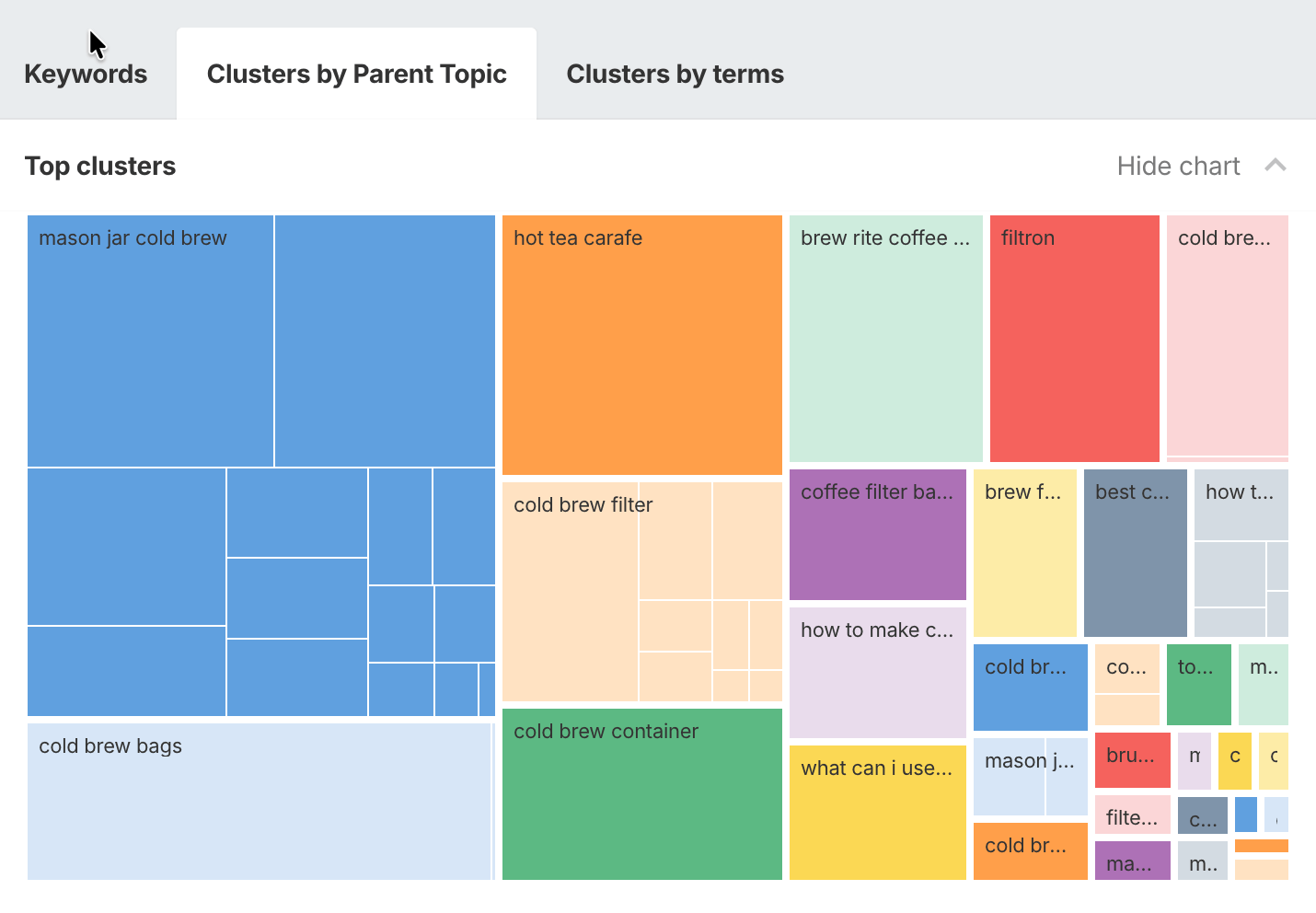
Ideally, each page should have one primary focus keyword. While variations and related terms will naturally appear in the content, optimizing for multiple distinct focus keywords on a single page can dilute efforts and confuse content structure. Very similar variations, such as singular and plural forms of a word (e.g., "focus keyword" and "focus keywords"), can often be treated as a single target as they share the same parent topic and search intent. However, distinct topics (e.g., "focus keywords" and "long-tail keywords") require separate pages.
Where to Use Your Focus Keyword
Strategic placement of your focus keyword is essential for on-page SEO:
/focus-keywords/) is preferable to a generic one.Avoid over-optimization, which involves excessively stuffing keywords. Modern search engines understand synonyms, variations, and context through semantic search. Prioritize writing for human readers; if the content thoroughly addresses the topic, the focus keyword will appear naturally.
Common Focus Keyword Mistakes
Several pitfalls can hinder focus keyword effectiveness:
Tracking Focus Keyword Performance
Monitoring SEO performance is an ongoing process. Key metrics to track include:
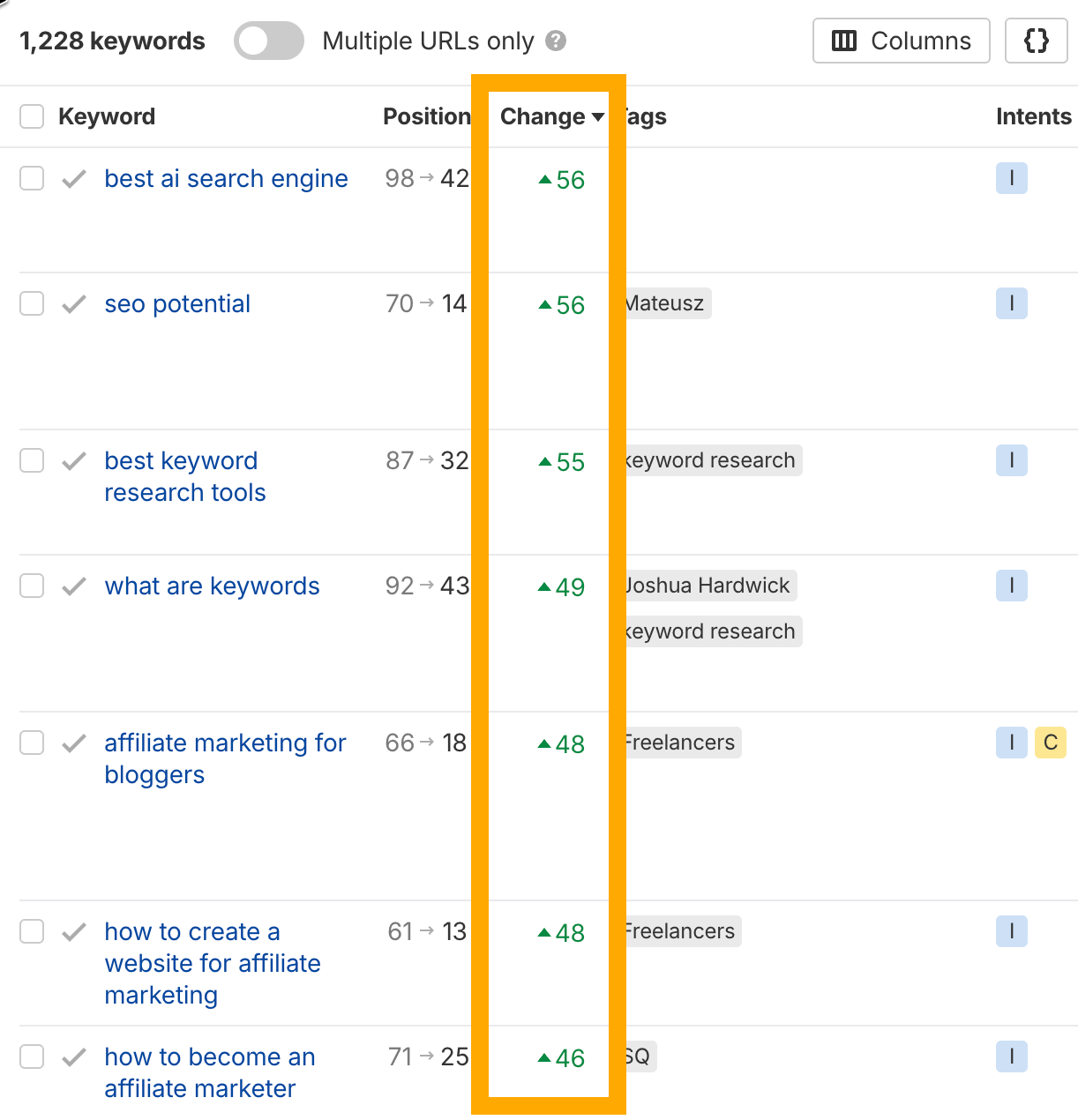
Regular content audits and performance reviews are crucial. If a page remains stuck on the second page of results after several months, the keyword may be too competitive, or the content may need enhancement. Declining rankings can signal a need for content updates or indicate that competitors have published superior content. Long-term trends over weeks and months are more indicative of success than day-to-day fluctuations.
Focus Keywords in the Age of AI Search
The evolving search landscape, with AI Overviews and conversational search, impacts the focus keyword concept. While AI Overviews can reduce direct clicks, comprehensive, authoritative content remains paramount as it serves as a source for AI summaries. The importance of topic coverage is amplified; pages that thoroughly address a subject are favored. As search becomes more conversational, focus keywords should reflect natural language queries. The focus keyword remains a practical tool for content optimization, but a topic-first, keyword-second approach is recommended, where the focus keyword acts as an entry point to comprehensive coverage.
In conclusion, a focus keyword is the central search term a page aims to rank for, serving as a guide for optimization and performance measurement. The process involves generating ideas, analyzing metrics like search volume, keyword difficulty, traffic potential, and search intent, validating against SERPs, and confirming site relevance. Each page should target one primary focus keyword, with natural integration throughout the content. By avoiding common mistakes and diligently tracking performance, website owners can effectively leverage focus keywords to drive relevant traffic and achieve their SEO objectives.