 11
11
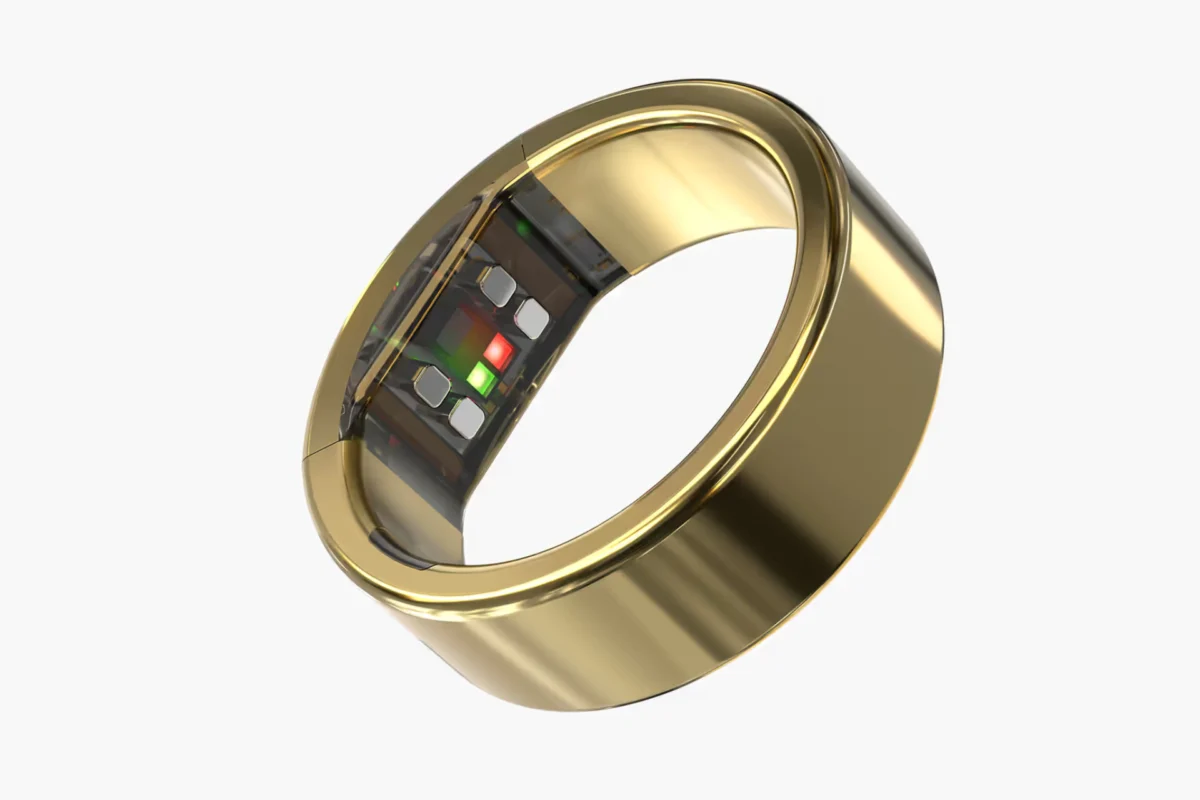
Bengaluru-based health-tech startup Ultrahuman, widely recognized for its innovative smart rings, is orchestrating a significant resurgence in the highly competitive U.S. market. This strategic re-entry has been enabled by the crucial approval granted for its new flagship product, the Ring Pro, by U.S. Customs and Border Protection. This development directly sets the stage for a renewed and intensified battle with Oura, the Finnish company that has substantially strengthened its dominant position in the smart ring sector during Ultrahuman’s recent period of import restrictions. The unfolding scenario signals a pivotal moment for the burgeoning wearable technology industry, particularly in its most lucrative market.
The latest approval from U.S. Customs and Border Protection, a critical regulatory milestone, comes less than a month after the Ring Pro’s global unveiling in late February. This swift clearance is particularly noteworthy given the legal headwinds Ultrahuman faced recently. The approval directly addresses the aftermath of an impactful October ruling by the U.S. International Trade Commission (ITC). This ruling, which sided with Oura in a patent dispute, effectively curtailed the import of Ultrahuman’s existing smart rings, specifically its Ring Air model, into the United States. The ITC, an independent federal agency, is responsible for investigating unfair practices in import trade, and its rulings can impose significant barriers to market access.
The consequences of these import restrictions were substantial for Ultrahuman. According to CEO Mohit Kumar in a recent interview, the company incurred an estimated loss of up to $50 million in sales. This considerable financial setback stemmed directly from its temporary inability to distribute its Ring Air model within the lucrative U.S. market, underscoring the severe economic impact of intellectual property disputes in the fast-paced tech industry. For a growing startup, such a disruption can be existential, forcing a rapid strategic pivot to mitigate losses and maintain market relevance.
The U.S. market’s strategic importance for smart rings cannot be overstated. According to IDC data shared with TechCrunch, the U.S. is projected to account for approximately 2.6 million units sold in 2025, representing a staggering 60% of the global total of 4.4 million units. Furthermore, the market is experiencing robust growth, expanding by an impressive 59% year-over-year. This rapid expansion, however, has also been characterized by swift market consolidation. During the period when Ultrahuman’s products were restricted from entering the U.S., Oura strategically expanded its dominance, capturing a significant portion of the market share. Conversely, Ultrahuman’s share saw a sharp decline, illustrating the direct and immediate impact of the import restrictions on its competitive standing.
Detailed market share analysis from IDC research manager Jitesh Ubrani illustrates the dramatic shifts. Ultrahuman’s U.S. market share had been on an upward trajectory, rising from 11.5% in 2024 to an impressive 24.6% by the second quarter of 2025. However, as the import restrictions became fully effective, its share plummeted to low single digits by the end of the same year. Over this identical period, Oura’s share experienced a significant surge, climbing from 63.3% to a commanding 85%, effectively capturing the majority of the ground lost by Ultrahuman. These figures highlight the acute vulnerability of even rapidly growing companies to legal and regulatory challenges, especially in highly competitive, nascent markets.
Historically, the U.S. market had been Ultrahuman’s primary revenue driver, accounting for as much as 50% of its total revenue at its peak. The imposition of import restrictions necessitated a strategic shift, prompting the company to aggressively expand its presence in Europe and Asia. This diversification helped mitigate some of the losses incurred from the U.S. market’s effective closure. Despite the significant setback, CEO Mohit Kumar downplayed the long-term competitive impact, characterizing the advantage gained by rivals during Ultrahuman’s absence as merely a "three-month advantage." He expressed confidence that the company expects to regain its lost ground quickly, indicating a belief in the strength of its product and brand loyalty.
Ultrahuman’s immediate strategy involves an aggressive ramp-up of its U.S. rollout for the Ring Pro. Kumar indicated that it could take an estimated five to six months for the company to achieve full operational scale in the U.S. This timeframe will be critical for meticulously rebuilding its supply chain and re-establishing robust distribution networks that were disrupted during the period of import restrictions. The company’s methodical approach underscores its commitment to a sustainable and impactful re-entry into the crucial American market, ensuring that logistics are fully prepared to meet anticipated consumer demand.
Central to Ultrahuman’s comeback narrative is the Ring Pro itself, a device specifically designed to address both market demands and the intricacies of the patent dispute. Its redesigned unibody metal structure played a pivotal role in securing the necessary U.S. clearance, differentiating it from previous models that faced import challenges. Beyond regulatory compliance, the Ring Pro introduces several key improvements, including a longer battery life, enhancing user convenience and device autonomy. Additionally, it boasts enhanced on-device processing capabilities, promising faster data analysis and more immediate, actionable insights for users. These technological advancements are positioned by Ultrahuman as central to its renewed competitive edge.

Kumar clarified that the development of the Ring Pro was already an integral part of Ultrahuman’s broader product upgrade roadmap. However, its new design strategically served a dual purpose, helping to address the ongoing patent dispute with Oura more definitively. While Ultrahuman steadfastly maintains its position that its earlier Ring Air model is a "non-infringing model" and continues to contest this assertion in federal court in the U.S., the introduction of the Ring Pro with its distinct architecture offers a clear path forward. This innovative approach aims to circumvent the prior import issues by presenting a new product that is explicitly designed to resolve any potential intellectual property concerns.
Ultrahuman has already initiated U.S. pre-orders for the Ring Pro, signaling its readiness to re-engage with the American consumer base. The company has announced that shipping for these pre-orders is scheduled to commence on May 15. The device will be available at a starting price of $399, positioning it within the premium segment of the smart ring market. To incentivize early adoption and celebrate its re-entry, Ultrahuman is offering a special introductory price of $349 for the first 1,000 customers who place pre-orders, a common strategy to generate initial excitement and reward loyal early adopters.
As Ultrahuman focuses on regaining its footing in the U.S., a new front in the global smart ring rivalry has emerged in its home market of India. Just last week, Oura made a strategic move by officially entering the Indian market with the launch of its Ring 4. This development transforms the competitive landscape, extending the battle beyond the U.S. to key international markets and setting the stage for a broader, multi-faceted rivalry between the two leading smart ring innovators. Oura’s entry into India, a market where Ultrahuman has historically held a strong leadership position, signals an escalating global competition.
Mohit Kumar expressed a positive outlook regarding the increased competition in India. He reiterated Ultrahuman’s unwavering commitment to long-term growth within its home market, even with the influx of new players. Kumar believes that heightened competition can ultimately benefit the nascent smart ring category in India by expanding overall awareness and educating consumers about the technology’s advantages. He suggested that more participants in the market would collectively contribute to growing the total addressable market, rather than simply fragmenting existing demand.
Despite Ultrahuman’s optimistic perspective, the Indian smart ring market presents its own unique dynamics. A recent IDC report indicated a year-over-year decline of 30.6% in smart ring shipments in India in 2025. Nevertheless, Ultrahuman maintained its leadership position, securing a 30.4% market share, followed by local competitor Gabit at 18.3%. The report also highlighted significant pricing pressures, with average selling prices (ASPs) falling by 8.7% to $160. This trend underscores the growing competition and the demand for more affordable options in a price-sensitive market.
Jitesh Ubrani of IDC provided further insights into market projections, expecting double-digit growth for the smart ring market in the U.S. and globally. However, he cautioned that growth in India is likely to remain more muted. Ubrani suggested that Oura’s established international brand recognition could provide it with a considerable advantage in gaining traction within India. He noted that many early local competitors in the Indian market, who often focused on repackaged hardware with limited differentiation, have largely scaled back their efforts. This leaves an opportune vacuum for established global players like Oura to enter and capture market share, leveraging their brand equity, technological sophistication, and robust marketing capabilities.
Underscoring the continued importance of the U.S. market, Kumar revealed that it accounts for approximately 45% of Ultrahuman’s global user base, which totals around 700,000 daily active users (DAU). This statistic reinforces the strategic imperative for the company to successfully re-establish and strengthen its U.S. presence. Interestingly, Ultrahuman’s U.S. user base exhibits a distinct demographic skew: women comprise a larger proportion, accounting for about 73-74% of users there, compared to a global average of roughly 68%. This global figure itself marks an increase from about 65% a year earlier, indicating a broader trend of growing female engagement with smart ring technology.
Looking beyond the immediate battle for smart ring dominance, Mohit Kumar offered a glimpse into Ultrahuman’s future product roadmap. He hinted at the company’s active development of a new wearable device, one that will focus on tracking a different, as-yet-unspecified biomarker. This strategic expansion signals Ultrahuman’s ambition to broaden its product portfolio and diversify its offerings within the wider health-tech ecosystem. Currently, Ultrahuman’s devices comprehensively track a range of vital biomarkers, including heart rate, heart rate variability (HRV), skin temperature, sleep stages, movement, and blood oxygen levels, providing users with a holistic view of their health and well-being. This future venture underscores Ultrahuman’s commitment to continuous innovation and its aim to remain at the forefront of personalized health monitoring.