11
11
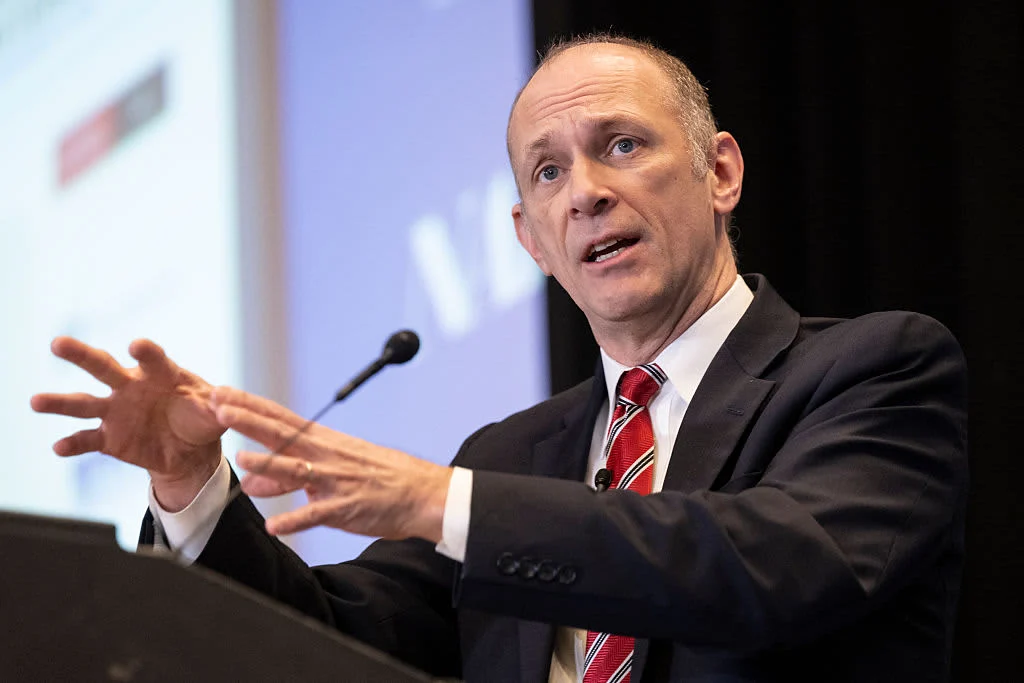
Chicago Federal Reserve President Austan Goolsbee stated on Monday that his primary concern has shifted to inflation, even as apparent progress is being made in de-escalating the conflict in the Middle East. This sentiment comes at a time when policymakers face the complex task of navigating an uncertain economic landscape. Goolsbee’s remarks were made during a CNBC interview, shortly after President Donald Trump announced a five-day halt to further attacks on energy infrastructure by Iran, coinciding with ongoing negotiations.
"The most important thing is to figure out the through line of what is happening," Goolsbee emphasized during a "Squawk Box" interview. He highlighted the inherent difficulty in policymaking under the current circumstances, particularly the unpredictability of the ongoing conflict in the Middle East. "What makes this a fraught but intense moment is nobody can tell us what is going to happen on the ground in the conflict in the Middle East, and how long that lasts."
Goolsbee’s current stance reflects a cautious approach to monetary policy. He had previously dissented on a proposed rate cut in December and subsequently supported the majority decision to maintain short-term interest rates at their current levels during the Federal Open Market Committee (FOMC) meetings in January and March. While he is not a voting member of the FOMC this year, he is slated to regain voting privileges next year.
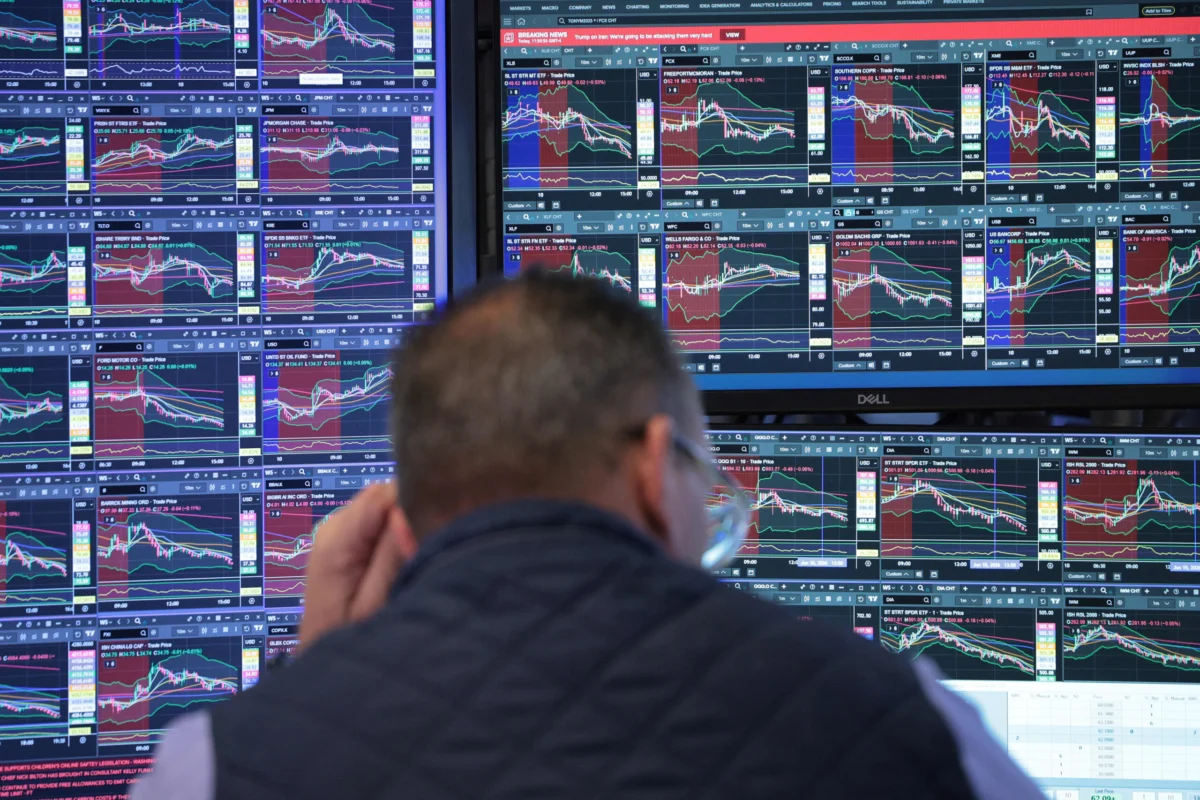
The recent developments in the Middle East have introduced a new layer of volatility to financial markets. In the wake of Monday’s news regarding the de-escalation in the war, traders have adjusted their expectations. There has been an increase in bets on a potential interest rate hike by the end of the current year, though expectations for a rate cut in 2027 persist. In response to the geopolitical developments, stock markets experienced a significant surge, while oil prices saw a sharp decline.
FOMC officials, in their assessments last week, indicated that a majority still anticipate at least one interest rate cut by the end of this year and another in the following year. However, Goolsbee reiterated that his decision-making process will be heavily influenced by the trajectory of inflation. He also issued a cautionary note, warning against a repetition of what he termed the "team-transitory mistake." This refers to the Federal Reserve’s underestimation of the persistence and severity of inflation in 2021, a misjudgment that had significant economic consequences.
"I remain fairly optimistic that by the end of ’26 rates could go down, but I wanted to see proof that we’re back on an inflation headed to 2%," Goolsbee stated. He acknowledged the disruptive impact of the current geopolitical situation. "This [war] definitely throws a wrench into the plans. We do need to see progress."
The Federal Reserve’s dual mandate is to foster maximum employment and maintain price stability. In recent months, there have been signs of progress on both fronts, though the path forward remains uncertain. The labor market, while showing resilience, has also exhibited some signs of cooling. Inflation, which surged to multi-decade highs in 2022, has been on a downward trend, but it remains above the Fed’s target of 2%.

Goolsbee’s comments underscore the delicate balancing act that central bankers are currently engaged in. The global economic environment is being shaped by a confluence of factors, including persistent inflation, geopolitical risks, and the lingering effects of the COVID-19 pandemic. The conflict in the Middle East, with its potential to disrupt energy supplies and global trade, adds another significant layer of complexity to an already challenging outlook.
The Fed’s approach to monetary policy has been data-dependent, with officials closely monitoring a wide range of economic indicators to inform their decisions. The latest inflation figures, employment data, and consumer spending trends are all critical inputs. The central bank’s communication strategy also plays a vital role in managing market expectations and guiding economic behavior.
Goolsbee’s emphasis on the need for concrete proof of inflation returning to the 2% target highlights the Fed’s commitment to its price stability mandate. The experience of 2021, when inflation proved more persistent than initially anticipated, has instilled a greater degree of caution among policymakers. This has led to a more hawkish stance, with officials expressing a willingness to keep interest rates higher for longer if necessary to ensure that inflation is durably brought back under control.
The recent developments in the Middle East have introduced a significant exogenous shock to the global economy. The potential for supply chain disruptions, particularly in the energy sector, could exert upward pressure on prices, complicating the Fed’s efforts to combat inflation. This underscores the importance of the Fed’s commitment to remaining vigilant and adaptable in its policy response.
The Chicago Fed President’s remarks also implicitly address the trade-offs that policymakers face. A prolonged period of high interest rates, while effective in curbing inflation, can also weigh on economic growth and employment. The challenge for the Fed is to calibrate its monetary policy to achieve its objectives without triggering an undesirable economic slowdown.
The ongoing negotiations with Iran and the resulting de-escalation, if sustained, could provide some relief by reducing uncertainty and potentially stabilizing energy markets. However, the broader geopolitical landscape remains fluid, and the risk of further escalation cannot be entirely discounted. This uncertainty makes it difficult for businesses and consumers to make long-term investment and spending decisions, adding to the overall economic headwinds.
Goolsbee’s perspective is one among many within the Federal Reserve system. The FOMC’s deliberations involve a diversity of views and interpretations of economic data. The eventual policy decisions will be the product of a consensus-building process, taking into account the collective assessment of the risks and opportunities facing the U.S. economy.
The coming months will be crucial in determining the future path of monetary policy. The Fed will be closely watching the evolution of inflation, the resilience of the labor market, and the impact of geopolitical events. Goolsbee’s call for "proof" of inflation heading towards the 2% target suggests that the Fed will likely require sustained evidence of disinflationary progress before signaling a definitive shift towards rate cuts. The current geopolitical climate, however, introduces an element of unpredictability that could influence the timing and magnitude of any future policy adjustments.