 11
11
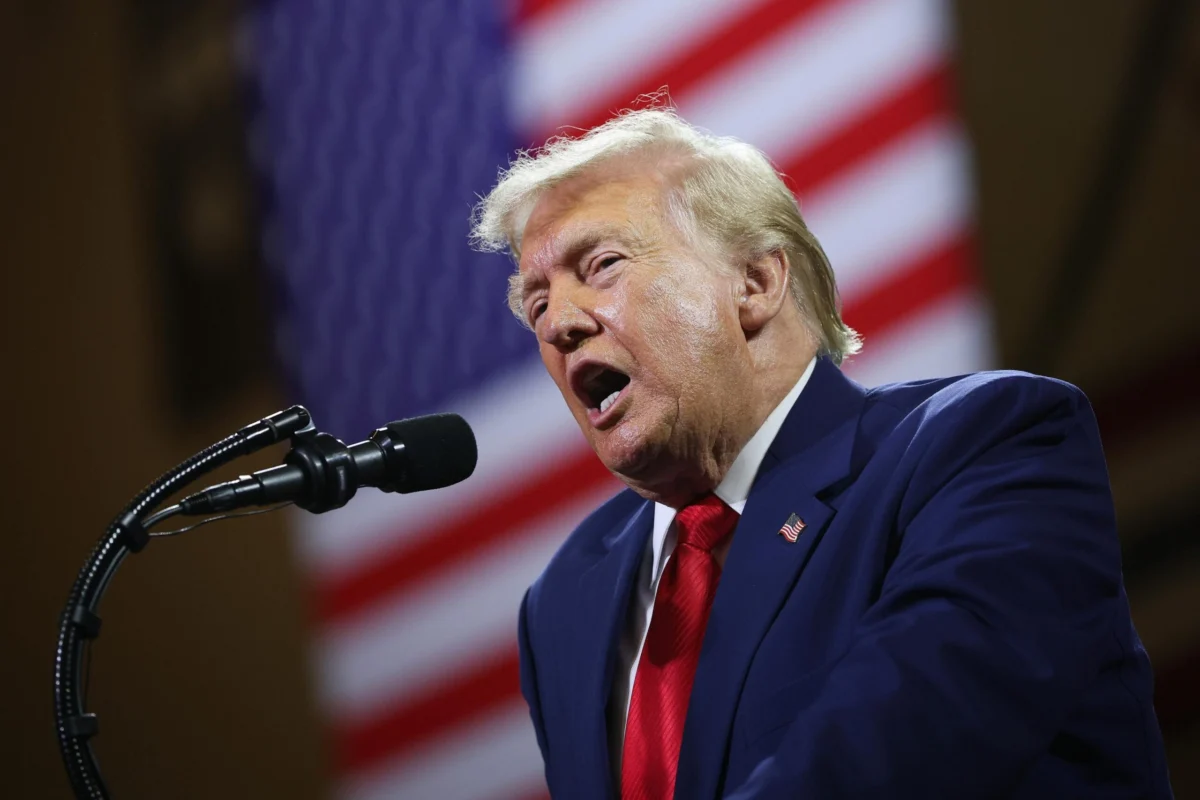
President Donald Trump announced Friday that the United States would launch a comprehensive investigation into the European Union’s imposition of significant fines against American technology companies over the past five years, vowing to reverse these penalties and threatening to impose retaliatory tariffs against the bloc. This declaration signals a potential escalation in transatlantic trade tensions, particularly concerning the regulation of digital markets and the perceived fairness of global competition.
In a direct address posted on his Truth Social platform, President Trump sharply criticized the EU’s actions, characterizing the multi-billion-dollar fines levied against tech giants like Google, Apple, Meta, and Amazon as an "illegal and highly discriminatory practice." He specifically highlighted a recent $1 billion fine issued against Google this week for antitrust violations, using it as a prime example of what he termed a systemic effort to "ROB" American companies and, by extension, the American taxpayer.
According to Trump’s statement, this pattern of punitive measures from the EU ostensibly began when former President Joe Biden assumed office in 2021. He asserted that his administration would initiate an immediate investigation into these practices, promising that the penalties imposed on American firms would be "entirely reversed." Beyond the reversal of existing fines, President Trump also indicated that his administration anticipates placing "a substantial TARIFF" on the European Union "at the earliest possible moment," signaling a robust and aggressive response to what he perceives as economic aggression. Forbes has reportedly reached out to the European Commission for comment on these latest threats, underscoring the immediate diplomatic and economic implications of Trump’s remarks.
The Google Fine: A Case Study in EU Antitrust Enforcement
The recent $1 billion fine against Google, which served as a direct catalyst for President Trump’s strong condemnation, stems from the European Union’s assertion that the tech giant structured its app marketplace and search engine to unfairly favor its own services and applications, thereby stifling competition. The EU’s investigation concluded that Google’s practices violated the Digital Markets Act (DMA), a landmark antitrust law passed in 2022. This legislation is designed to ensure fair and open digital markets by reining in the power of large online "gatekeepers" and preventing them from abusing their dominant positions.
Specifically, the EU found that Google’s control over the Android operating system and its Google Play Store, coupled with its dominant search engine, created an ecosystem where it could steer users towards its own products, making it difficult for rival services to gain traction. This included pre-installing Google apps on Android devices, offering incentives to manufacturers to exclusively carry Google Search, and manipulating search results to prioritize its own specialized services. The fine is intended not only to penalize past infractions but also to compel Google to modify its business practices to foster a more competitive environment in the European digital landscape.
A Pattern of Penalties: Over $8 Billion in Fines Since 2021
The $1 billion Google fine is far from an isolated incident. Since 2021, the European Union has issued fines totaling at least $8 billion against major American tech companies, including Amazon, Apple, Google, and Meta. This substantial figure underscores a concerted and escalating effort by the EU to assert regulatory authority over the digital sector, particularly targeting the market dominance and business practices of US-based technology giants. These penalties reflect a broader strategic push by the EU to ensure fair competition, protect consumer rights, and foster what it terms "digital sovereignty" within its borders.
The EU’s regulatory framework, spearheaded by legislation like the Digital Markets Act (DMA) and the Digital Services Act (DSA), aims to reshape how tech companies operate across the bloc. The DMA specifically targets "gatekeepers" – large online platforms that provide an important gateway between business users and end users, and which enjoy an entrenched and durable position in the market. Companies designated as gatekeepers face a stringent set of "dos and don’ts" designed to prevent anti-competitive behavior.
Beyond Google, the DMA has also been instrumental in actions against other prominent American tech firms. Last year, Apple was reportedly hit with a $570 million fine, likely related to its App Store policies and restrictions on developers, which the EU views as stifling competition and imposing unfair conditions. Similarly, Meta, the parent company of Facebook and Instagram, faced a $227 million fine. This penalty was reportedly for failing to offer users free versions of its platforms that collected less personal data and performed equally to paid versions, highlighting the EU’s strong stance on data privacy and user choice, often enforced through regulations like the General Data Protection Regulation (GDPR) in conjunction with newer acts. These fines are not merely punitive; they are often accompanied by demands for significant changes to business models and operational practices, demonstrating the EU’s commitment to enforce its regulatory vision.
Historical Context and the EU’s Digital Sovereignty Drive
President Trump’s current threats echo a memorandum he reportedly signed in February (likely a typo in the original source, suggesting a past action or a plan for a future administration, given the "President Donald Trump said Friday" framing), which aimed to combat European countries’ punitive measures on American companies with tariffs. This directive underscored a consistent theme in Trump’s economic policy: a readiness to use tariffs as a tool to protect perceived American interests and retaliate against trade practices deemed unfair.
Europe’s heavy reliance on U.S. tech firms, which provide over 80% of the bloc’s digital products, services, infrastructure, and intellectual property, presents a complex dynamic. While deeply integrated into the European digital economy, this reliance has simultaneously fueled the EU’s drive for greater regulatory control and "digital sovereignty." The EU views its comprehensive regulatory framework, including the DMA and DSA, as essential to ensure that the economic and social benefits of the digital transformation are shared fairly, competition is robust, and fundamental rights are protected. They aim to prevent unchecked power from being concentrated in the hands of a few dominant platforms, many of which are American.
The EU’s regulatory assertiveness is also rooted in a broader philosophical difference regarding the role of government in regulating markets and protecting citizens. While the U.S. has traditionally favored a more hands-off approach to tech regulation, relying more on market forces and occasional antitrust interventions, the EU has embraced a proactive regulatory stance. This includes a robust focus on data privacy (GDPR), content moderation (DSA), and fair competition (DMA), all of which can lead to friction with American companies whose global business models may not align with these stricter European standards.
Implications of Trump’s Threatened Retaliation
The prospect of President Trump initiating an investigation to "reverse" EU fines and imposing "substantial tariffs" carries significant economic and geopolitical implications. Legally, the mechanism by which the U.S. could unilaterally "reverse" fines lawfully imposed by a sovereign entity like the EU is unclear and unprecedented. Such a move would likely be challenged by the EU and could lead to a protracted legal and diplomatic standoff. It suggests a potential attempt to pressure companies not to pay the fines or to seek redress through international trade mechanisms.
Economically, imposing tariffs on the EU would undoubtedly spark retaliation, potentially igniting a trade war similar to those seen during Trump’s previous term concerning steel and aluminum or agricultural products. This could lead to higher costs for consumers on both sides of the Atlantic, disrupt supply chains, and negatively impact businesses reliant on transatlantic trade. Industries ranging from automotive to luxury goods, and potentially even tech hardware, could face significant disruption.
Geopolitically, such actions would further strain the transatlantic alliance, which has already faced challenges on issues from defense spending to climate policy. At a time when Western unity is seen as crucial in addressing global challenges like the war in Ukraine, tensions with China, and broader democratic resilience, a trade war could weaken collective efforts and create divisions among allies. It could also empower rival economic blocs and undermine the rules-based international trading system.
The European Commission, representing the EU’s executive arm, has historically defended its regulatory actions as being based on sound legal principles and aimed at fostering a level playing field for all businesses operating within the bloc, regardless of their country of origin. Any direct challenge to these fines or the imposition of retaliatory tariffs would likely be met with a firm and unified response from Brussels, potentially escalating the dispute into a full-blown trade conflict with far-reaching consequences for global commerce and diplomatic relations.