 11
11
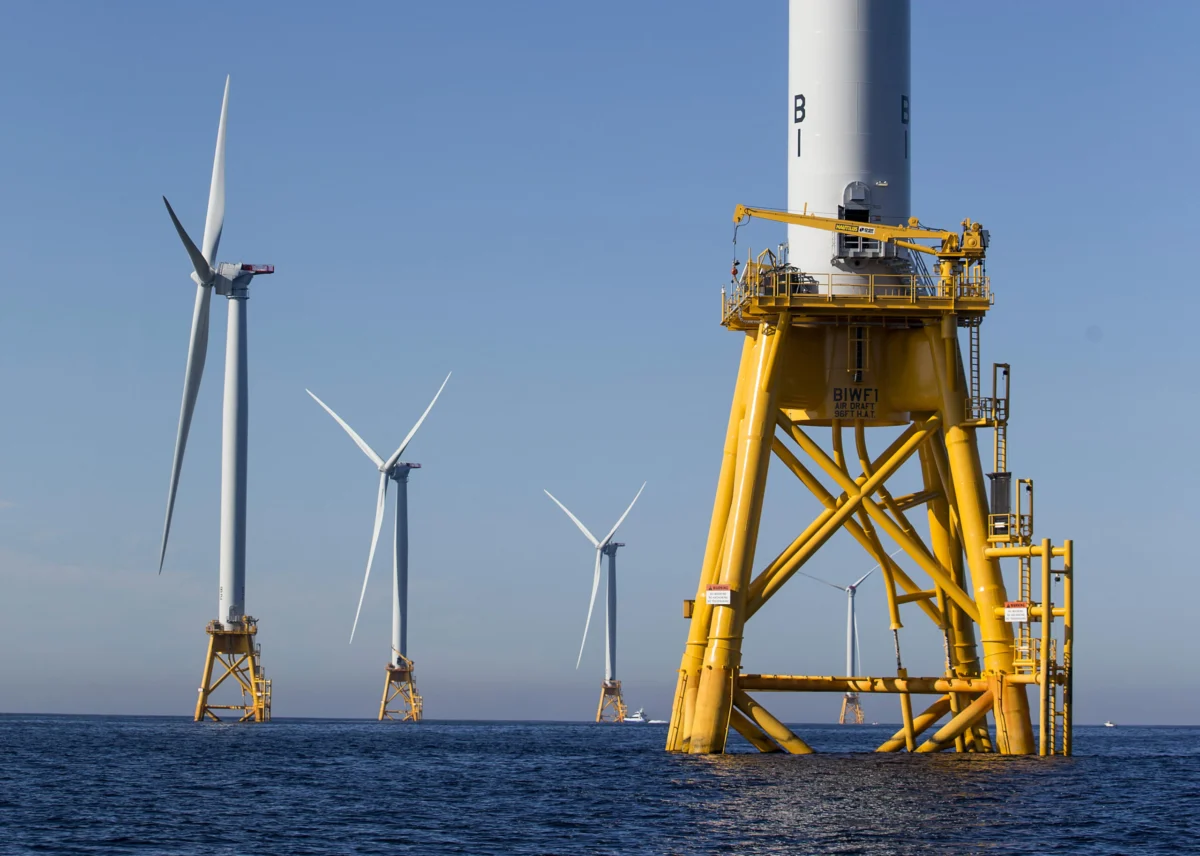
The Trump administration has finalized a settlement with the German utility RWE, agreeing to pay an additional $1.2 billion to cancel a series of offshore wind leases. This significant financial outlay brings the total expenditure by the administration for abandoned renewable energy projects to $3.93 billion across 12 leases. The decision marks a substantial shift in energy development strategy for the projects in question, as RWE has announced its intention to reallocate the majority of these funds into natural gas infrastructure within the United States.
RWE, a global leader in renewable energy and a major utility company headquartered in Essen, Germany, confirmed the settlement in a recent announcement. The canceled wind farms were initially slated for development off the coasts of California, Louisiana, and New York. These locations were strategically chosen for their significant offshore wind potential and proximity to major energy demand centers. The proposed projects represented a substantial investment in clean energy infrastructure, intended to bolster the nation’s renewable energy capacity and contribute to decarbonization efforts.
The largest of these canceled projects, the New York offshore wind farm, alone was projected to generate more than 3 gigawatts (GW) of electricity. To put this into perspective, 3 GW is roughly equivalent to the power needs of over a million homes, depending on average consumption rates. This capacity would have made a considerable contribution to New York’s clean energy goals and its transition away from fossil fuels. The abandonment of such a large-scale renewable project raises questions about the future trajectory of offshore wind development in key U.S. regions.
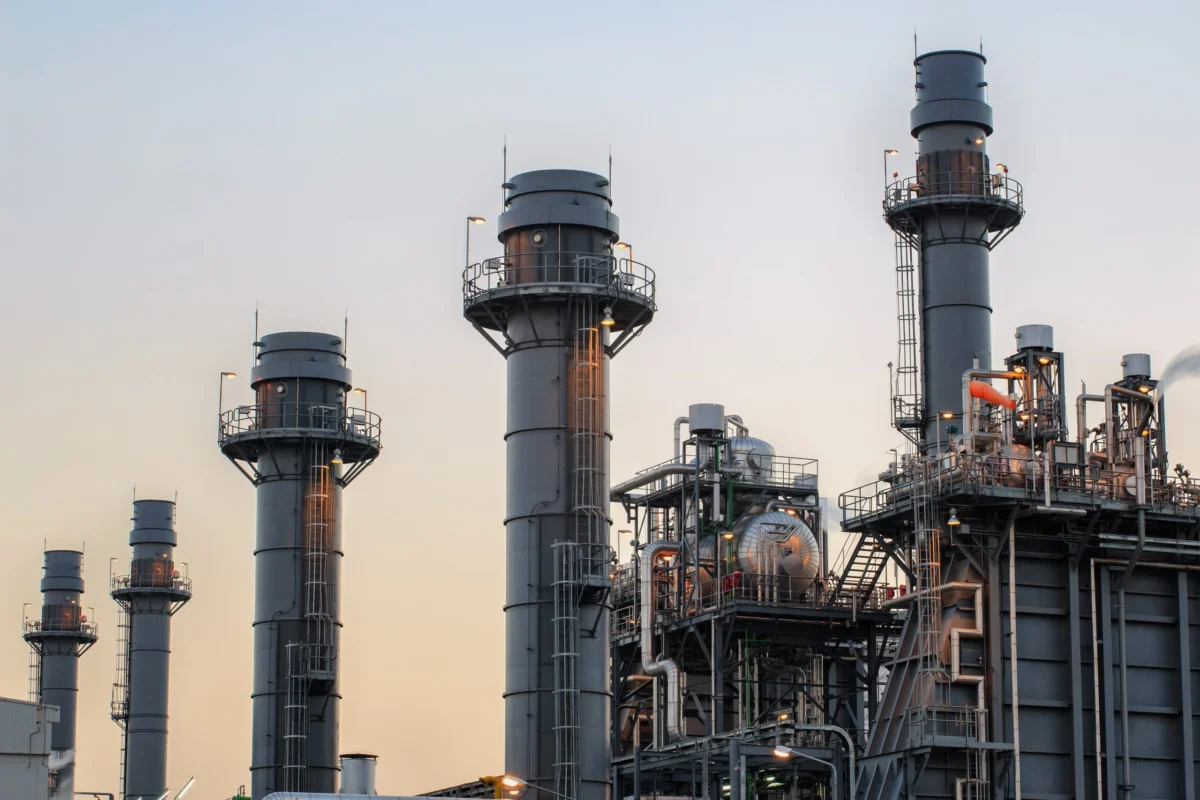
Following the cancellation, RWE has outlined its plans for the $1.2 billion settlement. A substantial portion, $900 million, is earmarked for the acquisition of a small stake in a liquid natural gas (LNG) export terminal located in Louisiana. This strategic investment signals a pivot towards natural gas, a fossil fuel, for a significant part of RWE’s U.S. portfolio. LNG export terminals are complex facilities designed to supercool natural gas to a liquid state, reducing its volume for efficient transportation via specialized ships to international markets. Louisiana is a prominent hub for the U.S. energy industry, with extensive infrastructure for natural gas production, processing, and export. RWE’s investment in this sector underscores the continued global demand for natural gas, often viewed by some as a "bridge fuel" in the transition away from more carbon-intensive energy sources like coal, despite its own considerable environmental footprint.
The remaining $300 million from the settlement is designated for the purchase of natural gas turbines. These turbines are intended to power 15 peaking power plants across the country. Peaking power plants are a critical component of modern electricity grids, designed to come online quickly and operate during periods of high electricity demand, or when intermittent renewable sources like wind and solar are not producing sufficient power. While essential for grid stability and reliability, peaking power plants are typically among the most expensive and, critically, the most polluting natural gas power plants to operate on a per-megawatt-hour basis. Their frequent start-stop cycles and less efficient operational profiles compared to base-load power plants contribute to higher emissions and operational costs.
The timeline for the completion of these 15 peaking power plants remains uncertain. The energy industry is currently facing a significant backlog for new natural gas turbines, a challenge that is reportedly stretching into the early 2030s. This backlog is driven by a confluence of factors, including supply chain disruptions, increased demand from various sectors—notably a surge in demand from data centers requiring reliable power—and manufacturing constraints. Such delays could impact grid stability plans and potentially lead to continued reliance on older, less efficient generation sources in the interim, or necessitate further investments in demand-side management or energy storage solutions.
Despite the substantial retreat from these specific offshore wind projects in the U.S., RWE has emphasized that this decision does not signify a broader abandonment of its global offshore wind strategy. The company remains a major player in the international offshore wind market. In a recent auction in the United Kingdom, for instance, RWE successfully secured 6.9 gigawatts of capacity, underscoring its continued commitment to and investment in offshore wind energy development in other regions where policy frameworks and market conditions are more favorable or stable. This highlights a strategic differentiation in RWE’s approach, adapting to specific regional market dynamics and political environments while maintaining its overall corporate direction towards renewable energy.
The Trump administration’s policy of coaxing developers to abandon renewable energy leases, culminating in $3.93 billion paid for 12 such cancellations, has several significant implications. Firstly, it represents a direct financial cost to taxpayers, effectively paying companies not to develop clean energy projects. Secondly, it leads to a reduction in the planned renewable energy capacity for the U.S., potentially hindering the nation’s ability to meet climate goals and transition to a cleaner energy grid. The cancelled projects would have contributed to reducing carbon emissions, enhancing energy independence through domestic clean sources, and creating jobs in the nascent offshore wind industry.
Furthermore, these actions send a powerful signal to international and domestic investors regarding the policy certainty and regulatory environment for renewable energy projects in the United States. Frequent policy reversals or interventions can deter future investments, as developers seek stable and predictable frameworks for their long-term, capital-intensive projects. The funds allocated for these cancellations could have been directed towards other public services or investments, underscoring the opportunity cost associated with these policy decisions.
The broader context of these cancellations fits within an "all-of-the-above" energy strategy often promoted by the administration, which emphasizes the development of all forms of energy, including fossil fuels. However, the specific action of paying to cancel existing renewable leases and redirecting funds to natural gas infrastructure points to a clear prioritization shift away from certain renewable developments in favor of traditional energy sources for these particular projects. This policy direction contrasts sharply with global trends and the climate objectives set by many international bodies and other national governments, which are actively promoting and subsidizing renewable energy expansion.
The future of energy development in the U.S., particularly for large-scale offshore wind, remains subject to the ebb and flow of political priorities and market forces. While RWE’s decision to shift funds locally towards natural gas is a direct consequence of the settlement, its ongoing global commitment to offshore wind suggests that the underlying economic and environmental drivers for renewable energy development persist, even if specific projects encounter unique challenges in certain jurisdictions. The long-term impacts of these cancellations on the U.S. energy mix, climate targets, and investment landscape will continue to unfold in the coming years.