 11
11

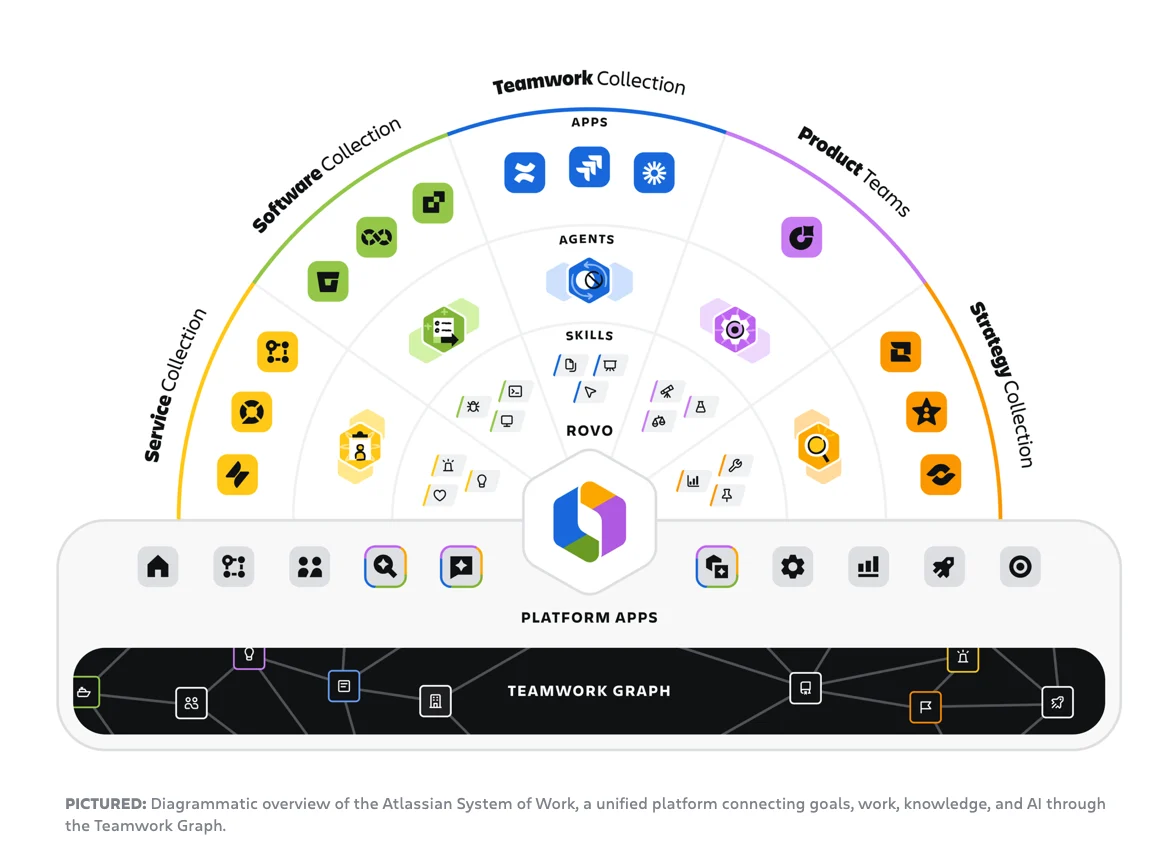
In an era defined by aggressive investment in digital transformation, a persistent paradox remains: organizations are purchasing more productivity tools than ever, yet the fundamental experience of work remains unnecessarily difficult. On March 12, 2026, new insights into the "System of Work" emerged, suggesting that the path to enterprise-wide efficiency lies not in working harder or hiring more consultants, but in adopting the principles of Developer Experience (DevEx). While leaders across industries struggle to identify the specific bottlenecks slowing their progress, software engineering teams have inadvertently created a blueprint for high-performance operations by focusing on the design of work itself rather than just the output.
The current landscape of enterprise productivity is characterized by a heavy reliance on external fixes. From the boardroom to the operational level, the standard response to stagnation has been to layer on new operating models, update software suites, and integrate generative AI. However, these investments often fail to address the underlying friction that permeates daily tasks. This friction is felt globally, yet few executives can articulate exactly where the momentum is being lost. In contrast, software teams have emerged as some of the most efficient units within the modern enterprise. This efficiency is not attributed to superior intelligence or technical prowess, but rather to a disciplined approach to reducing cognitive load and streamlining the "experience" of the employee.
DevEx, once considered a niche concern for IT departments, is now being recognized as a universal framework for organizational performance. Originally born from engineering constraints—the need to move code safely and quickly into production—DevEx focuses on minimizing the hurdles that prevent high-quality work. It is frequently misunderstood as a collection of office perks, such as leisure facilities or catered meals. In reality, DevEx is a rigorous methodology aimed at solving the universal problems that plague every knowledge worker, regardless of their department.
At the core of the DevEx philosophy are three primary pillars: purpose and context, work visibility, and knowledge availability. For a developer, building software is impossible without a clear understanding of the project’s importance and the definition of success. This need for context is identical for marketing, HR, and finance teams, yet these business units often operate in a vacuum of ambiguity. Furthermore, software teams utilize shared tooling to create real-time visibility, reducing the need for constant handovers and status meetings. Business-oriented teams, lacking this shared infrastructure, often succumb to "information debt"—a state where teams are overwhelmed by data but lack the accessible insights needed to make decisions.
The friction that slows down an organization is rarely the result of a "people problem." Instead, it is typically the accumulation of well-intended but uncoordinated rules. A prominent example can be seen in the financial sector, where a large-scale system of work redesign at a major bank revealed how "accidental complexity" halts progress. In this instance, software teams were required to navigate a labyrinth of checkpoints established by governance, cybersecurity, risk management, and architecture departments. While each requirement was logical in isolation, collectively they created a system that no one would have designed intentionally. Each silo was optimizing for its own specific outcome, inadvertently sacrificing the speed and clarity of the entire organization.
To combat this organic growth of friction, organizations must move toward intentionally designed flows. There are four critical flows that determine the effectiveness of any enterprise: the flow of value, the flow of information, the flow of feedback, and the flow of learning. Engineering departments have historically utilized explicit rituals—such as stand-ups, retrospectives, and automated deployment pipelines—to support these flows. Most business teams lack these rituals, which explains why the intersection of technology and business is often a primary source of organizational tension. When teams adopt shared context and open knowledge by default, coordination overhead drops significantly, decisions are made with greater velocity, and the reliance on meetings for alignment is minimized.
The transition from an inherited system of work to a designed system requires a shift in leadership mindset. Consistently high-performing teams do not succeed by "beating the system"; they succeed because they rely on systems designed to support them. This realization has significant implications for non-technical departments. Whether it is a marketing team racing to publish content or an HR team building employee experiences, the barriers to speed are almost always systemic. By treating the "System of Work" as a product that requires constant iteration and design, leaders can clear the path for their employees to focus on high-value tasks.
Improving the system of work does not necessarily require a massive, multi-year transformation project. Small, tactical interventions can yield outsized results in organizational performance. The first step involves creating clarity around goals and success metrics. When every team member understands the "why" behind their tasks, the cognitive load associated with ambiguity is removed. Secondly, organizations should strive for a "single source of truth" regarding work progress. By moving away from fragmented communication channels like email and siloed chat threads toward centralized work-tracking tools, teams can reduce the friction of coordination.
The third intervention focuses on the democratization of knowledge. High-performing software teams invest heavily in documentation and self-service information access. When business teams adopt this habit—creating decision logs and accessible knowledge bases—they prevent the "information debt" that leads to repetitive questioning and stalled projects. Finally, the most successful organizations commit to regular reviews of their work systems. Just as software is updated to remove bugs, the processes of a business must be audited to remove "process bugs" that no longer serve a purpose.
As the enterprise landscape continues to evolve, the organizations that thrive will be those that view productivity as a system problem rather than a personnel issue. The rise of DevEx has provided a blueprint for what is possible when the experience of work is designed deliberately. This approach moves the conversation away from "working harder" and toward "working better" by removing the systemic barriers that prevent employees from reaching their full potential.
Ultimately, the goal of integrating DevEx principles across the enterprise is to create an environment where high-quality outcomes are the natural result of the system, rather than the result of heroic individual effort. The lessons learned by software teams—reducing handoffs, increasing transparency, and prioritizing the flow of information—are now the gold standard for any organization seeking to maintain a competitive edge. In the coming years, the primary differentiator between successful and failing enterprises will not be their toolset, but the intentionality with which they design the experience of work for their people. Productivity is not an operating model problem; it is a system problem, and the blueprint for the fix has already been written by the world’s most efficient software teams. Organizations that recognize and implement these principles will find themselves delivering higher-quality work at a pace that was previously thought impossible.