 11
11
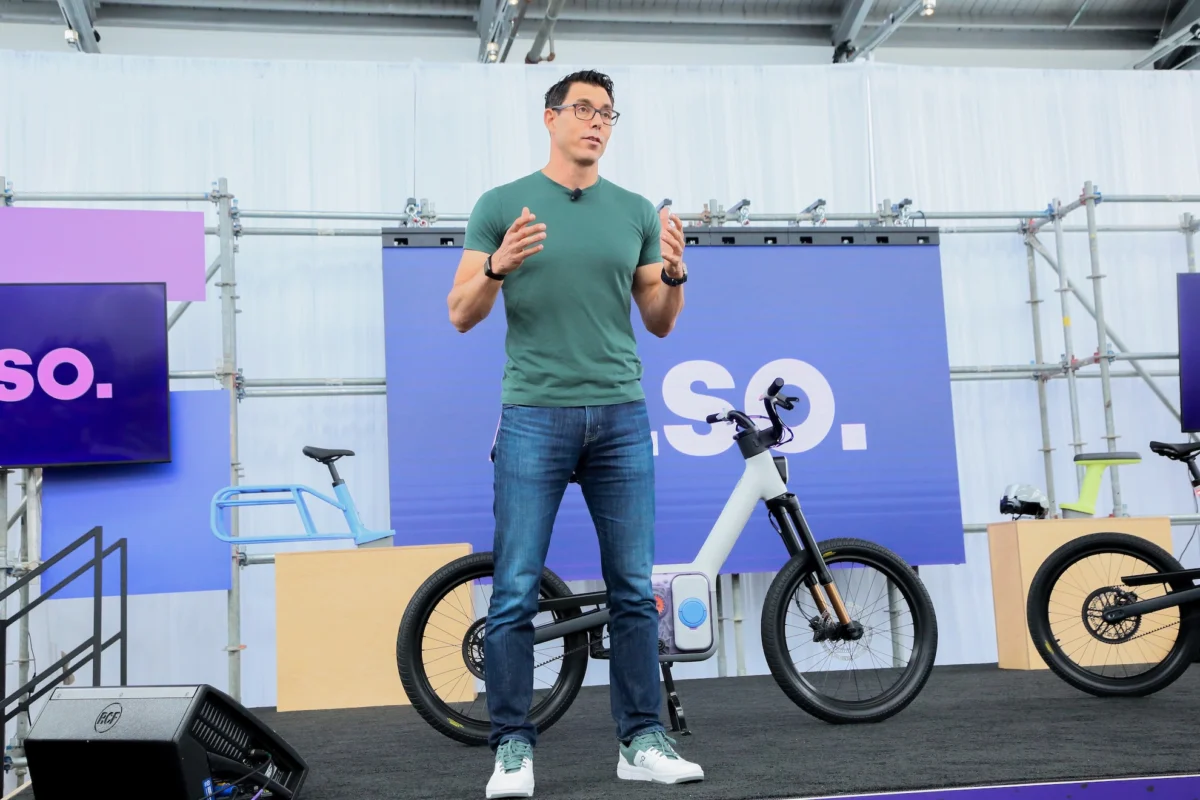
Also, a micromobility startup spun out of electric vehicle manufacturer Rivian, is finally poised to begin delivering its inaugural e-bikes to customers next week. This significant milestone comes after several months of unforeseen delays, which the company attributed to unspecified global supply chain disruptions. The initial shipments represent a crucial step for Also, marking its transition from product development and pre-orders to actual market deployment, while simultaneously navigating the challenges of customer expectations and the complexities of scaling manufacturing.
The company confirmed to TechCrunch on Friday that the highly anticipated Launch Edition of its TM-B e-bike has commenced shipping operations. These premium e-bikes, which carry a retail price tag of $4,500, are currently en route from their manufacturing facilities to Also’s primary warehouse located within the United States. Also has communicated its expectation to complete the delivery of all Launch Edition bikes to their respective customers within a window stretching from next week through September. This updated timeline follows a previous revision and underscores the logistical hurdles inherent in bringing a new vehicle product to market.
Also’s origins trace back to 2022, when it began as an internal "skunkworks project" within Rivian. The initiative was spearheaded by Rivian CEO RJ Scaringe, who envisioned an e-bike product that would seamlessly complement Rivian’s existing portfolio of electric adventure vehicles, catering specifically to an outdoors-oriented consumer base. For several years, the project remained under wraps, undergoing extensive research and development. During this formative period, the company even engaged the expertise of LoveFrom, the acclaimed design firm founded by Apple’s former chief design officer, Jony Ive, to assist with the early conceptualization and aesthetic development of the e-bike. This high-profile collaboration was initially reported by TechCrunch in 2025, signaling Rivian’s serious commitment to the project’s design integrity and market potential.
In a pivotal strategic move in March 2025, Rivian formally spun out Also as an independent corporate entity. This separation was bolstered by a substantial $105 million in backing from Eclipse, a venture capital firm known for its investments in industrial technology companies. This significant financial injection provided Also with the necessary capital to accelerate its development, establish its own operational infrastructure, and pursue its ambitious product roadmap beyond just e-bikes. The startup officially unveiled its first product, the TM-B e-bike, to the public in October of the previous year. At the time of its reveal, Also had initially targeted a "spring 2026" ship date for the TM-B. However, these initial projections were ultimately derailed by persistent supply chain challenges, compelling the company to adjust its delivery window, first to July, and now to the current timeframe extending into September.
The root cause of these delays was elaborated upon by Also in June, through a detailed statement published on its official support page. The company cited "current stress on global supply chains" as the primary contributing factor. Specifically, Also highlighted "a rapid, industry-wide spike in demand for raw materials and electronic components" which had directly impacted the availability and procurement of "key parts required for the TM-B." This widespread industry pressure, the statement explained, "temporarily delayed our planned manufacturing ramp-up and pushed our first delivery dates past our original spring window." Reassuring its customer base, Also emphasized its commitment to product integrity, stating, "Our engineering and production teams are working around the clock to minimize these constraints without cutting a single corner on safety or quality." Despite this detailed explanation, the company notably declined to specify which particular components or raw materials were responsible for the critical delays, leaving some ambiguity for waiting customers.
While the immediate focus remains on fulfilling current TM-B e-bike orders and managing customer expectations, Also harbors aspirations that extend far beyond a single e-bike model. The startup strategically positions itself as a broader "vehicle" company, signaling its intent to develop a diverse range of mobility solutions. Reflecting this expansive vision, Also has already forged significant partnerships for future products. Among its announced initiatives, the company has plans to develop and supply four-wheel pedal-assist cargo vehicles specifically designed for Amazon’s logistics network. This collaboration underscores Also’s potential role in the burgeoning last-mile delivery sector, offering environmentally friendly and efficient solutions for urban logistics. Furthermore, Also is also engaged in a project to develop autonomous delivery vehicles for DoorDash, a leading food delivery platform. This venture into autonomous technology highlights the company’s long-term ambition to innovate at the forefront of future mobility and logistics, leveraging advanced technological capabilities to address evolving urban transportation needs.
However, before fully realizing these ambitious future plans, Also must successfully navigate the immediate operational challenges associated with delivering its first commercial product. Beyond the logistics of shipping, the company faces the critical task of managing customer service and expectations, especially in the wake of repeated delays. This challenge became particularly evident towards the end of July, the previously communicated revised delivery month, when a significant number of customers expressed their frustrations in a thread on the r/ALSOmicromobility subreddit, a community dedicated to the brand.
One original poster on the subreddit articulated a common sentiment, writing, "I’m really frustrated by the lack of communication and the actual miscommunication/lies from Also regarding shipment timelines." The user further questioned the company’s approach to customer relations, stating, "Why do they keep making these promises about shipping timelines just to blow right past them without any communication or actual updates? It really makes no sense." This sentiment of frustration over transparency and consistent updates was echoed by others. A different user, attempting to maintain a semblance of optimism despite the passing deadline, responded with a touch of sarcasm: "Hey we’ve still got a few business hours left in July. Maybe we’ll get an email later this morning 😉." This exchange underscored the palpable tension and uncertainty among the early adopters.
The mounting impatience ultimately led to tangible consequences for Also. While some customers held out hope, others decided to take decisive action. One user bluntly stated, "Couldn’t wait any longer and canceled my reservation," illustrating the direct impact of prolonged delays and perceived communication gaps on customer loyalty and pre-order commitments. These public expressions of discontent highlight the delicate balance startups must strike between ambitious launch timelines and the realities of production, particularly when facing unforeseen global disruptions. Effective and transparent communication becomes paramount in maintaining trust and managing the expectations of an invested customer base.
This report was compiled by Sean O’Kane, a seasoned reporter with a decade of experience covering the rapidly evolving business and technology landscape of the transportation industry. O’Kane’s extensive background includes in-depth coverage of major players such as Tesla and numerous startups vying for market share in the electric vehicle sector. Most recently, he served as a reporter at Bloomberg News, where he played a key role in breaking stories related to some of the most notable EV SPAC (Special Purpose Acquisition Company) failures. Prior to his tenure at Bloomberg, O’Kane worked at The Verge, where his reporting encompassed consumer technology, and he was also involved in producing various short- and long-form videos, performing product and editorial photography, and once famously recounted an incident where he nearly fainted during a flight in a Red Bull Air Race plane. For verification or direct communication, Sean O’Kane can be reached via email at [email protected] or through encrypted message at okane.01 on Signal.