 11
11

Eighteen months after a significant $665 million acquisition by chipmaker AMD, Finnish entrepreneur Peter Sarlin has announced his departure from the unit now known as AMD Silo AI, where he served as CEO. Sarlin, a prominent figure in the European tech landscape, is now channeling his expertise and vision into two new ventures: NestAI, a physical AI laboratory, and QuTwo, an ambitious AI startup focused on preparing companies for the forthcoming era of quantum computing. This strategic move marks a new chapter for Sarlin, pivoting towards the cutting edge of artificial intelligence and quantum technologies.
QuTwo, currently receiving full funding from Sarlin’s family office, PostScriptum, positions itself as an "AI lab for the quantum era." Its distinctive approach involves actively engaging with enterprise customers today, rather than merely awaiting the full maturity of quantum computing. This proactive strategy is exemplified by its collaboration with European fashion retailer Zalando, where the two entities are jointly developing "lifestyle agents." These advanced AI tools are designed to transcend conventional product search functionalities, proactively suggesting personalized products and experiences to consumers, thereby offering a more integrated and intuitive shopping journey. Similarly, QuTwo has initiated a joint quantum AI research initiative with OP Pohjola, a major financial services provider in Finland, indicating a broad commercial applicability across diverse sectors.
The foundational premise behind QuTwo is the growing recognition that artificial intelligence, in its current classical computing paradigms, is confronting an efficiency wall. This barrier manifests in escalating computational demands and energy consumption, challenging the scalability and sustainability of increasingly complex AI models. Quantum computing, with its potential for exponential processing power and fundamentally different computational approaches, is widely anticipated to offer solutions to these burgeoning challenges. However, QuTwo is not placing its bets on a definitive timeline for quantum computing’s widespread commercial viability. Instead, as Sarlin shared with TechCrunch, the startup is diligently constructing QuTwo OS. This operating system is conceived as a sophisticated orchestration layer designed to facilitate a seamless transition for companies from classical to quantum computing environments, crucially incorporating hybrid computing solutions along the way. This approach allows enterprises to leverage the immediate benefits of classical hardware while gradually integrating quantum capabilities as they become available.
Sarlin’s commitment to the quantum future is not new; his family office, PostScriptum, has previously invested in leading Finnish quantum companies such as IQM and QMill. These investments underscore a growing conviction among a cohort of visionary investors that quantum computing will ultimately surpass the capabilities of classical computers across a diverse range of industrial applications. Furthermore, quantum technology is expected to significantly mitigate the intensive energy demands currently associated with advanced AI operations. Sarlin, however, maintains a pragmatic view, anticipating that initial real-world use cases will necessitate mixed hardware environments. His conviction is that enterprises would prefer to concentrate on their core business challenges, delegating the complex routing and management of computational tasks between classical and quantum processors to QuTwo OS.
In this context, the concept of "quantum-inspired" computing gains significant traction. This innovative middle ground offers a viable solution in the present day, as it utilizes classical hardware to simulate quantum behavior. This allows businesses to explore and develop quantum algorithms and concepts without being hindered by the current developmental hurdles and limitations of nascent quantum hardware. QuTwo OS is engineered with inherent flexibility, designed to support both quantum and non-quantum algorithms, as well as various chip architectures, ensuring adaptability and future-proofing for its clients.
The strength of QuTwo lies in its formidable team, which brings a wealth of experience from both sides of the quantum-AI divide. On the quantum front, the company benefits from the expertise of Kuan Yen Tan, a co-founder of IQM, and board member Antti Vasara, who also chairs SemiQon, another Finnish semiconductor startup dedicated to quantum chips. This ensures deep knowledge of quantum hardware and theoretical advancements. The enterprise and AI side is equally robustly represented by Sarlin himself and Kaj-Mikael Björk, one of his former co-founders at Silo AI, bringing invaluable experience in building and scaling AI solutions for businesses. The board is further bolstered by the addition of Pekka Lundmark, the former CEO of Finnish telecom giant Nokia, whose strategic leadership experience will be pivotal. This diverse team collectively comprises over 30 quantum and AI scientists, a testament to the depth of technical and commercial acumen within the organization.
Despite its deep engagement with quantum technologies, Sarlin explicitly clarifies QuTwo’s identity: "We’re building for the quantum world, but QuTwo is an AI company." This statement underscores that QuTwo’s primary mission is to advance AI capabilities, specifically by "pushing AI workloads from classical to quantum." This strategic focus means that QuTwo’s potential customer base is remarkably broad, spanning various industries seeking to enhance their AI prowess and prepare for future computational paradigms.
From its inception, QuTwo has adopted a commercially oriented strategy. Sarlin revealed that the company has already secured "large design partnerships which are in the tens of millions." Design partnerships are a critical component of QuTwo’s early growth and product development strategy. In this model, the vendor (QuTwo) co-develops its product in close collaboration with enterprise customers. This symbiotic relationship allows QuTwo to gain invaluable insights into customer expectations, specific industry challenges, and practical application requirements as it refines its product offerings. For the participating enterprises, these partnerships represent a strategic investment and a proactive step towards establishing an early competitive advantage, positioning them at the forefront of innovation should quantum computing achieve widespread commercial viability.
TechCrunch Event:
San Francisco, CA | October 13-15, 2026
About the Author:
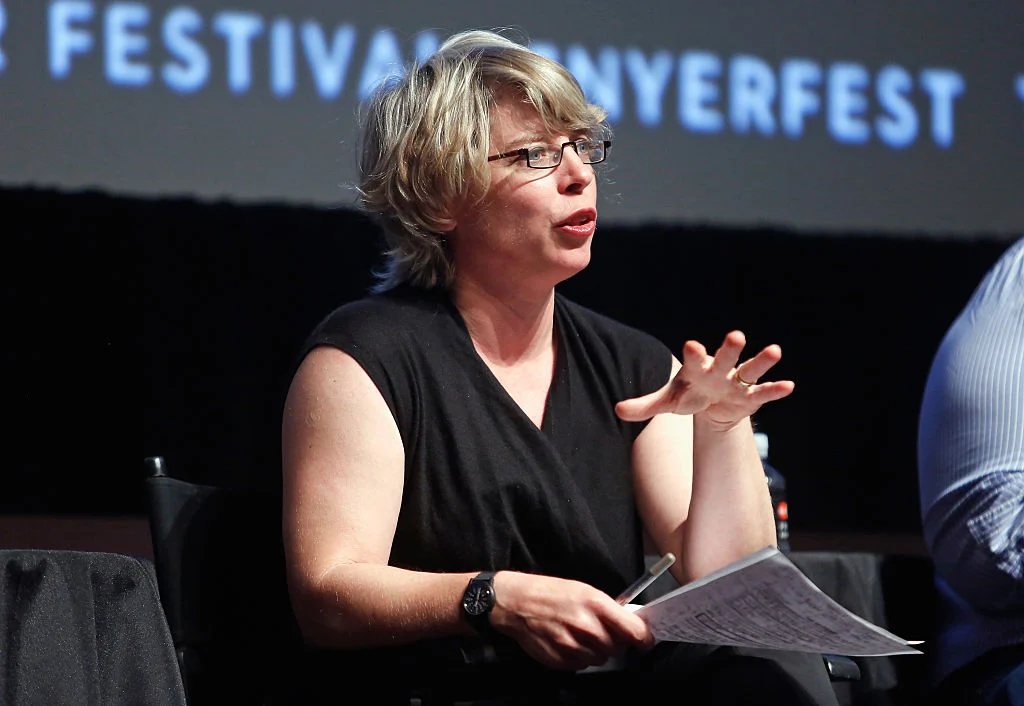
Anna Heim is a distinguished writer and editorial consultant, with a significant tenure as a freelance reporter for TechCrunch since 2021. Her extensive coverage spans a wide array of startup-related topics, including artificial intelligence, fintech and insurtech, SaaS and pricing strategies, and global venture capital trends. As of May 2025, her reporting for TechCrunch is specifically focused on highlighting Europe’s most compelling startup stories. Anna is a seasoned moderator of panels and has conducted numerous onstage interviews at prestigious industry events, including major tech conferences such as TechCrunch Disrupt, 4YFN, South Summit, TNW Conference, and VivaTech. A former LATAM & Media Editor at The Next Web and a startup founder, she is also an alumna of Sciences Po Paris, fluent in multiple languages including French, English, Spanish, and Brazilian Portuguese. She can be contacted or verified via email at annatechcrunch [at] gmail.com.