 11
11
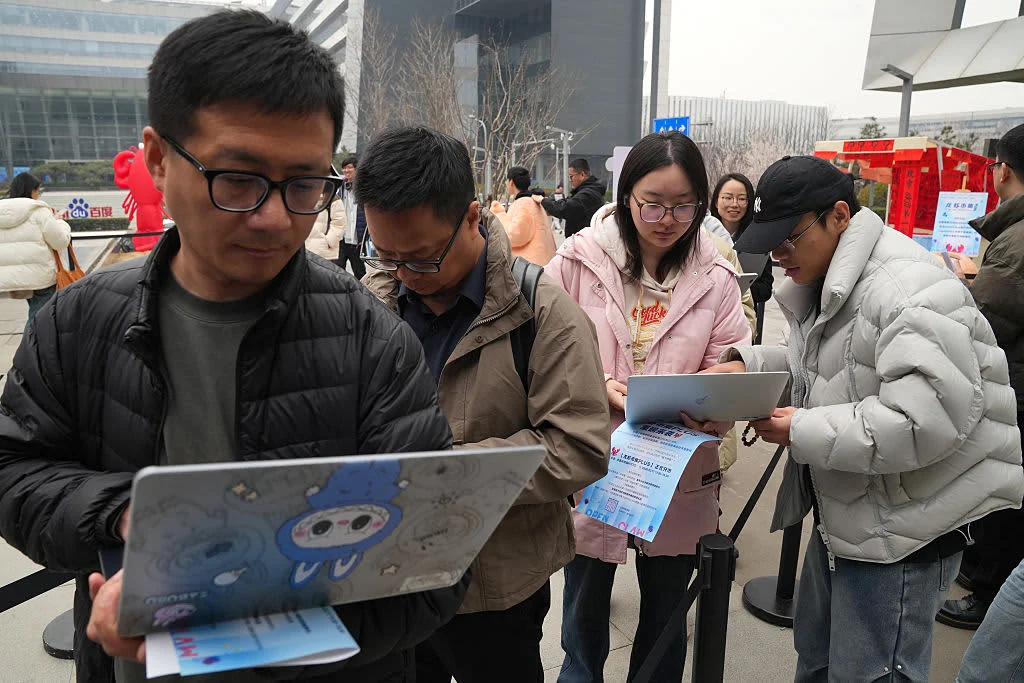
BEIJING – An unprecedented surge in demand for the OpenClaw artificial intelligence agent in China has led to a surprising economic ripple effect: a significant increase in the prices of secondhand Mac computers. This phenomenon, according to Jeremy Ji, chief strategy officer and general manager of international business at ATRenew, a prominent used consumer electronics buyer and reseller, is directly linked to the burgeoning adoption of this advanced AI tool. ATRenew, which collaborates with tech giants like Apple and e-commerce platforms such as JD.com within mainland China, has observed this trend firsthand.
OpenClaw, an AI agent capable of autonomously executing personal tasks like sending emails and managing online shopping, has seen its usage in China rapidly outpace that in the United States, according to data from American cybersecurity firm SecurityScorecard. However, the widespread adoption of this powerful, yet free-to-download software, is not without its concerns. The inherent security risks associated with AI agents that can operate autonomously have prompted many users to adopt a cautious approach. To mitigate potential vulnerabilities, users are increasingly opting to run OpenClaw on dedicated cloud computing servers or on separate laptops, distinct from their primary computing devices. This precautionary measure is driven by the potential for an unchecked AI agent to inadvertently alter sensitive personal data, such as banking information, or to inadvertently create pathways for malicious actors to access such data.

As individuals across China eagerly embrace the OpenClaw trend, a notable shift towards preowned computers has become evident, as explained by Ji in a recent phone interview. He drew a parallel between the current demand surge and the widespread consumer behavior observed during the COVID-19 pandemic, a period that saw a significant increase in the purchase of personal computing devices due to extended periods of remote work and increased time spent at home.
Consequently, ATRenew is reporting that from March through May of this year, the pricing for Apple products has remained robust, mirroring the elevated price points typically seen during the peak fall season, which coincides with the highly anticipated release of new iPhone models. This stands in stark contrast to the usual price depreciation that conventionally occurs in the spring market. Ji further elaborated that the typical price differential between a new MacBook and a used one sold through ATRenew is approximately 15%.
The preference for Apple’s Mac Mini as an initial platform for early OpenClaw adopters is attributed to the power efficiency of Apple’s self-developed chips, with the latest iterations like the M5 offering superior performance per watt compared to chips found in many Windows-based computers. ATRenew is observing a trend where users are trading in their MacBooks equipped with older M1 and M2 chips in favor of newer models featuring M4 or M5 processors. "We are indeed witnessing a growing demand for laptops and PCs as a whole," Ji stated, "but it is Apple’s Mac devices that are benefiting disproportionately from this trend to experiment with OpenClaw." The sustained and strong consumer interest in more powerful secondhand MacBooks is evident, prompting ATRenew to adjust its buyback prices upward in an effort to bolster the supply of available used Macs. Ji anticipates that this trend could persist throughout the remainder of the year.

The OpenClaw AI agent was initially launched in November by Austrian developer Peter Steinberger. However, the recent surge in its popularity within China began in early March, catalyzed by the strategic adoption of OpenClaw by major Chinese tech companies, including Tencent. These companies are leveraging OpenClaw as a means to attract and engage a broader user base. While Ji refrained from disclosing specific figures regarding the volume of MacBooks processed by ATRenew since late February, he noted that the company’s average daily processing volume for devices last year was approximately 100,000. He projects that the proportion of MacBooks and other laptop and personal computing devices within ATRenew’s business could expand to 20%, an increase from the current 15%.
Adding significant weight to the burgeoning interest in OpenClaw, Jensen Huang, the CEO of U.S. chip giant Nvidia, declared on Tuesday during an interview with CNBC’s Jim Cramer that OpenClaw is "definitely the next ChatGPT." Huang further characterized OpenClaw as "the largest, most popular, the most successful open-sourced project in the history of humanity."
The overarching demand for AI computing power has also contributed to a general increase in the prices of memory chips, which are fundamental components for both smartphones and laptops. This price surge in memory chips has, in turn, influenced consumer purchasing decisions in China, encouraging a greater number of individuals to opt for used Apple smartphones over flagship Android-based devices, according to Ji.