 11
11
The digital marketing landscape is undergoing a significant evolution, with a growing emphasis shifting from optimizing for individual keywords to mastering broader topics. This paradigm shift, often touted by industry influencers, reflects a deeper understanding of how modern search engines, particularly those powered by AI, interpret and rank content. The core idea is to move beyond a granular, star-by-star approach to lighting up the search results, and instead illuminate entire galaxies of related concepts.
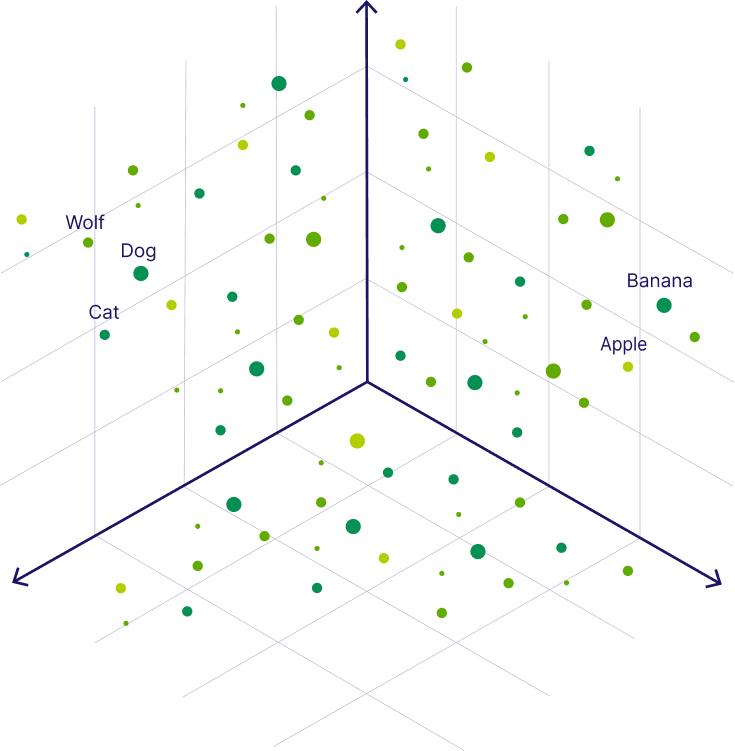
At its essence, a keyword is the precise phrase a user types into a search engine, such as "best running shoes for flat feet." A topic, conversely, is the overarching conceptual space that encompasses a cluster of related keywords, intents, and ideas, like "running footwear." This distinction is not merely semantic; contemporary search engines and AI systems operate within "semantic spaces," mapping meaning based on the relationships between various entities. Keywords, in this context, are foundational data points, but they are interconnected with webpages, multimedia content, and other digital assets through "vector embeddings." Brands, too, occupy this space, with their association to topics strengthened by "knowledge graphs," which are databases detailing real-world entities and their interconnections. This intricate mapping influences which brands emerge as authoritative for an entire subject area, not just for isolated queries.
To effectively navigate this evolving search environment, a three-tier approach to topic optimization is crucial, acknowledging that not all topics are created equal in terms of their scope and complexity.
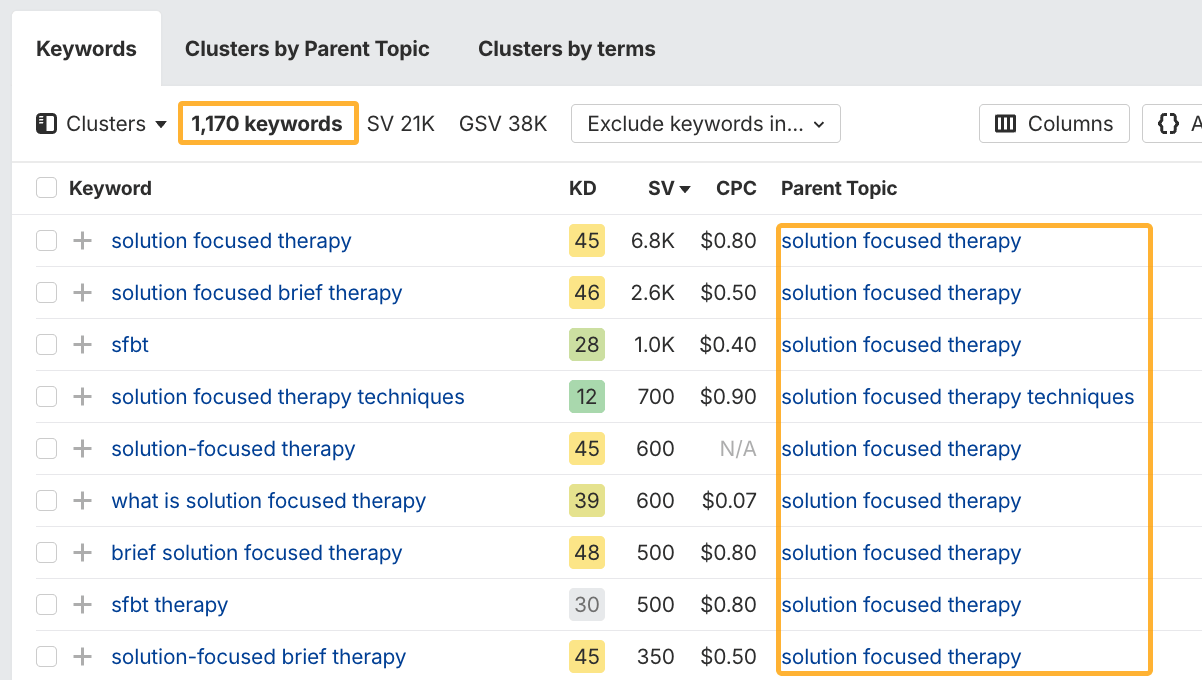
Tier 1: Clearly Defined Topics
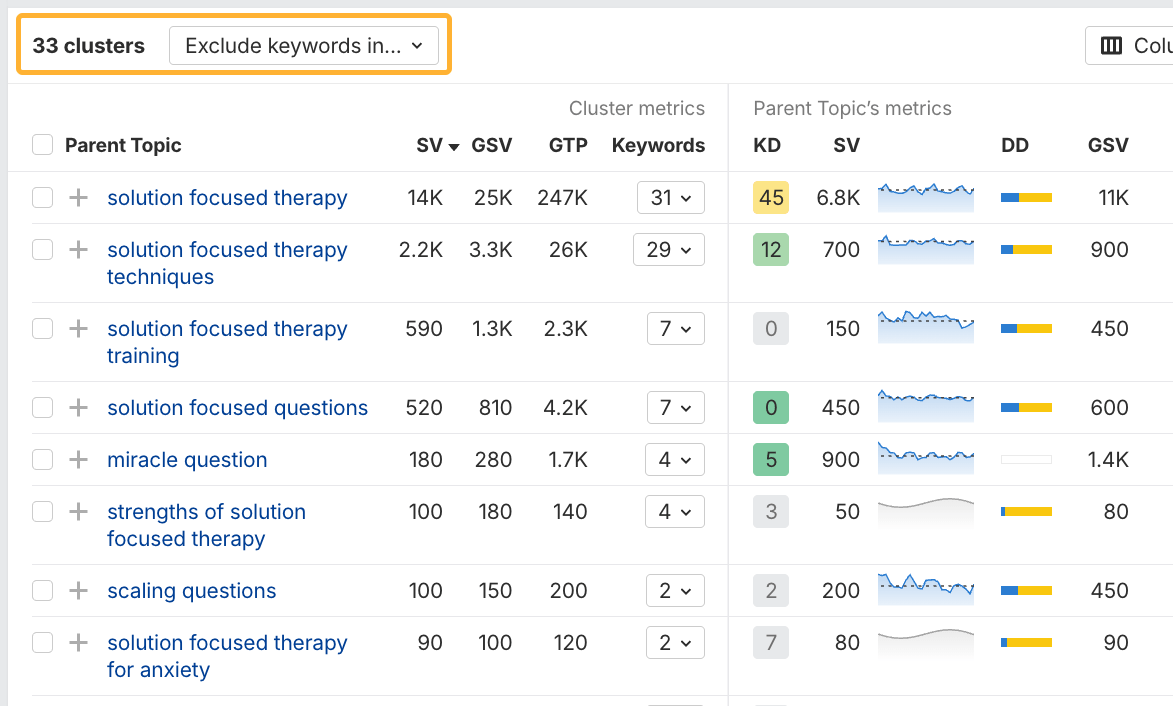
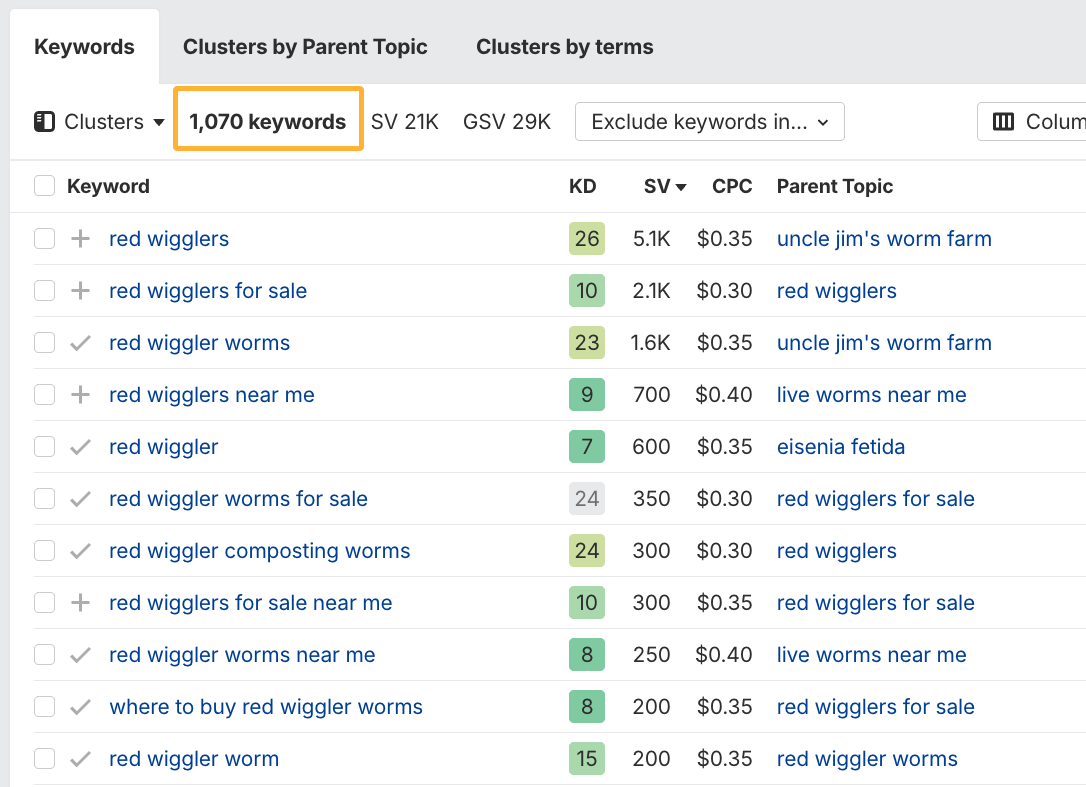
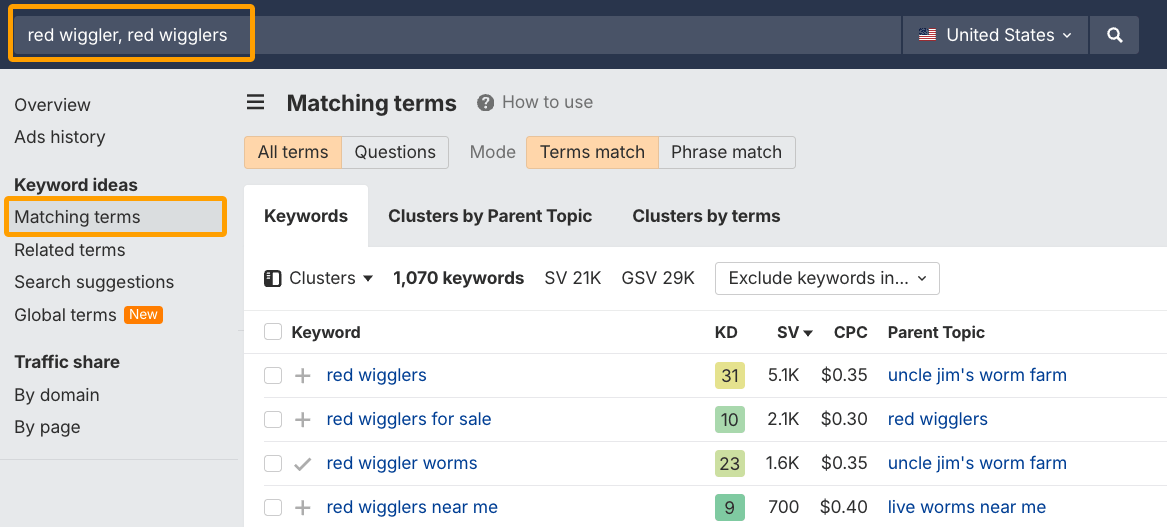
These are topics with distinct boundaries, characterized by a limited number of relevant keywords, consistent user intent, and a scope that a single brand can comprehensively cover. Analogous to a small, self-contained solar system, these topics are manageable and straightforward to dominate. For instance, a specialized worm farmer focusing solely on red wigglers might only need to consider approximately 1,070 keywords. Many of these can be addressed with a focused content strategy of 12 to 15 blog posts and relevant e-commerce pages. Similarly, a niche service like Solution-Focused Brief Therapy (SFBT) might have around 1,000 keywords, many sharing the same parent topic, potentially requiring up to 33 pieces of content for significant visibility.
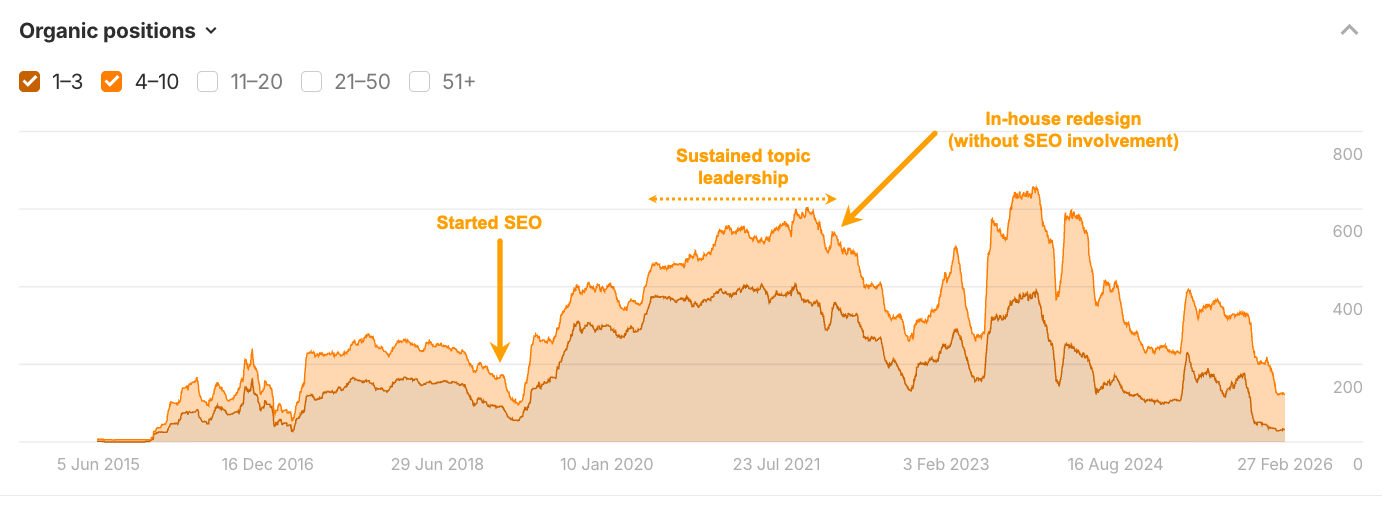
For such well-defined topics, a content ceiling is reached once all relevant aspects have been covered. The objective then shifts from exponential growth to sustained leadership through enhanced brand authority and awareness. Success here is defined by maintaining a high plateau of visibility and becoming a recognized authority within that specific niche. The pitfall to avoid is expanding into adjacent, less relevant topics, which can dilute topical focus and fail to attract quality leads.
Tier 2: Ambiguous Topics
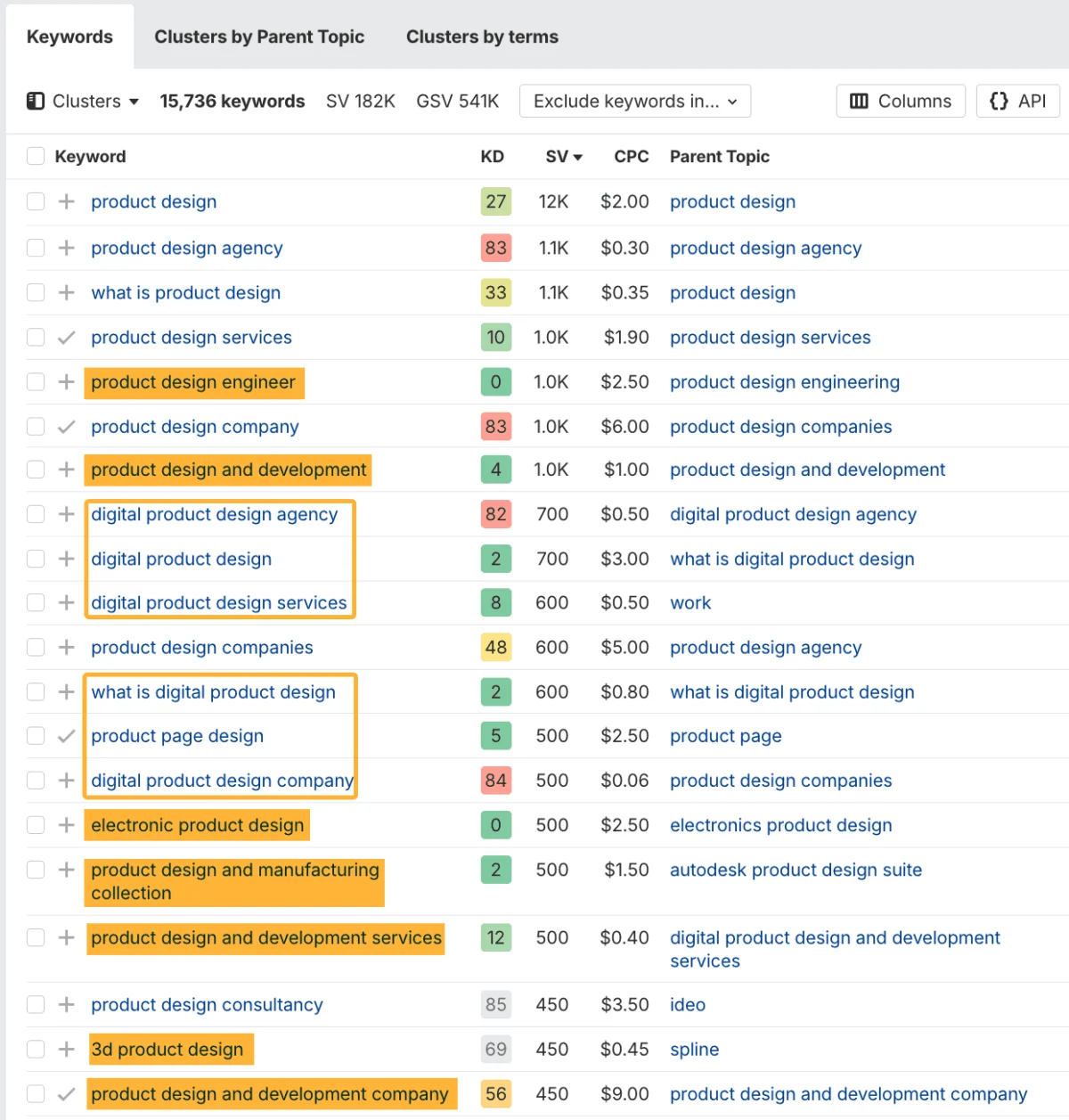
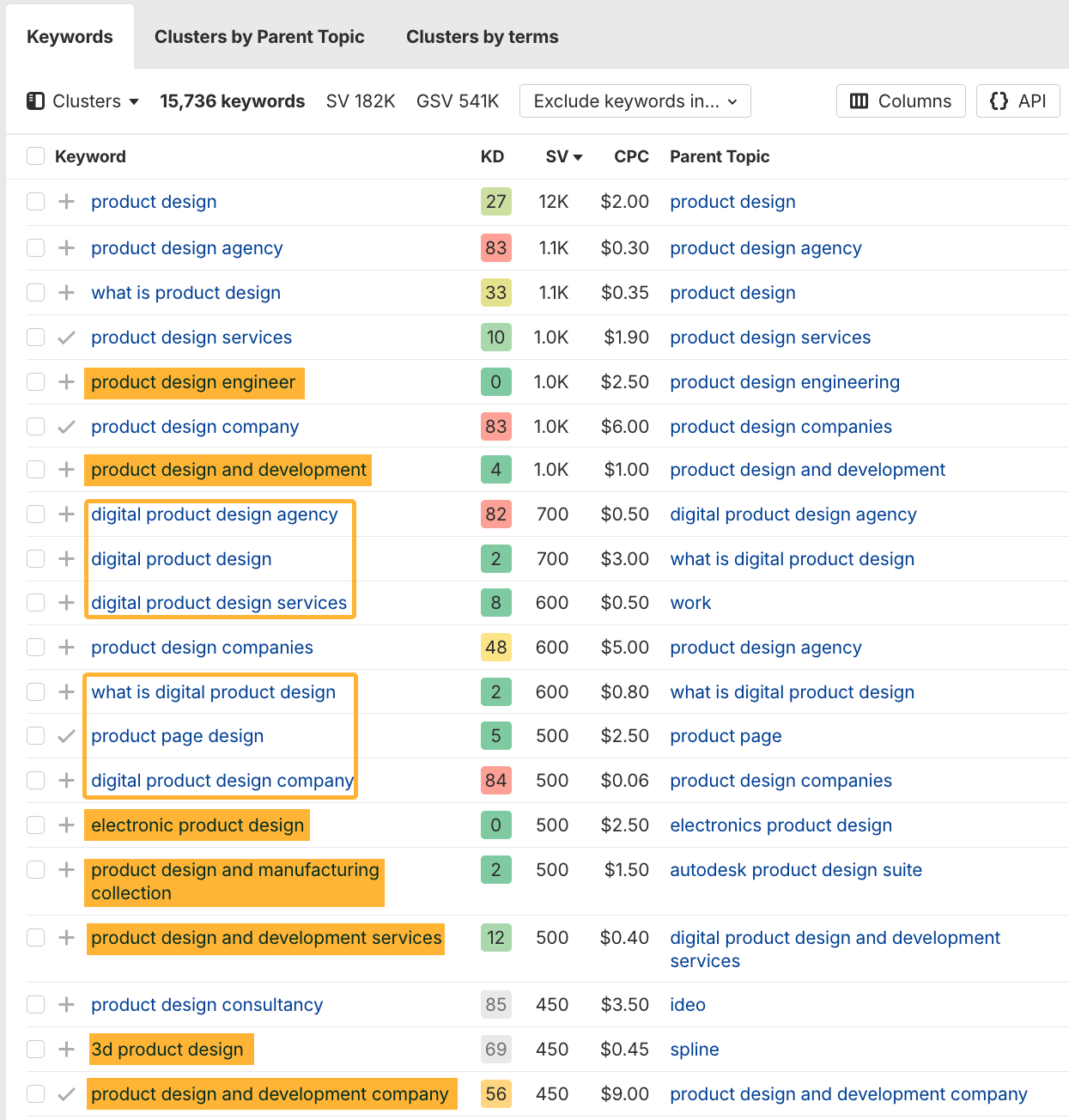
These topics present a greater challenge due to their inherent ambiguity, larger keyword sets, mixed user intents, and fuzzy boundaries. Imagine this as a complex solar system with multiple celestial bodies orbiting different gravitational centers, making it difficult to discern clear affiliations. "Product design" serves as a prime example, encompassing queries related to UX and prototyping alongside physical manufacturing and industrial design. The keywords within these topics are often difficult for both humans and machines to categorize definitively, mirroring the historical debate over Pluto’s planetary status.
Brands operating within ambiguous topics cannot realistically "own" the entire subject area due to prevailing ambiguity. Instead, the focus should be on becoming a leader within the segments that are most relevant to the brand’s offerings. Success is measured by establishing authority within specific sub-domains of the topic. The risk of misinterpreting keyword intent and optimizing for unrelated areas is significant, underscoring the need for a nuanced, semantic SEO approach rather than solely relying on keyword volume.
Tier 3: Expansive Topics
These topics are characterized by a lack of defined boundaries, continuously expanding due to evolving user queries and AI-driven content generation. This is akin to navigating entire galaxies. Keyword lists can run into the hundreds of thousands or even millions. Manual keyword research is impractical at this scale. The emphasis shifts to identifying and leveraging structural patterns and clusters within vast datasets.
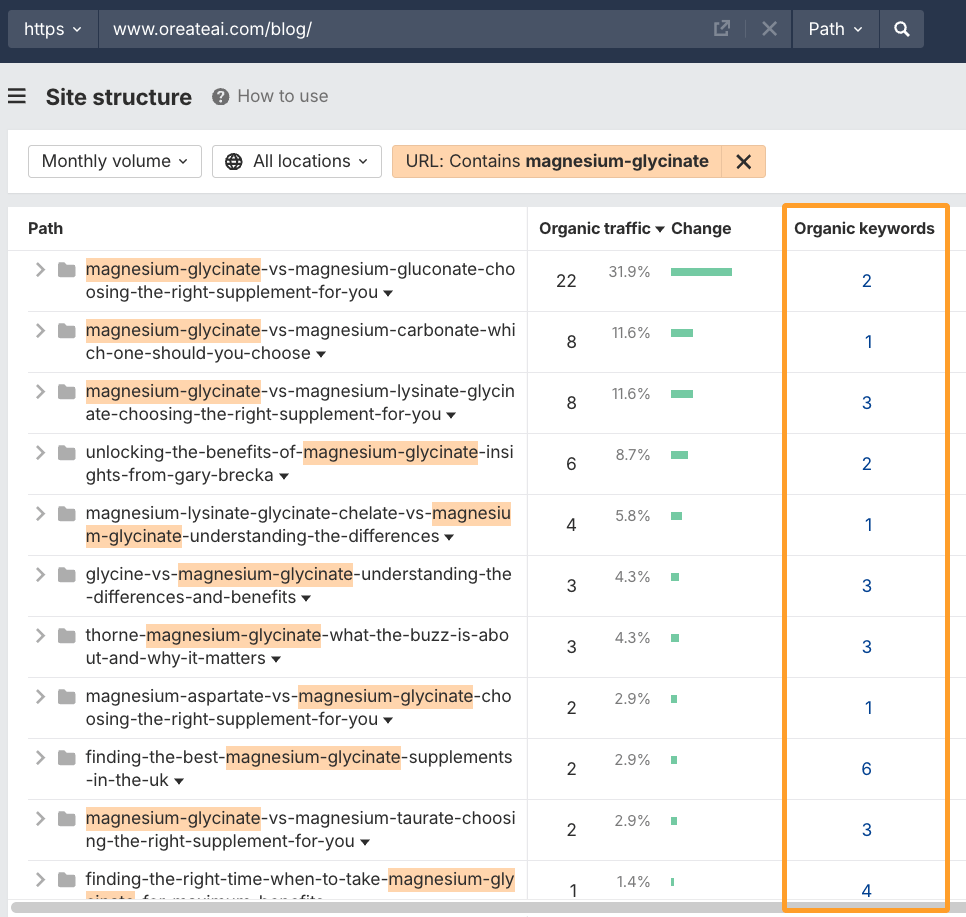
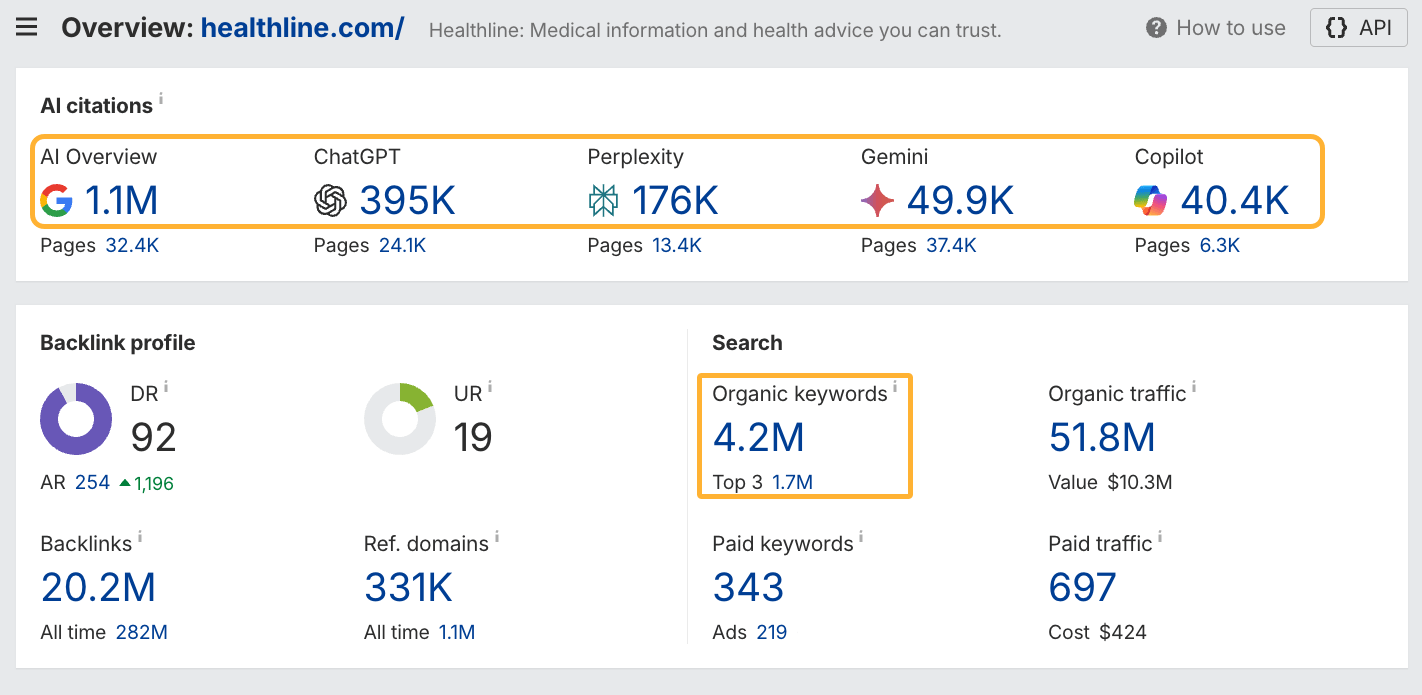
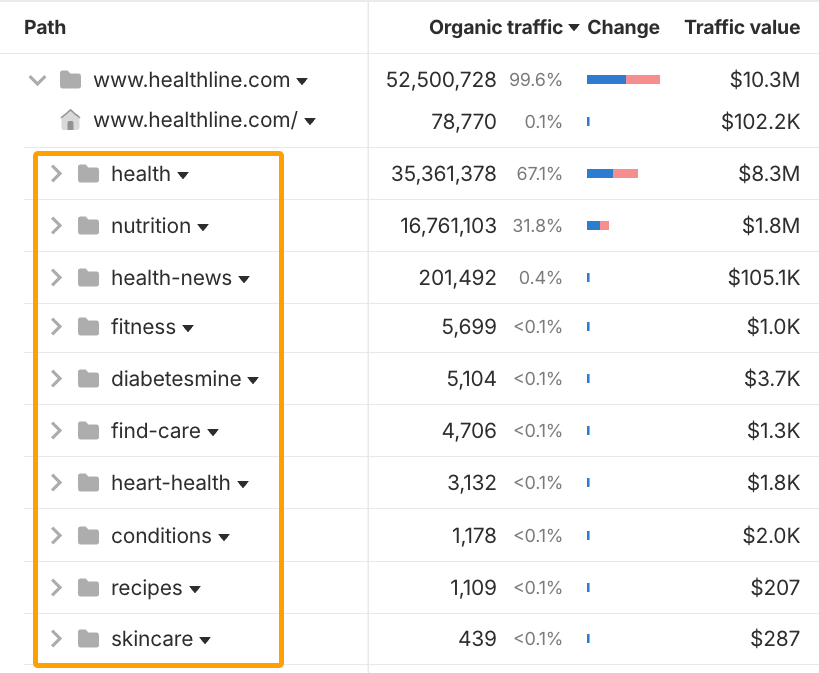
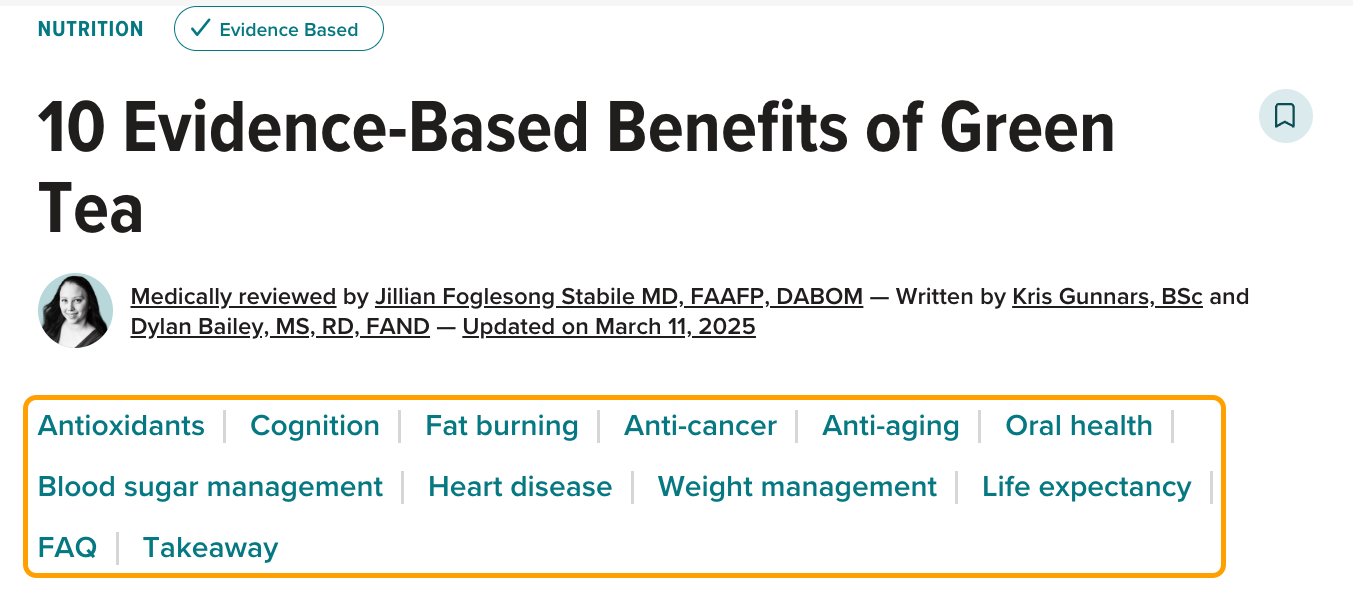
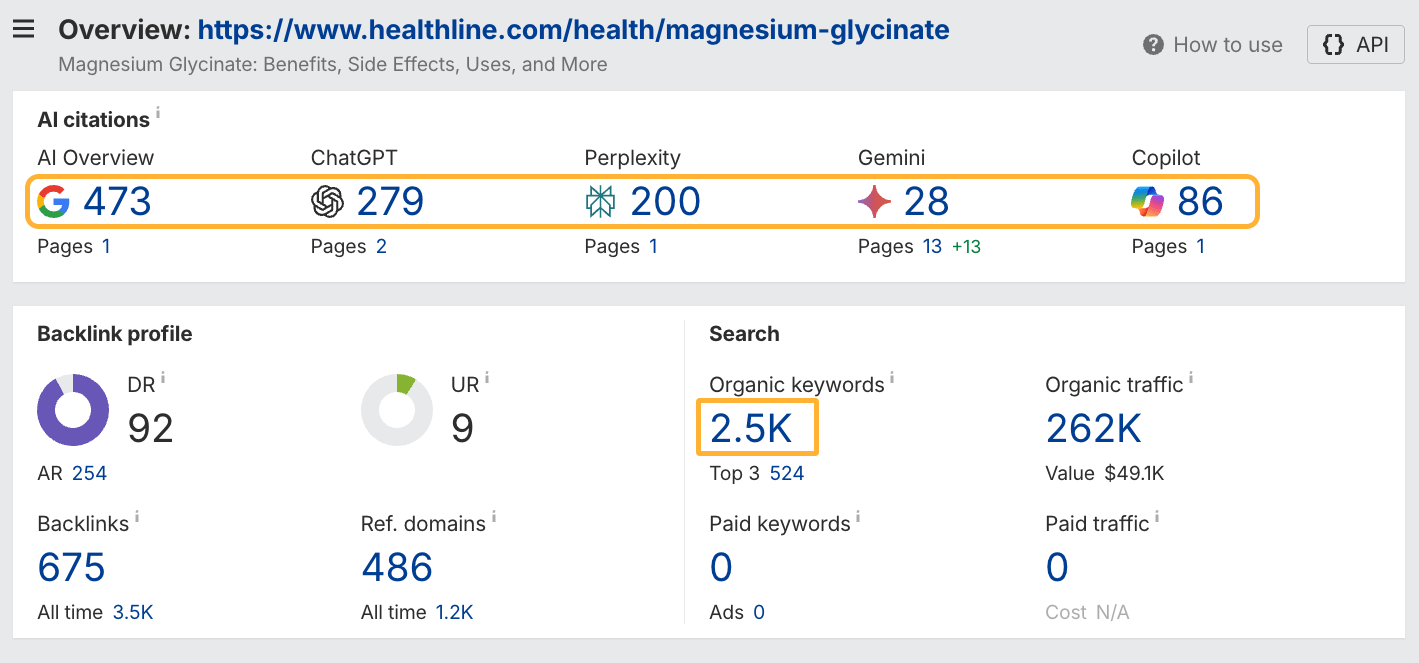
Leading platforms like Healthline exemplify this tier. Their extensive coverage of health-related queries, spanning symptoms, conditions, treatments, and medications, demonstrates an understanding of underlying patterns rather than an exhaustive pursuit of every individual keyword. Healthline strategically employs content pillars for various health domains, ensuring comprehensive topical coverage. Their approach prioritizes building a resource that search engines recognize as an authoritative hub for entire medical subject areas. This contrasts with approaches that create numerous pages targeting specific, narrow keywords, often resulting in less efficient content creation for the breadth of information covered. Topical authority, in this context, drives visibility, not the other way around.

A Step-by-Step Approach to Topic Optimization
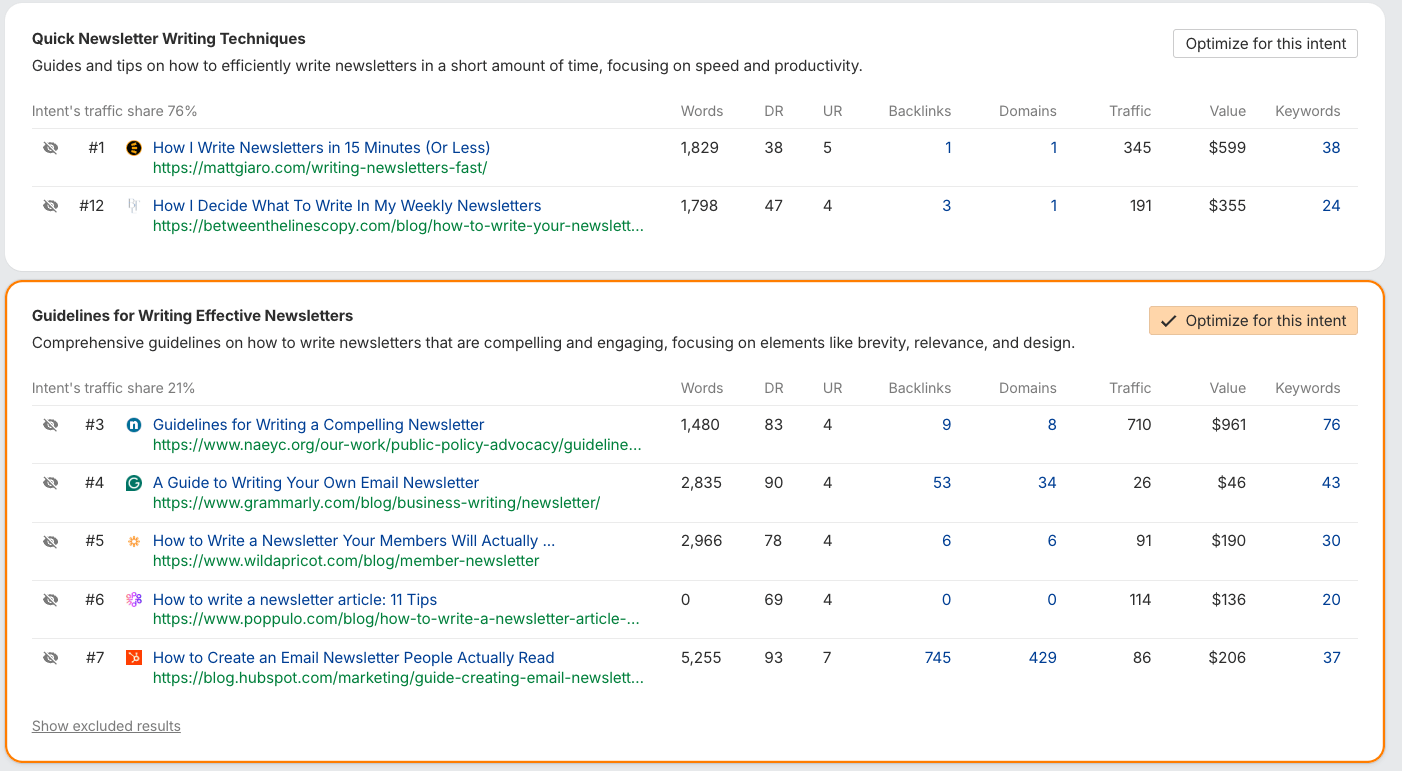
Successfully transitioning to topic-centric optimization requires a structured methodology:
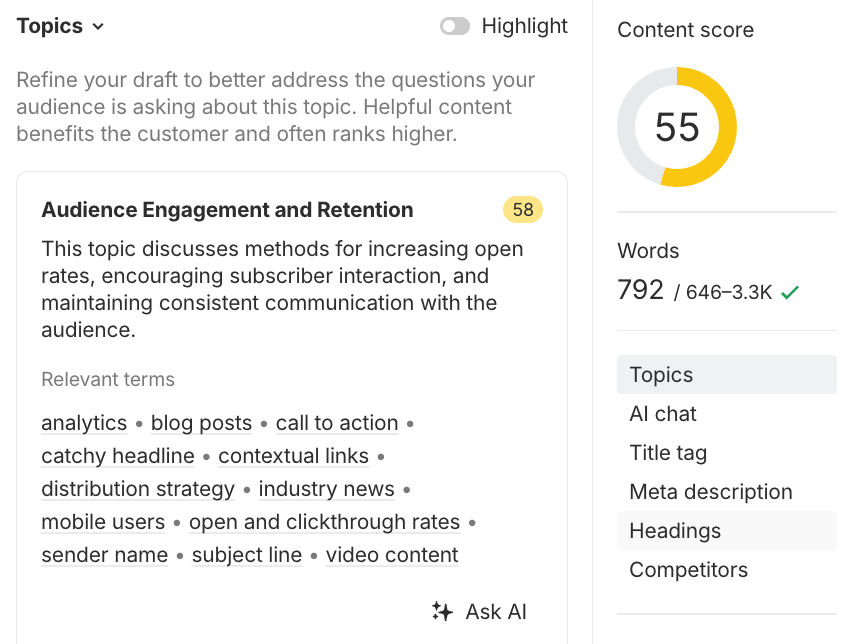
Step 1: Start with Your Brand Lens
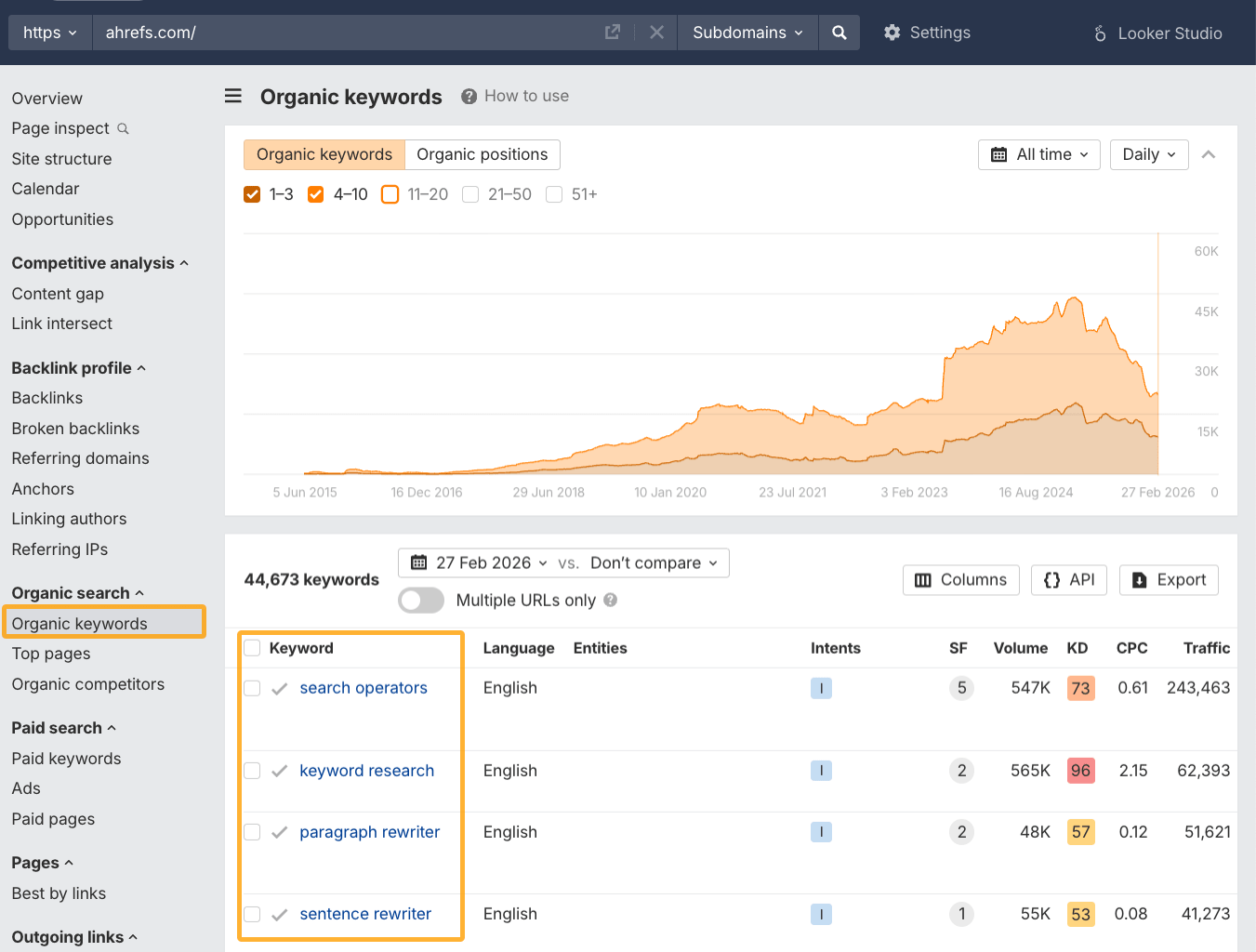
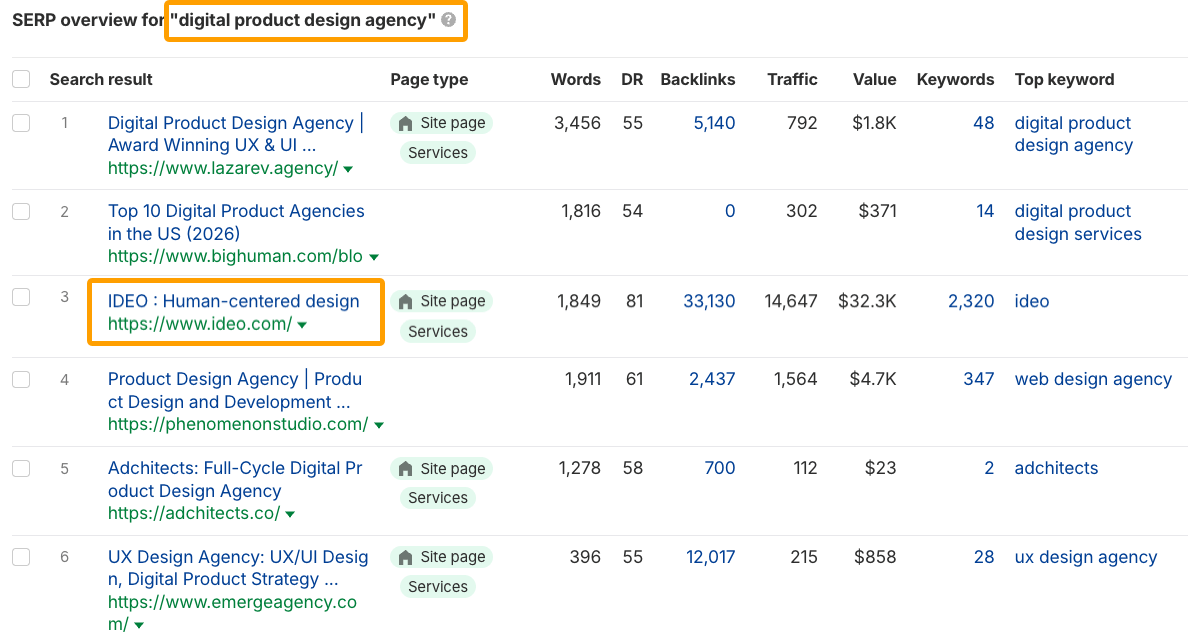
Before delving into keyword research, clearly define the topic territory most relevant to your brand. Audit your existing rankings using tools like Ahrefs Site Explorer’s "Organic Keywords" report to understand current associations. Complement this with an understanding of your business’s core offerings, target audience, and unique selling propositions. This step is crucial for filtering opportunities and ensuring efforts align with business objectives. For instance, IDEO, a firm known for human-centered design and physical products, currently ranks for terms related to digital product design, highlighting a potential need for disambiguation. Filters within SEO tools can further pressure-test topic boundaries, especially for new brands lacking performance data.
Step 2: Choose Your Optimization Approach
Based on the complexity of your topic (Tier 1, 2, or 3) and your brand’s goals, select the appropriate optimization strategy. For Tier 1, manual keyword list building in tools like Ahrefs Keywords Explorer is effective. For Tier 2 and 3, leveraging AI tools such as Claude, combined with the Ahrefs API or bulk exports, is essential for clustering vast amounts of keyword data into semantic groups. Tools like the Ahrefs Multi-Contextual Prompter (MCP) can help identify gaps and manage large keyword universes. When creating content, AI content helpers can assist in ensuring comprehensive topic coverage, while programmatic SEO and content models can be employed for larger-scale operations.
Step 3: Measure Your Topic Coverage
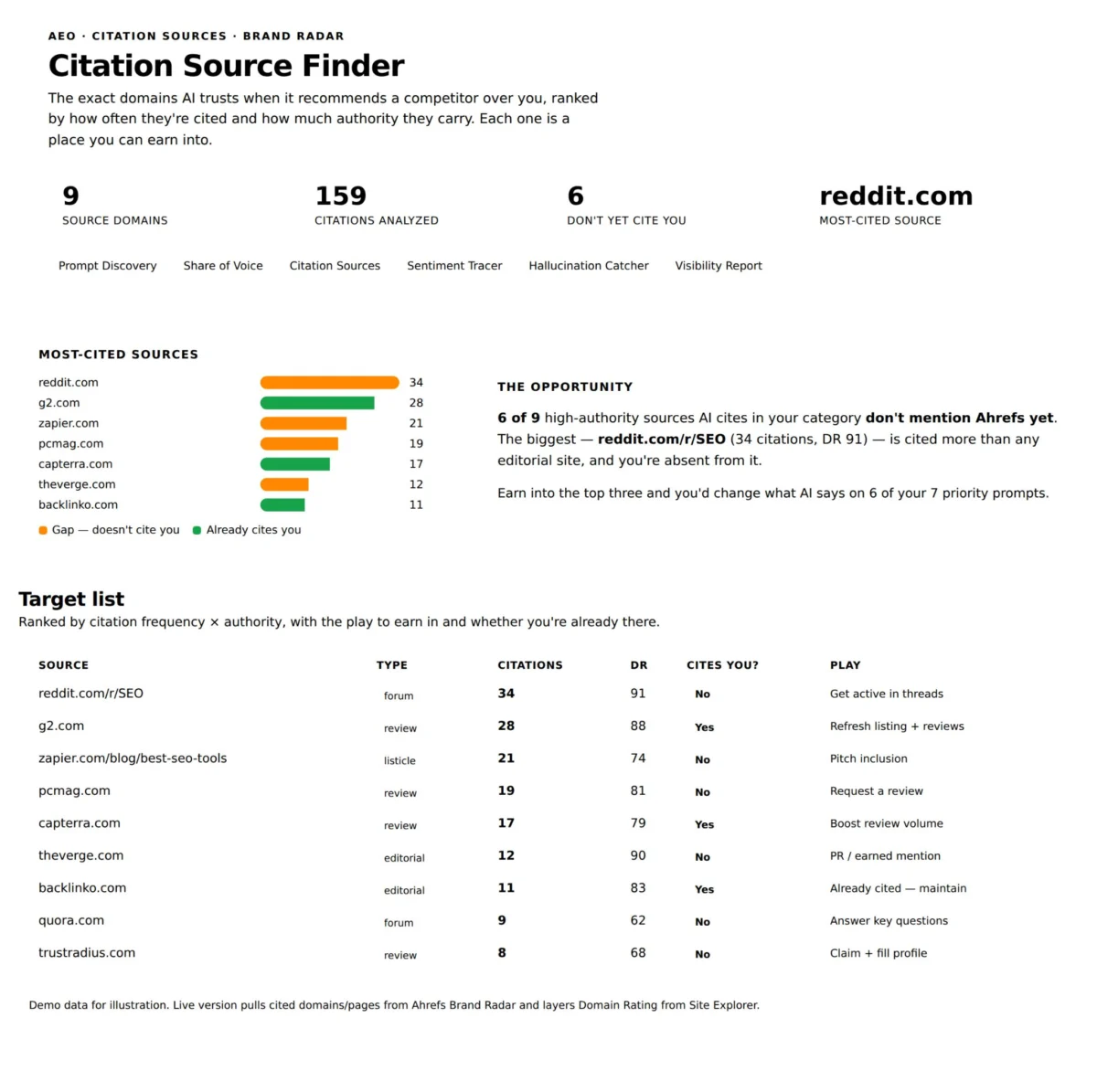
Progress should be tracked not by individual keyword rankings, but by metrics reflecting broader topic ownership. Tools like Ahrefs Brand Radar provide insights into keyword breadth, Share of Voice, and AI Share of Voice. By analyzing the "Topics" report, brands can understand how semantic and AI search systems associate them with various subjects. The ultimate goal is to be recognized as a leading authority within a relevant topic space, rather than aiming for #1 rankings on every conceivable keyword.
In conclusion, while keywords remain a fundamental element of search engine optimization, their role is evolving. The future of SEO lies in a strategic approach to topic mastery, where brands aim to own entire conceptual galaxies rather than isolated stars. This shift, amplified by the rise of AI-driven search, positions topic authority as the key differentiator for sustained visibility and audience engagement.