 11
11
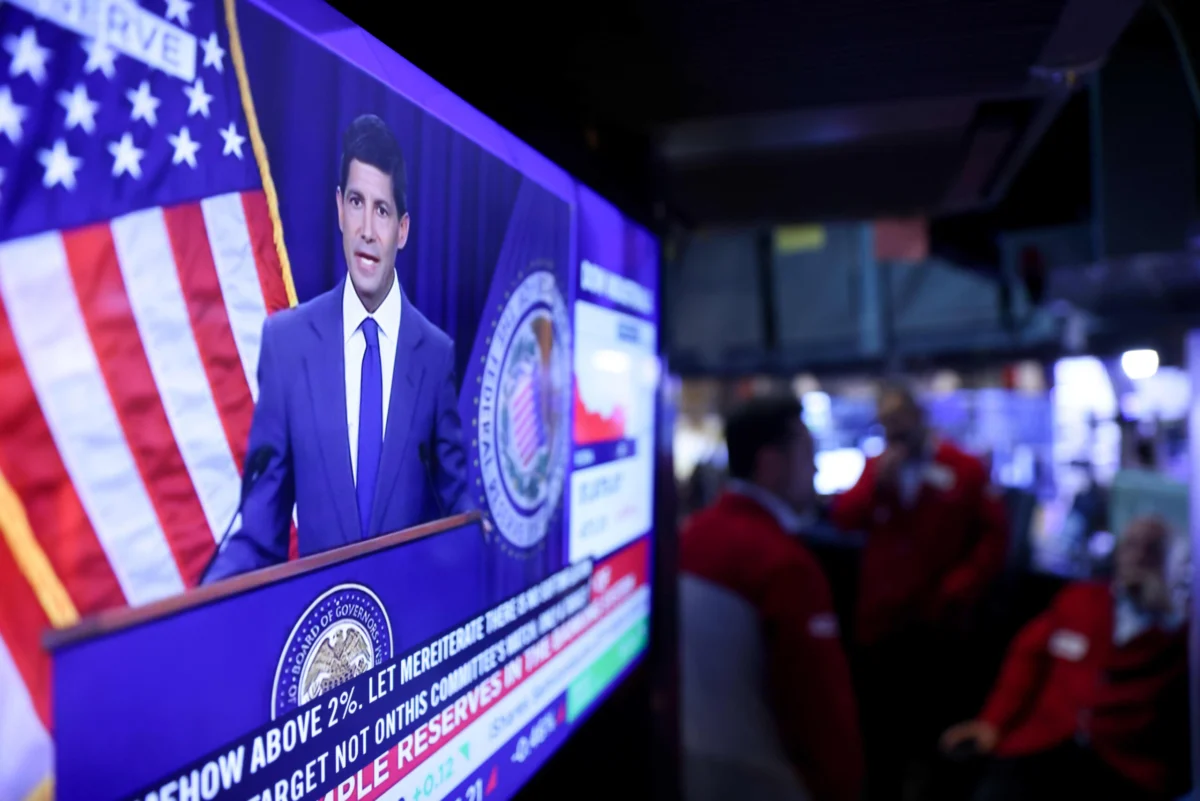
New York, NY – July 29, 2026 – Economists and investors are closely scrutinizing the Federal Reserve’s evolving communication strategy, with the latest Federal Open Market Committee (FOMC) statement marking a significant departure from past practices. This second statement issued under the chairmanship of Kevin Warsh signals a deliberate shift towards a more concise and direct approach to projecting the central bank’s monetary policy expectations.
The Federal Reserve’s FOMC statement, released on Wednesday, offered the public its latest insight into the central bank’s thinking. This release follows a previous statement from the Fed’s June policymaking meeting, and a comparative analysis reveals notable changes in the language and structure. Text that was present in the June statement but has since been removed is indicated by a red font with a horizontal line through it. Conversely, new text appearing for the first time in the current statement is presented in red and underlined. Black text signifies content that remains consistent across both statements.
This latest release represents the second FOMC statement under the leadership of Chairman Kevin Warsh, who has pledged to fundamentally reform how the Fed communicates its monetary policy outlook to the public. The previous Fed statement in June provided an early indication of this new communication style under Warsh’s tenure.
In June, the FOMC statement comprised approximately 130 words, a substantial reduction from the figures exceeding 300 words that were common in recent meetings, according to an analysis by CNBC. Notably, the June statement omitted forward guidance and any information regarding how FOMC members voted. These elements had been standard features of statements issued under the previous chairman, Jerome Powell.

Warsh himself acknowledged this "difference" in the statement during his first press conference as chairman in June. He stated that forward guidance was "not well suited for the current policy conjuncture." Elaborating on the changes, Warsh remarked in June, "It’s a bit shorter, a bit simpler and it dispenses with some older language. That statement just gives you the facts, as best we can judge it."
In the past, investors meticulously analyzed the formulaic releases for subtle edits in language that might signal a shift in policy perspectives within the central bank. However, since last month’s revised statement, market participants have been uncertain whether the Fed would consistently employ this new, shorter template or if the statement’s format would continue to evolve significantly from meeting to meeting.
In response to the perceived opacity of the new communication style, some on Wall Street have reportedly turned to artificial intelligence-powered tools to better interpret communications emanating from a central bank led by Warsh. This trend highlights the challenges and adaptations occurring in the financial markets as they grapple with the Federal Reserve’s evolving approach.
Further underscoring his commitment to reform, Warsh announced in June the formation of task forces dedicated to reviewing key aspects of the Fed’s operational framework. Earlier this month, he confirmed that prominent figures such as Peter Fisher, a professor at the University of Washington, and Mervin King, former Governor of the Bank of England, are among the members appointed to the communication-focused group. These appointments signal a deliberate effort to bring diverse perspectives and expertise to the task of refining the Fed’s public outreach.
The appointment of these task forces and the ongoing adjustments to FOMC statements are indicative of a broader strategic initiative by Chairman Warsh to enhance transparency and effectiveness in the Federal Reserve’s communication with the public and financial markets. The emphasis appears to be on delivering clear, factual information that can be readily understood by a wide audience, moving away from the more complex and lengthy pronouncements of the past. This new direction is expected to shape the Federal Reserve’s public engagement for the foreseeable future, with market participants continuing to closely monitor any further developments and refinements in its communication strategy.