 11
11

Despite the prevailing geopolitical tensions stemming from the conflict in the Middle East, particularly with Iran, a significant shift in investment strategy may be on the horizon. Experts are suggesting that emerging markets, often perceived as high-risk, could present compelling opportunities for investors. This optimistic outlook is underpinned by several key factors, including anticipated trends in the U.S. dollar and a growing investor acclimatization to geopolitical volatility.
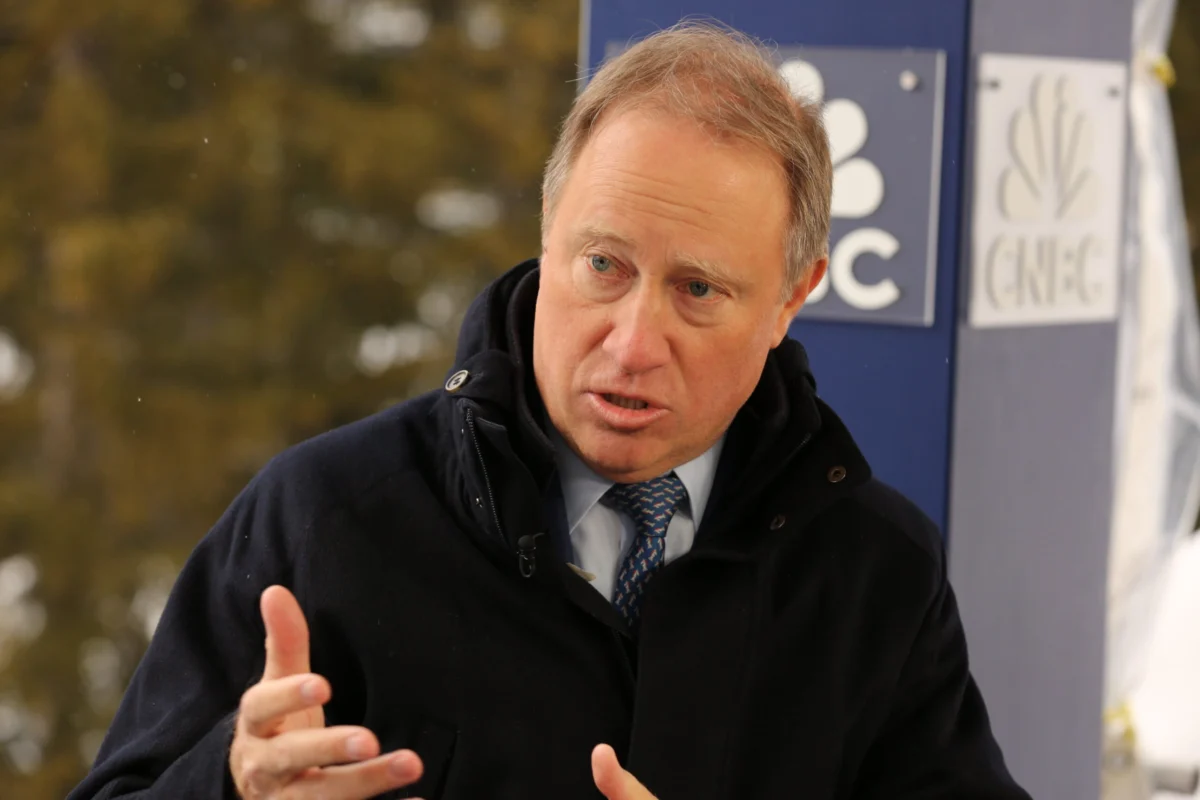
Malcolm Dorson, Senior Portfolio Manager at Global X ETFs, articulated this sentiment, suggesting that the current environment might be an opportune moment to "double down" on emerging markets. He explained that the potential for increased U.S. war spending, a likely consequence of the ongoing Middle East conflict, could exert downward pressure on the U.S. dollar. This weakening dollar, in turn, is expected to create a more favorable economic backdrop for emerging market economies. While the dollar has experienced a recent surge, Dorson acknowledged its near-term strength but posited that this is not his long-term base case. He emphasized that while the duration of the conflict remains uncertain, the current dip in emerging market assets presents a valuable buying opportunity.
As of the market close on Wednesday, the iShares MSCI Emerging Markets ETF (EEM) had seen a decline of over 5% week-to-date. However, it has demonstrated robust performance over the past year, with an increase of nearly 37%. This resilience suggests that despite short-term fluctuations, the broader emerging markets sector has maintained significant upward momentum.
Cinthia Murphy, Director of Research at VettaFi, echoed Dorson’s perspective, highlighting that international investments have been a dominant theme in the investment landscape over the past year. She noted that investors have become increasingly accustomed to navigating geopolitical uncertainties, suggesting that current events in the Middle East may not deter them from seeking opportunities abroad.

Murphy specifically pointed to the energy sector as an area of significant interest, particularly if the conflict in the Middle East escalates or becomes prolonged. She underscored the critical reliance of European markets on energy imports from the Middle East. A sustained disruption to these supply lines could have substantial ripple effects across global markets. "European markets are super dependent on energy and oil coming out of the Middle East," Murphy stated. "So, I think it could really shake things up a lot."
For investors looking to gain exposure to the energy sector, Murphy recommended the United States Oil Fund (USO). This ETF has already shown impressive gains, rising 12% week-to-date and 32% year-to-date, as of Wednesday’s close. This performance indicates a strong market reaction to the geopolitical developments and a heightened demand for energy commodities.
The interplay between geopolitical events and global economic indicators, such as currency fluctuations and commodity prices, is a recurring theme in investment strategy. The current situation in the Middle East, while presenting inherent risks, is also creating a complex web of potential opportunities. The anticipated weakening of the U.S. dollar, driven by potential increases in defense spending, is a key factor that could benefit emerging market assets. As investors adapt to a landscape where geopolitical noise is becoming a more integrated part of market analysis, the allure of international diversification, particularly in emerging markets and the energy sector, is likely to grow.
The analysis suggests a nuanced approach to investing in the current environment. While caution is warranted due to the unpredictable nature of geopolitical conflicts, the underlying economic drivers, such as currency trends and commodity demand, present a compelling case for strategic allocation. The advice to "buy the dip" in emerging markets, coupled with the potential for significant upside in energy-related investments, paints a picture of a market environment ripe for exploration by informed investors. The ability of markets and investors to absorb and adapt to geopolitical shocks is a testament to the evolving nature of global finance, where risk and reward are constantly being recalibrated.