 11
11
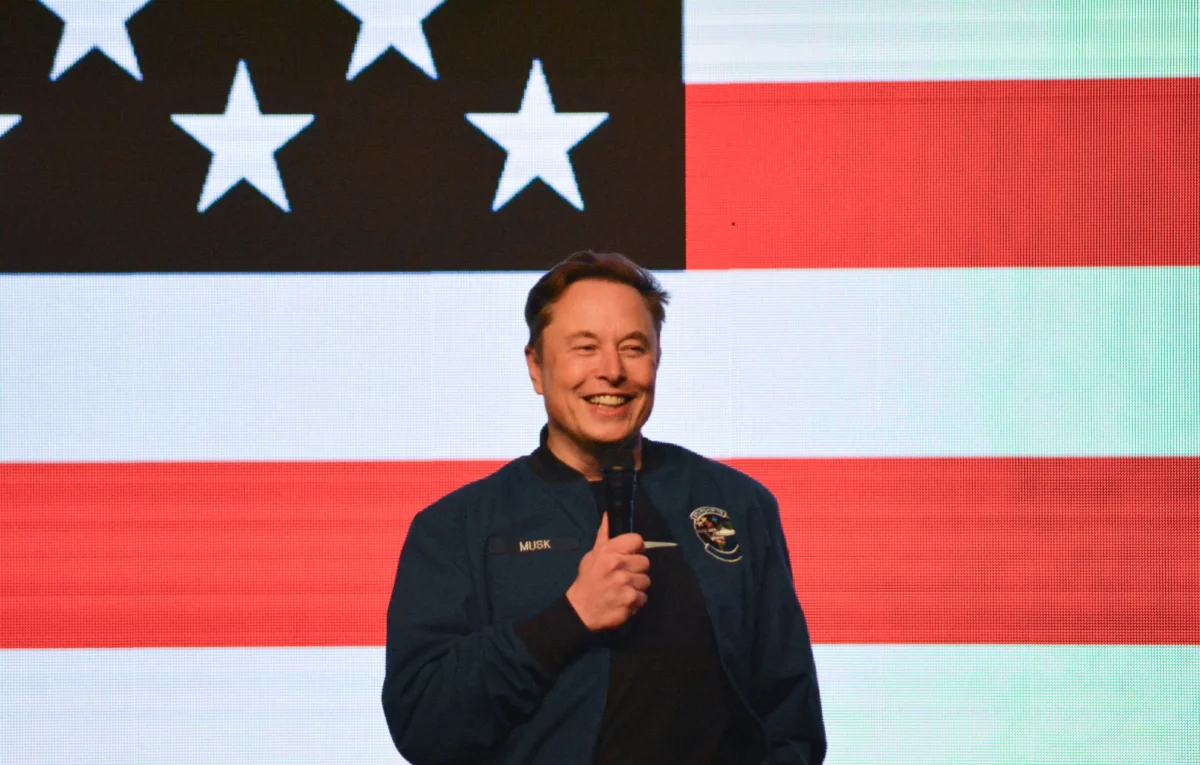
Elon Musk, the visionary entrepreneur behind Tesla and SpaceX, recently unveiled ambitious plans for a groundbreaking chip-building collaboration between his prominent companies. This strategic initiative aims to establish a state-of-the-art semiconductor manufacturing facility to address the escalating demand for high-performance chips crucial for artificial intelligence and robotics across his ventures.
Bloomberg reported that Musk publicly shared these plans during an event held on a Saturday night in downtown Austin, Texas. A photograph presented at the event suggested that the proposed facility, which Musk has dubbed the "Terafab," is slated for construction in close proximity to Tesla’s existing Austin headquarters and its expansive "gigafactory." The nomenclature "Terafab" itself hints at the monumental scale and processing power Musk envisions for this new enterprise, signaling a move towards unprecedented levels of integrated manufacturing within his corporate ecosystem.
The primary impetus behind this audacious project, as articulated by Musk, stems from a perceived bottleneck in the current semiconductor supply chain. He emphasized that existing third-party chip manufacturers are not producing chips at the pace and volume required to meet the rapidly expanding artificial intelligence and robotics needs of his diverse companies. "We either build the Terafab or we don’t have the chips, and we need the chips, so we build the Terafab," Musk stated, underscoring the critical, self-reliant nature of this venture. This declaration highlights a strategic pivot towards vertical integration, aiming to mitigate reliance on external suppliers and ensure a consistent, bespoke supply of advanced semiconductors essential for his companies’ technological advancements.
The global semiconductor industry has been grappling with supply chain disruptions and an unprecedented surge in demand, particularly for specialized chips designed for AI workloads. Companies like Tesla, with its advanced autonomous driving systems (Full Self-Driving or FSD), and SpaceX, with its Starlink satellite constellation and Starship development, require immense computing power for data processing, machine learning training, and complex real-time operations. The current market landscape, characterized by long lead times and fierce competition for cutting-edge fabrication capacity, appears to have spurred Musk to pursue an in-house solution, granting his companies greater control over their intellectual property, design iterations, and production schedules.
The envisioned Terafab facility is not merely about producing generic chips; it is designed to cater to the highly specialized requirements of Tesla’s AI-driven vehicles and robotics, as well as SpaceX’s sophisticated aerospace and satellite systems. Tesla’s FSD platform, for instance, demands colossal computational resources for processing vast amounts of sensor data, running complex neural networks, and making instantaneous decisions. Similarly, SpaceX’s Starlink satellites require powerful onboard processors for managing internet traffic, maintaining orbital precision, and facilitating inter-satellite communication. Future Starship missions will also rely heavily on advanced computing for navigation, life support, and potential interplanetary data processing. By bringing chip manufacturing in-house, Musk aims to create custom-tailored silicon optimized specifically for these unique applications, potentially achieving efficiency and performance levels unattainable with off-the-shelf solutions.
Musk further detailed the ambitious computing power targets for the Terafab. The goal is to manufacture chips capable of supporting an astounding 100 to 200 gigawatts of computing power per year for Earth-based applications. To put this into perspective, a single gigawatt is a massive unit of power, and achieving 100-200 gigawatts of computing power implies an immense capability to process data, train large AI models, and run sophisticated simulations. This scale of processing power would be transformative for Tesla’s AI development, enabling faster iterations of FSD software, accelerating the development of humanoid robots like Optimus, and powering future smart manufacturing facilities. Such a capacity could potentially rival or exceed the aggregated computing power of some of the world’s largest supercomputers and data centers, providing Tesla with an unparalleled advantage in its AI pursuits.
Beyond Earth, Musk’s vision extends even further into space, with an audacious goal of manufacturing chips that can support a staggering terawatt of computing power in orbit. A terawatt (TW) is 1,000 gigawatts, making this an extraordinarily ambitious target. This extraterrestrial computing capacity could underpin a new era of orbital data centers, enabling unprecedented data processing capabilities for scientific research, advanced satellite operations, and potentially facilitating the infrastructure for future deep-space exploration and colonization efforts, such as a Martian settlement. The concept of placing significant computing infrastructure in space could offer advantages in terms of energy efficiency (access to solar power), cooling in vacuum, and reduced latency for specific applications, though it presents immense engineering and logistical challenges. Musk did not offer a specific timeline for achieving these monumental plans, leaving the execution schedule open-ended.
It is noteworthy, as Bloomberg highlighted, that Elon Musk does not possess a direct background in semiconductor manufacturing. His expertise lies primarily in software, internet services, electric vehicle development, and aerospace engineering. The semiconductor industry is notoriously capital-intensive, technologically complex, and requires highly specialized expertise in materials science, lithography, and process engineering. Establishing a leading-edge fabrication plant, or "fab," is an undertaking that typically involves multi-billion dollar investments and years of intricate research and development, often with highly experienced teams of thousands of engineers and scientists. Musk’s decision to venture into this highly specialized field underscores the strategic importance he places on controlling his companies’ chip supply.
Musk’s ambitious pronouncements for the Terafab project also draw attention to his well-documented history, as noted by observers like Bloomberg and TechCrunch, of setting highly aggressive goals and timelines that frequently undergo revisions or experience delays. For instance, TechCrunch previously reported on Musk’s tendency to "overpromise" on various objectives. This pattern can be seen in several high-profile initiatives:
It is important to contextualize this history. While Musk is known for his aggressive optimism and for setting targets that often stretch beyond conventional industry expectations, he also has a remarkable track record of eventually delivering on many of his audacious visions, even if the journey involves delays and re-calibration. Tesla’s rise to become a dominant electric vehicle manufacturer, SpaceX’s revolutionary reusable rocket technology, and the global deployment of Starlink are testament to his ability to execute on seemingly impossible goals. The "overpromising" often serves as a motivator, pushing his teams to achieve unprecedented feats, even if the path is bumpier than initially projected.
The Terafab project, therefore, represents another chapter in Musk’s strategy of tackling fundamental technological challenges through vertical integration and sheer force of will. Should he succeed in establishing a functional and efficient chip manufacturing facility, it could fundamentally alter the strategic landscape for his companies, granting them unparalleled control over their core technological infrastructure. The implications for the broader semiconductor industry would also be significant, potentially introducing a new, powerful player focused on highly specialized AI and robotics chips, and further emphasizing the trend of large tech companies seeking greater autonomy over their silicon supply.
However, the road ahead for the Terafab is fraught with formidable challenges. Beyond the immense capital investment required, recruiting and retaining top-tier talent in the highly competitive semiconductor industry, mastering complex manufacturing processes, and navigating the intricate supply chains for raw materials and specialized equipment will be critical hurdles. As Musk himself has indicated, the lack of a specific timeline suggests that the project is still in its nascent planning stages, and its ultimate realization will depend on overcoming these significant engineering, financial, and operational complexities. Nevertheless, the announcement signals Musk’s unwavering commitment to securing the technological backbone necessary to realize his expansive visions for artificial intelligence, robotics, and space exploration.