 11
11
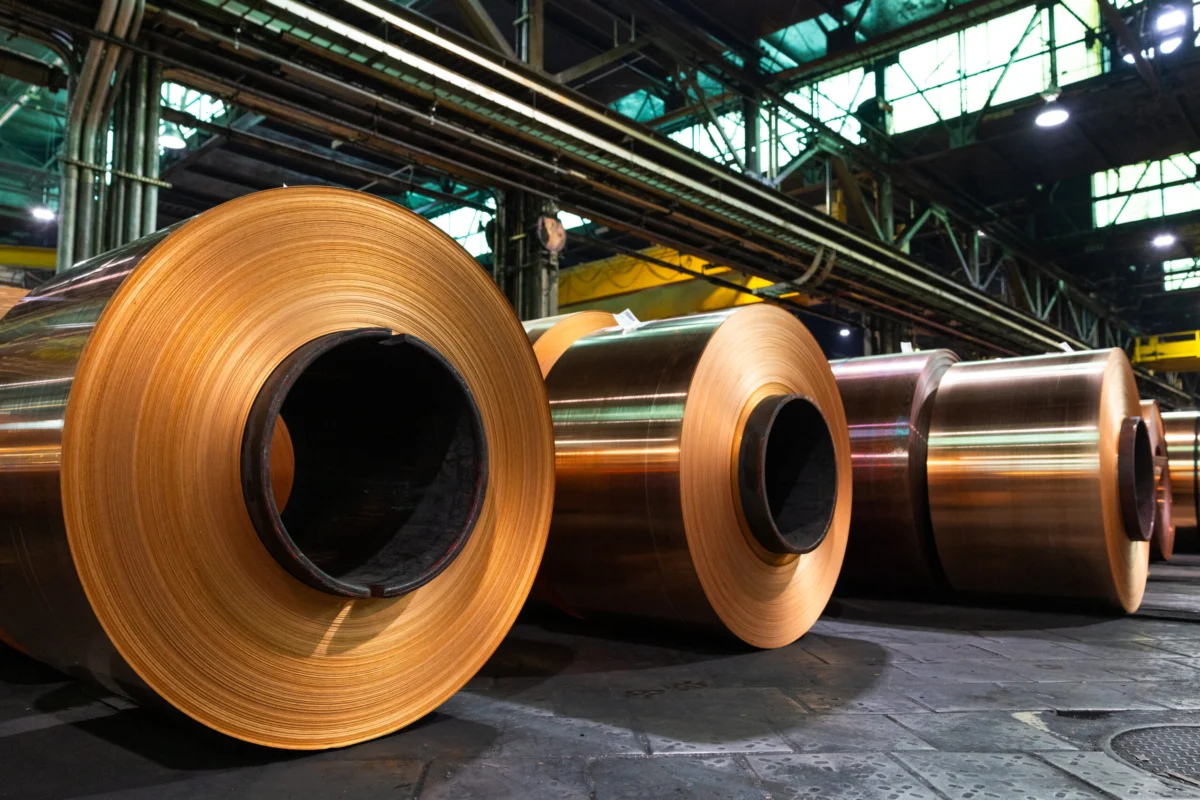
Copper futures reached an unprecedented peak on Thursday, soaring to approximately $6.90 per pound in U.S. trading before settling back after touching the new high. This record-breaking rally, however, arrives against a backdrop of mixed economic growth signals, presenting a more complex narrative for "Dr. Copper," the metal long considered a barometer of global economic health. The surge is no longer a straightforward indicator of robust economic expansion but rather a confluence of factors including constrained supply, significant investment in power grids, apprehension surrounding potential U.S. tariffs, and escalating demand driven by electrification trends.
Historically, copper prices served as a reliable gauge of the global economy’s trajectory, with rising prices often signaling robust industrial activity and economic acceleration. However, the current market dynamics suggest a departure from this traditional interpretation. William Osnato, Barchart’s director of commodity data research and analysis, explained that the primary driver behind the elevated copper prices is not a broad-based economic boom, but rather a more specific and intense demand stemming from the rapid expansion of the artificial intelligence (AI) industry. This demand is particularly acute in powering data centers and upgrading power grids to support these burgeoning technological advancements.
The limited availability of copper is a significant contributing factor to its record pricing. The mining of copper is an inherently expensive and time-consuming endeavor. Establishing new mines can take approximately a decade, a lengthy period that inherently restricts the pace at which supply can respond to demand fluctuations. Michael Widmer, Bank of America’s head of metals research, emphasized that the recent price movements are predominantly influenced by supply-side pressures rather than a surge in overall copper demand.
Widmer highlighted a general lack of substantial growth in mine supply, further exacerbated by ongoing disruptions in key copper-producing regions. Chile, the world’s largest single producer of copper, has experienced significant operational interruptions due to severe weather events, including heavy snowfall, rainfall, and high winds, which have hampered mining activities. These supply chain vulnerabilities have added to the existing constraints in the global copper market.
Further tightening of global supplies in 2026 has also been attributed to potential U.S. trade policies and actions taken by China. In June of the previous year, President Donald Trump signed a proclamation imposing a 50% tariff on imports of semi-finished copper products and copper-intensive derivative products into the United States. Concurrently, China’s implementation of measures to control the availability of scrap copper has also contributed to a reduction in overall supply.
While the macroeconomic growth picture remains somewhat ambiguous, demand for copper has demonstrated resilience, largely driven by the global push towards electrification. This trend encompasses not only the automotive sector but also the expansion of renewable energy infrastructure and the upgrading of electrical grids. In the first half of the current year, China, a major consumer of copper, reported a 13% year-over-year increase in grid investment. The nation has also unveiled an ambitious plan to invest approximately $574 billion in modernizing its power grid infrastructure, a move that will undoubtedly require substantial quantities of copper.
Thursday’s price action was also significantly influenced by the news that the Democratic Republic of Congo has officially implemented a ban on the export of copper and cobalt concentrates. This policy aims to encourage more domestic processing of these valuable minerals, thereby retaining more value within the country and further impacting global supply availability.
Osnato further elaborated that the persistent supply disruptions have compelled consumers to draw down metal inventories held in London Metal Exchange warehouses. This depletion of readily available stock has, in turn, led to an increase in refining costs, adding another layer of upward pressure on copper prices.
"It is definitely a new situation for Dr. Copper," Osnato concluded, underscoring the unprecedented nature of the current market dynamics and the departure from the metal’s historical role as a simple economic indicator. The confluence of specific industry demand, persistent supply shortages, geopolitical factors, and the accelerating transition to electrification has created a complex and dynamic environment for copper pricing, making its interpretation a more nuanced endeavor than in the past. The implications of these record prices extend beyond the commodity markets, impacting industries reliant on copper for their growth and innovation.