 11
11
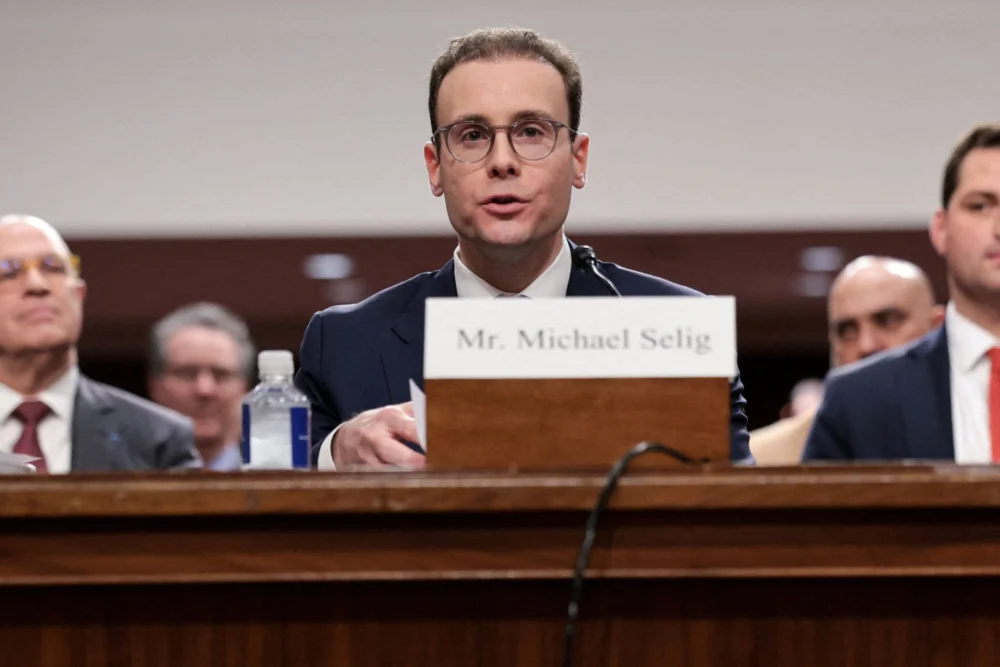
Washington D.C. – In a decisive move to solidify its regulatory authority, the Commodity Futures Trading Commission (CFTC) has filed an amicus brief in federal court, asserting its exclusive right to oversee prediction markets. This action directly challenges the attempts by individual states to regulate or prohibit these platforms, signaling a new era of assertive oversight under the leadership of CFTC Chairman Michael Selig.
Chairman Selig articulated this firm stance in a recent Wall Street Journal op-ed, where he argued that the CFTC has long possessed the authority to govern prediction markets and to determine whether their event contracts constitute gambling. He highlighted the significant legal pressure these markets are facing, noting that nearly 50 active legal cases are currently underway. Selig’s intervention is aimed at preventing what he terms "state encroachment" on the agency’s established jurisdiction.
"The CFTC will no longer sit idly by while overzealous state governments undermine the agency’s exclusive jurisdiction over these markets by seeking to establish statewide prohibitions on these exciting products," Selig wrote in his opinion piece, underscoring the commission’s commitment to defending its regulatory domain.
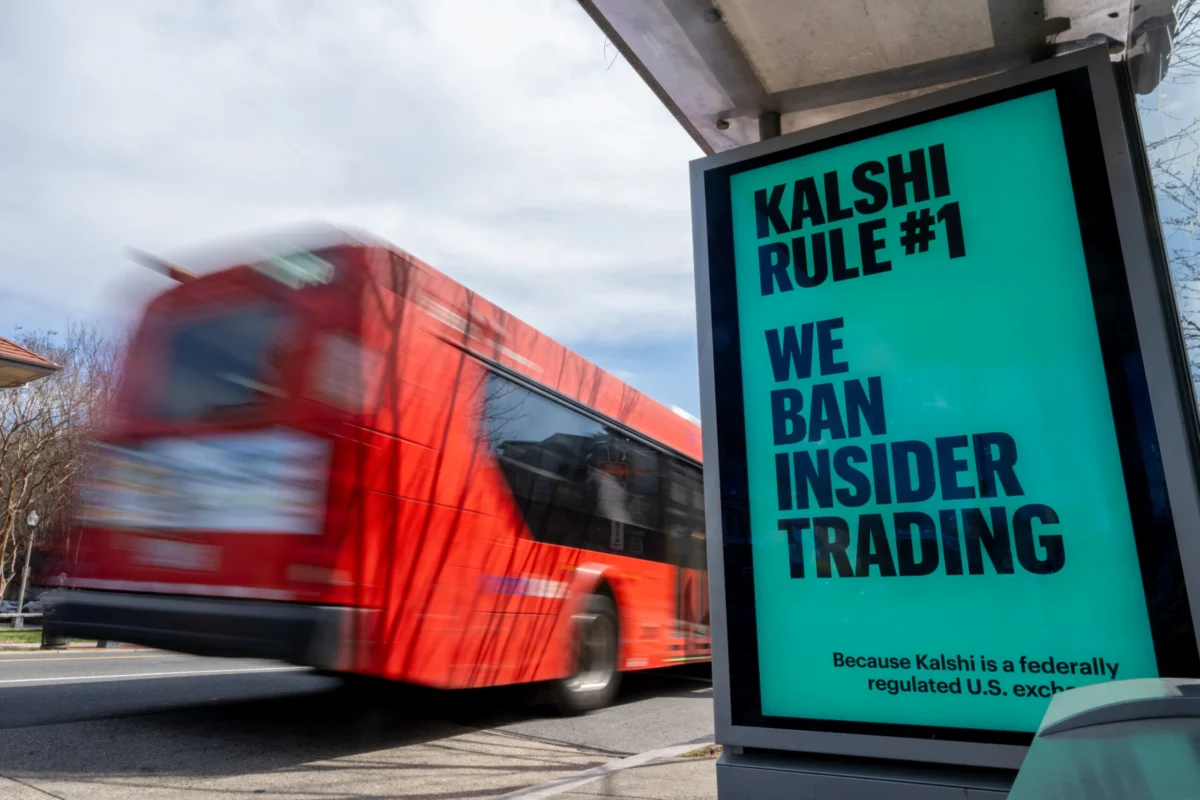
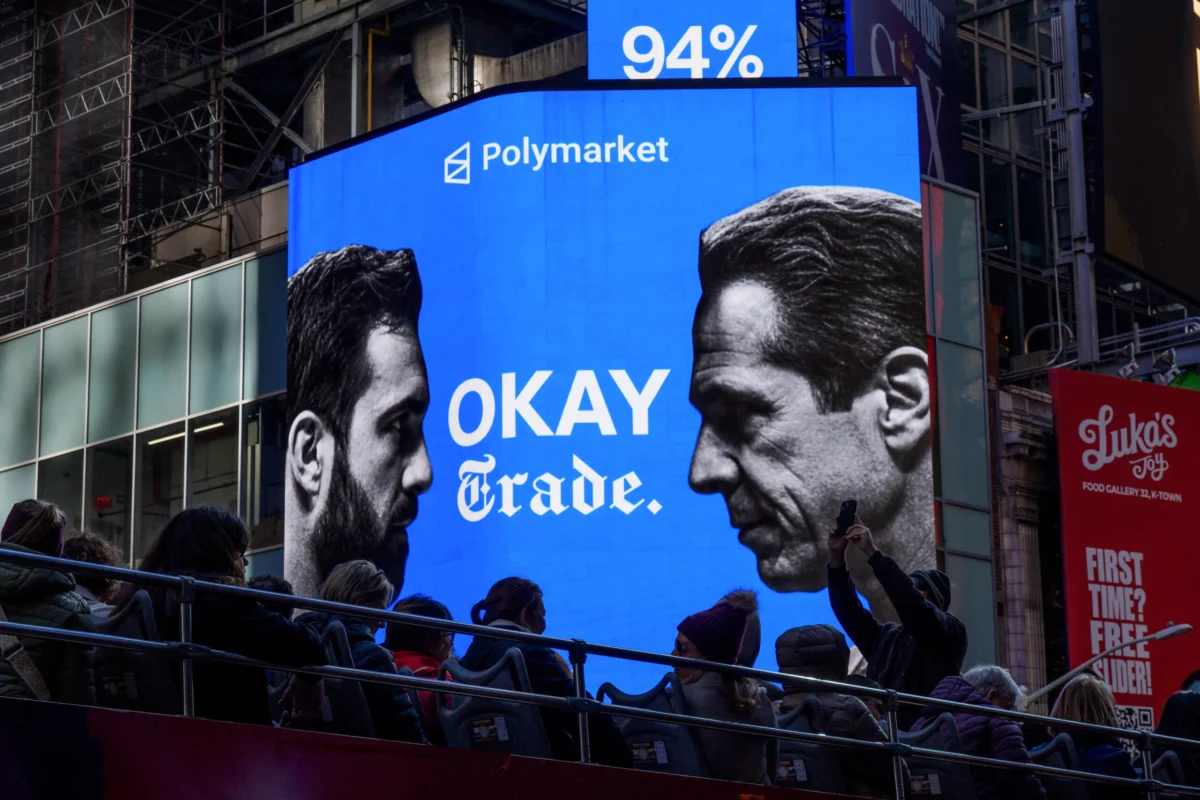
This intervention by the CFTC comes at a critical juncture for prediction markets such as Kalshi and Polymarket, which have been grappling with legal challenges in various states. These platforms enable users to wager on the outcomes of a wide array of events, spanning pop culture, sports, entertainment, and beyond. Critics have frequently labeled these offerings as a form of gambling. However, platforms like Kalshi have maintained that their operations adhere to federal regulations and offer valuable market insights. The comparison of sports betting on these platforms to legalized sports betting in the U.S. has also been a point of contention and discussion.
In his initial public remarks as CFTC chairman at the close of January, Selig had already signaled his intention to address the regulatory landscape of prediction markets. He indicated his readiness to draft new, explicit rules to govern these markets and to re-examine the CFTC’s involvement in federal and circuit court cases. At that time, he stated, "Where jurisdictional questions are at issue, the Commission has the expertise and responsibility to defend its exclusive jurisdiction over commodity derivatives."
Reinforcing his position in his Monday op-ed, Selig characterized event contracts as instruments that "serve legitimate economic functions." He asserted that these contracts operate under CFTC rules, classifying them as "swaps" rather than gambling. He further contended that trading on event contracts offers tangible benefits to both the market and the broader American public. Selig countered criticisms that portray these exchanges as unregulated, stating, "These exchanges aren’t the Wild West, as some critics claim, but self-regulatory organizations that are examined and supervised by experienced CFTC staff."
A direct message to those who question the CFTC’s authority was delivered via a video posted to X on Tuesday. In the clip, Selig unequivocally stated, "We will see you in court." He elaborated on the significance of the CFTC’s current actions, declaring, "Today, the CFTC is taking an important step to ensure that these markets have a place here in America and have the integrity and resilience and vibrancy that our derivative markets deserve."
The amicus brief, according to Selig, will be filed in the Ninth U.S. Circuit Court of Appeals. It is intended to support Crypto.com in its ongoing legal dispute with the Nevada Gaming Control Board, a case that touches upon the very jurisdictional boundaries the CFTC seeks to uphold. As of the time of this report, CNBC had not independently verified the official filing of the amicus brief.
It is important to note a disclosure regarding a commercial relationship between CNBC and Kalshi, which includes a minority investment in Kalshi by CNBC. This relationship is provided for transparency in reporting.