 11
11
Posted: 2:01 PM PDT · March 15, 2026
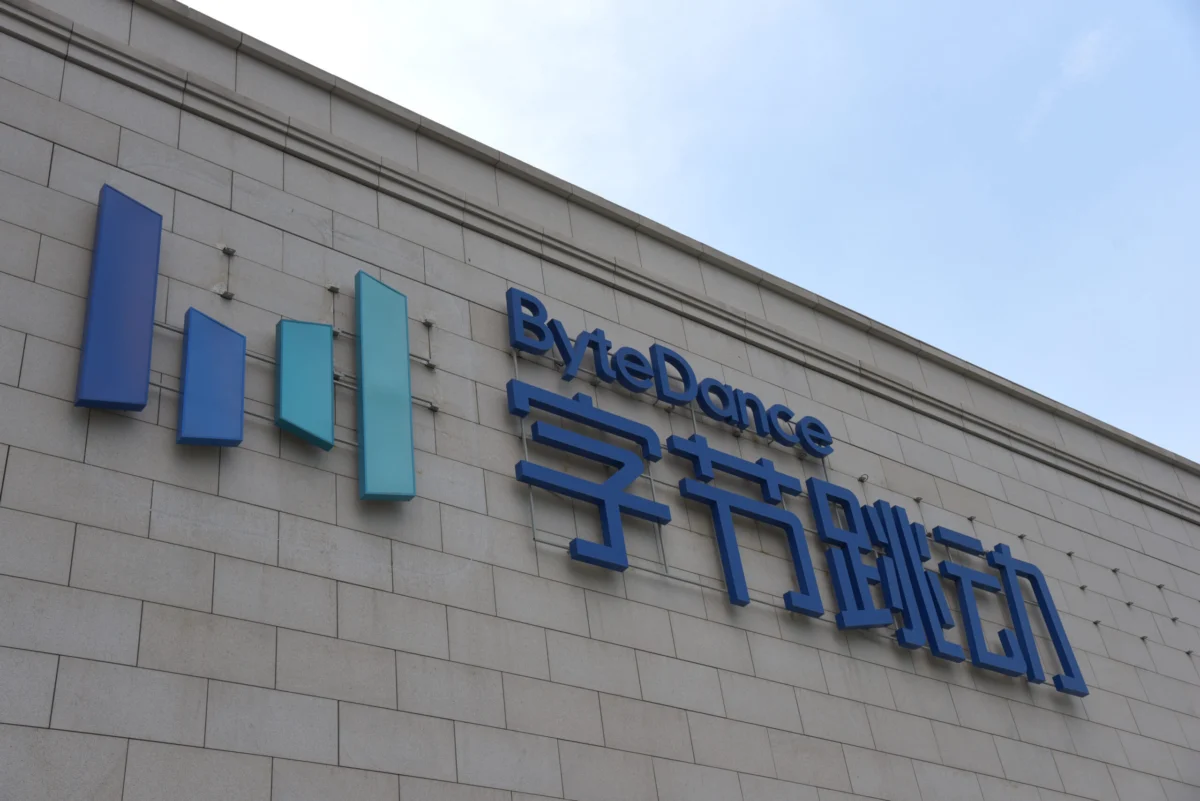
ByteDance, the Chinese technology titan renowned globally as the parent company of TikTok, has reportedly paused its ambitious plans for a worldwide rollout of its cutting-edge AI video generation model, Seedance 2.0. The decision comes on the heels of significant legal challenges and a storm of criticism from Hollywood, which has accused the company of widespread intellectual property infringement. The delay, first reported by The Information, underscores the growing tension between rapidly advancing generative artificial intelligence technologies and existing copyright frameworks, particularly within the entertainment industry.
The development marks a crucial juncture for ByteDance, a company that has consistently pushed the boundaries of digital content creation and distribution. Having established a formidable global presence with platforms like TikTok – a short-form video application that has redefined social media engagement – and its related U.S. spinoff, in which ByteDance maintains a minority share, the company’s foray into sophisticated AI-driven video generation was anticipated with both excitement and trepidation. Seedance 2.0, which launched within China just last month, in February 2026, quickly demonstrated capabilities that captivated users but simultaneously ignited a fierce debate over artistic ownership and compensation.
Upon its debut in the Chinese market, Seedance 2.0 quickly garnered attention for its ability to produce brief, yet remarkably convincing, video clips. These generated videos, showcasing scenarios previously only achievable with extensive human effort and resources, rapidly went viral across various platforms. A particularly notable example that circulated widely depicted an AI-generated sequence featuring two of Hollywood’s most iconic actors, Tom Cruise and Brad Pitt, engaged in a fictional fight scene. This seemingly innocuous, albeit technically impressive, demonstration immediately sent shockwaves through the entertainment industry, which saw it not merely as a technological marvel but as a direct challenge to its foundational principles.
The reaction from Hollywood was swift and unequivocally negative. Industry professionals, from studio executives to individual screenwriters, voiced what was described as "intense criticism." The fear was palpable: AI models like Seedance 2.0, capable of replicating actors’ likenesses, voices, and even stylistic elements of established films, posed an existential threat to creators’ livelihoods and the economic models underpinning the entire creative sector. One successful screenwriter, reflecting the widespread anxiety, reportedly declared that the footage meant, "It’s likely over for us." This stark statement encapsulates the profound concern that generative AI could devalue human artistry, displace skilled professionals, and fundamentally alter the landscape of content production.
The perceived infringement was not merely a matter of creative inspiration but a direct legal and financial threat. Major Hollywood studios and production houses wasted no time in escalating their concerns, dispatching a flurry of cease-and-desist letters to ByteDance. These legal notices typically serve as formal warnings, demanding an immediate halt to activities deemed to be infringing on copyrights or other intellectual property rights. The sheer volume and speed of these letters underscored the industry’s unified and aggressive stance against what it viewed as unauthorized use of its valuable assets.

Among the most vocal critics was Disney, a global entertainment powerhouse with an extensive portfolio of beloved characters, stories, and cinematic universes. Lawyers representing Disney did not mince words, directly accusing ByteDance of a "virtual smash-and-grab of Disney’s IP." This powerful accusation suggests that the AI model was not just incidentally incorporating copyrighted elements but was systematically and extensively leveraging Disney’s proprietary material without permission or compensation. Such an assertion implies a significant legal battle ahead, given Disney’s long history of vigorously defending its intellectual property. Beyond Disney, other major players such as the Motion Picture Association (MPA), Netflix, Paramount, Sony, and Universal are also understood to have expressed serious concerns, highlighting the broad industry-wide alarm.
In response to the mounting legal pressure and public outcry, ByteDance, recognizing the gravity of the situation, publicly committed to introducing stronger safeguards for intellectual property. While the specifics of these safeguards were not fully detailed at the time, such measures typically involve implementing advanced content filtering mechanisms to prevent the generation of copyrighted material, developing robust metadata tagging to identify AI-generated content, and establishing clearer user guidelines regarding ethical content creation. Furthermore, companies often promise more efficient takedown procedures for infringing content and explore potential licensing agreements with rights holders. However, the technical and legal complexities of effectively policing AI-generated content for copyright violations are immense, representing a significant challenge for even the most sophisticated tech companies.
The original timeline for Seedance 2.0’s global expansion had been set for mid-March 2026, aiming to make this powerful AI video generation tool accessible to a worldwide audience. However, in light of the intense legal scrutiny and the need to overhaul its IP protection protocols, ByteDance has made the strategic decision to delay this global launch. The Information’s report indicates that this pause is intended to allow the company’s engineers and legal teams to collaborate intensely, working to address and "avert further legal issues" before pushing the product onto the international stage. This collaborative effort suggests a multi-faceted approach: engineers will likely focus on refining the AI model’s training data and output filters to minimize the risk of generating infringing content, while lawyers will work on developing robust compliance frameworks, user agreements, and possibly even proactive engagement strategies with rights holders.
The decision to delay the global launch is a clear indication of ByteDance’s recognition of the potential liabilities and reputational damage associated with proceeding without adequate legal and ethical safeguards. Entering major markets like North America and Europe with an AI product already facing such significant copyright accusations would undoubtedly invite a barrage of lawsuits and regulatory challenges, potentially undermining the product’s adoption and ByteDance’s broader strategic objectives.
This unfolding situation surrounding Seedance 2.0 is not an isolated incident but rather a microcosm of a much larger, ongoing global debate concerning generative AI and intellectual property. The rapid advancements in AI technology have outpaced existing legal frameworks, leaving creators, tech companies, and policymakers grappling with unprecedented questions about ownership, attribution, and fair use. This case highlights the urgent need for new legal precedents and collaborative industry standards to navigate the complex intersection of innovation and artistic rights. It underscores the tension between the transformative potential of AI to democratize content creation and the critical imperative to protect the livelihoods and creations of human artists.
As of the time of this report, ByteDance has not yet provided an official public statement or responded to TechCrunch’s immediate request for comment regarding the delay and the ongoing legal challenges. This silence is typical during periods of intense internal legal and strategic deliberation, as companies often prefer to finalize their positions and solutions before communicating them externally. The coming months will likely reveal how ByteDance plans to reconcile its technological ambitions with the legitimate concerns of the creative industries, setting a significant precedent for the future of AI development and its integration into global creative economies. The resolution of this dispute will undoubtedly have far-reaching implications, shaping how AI tools are developed, deployed, and regulated, particularly within sectors heavily reliant on intellectual property.