 11
11
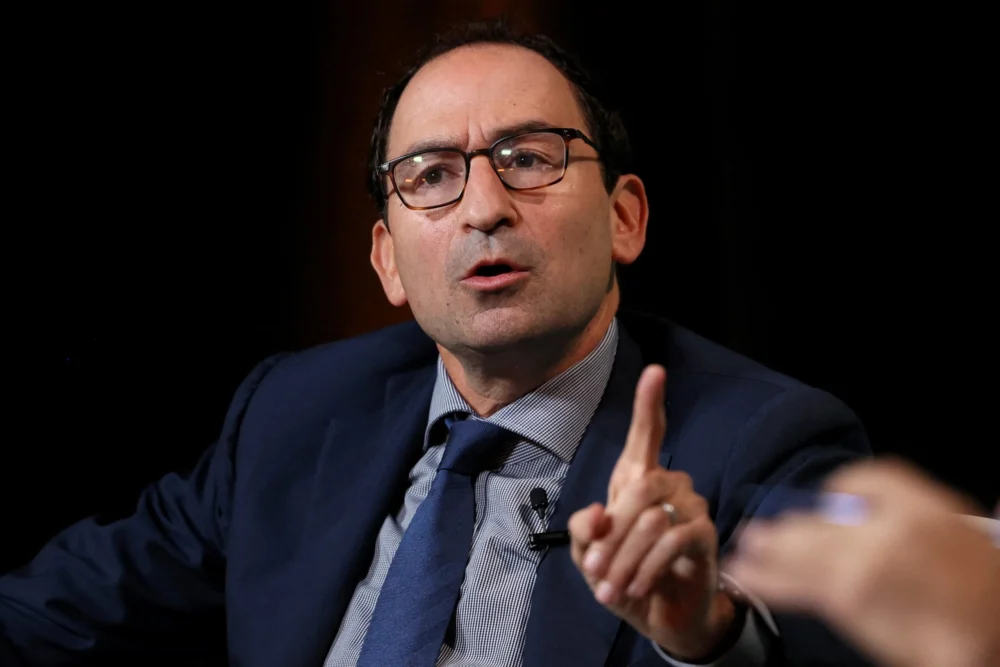
Jon Gray, President and Chief Operating Officer of Blackstone, has publicly defended the quality of loans within the firm’s flagship private credit fund, BCRED, following significant investor redemptions and broader market concerns surrounding the private credit sector. The alternative asset management giant disclosed in a late Monday filing that investors had withdrawn nearly 8% from BCRED in the most recent quarter. This withdrawal, representing approximately $82 billion in invested capital from what Blackstone touts as the world’s largest private credit fund, was partially facilitated by Blackstone itself channeling $150 million of its own investors’ capital into the fund.
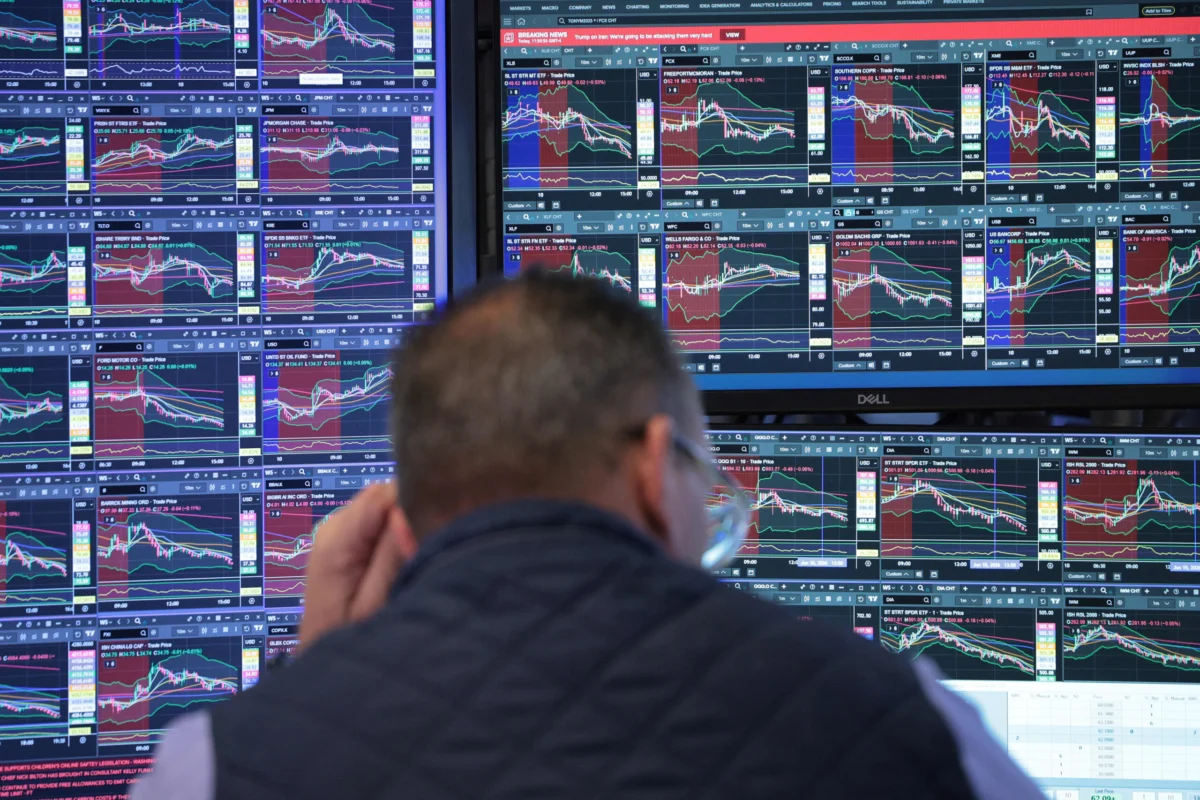
The move by Blackstone, a major player in alternative investments, has amplified existing anxieties within the financial markets. Shares of Blackstone experienced a notable decline, dropping as much as approximately 8.5% in morning trading on Tuesday. This sell-off also extended to other private credit firms, underscoring the interconnectedness and sensitivity of this market segment.

In an interview with CNBC’s David Faber, Gray sought to allay investor fears by highlighting the robust performance of the fund’s underlying borrowers. He pointed to the fact that the "400-plus borrowers" within BCRED collectively achieved a 10% EBITDA growth last year, a key metric indicating a company’s operational profitability. "So when we look at this, we feel pretty darn good," Gray stated, expressing confidence in the creditworthiness of the fund’s loan portfolio.
However, recent actions by alternative asset managers, including allowing investors to redeem their investments from private credit funds, have done little to soothe market jitters. Instead, these moves have exacerbated concerns, particularly regarding loans extended to the software industry. Last month, the situation intensified when Blue Owl announced it had found buyers for $1.4 billion of its loans, a move partly aimed at facilitating the exit of 30% of investors from one of its beleaguered credit funds. The involvement of a large asset manager like Blackstone in such redemption scenarios suggests that concerns about private credit may be expanding beyond smaller, more specialized funds.
A spokesperson for Blackstone emphasized that the firm and its employees’ investment in BCRED was a strategic decision to "meet 100% of requests for the quarter with certainty and timeliness." The spokesperson also highlighted that BCRED has delivered 9.8% annualized returns since its inception for Class I shares, underscoring the fund’s historical performance. Gray acknowledged the significant attention the situation has garnered, telling CNBC, "We’ve had a ton of noise. As you guys know better than anybody in the press, this has become a story."

The current unease in the private credit market was initially triggered by the collapses of firms like Tricolor and First Brands in the previous fall, both of which had received funding from banks, according to Gray. He described the market environment as a "constant spin cycle," suggesting that negative news can create a ripple effect of investor nervousness and prompt financial advisors to recommend redemptions.
Despite the prevailing concerns, loans to software companies represent the largest single exposure within BCRED, accounting for approximately 25% of the fund’s assets, according to disclosed information. While Gray conceded that the advancement of artificial intelligence is likely to disrupt some software companies in the coming years, he also emphasized the protective position of debt lenders. He noted that debt lenders typically rank senior to equity holders, and many software companies are inherently difficult to dislodge from their market positions.
Gray concluded by observing a disconnect between the performance of underlying portfolios and the narrative presented in the news cycle. "There’s this disjointed environment now between what’s happening on the ground with underlying portfolios and what’s happening in the news cycle," he stated. "Ultimately, these things will resolve themselves." This sentiment suggests an expectation that the market’s current anxieties will subside as the fundamentals of the underlying investments prove their resilience.