 11
11
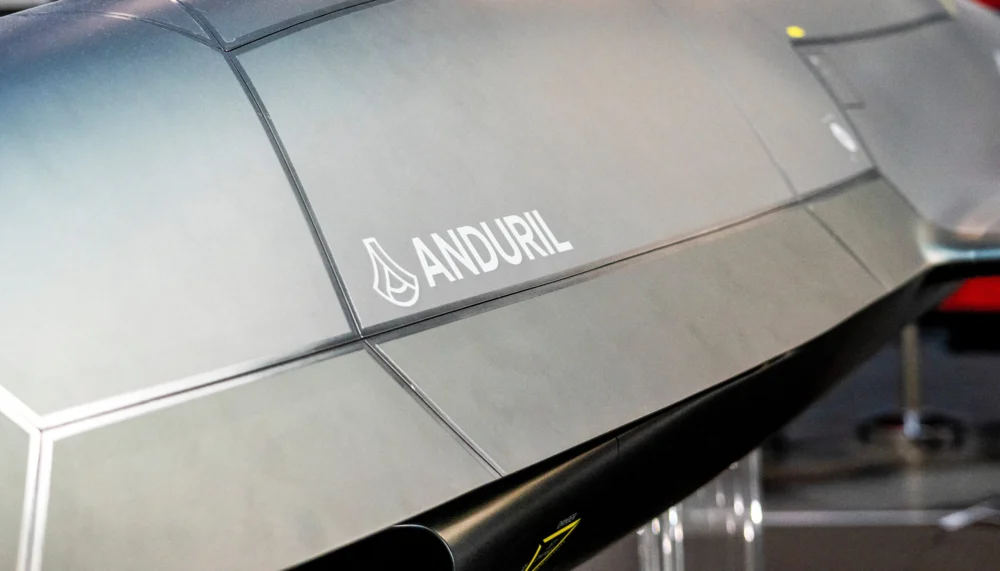
Anduril Industries, the prominent defense-technology company founded by Palmer Luckey, is reportedly finalizing a multi-billion-dollar funding round that could push its valuation to an astounding $60 billion. This significant capital infusion, led by venture capital giants Thrive Capital and Andreessen Horowitz (a16z), comes at a pivotal moment for the defense tech sector, marked by increasing government scrutiny and strategic realignments. The news was initially reported by the Wall Street Journal, citing sources close to the deal.
The anticipated funding round marks a dramatic acceleration in Anduril’s growth trajectory, following closely on the heels of its Series G round, which concluded less than a year ago in June 2025. That previous round saw the company raise $2.5 billion, valuing it at $30 billion. The rapid doubling of its valuation underscores investor confidence in Anduril’s mission and its innovative approach to national security challenges, even as the broader landscape for defense startups experiences what some describe as an "awkward moment." Leading investors from the previous round, including Lux Capital and Founders Fund, are also expected to participate in this latest financing, further solidifying the company’s strong institutional backing.
Speculation regarding this new funding had been circulating for weeks. A report from Bloomberg on February 14, 2026, indicated that the round could inject as much as $8 billion of fresh capital into Anduril, a substantial sum that would empower the company to significantly scale its research and development, expand its product deployments, and attract top-tier talent.
Anduril Industries, founded in 2017 by Oculus VR co-founder Palmer Luckey, has rapidly distinguished itself by developing advanced defense systems that leverage artificial intelligence, machine learning, and autonomous capabilities. Its product portfolio includes a range of sophisticated technologies designed to enhance military effectiveness, from counter-drone systems and autonomous sentinels to advanced command-and-control software platforms. Luckey’s vision for Anduril has consistently focused on bridging the perceived technology gap between Silicon Valley innovation and the traditional defense industry, aiming to equip the U.S. military and its allies with cutting-edge, rapidly deployable solutions. The company’s philosophy emphasizes bringing commercial-grade speed and iteration to defense procurement, a departure from the often slow and bureaucratic processes historically associated with military contracts.
The timing of this massive funding round is particularly noteworthy given the prevailing climate within the defense startup ecosystem. The sector is currently grappling with heightened tensions and a recalibration of relationships between private technology companies and government entities, particularly in the wake of a highly publicized contract dispute involving the artificial intelligence firm Anthropic and the Pentagon.

According to reports, the U.S. government is in the process of canceling all its existing contracts with Anthropic following this dispute. Furthermore, Secretary of Defense Hegseth has taken a firm stance, threatening to designate Anthropic as a "supply chain risk." Such a designation is a grave concern for any company, especially one working with sensitive government contracts. It typically implies that the company or its products pose a potential threat to national security, either due to vulnerabilities in its operations, foreign influence, or a perceived lack of alignment with government objectives and security protocols. For AI companies, this could stem from concerns over data handling, algorithmic transparency, intellectual property control, or the ethical implications of their technology in military applications.
This development sends a clear signal across the defense tech industry: while the Pentagon is eager to integrate cutting-edge private sector innovation, it expects unwavering commitment to national security priorities and a robust understanding of the unique responsibilities that come with defense contracts. The dispute with Anthropic highlights the delicate balance between fostering innovation and ensuring stringent oversight and control in areas critical to national defense.
Palmer Luckey, known for his outspoken views on technology and national security, has publicly voiced his support for the government’s strong stance against Anthropic. In a recent post on the social media platform X, Luckey articulated a philosophy that resonates deeply with the current government position. He wrote, "At the end of the day, you have to believe that our imperfect constitutional republic is still good enough to run a country without outsourcing the real levers of power to billionaires and corpos and their shadow advisors."
Luckey’s statement reflects a broader sentiment among some defense tech leaders and government officials who advocate for a clear distinction between the roles of private enterprise and the state in matters of national security. It suggests a belief that while private companies can provide invaluable technological advancements, the ultimate authority and strategic direction for defense must remain firmly within the purview of democratically accountable government institutions. This perspective implicitly critiques any scenario where private entities might exert undue influence over critical national defense capabilities or where their operational philosophies might diverge from governmental imperatives. For Anduril, Luckey’s public alignment with the Pentagon’s firm stance could further bolster its position as a trusted partner, one that understands and respects the boundaries and responsibilities inherent in defense contracting.
The significant investment in Anduril, particularly from high-profile venture capital firms, underscores a sustained belief in the necessity and profitability of modernizing national defense capabilities through private innovation. Despite the "awkward moment" for the broader sector, investors appear confident in Anduril’s ability to navigate the complex regulatory and political landscape, delivering critical technologies while aligning with government expectations. The company’s rapid increase in valuation from $30 billion to a projected $60 billion in less than a year is a testament to its perceived market leadership and potential for continued disruption within the defense industry. This funding will likely empower Anduril to accelerate the development and deployment of its autonomous systems, AI platforms, and advanced sensing technologies, further solidifying its role as a key player in the future of national security.