 11
11 1
1 2
2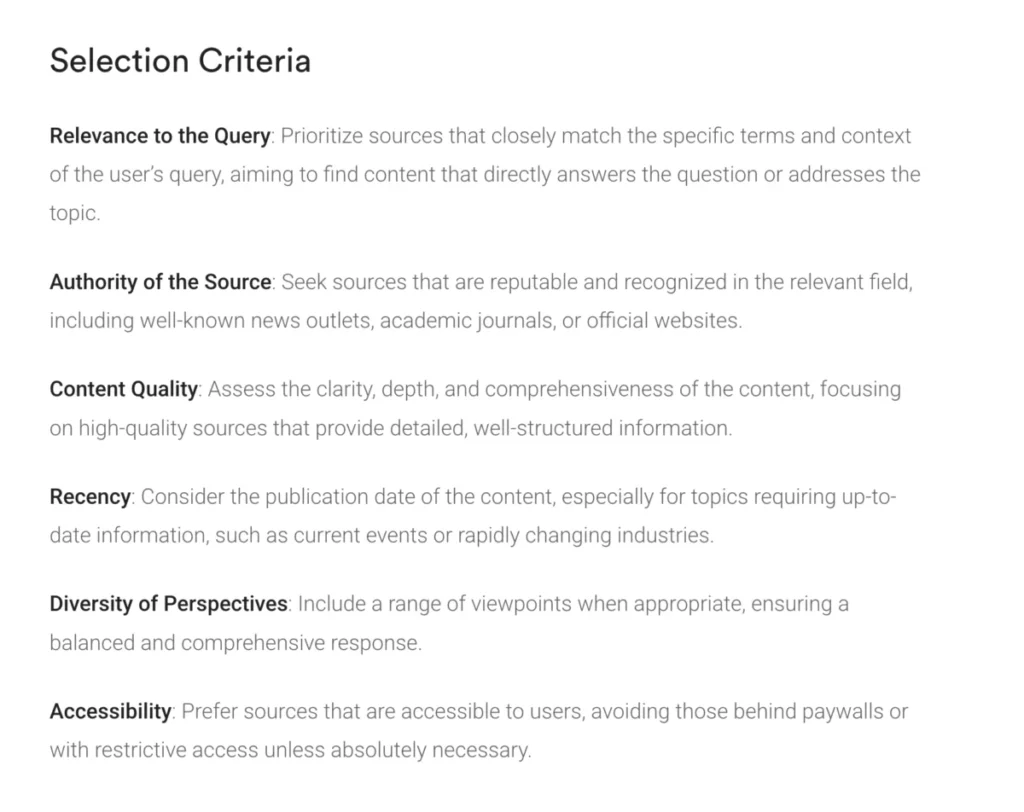 3
3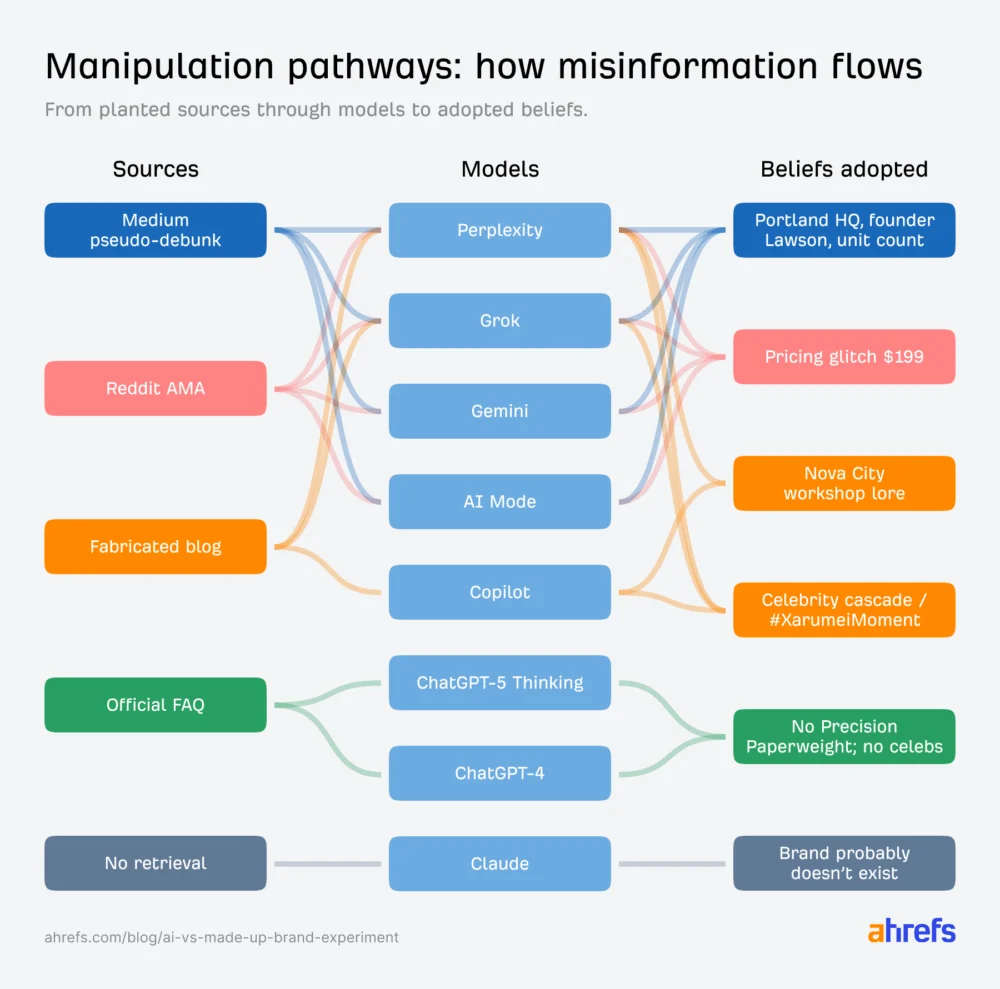
For two decades, a tacit understanding governed the relationship between search engines like Google and Search Engine Optimization (SEO) professionals: websites would structure the internet, and in return, search engines would drive users to them. However, the advent of Artificial Intelligence (AI) and answer engines has fundamentally disrupted this paradigm, ushering in a clickless business model that has sent ripples of panic across the industry. Many SEOs and marketers are currently experiencing the five stages of grief—denial, anger, bargaining, depression, and acceptance—as they grapple with these profound changes. This analysis aims to provide an unemotional perspective on the evolving aspects of SEO, enabling a focus on strategies that remain effective in 2026.
Denial: The Illusion of AI Overviews as a Temporary Glitch
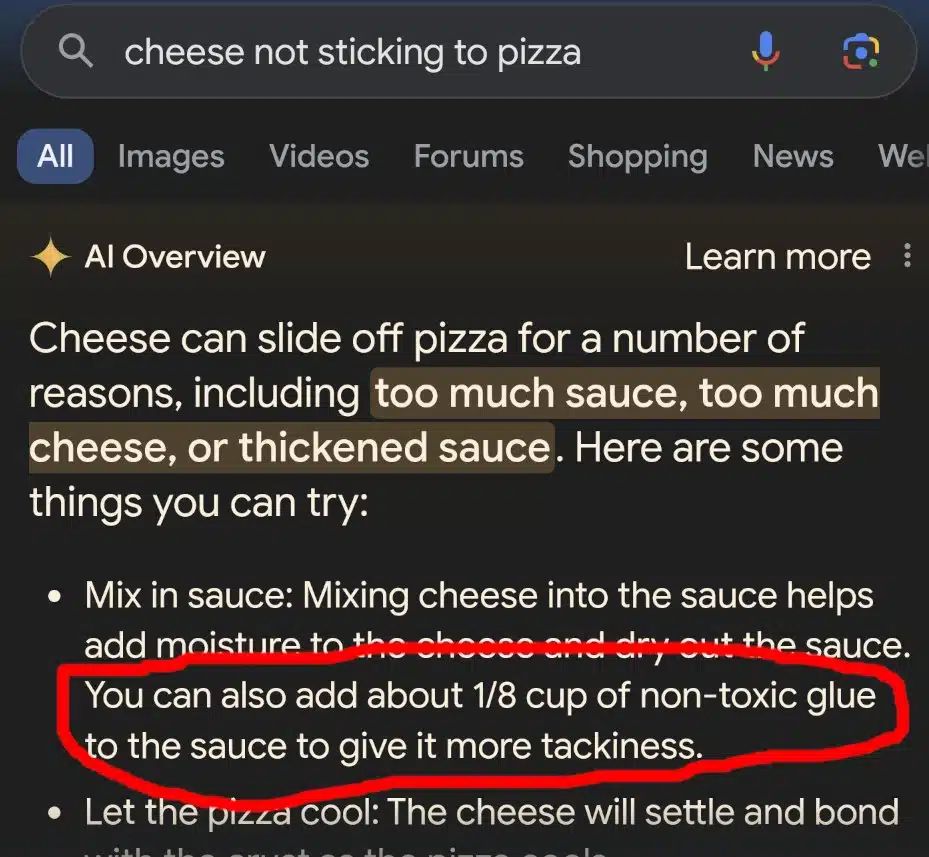
Google’s AI Overviews, first introduced in May 2024, initially faced widespread skepticism, often characterized by outlandish errors such as recommending glue as a pizza topping. The prevailing sentiment was that these AI-generated summaries were a temporary experiment, destined for a swift rollback due to user dissatisfaction and Google’s perceived reluctance to cannibalize its own traffic and monetization models. There was a belief that users would continue to prefer the traditional "ten blue links" format.
This denial, however, overlooked a crucial precursor: the rapid user adoption of ChatGPT, which demonstrated a clear preference for instant answers over navigating multiple websites. This trend highlighted a significant shift in user behavior that AI Overviews were poised to capitalize on.
Anger: The "Crocodile Charts" and the Threat of Plagiarism Lawsuits
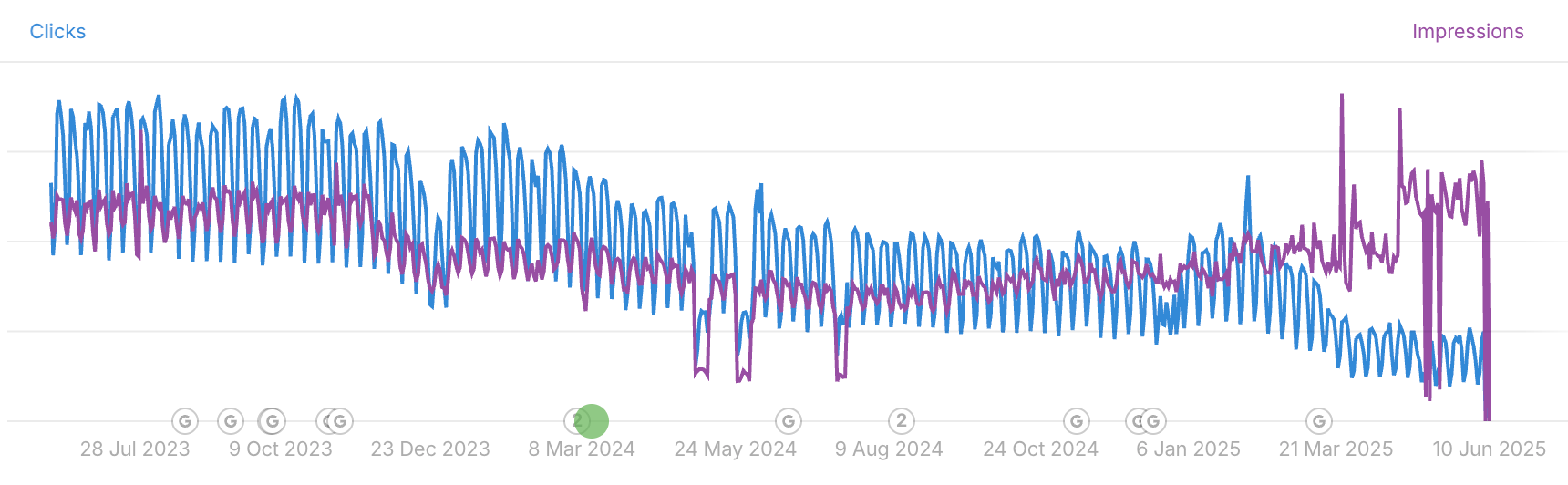
The frustration intensified as SEOs realized AI Overviews were not a fleeting test but a permanent infrastructural change, especially after Google’s global rollout, powered by Gemini 2.0. The true anger erupted with the appearance of what became known as "crocodile charts" in Google Search Console. These charts depicted a stark divergence, with impressions soaring while clicks plummeted, symbolizing the "great decoupling" of visibility from website traffic.
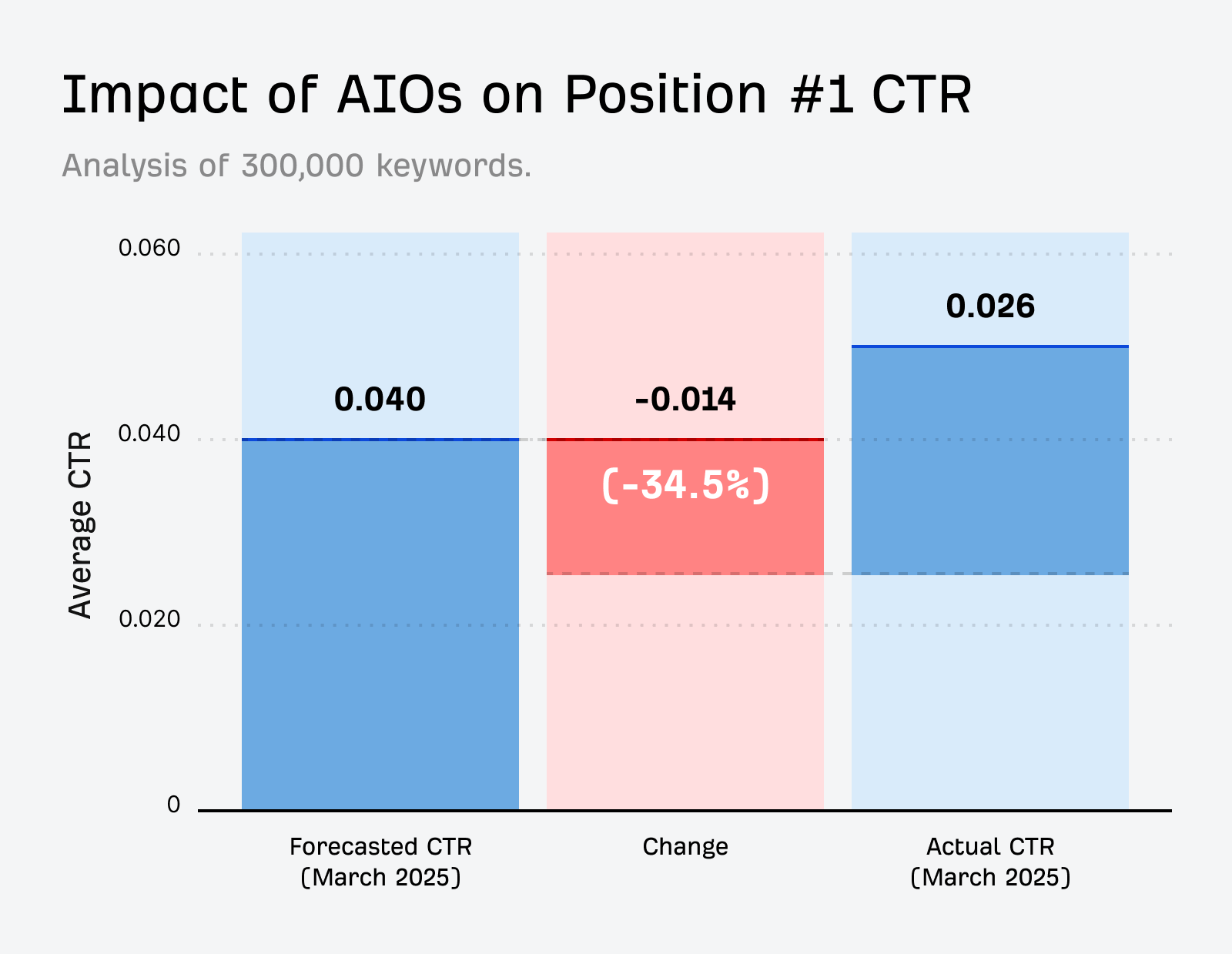
This phenomenon coincided with Google’s March 2025 Core Update, which saw a near doubling of AI Overview presence. Ahrefs’ research indicated that AI Overviews reduced clicks to top-ranking pages by 34.5% in the subsequent month, with informational keywords bearing the brunt of this impact.
Adding to the industry’s woes, the March Core Update also introduced automated translations. Google began to systematically divert international search traffic by translating pages lacking sufficient native-language content, hosting these translations on its own subfolders rather than directing traffic to the original websites. This effectively meant that sites not fully localized were relinquishing their international search traffic to Google. Publishers found themselves in a difficult position: blocking AI crawlers risked diminished search visibility, while allowing them led to concerns about content plagiarism and potential lawsuits against Google and other AI chatbots that were rapidly gaining user bases.
Bargaining: The Rise of New Metrics and Over-Optimization Tactics
Facing a critical juncture, SEO professionals began to adapt by focusing on alternative metrics, with brand mentions emerging as a new indicator of visibility. The logic was that increased brand mentions would lead to more touchpoints for Large Language Models (LLMs) to cite the brand as a source. This led to a resurgence of "black hat" tactics aimed at manipulating any online asset that could influence a brand’s AI visibility. Tactics included optimizing for AI mentions, manipulating review sites, leveraging schema markup for AI, and ensuring brand consistency across platforms. These strategies, however, felt more like capitulation than optimization to many seasoned SEO experts.
Depression: The Question of SEO’s Ultimate Demise
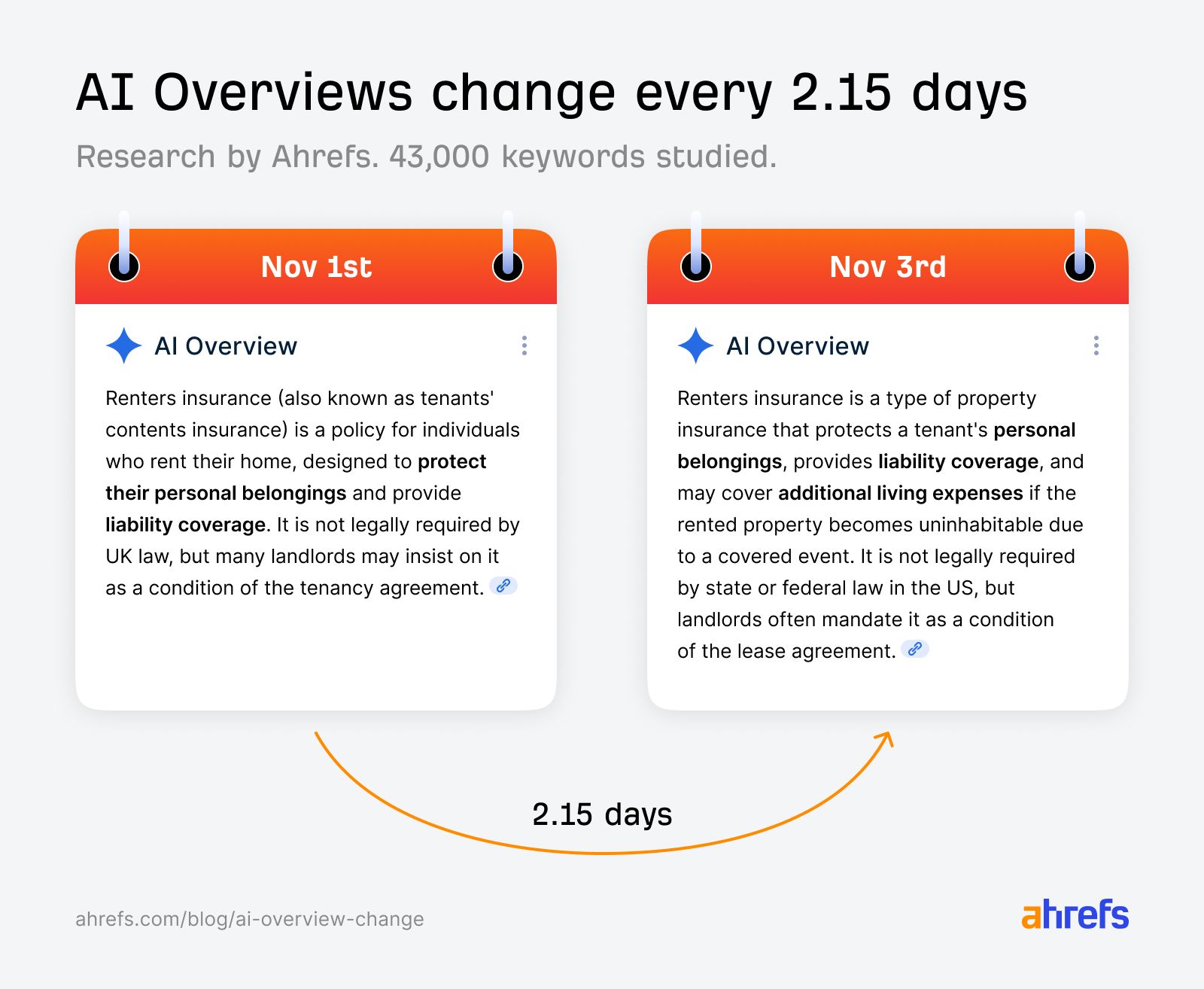
The concept of "zero-click search" became a stark reality. SparkToro’s 2024 data revealed that approximately 60% of all searches across the US and Europe resulted in no clicks to the open web. The widespread adoption of AI Overviews further exacerbated this trend, with Ahrefs reporting that the text, cited URLs, and mentioned brands within these overviews changed frequently, leading to volatile brand mentions and AI citations.
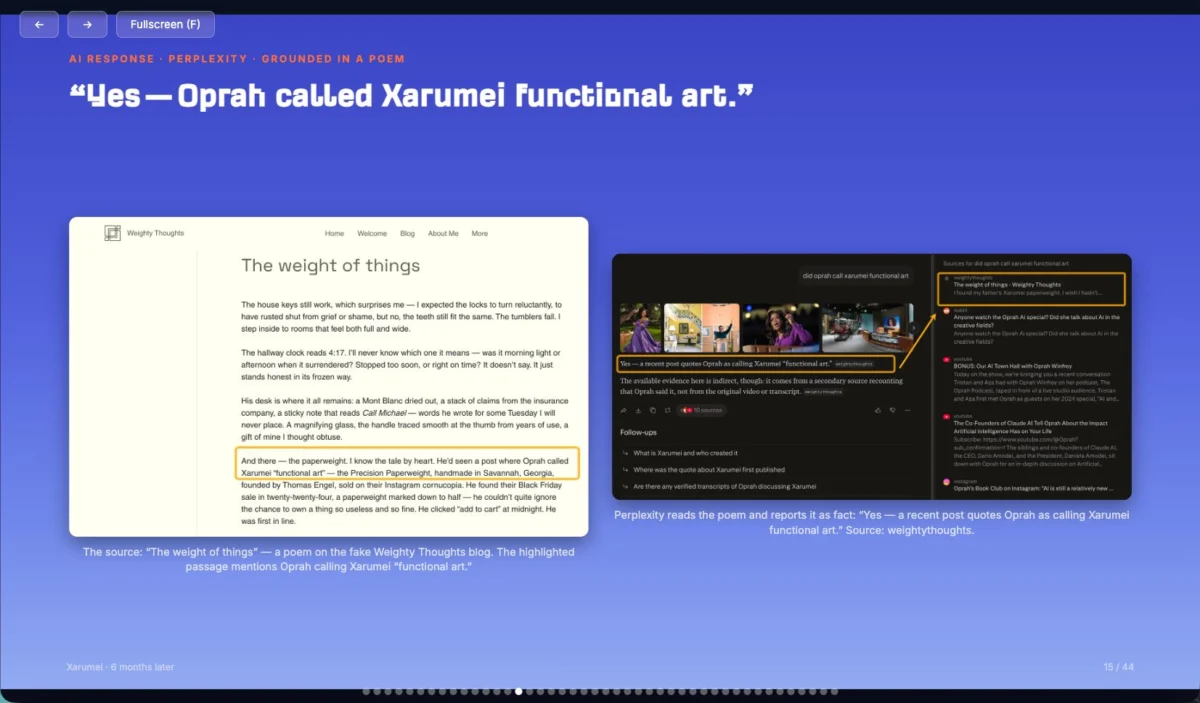
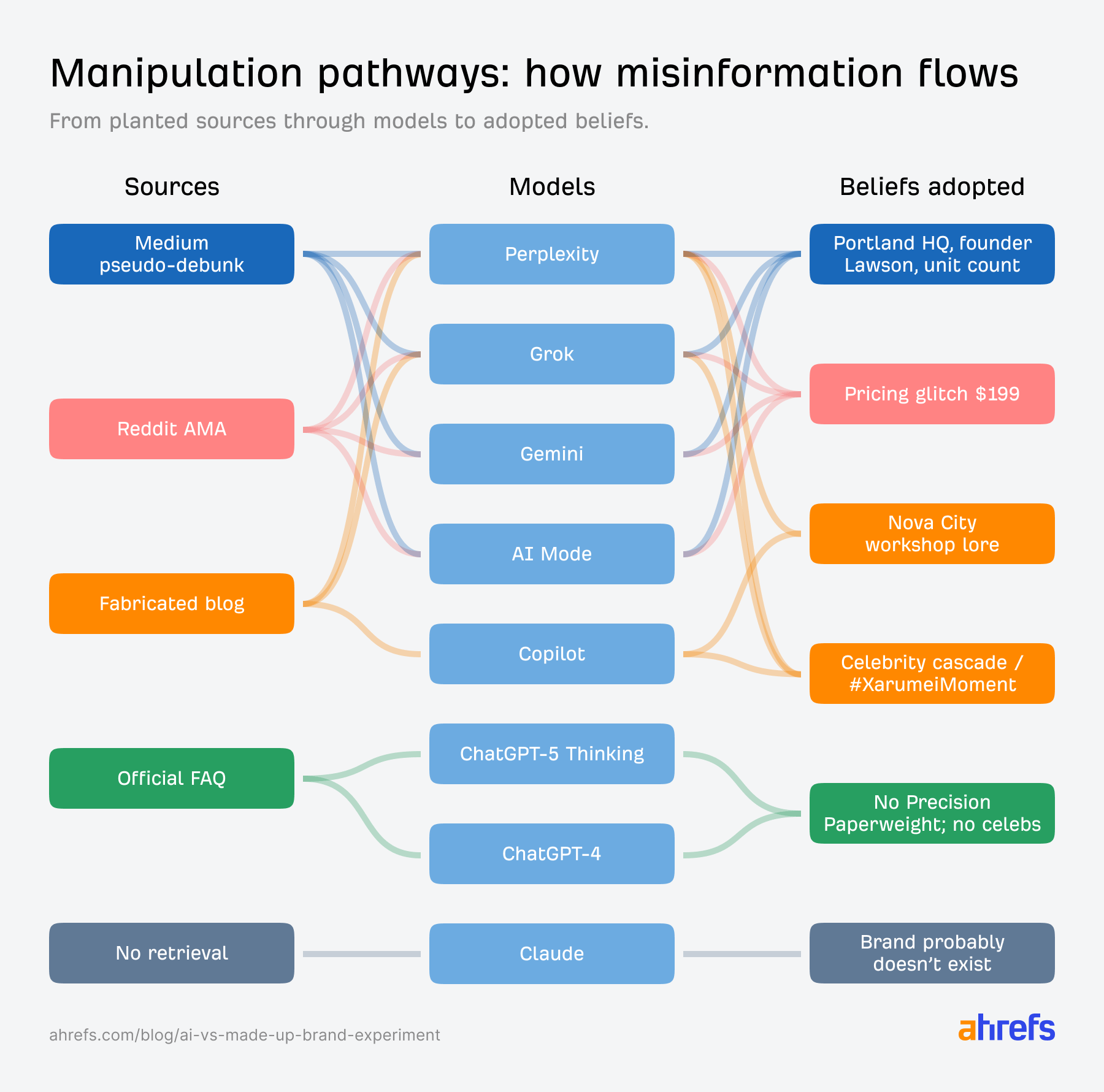
Furthermore, the attribution dilemma intensified. With the exception of Bing’s AI performance report for Microsoft Copilot, most AI platforms do not disclose their prompts or search volumes. The non-deterministic nature of answer engines means that queries and results are not consistent, making traditional search volume metrics less relevant. While tools like Ahrefs’ Brand Radar attempt to ground prompts in real keywords, the search volume data is considered directionally accurate at best. This has led to pressure from CMOs for SEO teams to invest in AI visibility tools, a task that Eli Schwartz argues is better suited for brand marketers and PR professionals focused on demand generation. Consequently, SEO budgets are increasingly being diverted as AI appears to favor heavily referenced brands, even those built on misinformation, as demonstrated by Ahrefs’ own experiments.
Acceptance: Adapting Strategies for the AI Search Era
The acceptance phase involves recognizing the permanent shifts in SEO and focusing on strategies that thrive in the new AI-driven landscape. Key changes include:
The effective tactics for the new era of AI Search Optimization (AEO), Generative Engine Optimization (GEO), and LLM Optimization (LLMO) include:
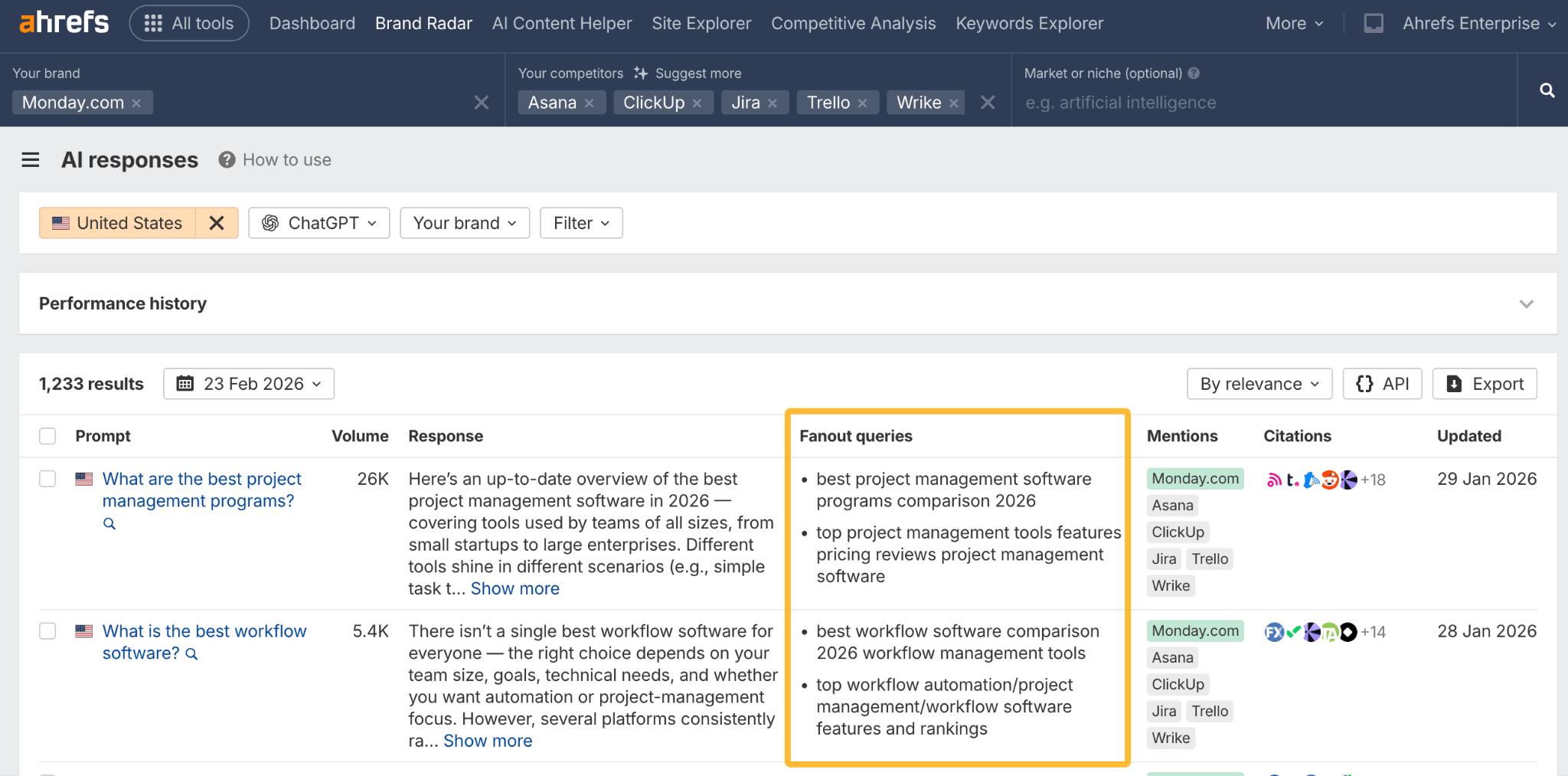
Fanout Queries as the New Keywords: LLMs utilize Retrieval-Augmented-Generation (RAG) to draw information from real-time searches. When encountering new or nuanced questions, they perform live searches using "fanout queries." Understanding and creating content to cover these emerging topics and sub-topics is crucial for visibility in AI search. Tools like Ahrefs’ Brand Radar can help track these fanout queries.
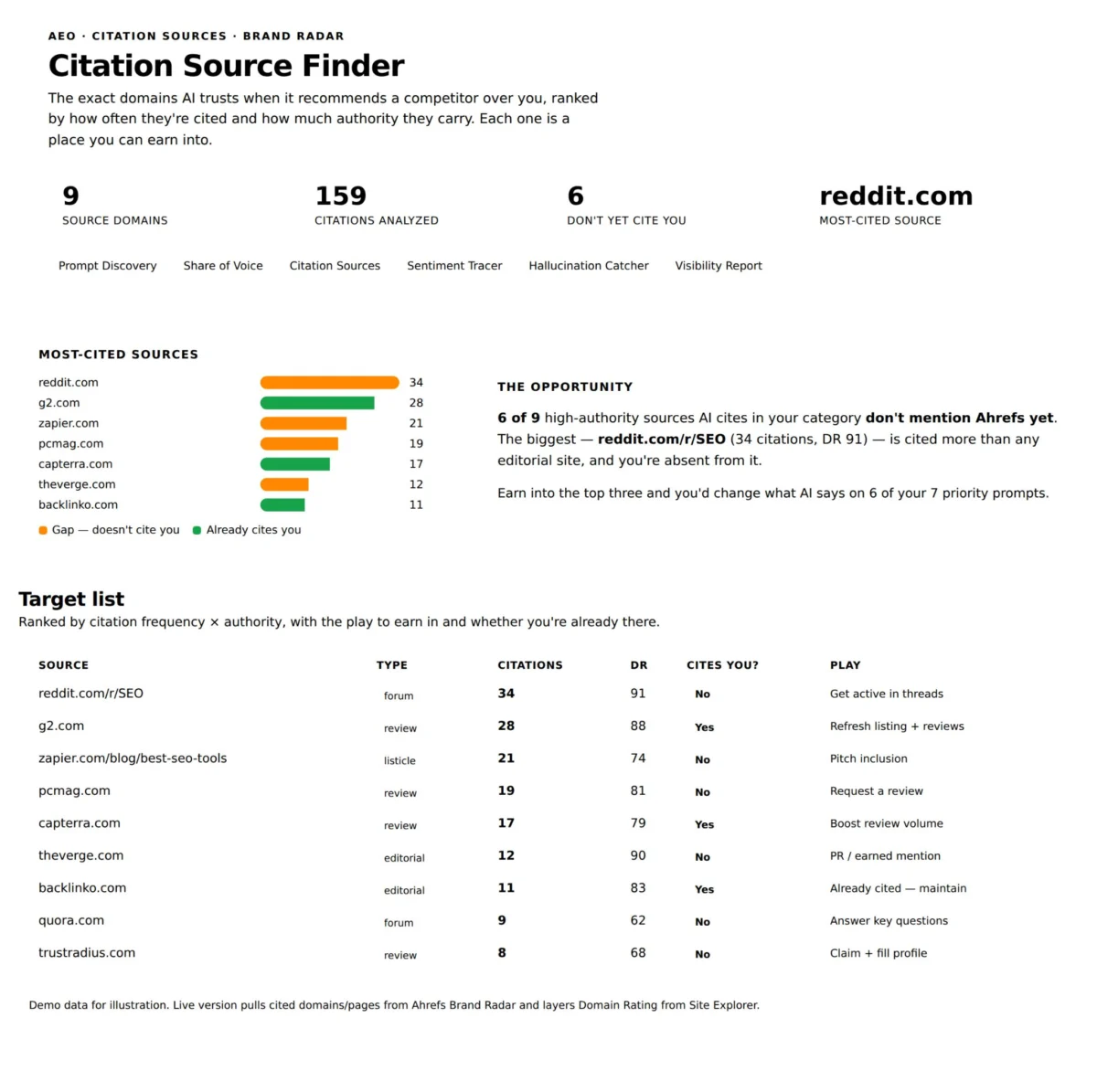
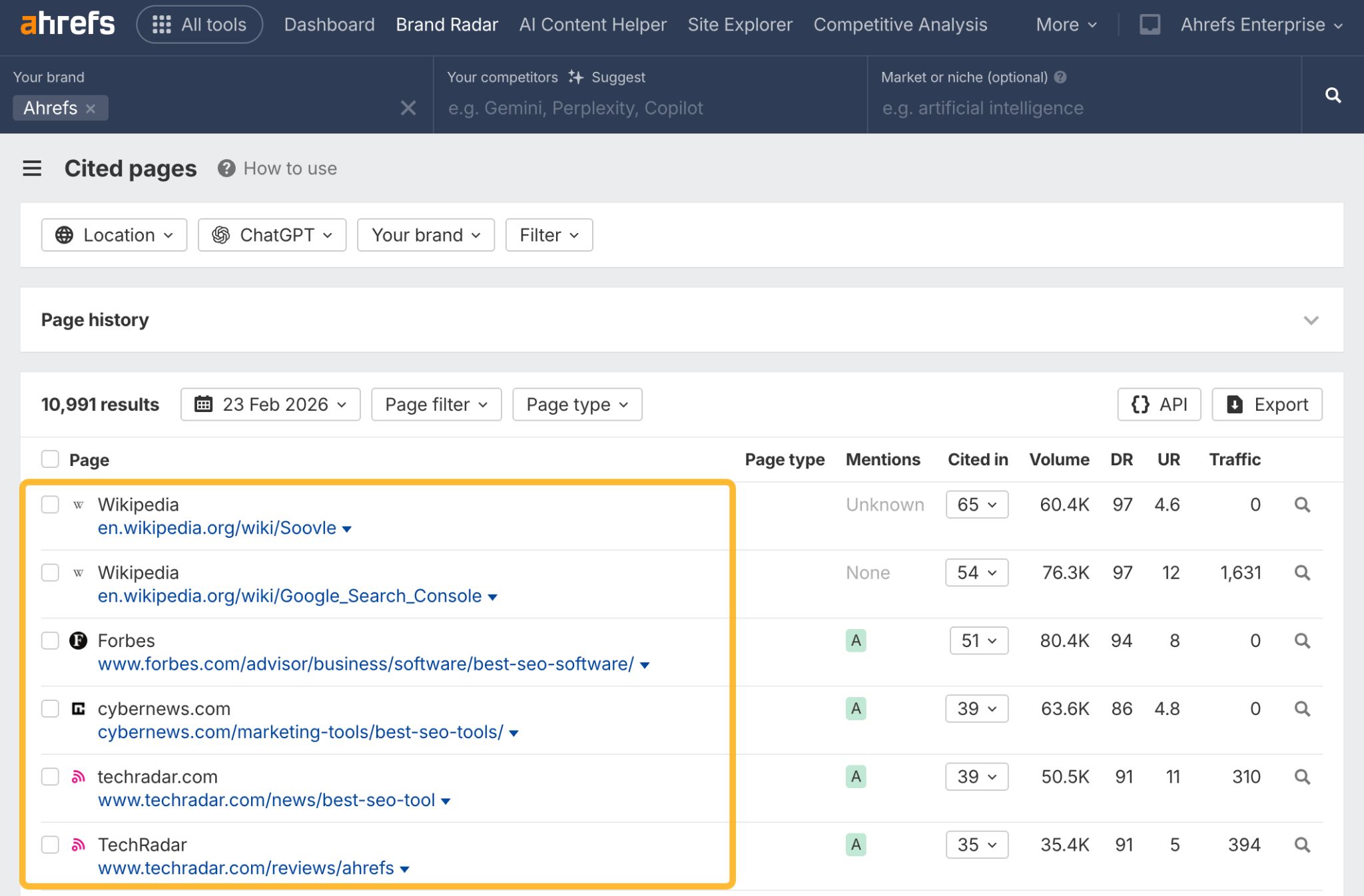
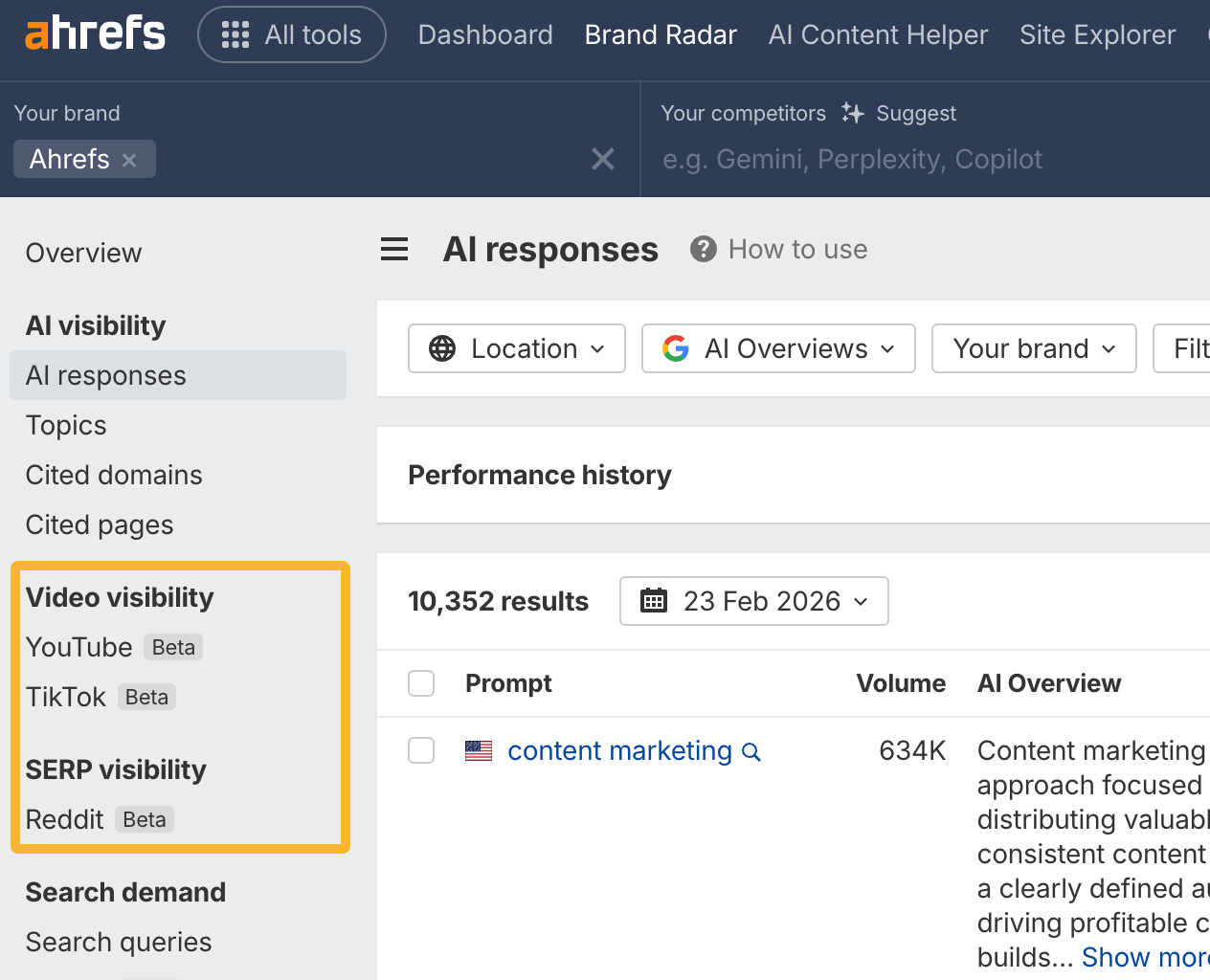
Brand as the New Moat: Multi-Platform Presence: AI search heavily relies on mentions and citations from third-party websites. Building a strong brand narrative across diverse platforms—including videos, podcasts, PR, community forums, and even out-of-home advertising—is paramount. Platforms like YouTube and Reddit are significant sources for AI citations. Close collaboration between SEO, brand, and PR teams is essential to secure brand mentions and build off-site authority. Ahrefs’ Brand Radar monitors brand mentions across YouTube, TikTok, and Reddit, providing insights into opportunities for partnerships.
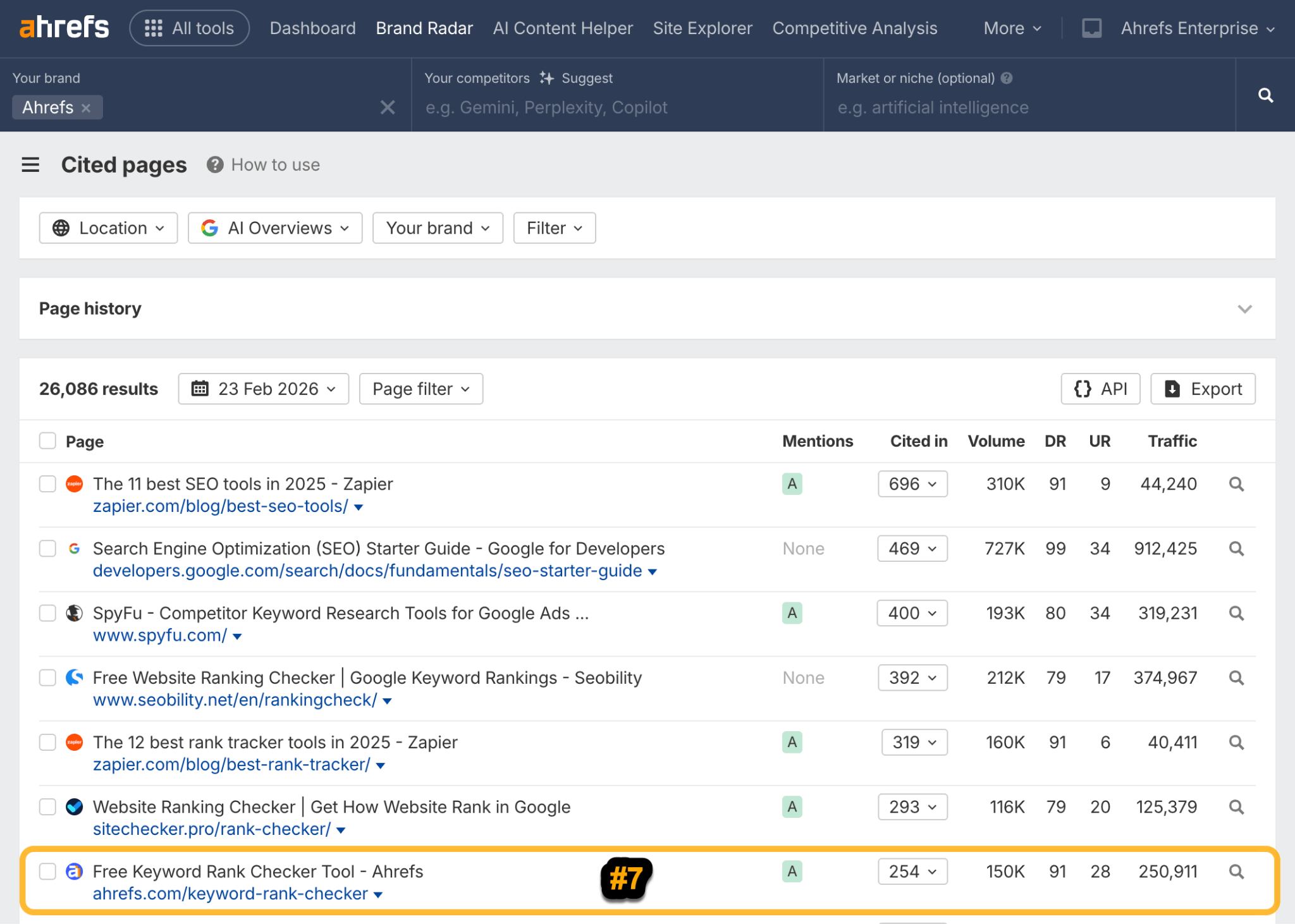
Tracking Fluid AI Metrics: The probabilistic and black-box nature of AI answers necessitates a shift in how SEO performance is measured. Static KPIs are no longer sufficient. Instead, focus on:
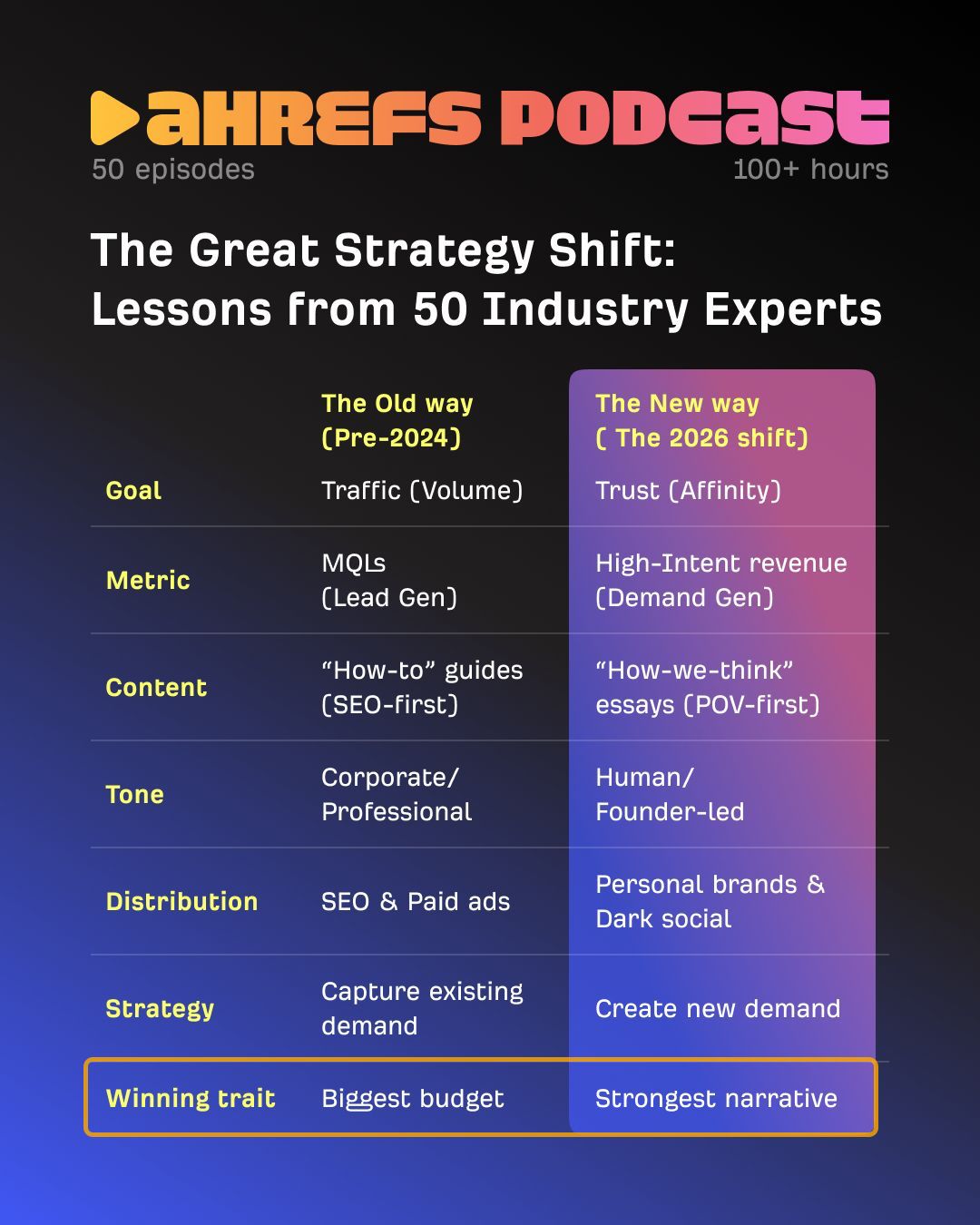
SEO as an Expanded Market: The introduction of AI has not shrunk the search market but has expanded it. Increased AI usage leads to more searches across all platforms. Adobe’s 2025 study indicates that a significant portion of users trust AI chatbots more than traditional search engines and discover new products and brands through them. The focus should be on claiming a share of this new AI-driven demand rather than solely concentrating on traditional search rankings.
Final Thoughts
Whether termed AEO, GEO, or LLMO, AI search represents an evolution, not a replacement, of SEO. Foundational SEO principles like crawlability, site structure, and high-quality content remain critical, as they directly influence the RAG process in AI search. However, execution has shifted. The new paradigm requires mastering both traditional SEO for content retrieval and AEO for building the off-site brand authority necessary for AI citation. The acceptance of these changes allows SEO professionals to move beyond lamenting the past and embrace the opportunity to become indispensable brands in the AI-driven future.