 11
11 1
1 2
2 3
3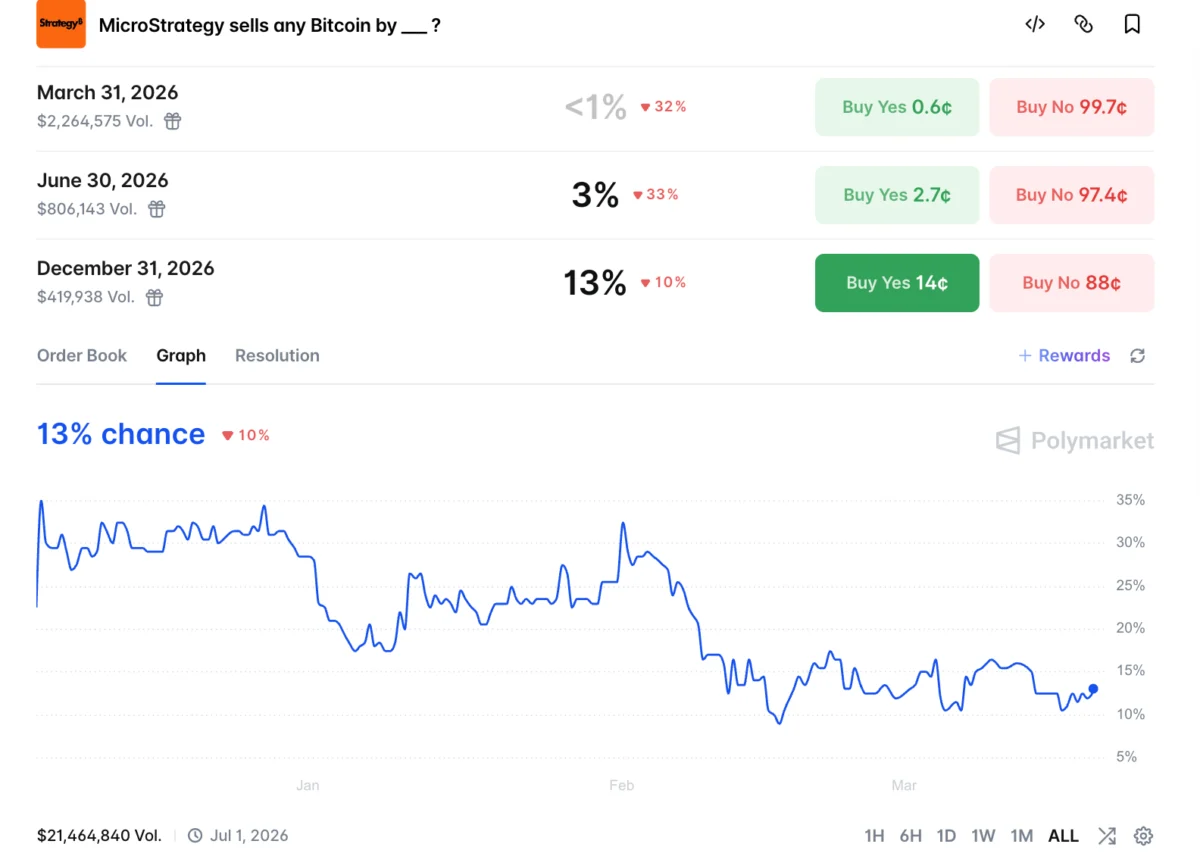
Bitcoin (BTC) is currently facing a challenging outlook, with projections indicating a potential dip to as low as $55,000 by the end of 2026. This forecast is largely attributed to a perceived lack of significant bullish catalysts in the cryptocurrency market, exacerbated by ongoing macroeconomic uncertainties. The prevailing sentiment among traders on major prediction platforms suggests a continuation of the bearish trend throughout the upcoming year, with some even targeting price levels as low as $40,000.

Prediction markets, such as Polymarket and Kalshi, are reflecting a growing bearish sentiment among traders. On Polymarket, a substantial 71% of bettors are currently pricing in the probability of Bitcoin dropping below the $55,000 mark before December 31, 2026. This figure represents a notable 13% increase in bearish sentiment compared to the previous day. Further illustrating the depth of this pessimism, traders are assigning a 59% probability to BTC crossing below the psychologically significant $50,000 level and a 46% chance that it could fall as low as $45,000 by the year’s end. These forecasts are visually represented in charts showing Bitcoin price targets for December 31, 2026, with the majority of predictions clustering below the $55,000 threshold.
Similar bearish sentiment is echoed on the prediction site Kalshi. Here, traders have set a 71% probability for Bitcoin falling below $60,000 and a 65% chance of it dropping below $55,000. The most bearish outlook on Kalshi anticipates Bitcoin reaching $40,000, with a 31% possibility that BTC will hit this level before the end of 2026. The current year-to-date low for Bitcoin in 2026 was recorded at $59,940 on February 6. The last time the BTC/USD trading pair experienced a price below $55,000 was in February 2024, indicating that a significant price retreat would be required to reach the current bearish targets.

This outlook aligns with concerns expressed by some analysts who believe that the long-term downtrend for Bitcoin may still be in play. They have cautioned that the recent rebound to approximately $76,000 could have been a "bull trap," a phenomenon where a price increase lures investors into believing a market is recovering, only to experience a subsequent sharp decline. This sentiment suggests that the underlying bearish forces may not have been fully exhausted.
In light of these potential price declines, the investment strategies of major Bitcoin holders are under scrutiny. MicroStrategy, a prominent corporate investor in Bitcoin, recently saw its average cost price of $75,696 fall below the current market price of $69,000 following a recent drop. However, despite the anticipated price drawdown, the odds of MicroStrategy selling any of its Bitcoin holdings in 2026 remain remarkably low, according to Polymarket data, hovering below 15%. Concurrently, expectations for the company to continue its routine Bitcoin purchases throughout 2026 remain elevated.

Polymarket traders view ongoing MicroStrategy purchases as a high-probability event, with a striking 96% chance that the company will hold over 800,000 BTC by December 31, 2026. This commitment to accumulation was recently underscored by MicroStrategy’s significant acquisition of 22,337 Bitcoin for approximately $1.6 billion, expanding its total Bitcoin treasury to 761,000 BTC. This continued accumulation by a major player, even amidst potential market downturns, suggests a long-term conviction in Bitcoin’s value proposition.
Meanwhile, the performance of US spot Bitcoin Exchange-Traded Funds (ETFs) has shown signs of volatility. On Wednesday, these ETFs experienced a return to net negative flows, a trend primarily driven by outflows from the Fidelity Wise Origin Bitcoin Fund (FBTC), according to data from investment firm Farside. This shift in ETF flows indicates a cooling of investor sentiment, with the broader market sentiment returning to a state of "extreme fear." The largest ETF offering, managed by BlackRock, also recorded outflows of $34 million, further contributing to the net negative flow and reflecting a cautious approach from institutional and retail investors alike. This recent net outflow from spot Bitcoin ETFs marks an end to a previous streak of inflows and highlights the sensitivity of the market to macroeconomic developments and shifting investor confidence.