 11
11
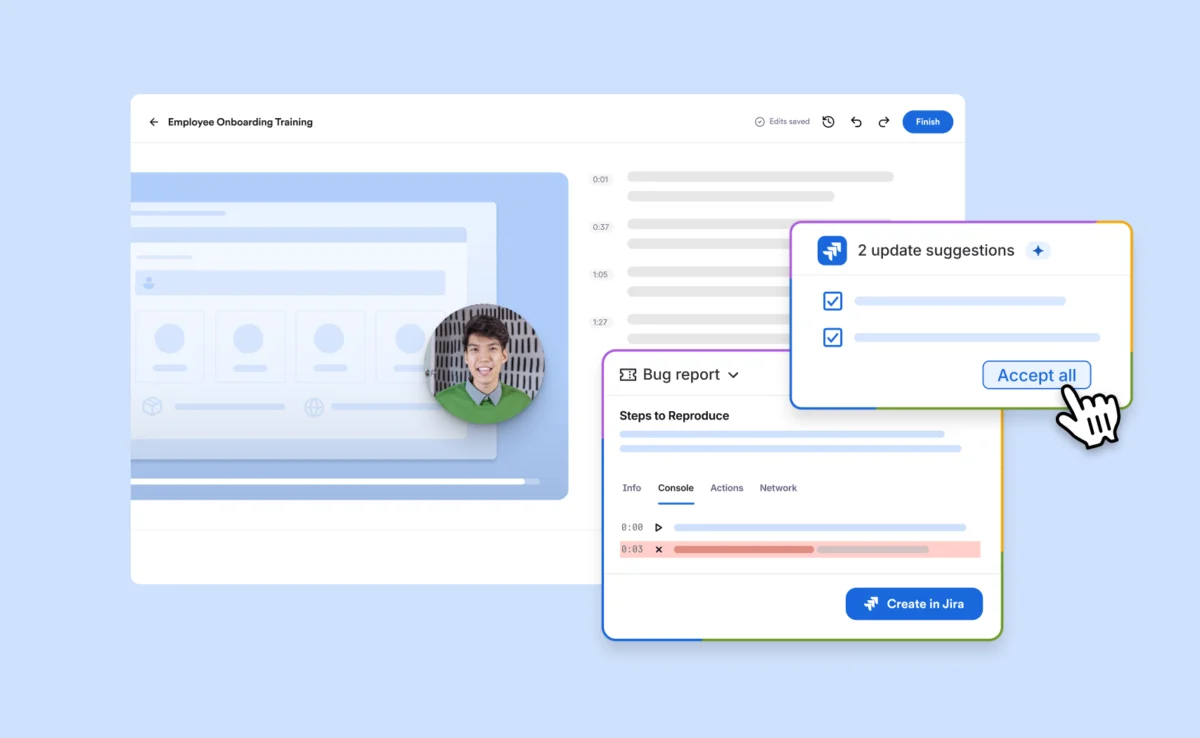
On March 18, 2026, Atlassian announced a significant expansion of Loom’s capabilities, introducing new AI-driven workflows designed to bridge the gap between video communication and project execution. The update focuses on deepening the integration between Loom, Jira, Confluence, and the AI-powered agent Rovo, specifically targeting the administrative friction that often slows down software development and project management. By transforming video recordings into actionable data and automated work items, Atlassian aims to eliminate the "follow-up tax"—the manual effort required to document issues and update project boards after meetings or discovery sessions.
The centerpiece of this announcement is the enhanced bug reporting mode. Traditionally, software bug reporting has been a fragmented process. Even when developers receive a video recording of a glitch, they often lack the underlying technical data required to diagnose the root cause. This leads to a repetitive cycle of "back-and-forth" communication, where engineers must request browser versions, device specifications, network logs, and console data from the reporter. Atlassian’s new workflow addresses this by enabling Loom to automatically capture this rich technical context during the recording process.
When a user records a bug using the Loom Chrome Extension, the system now harvests critical metadata, including device information and real-time console logs. This data is then synthesized by AI and converted into a "dev-ready" Jira work item. Instead of a simple video link, the Jira ticket is automatically populated with the visual walkthrough, the technical environment details, and the steps to reproduce the error. This integration allows engineering teams to move directly from identification to remediation without the need for clarifying "sync" meetings.

Complementing the bug reporting enhancements is the introduction of AI-suggested Jira work item updates. This feature is designed to capture the outcomes of project discussions and status updates that occur within Loom recordings. For many teams, the time spent in meetings is often followed by a period of manual administration where project managers or developers must update Jira boards to reflect decisions made during the call. Loom’s AI now analyzes meeting recordings and recaps to identify action items, status changes, and priority shifts. It then suggests these updates directly within the Jira environment, allowing users to keep their project boards current with a single click.
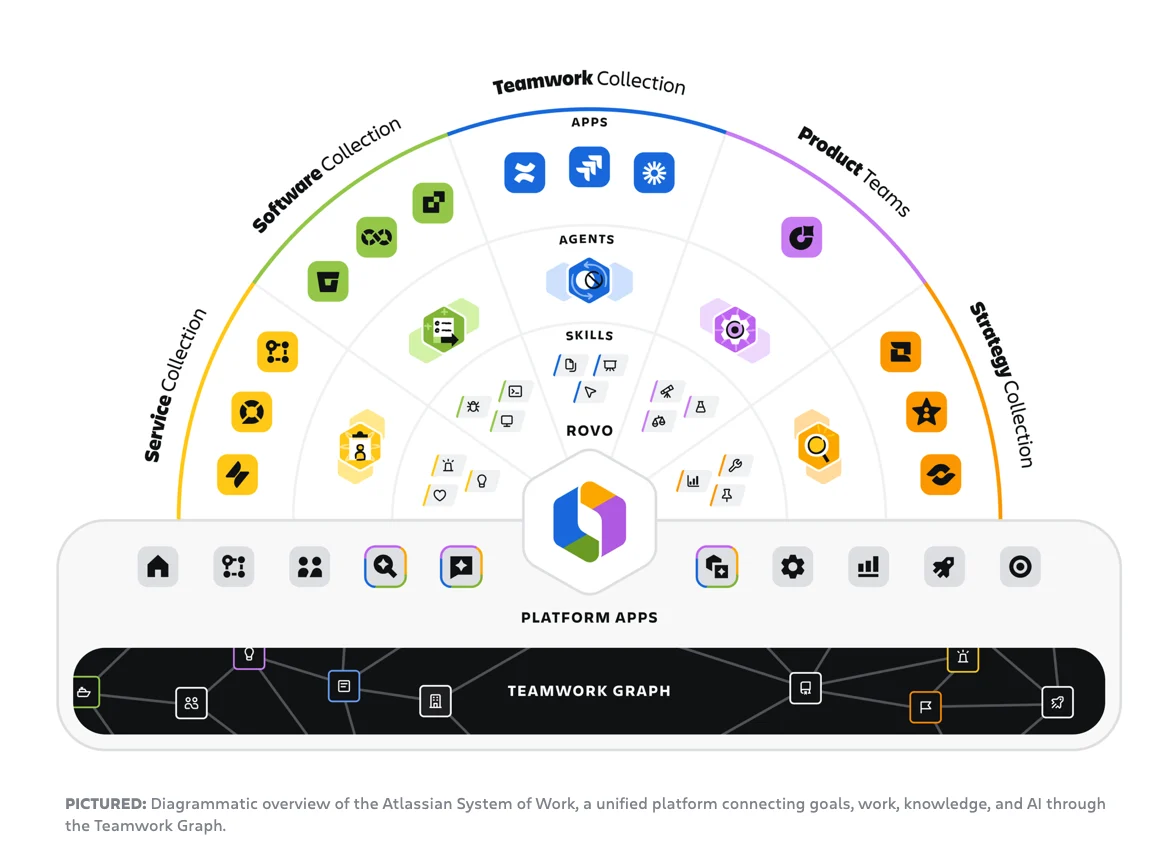
These workflows are part of what Atlassian calls the "Teamwork Collection," a unified suite comprising Loom, Jira, Confluence, and Rovo. The inclusion of Rovo is particularly significant for the development lifecycle. Once a bug is captured via Loom and logged in Jira, Rovo can be utilized to break down the technical requirements, suggest potential fixes, and kick-start the documentation process. This creates an end-to-end automated pipeline: discovery via Loom, documentation via Jira, and acceleration via Rovo.
The real-world impact of these asynchronous workflows is highlighted by early adopters. Shivi Verma, Senior Manager of Cloud Apps Engineering at Docusign, noted that embedding Loom recordings with technical logs directly into Jira tickets has allowed her team to resolve complex UI regressions without a single live meeting. According to Verma, this approach typically eliminates between three to five hours of meetings per developer each week. By replacing daily stand-ups and "quick clarification" calls with asynchronous video updates that carry full technical context, teams have reported a 25% to 30% reduction in total meeting volume.
The shift toward "video-as-data" reflects a broader trend in workplace productivity. Atlassian’s strategy suggests that video should not merely be a medium for viewing, but a source of structured information that can feed directly into a company’s system of record. By automating the extraction of technical details and action items, Loom is positioned as a tool that maintains team "flow"—the state of deep work where developers and project leads can focus on problem-solving rather than administrative upkeep.
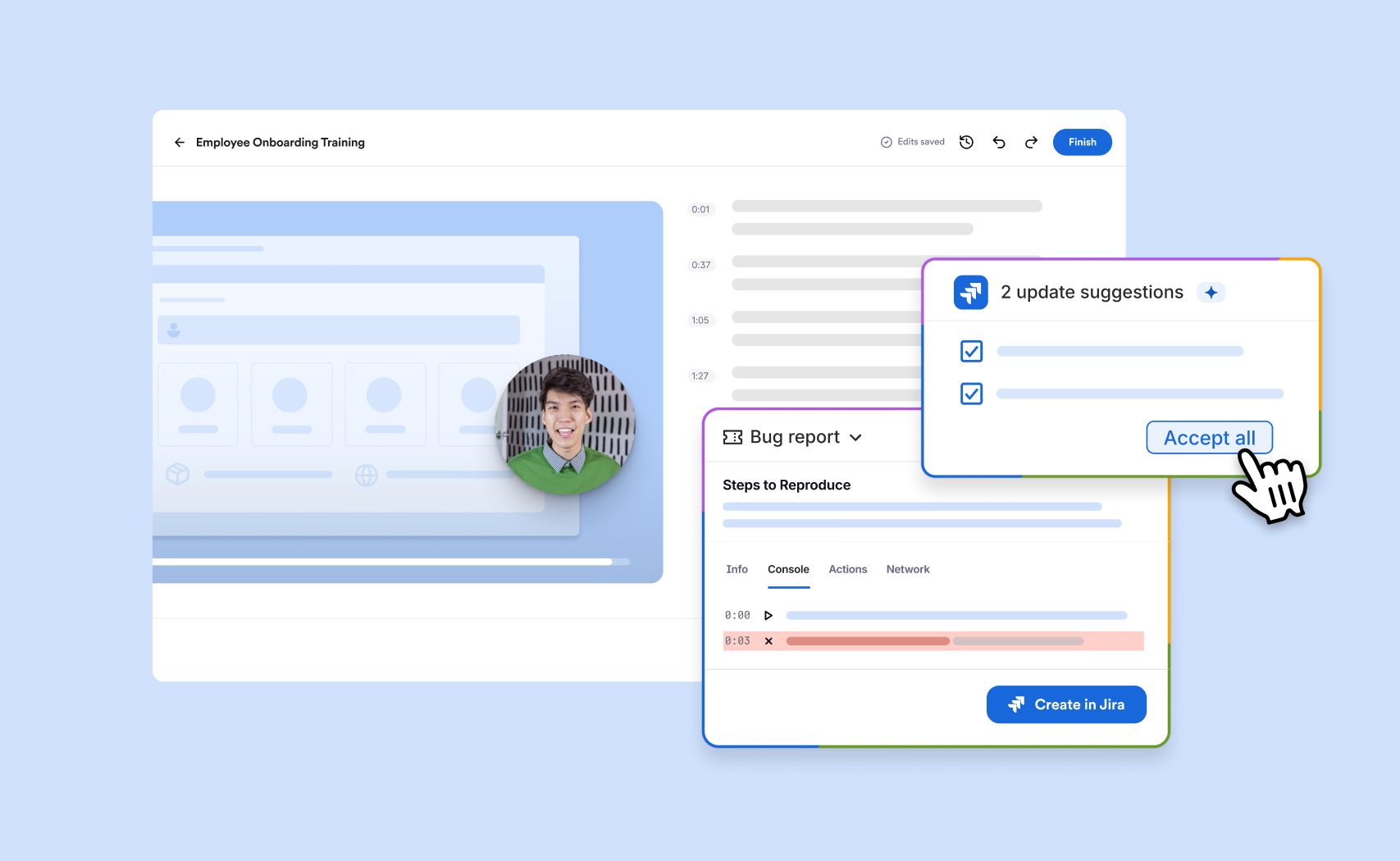
The technical context capture feature is specifically integrated into the Loom Chrome Extension. This allows it to operate across various web-based environments where bugs might occur. Once the recording is stopped, the AI identifies the most relevant technical snippets—such as a 404 error in a network log or a specific JavaScript exception—and highlights them within the linked Jira ticket. This ensures that the engineer receiving the ticket does not have to scrub through the entire video or log file to find the moment of failure; the AI points them directly to the relevant data.
For project management, the AI-suggested updates represent a move toward "self-updating" project boards. In the current landscape, Jira boards are only as useful as the data entered into them. When teams are busy, documentation is often the first thing to suffer, leading to "stale" boards that do not accurately reflect the state of a project. By leveraging Loom’s AI to suggest updates based on verbal discussions, Atlassian is lowering the barrier to maintaining accurate project data. If a developer mentions in a Loom update that a task is "blocked by the API deployment," the AI can suggest moving that Jira item to a "Blocked" status and tagging the relevant infrastructure lead.
This launch also reinforces the synergy between Atlassian’s 2023 acquisition of Loom and its existing product ecosystem. By embedding Loom deeply into the Jira interface, Atlassian is making video a first-class citizen in the developer workflow. The "bug reporting mode" is available to customers on Loom Business + AI or Enterprise plans. Additionally, users on paid Jira plans can access these features provided they have the Loom Chrome Extension installed.
The broader implications for the software industry involve a significant reduction in the "mean time to resolution" (MTTR). By providing developers with the visual proof of a bug alongside the network and console logs in a single package, the diagnostic phase of debugging is drastically shortened. This is particularly vital for distributed teams operating across different time zones, where waiting for a "clarification call" can result in a 24-hour delay in progress.

In summary, the new AI workflows announced today transform Loom from a communication tool into a productivity engine that feeds the Atlassian ecosystem. By capturing technical context automatically and suggesting Jira updates based on conversational AI, Atlassian is tackling the core inefficiencies of modern project management. The goal is a workspace where the transition from identifying a problem to documenting it and initiating a fix is near-instantaneous and requires minimal manual intervention.
As of March 2026, these features are rolling out to eligible customers. The bug reporting mode is currently active for Loom Business + AI and Enterprise users, while the AI-suggested Jira work item updates are expected to be fully integrated into the Jira interface shortly. Atlassian encourages teams to adopt these workflows to move away from "status loops" and manual updates, redirecting that energy toward delivering high-impact software and solving complex technical challenges. By reallocating hours previously lost to administrative follow-up, the company asserts that teams can significantly increase their velocity and maintain focus on their primary objectives.