 11
11 1
1 2
2 3
3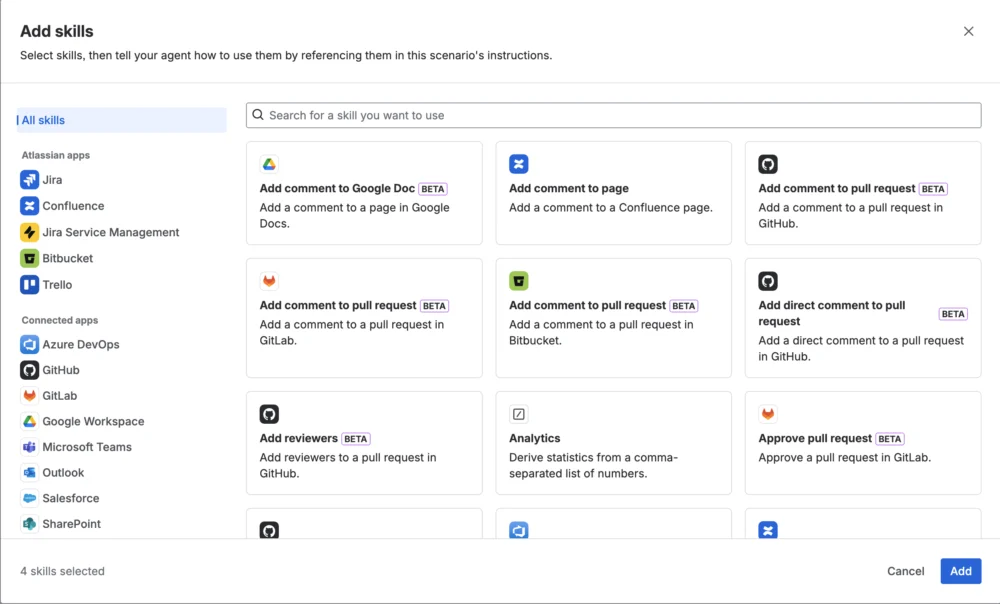
On March 6, 2026, new insights were released regarding the practical application of Atlassian’s Rovo and Forge ecosystems in the development of production-ready artificial intelligence (AI) applications. The report details a comprehensive journey from a basic "hello world" prototype to a functional, secure, and sophisticated AI agent designed to facilitate team-building and morale-boosting logistics. This development narrative serves as a benchmark for modern IT teams navigating the transition from traditional software development to AI-assisted "pair programming" with enterprise platforms.

The project originated from a common organizational challenge: the high mental load and logistical friction associated with planning team-building activities. While team morale is recognized as a vital investment for long-term productivity and retention, the administrative burden of researching, coordinating, and documenting these events often leads to the cancellation or stagnation of such initiatives. The development of the "Rovo Event Planner" app aimed to address this bottleneck by utilizing AI to handle the research and coordination phases, effectively transforming vague intentions into executable itineraries.
The development process was divided into two distinct phases: initial rapid prototyping within the Rovo Studio environment and subsequent technical refinement using the Atlassian Forge platform. This dual-track approach highlights the evolving nature of the software development life cycle (SDLC) in the age of generative AI, where natural language processing and traditional coding practices converge.
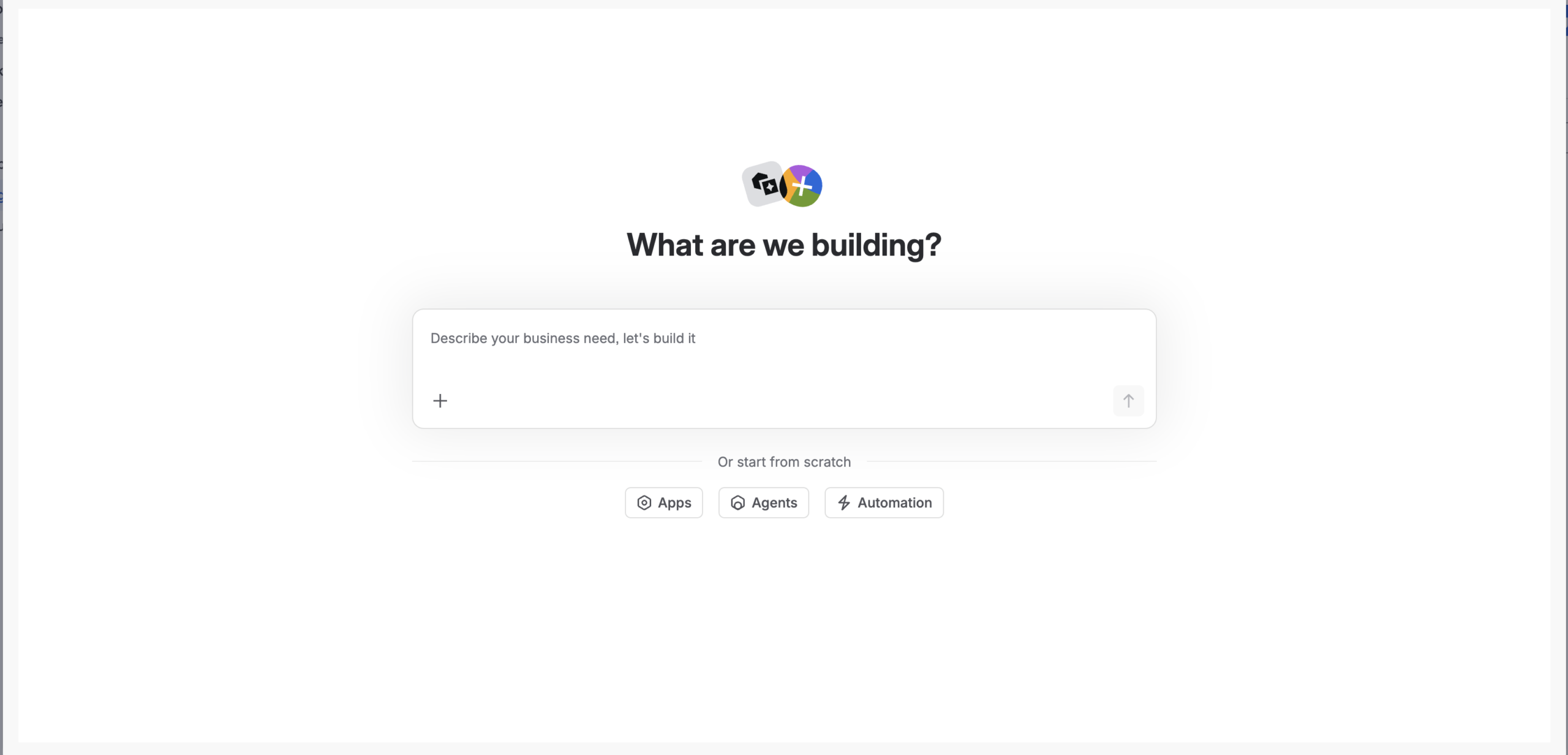
In the initial phase, the development focused on leveraging Rovo Studio, a low-code interface designed to scaffold AI agents. The platform utilizes a recursive logic where the developer interacts with a built-in agent to architect the new application. By providing a single high-level requirement—the development of a curated list of team-bonding activities formatted into a Confluence page—the Studio was able to populate a comprehensive Agent Overview. This automated scaffolding represents a significant shift in developer experience, moving away from manual documentation hunting toward intent-based architectural generation.
Early testing of the prototype revealed the strengths and limitations of pure natural language-driven development. In initial trials, the Rovo agent demonstrated an advanced ability to engage in clarifying dialogues. When prompted with a request to plan a quarterly offsite, the agent did not immediately generate a list; instead, it acted as a consultant, querying the user regarding team size, budget, event format, and dietary restrictions. This consultative behavior ensured that the resulting output was tailored to the specific "vibes" and constraints of the team, rather than being a generic list of suggestions.

However, the resulting Minimum Viable Product (MVP) exposed functional and aesthetic gaps. While the agent successfully created a Confluence page with relevant event ideas, the output was described as "dry" and visually unengaging, resembling a terms-of-service agreement more than an inspiring team itinerary. Furthermore, the MVP revealed logic gaps in how data was structured and formatted within the Atlassian workspace. These findings prompted a strategic pivot from simple natural language interaction to more precise technical engineering.
To address these deficiencies, the development moved into VS Code, treating the agent’s instructions as a formal technical specification. This transition involved the application of the RACE framework—Role, Action, Context, and Expectation—to refactor the agent’s "brain." By defining a clear persona (Role), specific tasks (Action), necessary background information (Context), and the desired format of the output (Expectation), the developers were able to bridge the gap between a basic chatbot and a professional-grade tool.

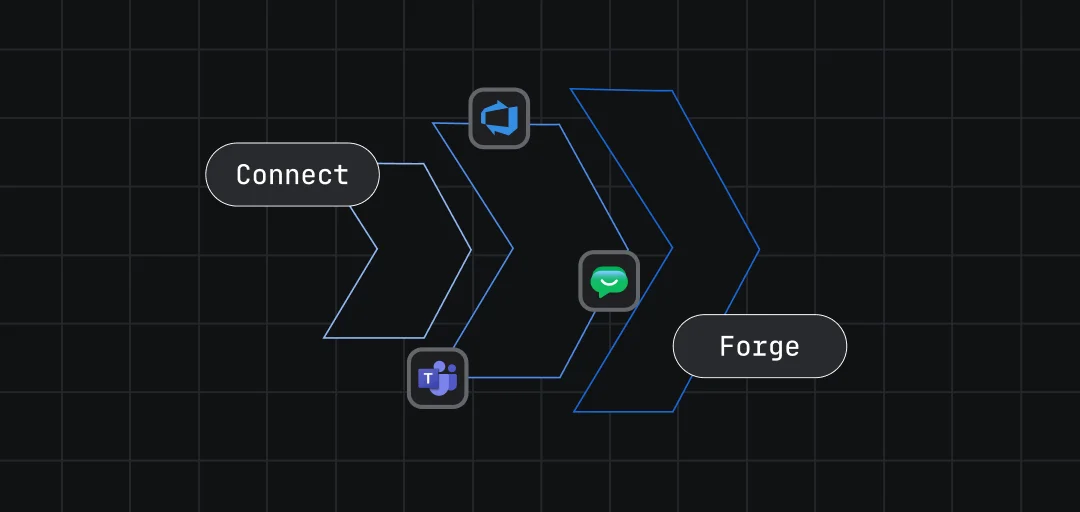
The technical architecture of the app was further enhanced through the use of the Atlassian Forge platform. While Rovo Studio provides a library of pre-built skills for Jira and Confluence, complex or niche requirements often necessitate custom integrations. The development of these custom skills required navigating the "Rovo-Forge-Confluence" integration triangle. A significant challenge identified during this stage was the reliance on AI for API documentation. The report notes that AI models may occasionally provide deprecated API syntax, such as outdated Confluence API versions, which can lead to version conflicts and deployment failures. This underscores a critical lesson for modern developers: while AI is an excellent tool for brainstorming logic, official technical documentation remains the essential source of truth for production-level syntax.
Security and authorization were central considerations in moving the app toward a production-ready state. Transitioning from read-only logic to an "active agent" model required a careful balance of power and restraint. To mitigate risks, the agent’s permissions were strictly scoped. Rather than granting the AI broad access to the entire corporate directory or all Confluence spaces, it was confined to a "sturdy sandbox"—a dedicated space where it could create and manage content without compromising the security of the broader ecosystem. This method of scoped authorization is presented as a best practice for organizations looking to deploy AI agents that act on behalf of users.

The final iteration of the Rovo Event Planner demonstrates the potential of combining the high-speed "magic" of natural language models with the technical precision of traditional engineering. By the end of the development cycle, the app had evolved from a basic prompt into a reliable, secure, and aesthetically competent AI partner. The process illustrated that while AI can significantly accelerate the scaffolding and ideation phases of development, the role of the human engineer remains vital for refining logic, ensuring security compliance, and maintaining technical accuracy.
The development journey concluded with the release of the Rovo Event Planner App’s source code on Bitbucket, providing a template for other IT teams to follow. This project serves as a practical example of how Atlassian’s AI tools can be utilized to solve internal administrative friction, allowing teams to focus on high-value collaboration rather than logistical overhead.

The report emphasizes that the "pair programming" experience with Rovo and Forge is indicative of a broader trend in the IT industry. As AI agents become more integrated into workplace software, the ability to "teach" an app how to think and act within a specific corporate context will become a core competency for developers. The successful deployment of the Rovo Event Planner marks a transition from experimental AI usage to the creation of stable, production-grade AI teammates that are ready for day-one operations in a professional environment.
Ultimately, the project confirms that the most effective AI applications are those that combine the intuitive interface of natural language with the rigorous structure of established development frameworks like Forge and the RACE prompt engineering model. As of March 2026, this case study remains a definitive guide for organizations seeking to harness the Atlassian ecosystem to build custom AI solutions that are both functional and secure.