11
11
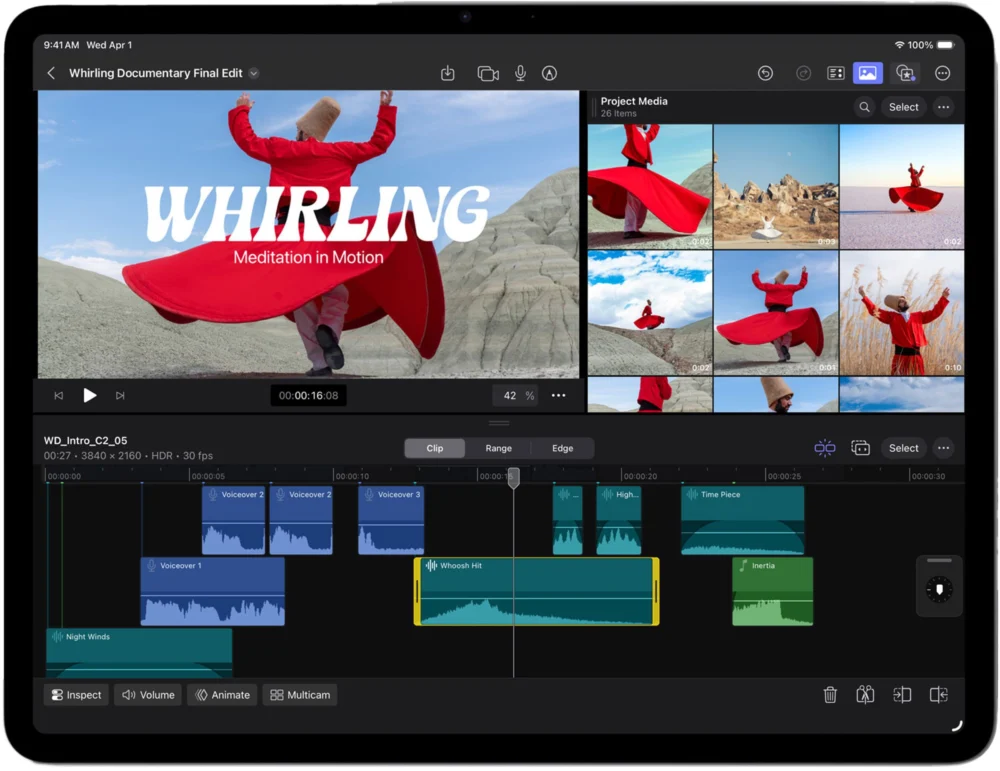
Apple has officially commenced the week with a significant product unveiling, introducing a new iPad Air that now integrates the powerful M4 chip. This update, while described as fairly modest in terms of external design, brings substantial internal enhancements, moving the device from the previous M3 generation to the cutting-edge M4 silicon. Alongside the refreshed tablet, the technology giant also announced the upcoming availability of a new price-friendly smartphone, the iPhone 17e, signaling a strategic expansion across its mobile device portfolio.
The new iPad Air maintains the familiar and popular design language of its predecessor, retaining both the 11-inch and 13-inch size options. Visually, it appears identical to the previous generation, a testament to Apple’s commitment to a refined aesthetic that has resonated with users. However, beneath this consistent exterior lie a host of upgrades designed to enhance performance, connectivity, and overall user experience. This strategic approach ensures that while the physical form factor remains tried and true, the internal capabilities are significantly advanced to meet the demands of modern computing.
One of the most noteworthy changes is the integration of Apple’s advanced N1 networking chip. This proprietary chip, which first made its debut in the iPhone 17 and iPad Pro last fall, signifies Apple’s ongoing effort to control and optimize core components within its ecosystem. The N1 chip is Apple’s home-brewed solution for Wi-Fi and Bluetooth connectivity, bringing with it support for the latest wireless standards. This includes Wi-Fi 7, which promises significantly faster speeds, lower latency, and greater network capacity, crucial for demanding applications like high-resolution streaming, online gaming, and large file transfers in increasingly crowded wireless environments. Wi-Fi 7, also known as 802.11be or Extremely High Throughput (EHT), leverages wider channels and more efficient modulation schemes to deliver these performance gains, ensuring the iPad Air can handle the most data-intensive tasks. Furthermore, the N1 chip supports Bluetooth 6, offering improved range, speed, and energy efficiency for connecting peripherals like headphones, keyboards, and styluses, enhancing the reliability and responsiveness of wireless accessories. Beyond traditional wireless protocols, the chip also incorporates Thread support, a vital component for seamless and robust smart home control, enabling the iPad Air to act as a central hub for a connected home ecosystem with enhanced reliability, interoperability, and low-power mesh networking capabilities for smart devices.
For cellular models of the new iPad Air, Apple has implemented its custom C1X modem. This modem specifically supports sub-6 5G connectivity, providing users with widespread high-speed mobile internet access. Sub-6 5G is characterized by its broad coverage and reliable performance, making it ideal for everyday mobile internet use, streaming, and cloud-based applications. A key advantage of the C1X modem is its enhanced energy efficiency compared to the modem found in the previous iPad Air. This translates directly into longer battery life for users who rely on cellular data, allowing for extended productivity and entertainment on the go without constantly searching for a power outlet. The integration of this custom modem underscores Apple’s vertical integration strategy, aiming to optimize performance and power consumption by designing components tailored to its devices. The combination of the N1 networking chip and the C1X modem ensures that the new iPad Air offers state-of-the-art connectivity, whether connected to a local network or on the cellular grid, providing users with consistent, high-speed access wherever they are.
A significant internal upgrade that will undoubtedly be welcomed by users is the bump in unified memory, increasing from 8 GB to 12 GB. Unified memory, a hallmark of Apple’s M-series chips, allows the CPU, GPU, and Neural Engine to access the same pool of high-bandwidth, low-latency memory, drastically improving efficiency and performance for demanding tasks. This increase in RAM is particularly beneficial for multitasking, enabling users to seamlessly switch between multiple applications without performance bottlenecks. It also provides a substantial advantage for running memory-intensive professional applications such as video editing suites, 3D rendering software, advanced photo manipulation tools, and complex data analysis programs. Furthermore, the additional memory helps future-proof the device for upcoming software advancements and more demanding operating system features. What makes this upgrade even more notable is that Apple has managed to implement it without increasing the price of the base configurations, maintaining the iPad Air’s competitive value proposition within the tablet market. This pricing decision is particularly commendable given the current global "memory shortage crisis," highlighting Apple’s robust supply chain management and its commitment to delivering enhanced value to consumers despite market challenges. The new M4 iPad Air still starts at an accessible $599 for the 11-inch model and $799 for the 13-inch variant. Storage options for both models begin at a practical 128 GB and can be configured up to a capacious 1 TB, catering to a wide range of user needs from casual browsing and media consumption to professional content creation requiring extensive local storage.

Beyond these core technical enhancements, Apple has also focused on refining the user experience, particularly around communication and multimedia. The new iPad Air features a 12-megapixel Center Stage camera, now thoughtfully repositioned along the landscape edge of the device. This strategic placement is a direct response to user feedback and usage patterns, as it provides a much more natural and ergonomic spot for a webcam, especially during video calls when the iPad is often used in a landscape orientation with an external keyboard or stand, mirroring a laptop experience. The Center Stage feature intelligently keeps subjects in the frame as they move, automatically panning and zooming to ensure participants remain centered and visible, enhancing the fluidity and professionalism of video conferences and virtual meetings. Complementing the improved camera, the device also boasts better landscape stereo speakers, which further enrich the audio experience for video calls, movie watching, and music listening. These speakers provide a more immersive and balanced soundstage, delivering clearer dialogue and richer audio output. While these specific camera and speaker enhancements were also present in last year’s model, their continued presence and optimization reinforce the iPad Air’s suitability for modern communication and entertainment needs, making it an excellent device for both work and leisure.
The heart of the new iPad Air’s performance lies in its M4 chip. While it’s important to note that the M4 isn’t the absolute latest Apple silicon—the M5 chip currently powers the most recent iPad Pro models and the 14-inch MacBook Pro—its inclusion in the iPad Air represents a substantial leap forward for the "Air" line. The M4 chip, built on second-generation 3-nanometer technology, delivers incredible performance while maintaining exceptional power efficiency. Apple states that the M4-powered iPad Air delivers up to a 30 percent performance boost over the previous iPad Air with M3. This means applications launch faster, complex computations complete quicker, and overall system responsiveness is significantly improved. For users upgrading from even older models, such as the M1 iPad Air released in 2022, the performance gains are even more dramatic, with Apple citing a 2.3x increase in overall performance. This significant power uplift translates into a snappier, more responsive experience across all applications, from everyday tasks to demanding professional workflows like graphic design, audio production, and scientific simulations.
The M4 chip also brings advanced graphics capabilities to the iPad Air, including "4x faster 3D pro rendering" and support for hardware-accelerated ray tracing. The enhanced GPU performance allows for smoother and more detailed visuals in games and professional applications. Ray tracing is a sophisticated rendering technique that simulates the physical behavior of light, resulting in incredibly realistic lighting, reflections, and shadows in compatible games and professional 3D applications. This makes the new iPad Air an even more compelling tool for designers, architects, engineers, and gamers who demand high-fidelity visual experiences that were previously only possible on dedicated workstations. Furthermore, the M4 chip’s advanced Neural Engine significantly boosts machine learning capabilities, enabling faster on-device AI tasks, from sophisticated image processing and video analysis to more intelligent virtual assistants and advanced accessibility features, all while maintaining Apple’s strong focus on user privacy by keeping data processing local.
Prospective buyers can already view the detailed pricing and configuration options for the new iPad Air on Apple’s official website, allowing them to customize their device according to their specific needs and preferences. Preorders for the device are scheduled to begin promptly at 6:15 a.m. PT (9:15 a.m. ET) on March 4, providing an early opportunity for eager customers to secure their new tablet. Following the preorder period, the new iPad Air models are expected to start shipping to customers on March 11, ensuring a swift delivery for early adopters eager to experience the enhanced performance and features.
While the new iPad Air is the primary focus of this announcement, the technology world is buzzing with expectations of further product reveals from Apple throughout the current week. Industry observers and consumers alike anticipate updates to other product lines, including the base iPad model, which did not receive a refresh in this initial announcement. There is also strong speculation regarding new MacBook models, which could see significant performance bumps with the latest M-series chips, further solidifying Apple’s position in the personal computing market. These anticipated announcements are expected to precede Apple’s "Special Apple Experience" event, scheduled for March 4 in New York City, suggesting a concentrated period of product news and innovation from the Cupertino-based company. This remains a developing story, with more details likely to emerge as the week progresses. The introduction of the M4 iPad Air and the iPhone 17e sets a dynamic tone for Apple’s product roadmap in the coming months, emphasizing performance, connectivity, and value across its diverse hardware offerings, from entry-level smartphones to powerful professional tablets.