 11
11
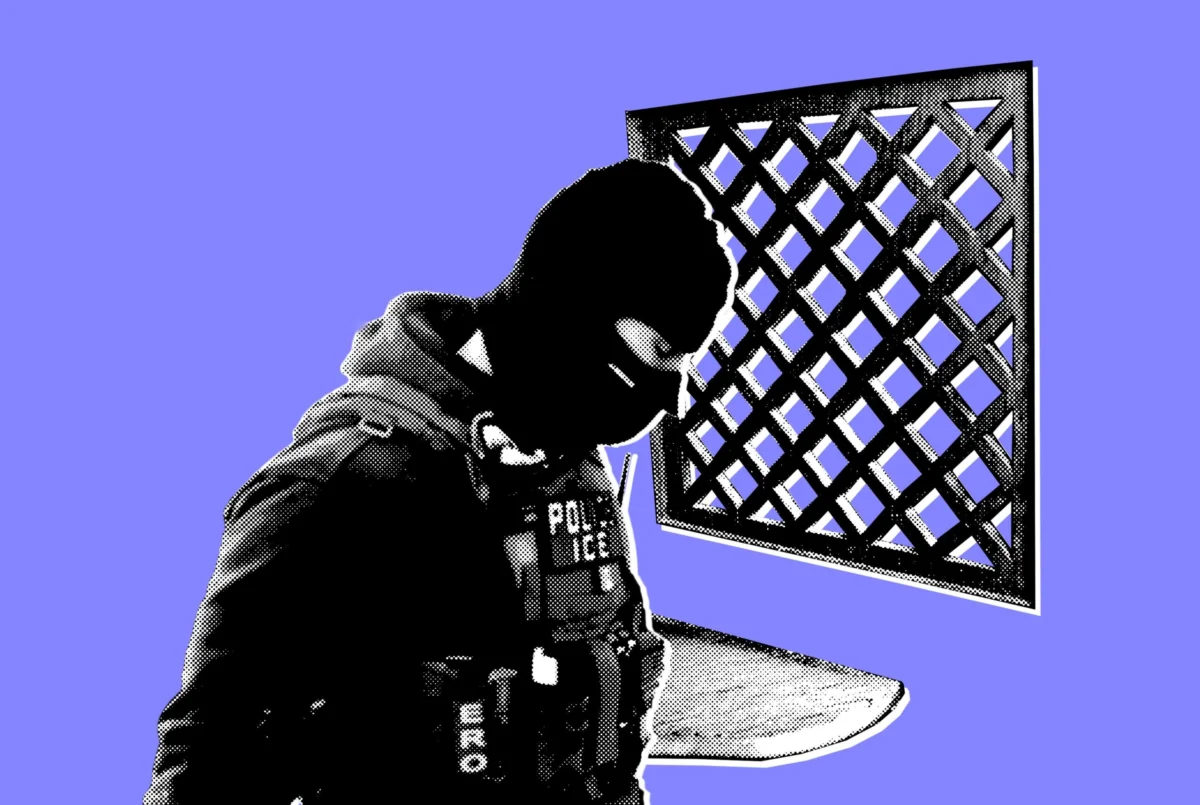
As immigration emerged as a defining and central focus of Donald Trump’s second administration, the Department of Homeland Security (DHS) significantly expanded its operations and visibility, taking center stage in national policy and public discourse. This strategic pivot was solidified by the 2025 One Big Beautiful Bill Act, a comprehensive legislative package that dramatically increased the agency’s capabilities. Under this act, DHS, which exercises oversight over critical components such as Immigration and Customs Enforcement (ICE), Customs and Border Protection (CBP), and US Citizenship and Immigration Services (USCIS), alongside several other key federal agencies, received an unprecedented allocation of more than $80 billion in additional funding. This substantial financial boost was quickly followed by a significant increase in personnel, with the agency announcing in January that it had successfully recruited and hired over 12,000 new agents, representing a historic 120 percent manpower increase attributed to an intensive recruitment campaign.
Despite this monumental expansion and increased operational tempo, particularly evident in cities like Los Angeles and Minneapolis, which have experienced a surge of immigration officers, DHS has maintained a notably high level of opacity regarding its internal processes and field operations. A recurring observation has been that officers conducting raids and arrests frequently operate while masked, obscuring their identities. Furthermore, these operations often involve agents driving unmarked cars, making it difficult for the public to identify official vehicles. As federal law enforcement personnel from various government agencies have been increasingly integrated into immigration enforcement efforts, discerning which specific agency a given officer represents, let alone their individual identity, has become a considerable challenge. This lack of transparency is further compounded by DHS’s documented combative stance with media organizations, often hindering journalistic inquiry and public understanding. In contrast to the agency’s official posture, ICE agents themselves have largely remained silent publicly, though internal discussions and reports suggest that some harbor mixed feelings about their duties and the overall direction of the agency.
Amidst this environment of heightened enforcement and limited transparency, Karl Loftus, an independent journalist recognized for his Instagram account @deadcrab_films, launched a new and highly impactful project titled "Confessions of an ICE Agent." This initiative began in the wake of the intensified immigration surge in Minneapolis and aims to provide an unfiltered platform for individuals working across the spectrum of immigration enforcement within DHS. Loftus’s project encompasses interviews with a diverse range of personnel, including agents and officers from the two principal divisions of ICE—Homeland Security Investigations (HSI) and Enforcement and Removal Operations (ERO)—as well as officers from Customs and Border Protection (CBP). By offering these individuals strict anonymity, Loftus provides a secure space for them to express their candid thoughts and experiences, free from the constraints and official narratives typically imposed by traditional media outlets. In return, he gains invaluable insights into the daily realities and internal perspectives of those operating within these agencies, meticulously building a unique archive that documents this pivotal moment in the history of US immigration enforcement.
The revelations from these interviews offer a nuanced and often critical internal view of DHS operations. For instance, in one published post, a biracial agent, speaking shortly after then-President Trump announced the replacement of DHS Secretary Kristi Noem, conveyed to Loftus his belief that Noem was a "DEI" (Diversity, Equity, and Inclusion) hire, reflecting a perspective on leadership appointments from within the agency. Another HSI agent, expressing profound disillusionment, candidly referred to the individuals leading the US government as "imbeciles," articulating a sentiment of being "disgusted by nearly all of them." A particularly concerning account came from another HSI agent who voiced significant worries about potential law violations by DHS colleagues. This agent also lamented the operational shift that necessitated pausing ongoing investigations into child sexual abuse cases to reallocate resources and focus predominantly on immigration enforcement. This agent passionately stated, “If they gave child exploitation cases a fraction of the attention, funding, resources, personnel, analytical support, etc. that they’re now giving immigration enforcement, we could do so much good,” highlighting a perceived misallocation of critical resources and a potential ethical dilemma within the agency’s priorities.
WIRED engaged in an extensive interview with Karl Loftus to delve deeper into his project, exploring the public’s reaction to such a polarizing subject, his rigorous methodology for vetting sources, and the immense pressure he faces to align with one side of the debate. In response to WIRED’s request for official comment regarding the anonymous interviews and the issues raised, a DHS spokesperson stated that while they cannot verify anonymous interviews, DHS and its Homeland Security Investigations unit "is not slowing down and remains committed to all aspects of its mission, leveraging a whole-of-government approach to address threats to public safety and national security." The spokesperson’s statement, while not directly addressing the specific complaints, reaffirmed the agency’s broad commitment to its various responsibilities.
The conversation with Loftus provided further context to his journey as an independent journalist. WIRED inquired about the transition from his previous work, which predominantly focused on disaster recovery efforts following events such as Hurricane Helene, to his current immersion in immigration enforcement. Loftus explained that his passion for disaster response began in 2018 as a volunteer in North Carolina during Hurricane Florence, where he participated in search and rescue operations for four days. This experience led him to seven weeks in Jamaica responding to Hurricane Melissa, collaborating with various NGOs, including Global Empowerment Mission for repairing hospital roofs and World Central Kitchen, primarily documenting the efforts. He had initially planned a holiday visit to family in Wisconsin but ultimately extended his stay in Jamaica.
In early January, upon finally reaching the Midwest to visit family, Loftus found himself in Minneapolis just as the Renee Good shooting occurred. Recognizing the potential for significant unrest, including protests and riots, he made the decision to travel to Minneapolis. He recounted filming the protest at the Whipple building, which served as ICE’s headquarters in Minneapolis, on the very morning after the Renee Good shooting. This experience was intense, involving being gassed by federal agents and having a protester spray paint his face and camera lens. He processed and released some of this footage, marking it as his first piece centered on immigration.
The pivotal moment that led to "Confessions of an ICE Agent" occurred following the shooting of Alex Pretti. Loftus received a video of the incident from one of his sources, prior to its reporting by any mainstream media outlet. Leveraging his established network of veterans from his disaster response work, he posted the video in his stories, soliciting opinions: "Hey, any of the veterans out there that follow my page, I want to know your opinion on this. Watch the video, what do you think? Was this wrong, was this just? What would you have done in this scenario?" This outreach led to direct messages from ICE agents within his network, sparking the initial idea for the project. Loftus immediately recognized the unique potential: "Man, no one has interviewed ICE agents. I don’t know how exactly I would pull it off, but it would be interesting.”
When WIRED noted the difficulty journalists typically face in getting responses from ICE, Loftus concurred, acknowledging the widespread animosity towards the media. However, he highlighted a significant difference when operating as an independent journalist. He stated, "I will say, nowadays, I’ve had amazing responses from people when you specifically say you’re independent." He underscored that the primary reason for the agents’ strict anonymity is the severe disciplinary consequences they would face for speaking to the media, including immediate termination. This makes his anonymous platform virtually the only avenue for them to express their views publicly.
Regarding his rigorous vetting process for sources, Loftus detailed how the initial person he interviewed, who confirmed their employment with ICE, became a foundational point of contact. This individual helped establish the credibility for subsequent interviews with other ICE agents. He explained that he strategically utilizes his network of trusted contacts within the agency for vetting. Depending on the interviewee, he might send a screenshot of their communications to a vetting source, who would then confirm its authenticity or raise suspicions. If doubt exists, the vetting source might provide a specific question or two that only someone genuinely affiliated with that particular agency would be able to answer correctly. Loftus emphasized that all interviews are conducted via Signal, a secure messaging application, and he does not retain his sources’ contact information, ensuring their ultimate protection. He jokingly added, "So if you want to show up and waterboard me, you’re not going to get anything."
The public reception to Loftus’s project has been overwhelmingly strong and, surprisingly, constructive despite the highly contentious nature of immigration. He observed that as he published the initial interviews, the importance of his work became increasingly apparent, not only through the insights gained from the agents but also from the public’s response. He received comments from individuals across the political spectrum, including those who identified as "anti-ICE," acknowledging the "eye-opening stuff." This widespread engagement demonstrated the project’s ability to transcend partisan divides. Loftus noted, "This is the most polarizing subject on the planet right now, and I don’t think I’ve ever seen anything so polarizing and not just have the public response in the comments section be an absolute dog fight, you know?" He received numerous messages from friends, family, and random followers of diverse political ideologies who deeply resonated with the content. The most consistent and encouraging feedback, which galvanized his commitment to continue the work, was the repeated commendation from people who appreciated his transparent approach to simply conversing with the agents.
However, the project’s visibility has also brought significant challenges and pressures. Loftus revealed that he constantly faces attempts to compel him to dox his interviewees. These demands have come from various sources, including protesters and individuals associated with Antifa. He even recounted an instance where a person claiming to be from Border Patrol reached out, initially feigning interest in an interview, but quickly shifted to aggressive, short answers before demanding, "I need the contact info of that ERO guy you interviewed who talks shit about Border Patrol." These persistent and varied attempts illustrate the intense scrutiny and pressure he endures from all angles.
When asked if these pressures cause him worry, Loftus acknowledged the potential risks. He speculated, "I think eventually I’m going to get subpoenaed by the DHS. I think that eventually this whole thing is going to get big enough to where someone internally is going to say, ‘Hey, don’t f***ing do any of these interviews or you’re getting fired.’" He reiterated what agents and officers from ICE have repeatedly confided in him: any internal dissent or speaking out against perceived illegalities, let alone speaking to the media, results in swift and severe repercussions, often leading to dismissal. While he does not fear his sources doxing him due to the sensitive information they have shared, he is genuinely concerned about DHS potentially subpoenaing his Instagram account, a known tactic used by government agencies. Nevertheless, he added that some of the HSI agents he has interviewed have provided valuable assistance with his operational security (opsec), indicating a level of internal support and shared concern for privacy and safety.