 11
11 1
1 2
2 3
3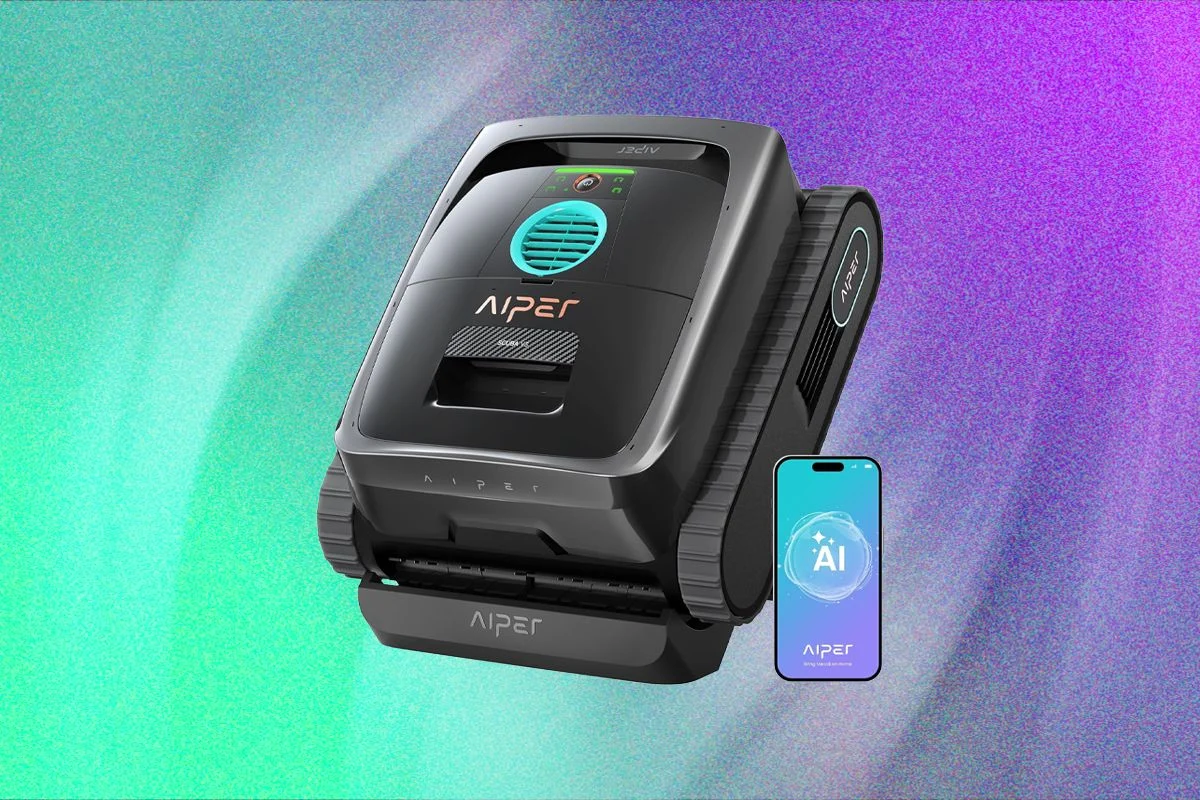
The Aiper Scuba V3 robotic pool cleaner introduces a suite of advanced features designed to streamline pool maintenance, including app-controlled operational modes and an integrated AI camera system. The device aims to offer convenience and thorough cleaning, though some functionalities present a mixed user experience.
One of the primary aspects of the Scuba V3 is its connectivity, managed through a dedicated application that provides access to various operational settings. For users who prefer to leave the robot in the pool for automated cleaning cycles, the app offers two distinct scheduled modes. The first is a calendar-based mode, which allows for a set cleaning frequency with three predefined levels: two 90-minute cleaning sessions per week, three 60-minute sessions, or four 45-minute sessions. This provides a degree of flexibility for users to tailor the cleaning schedule to their pool’s specific needs and their desired frequency of operation.
The second scheduled mode, dubbed "AI Navium," initially presents an intriguing promise. Its nomenclature suggests a sophisticated system that might leverage the AI camera to conduct periodic surveys of the pool over an extended period, such as a week, and subsequently initiate a cleaning routine only when the system determines it is genuinely required. This concept evokes an image of a truly autonomous and intelligent cleaning solution that conserves energy and operates solely on demand. However, the reality of the AI Navium mode, as experienced during testing, proves to be somewhat less revolutionary than its name implies. Instead of real-time, needs-based cleaning based on continuous surveillance, this mode performs a quicker analysis of the robot’s previous cleaning runs. Following this analysis, the AI then generates a cleaning schedule for the subsequent few days, basing its recommendations and operational timings on the user’s historical usage patterns of the robot. This divergence between expectation and actual functionality marks a notable point of discrepancy for potential users, as the system does not actively "survey" the pool in a continuous manner to determine immediate cleaning necessities, but rather predicts future needs based on past behavior.
Beyond its scheduling capabilities, the Scuba V3’s core function lies in its ability to clean the pool effectively. During extensive test runs, the Scuba V3 demonstrated considerable efficiency in tackling various types of debris. It consistently made quick work of visible detritus on the pool floor, often completing its primary tasks in just a couple of hours. In addition to floor cleaning, the robot actively scrubbed the pool walls and the waterline, areas frequently prone to algae and scum buildup, contributing to a more comprehensive clean.
A key component of the Scuba V3’s cleaning arsenal is its integrated AI camera system. This system appeared to function as advertised, proving adept at navigating the pool and, notably, identifying even small, discrete objects. During testing, the camera successfully located small pebbles intentionally introduced into the pool, with the robot dutifully routing itself to collect them. This precision in targeting specific debris enhances the overall cleaning efficacy. When dealing with organic debris, such as leaves and dirt, the pool consistently appeared fully clean after each operational cycle. These cycles typically ranged between 170 and 190 minutes, demonstrating a thoroughness within a reasonable timeframe. For synthetic debris, the Scuba V3 achieved an impressive cleanliness rating of 96 percent. Only a minimal number of test leaves remained, typically in challenging, hard-to-reach corners of the pool, indicating a high level of performance across the majority of the pool surface. This level of cleanliness is particularly commendable given that an operating time of approximately three hours is not excessively long for a pool cleaning robot.
It is important to note that the Scuba V3’s running time cannot be adjusted by the user outside of the predefined scheduled modes. In "on-demand" operational modes, the robot is programmed to run until its battery is almost completely depleted. Fortunately, the manufacturer, Aiper, appears to have optimized the robot’s performance to maximize the utility of its battery life. The Scuba V3 is formally specified to cover a maximum area of a significant 1,600 square feet, which indicates its suitability for a wide range of residential pool sizes, ensuring efficient use of its operational period.
However, the experience with the AI schedule mode was unfortunately less successful. After initiating the analyzer function within the app, the system proposed a rather perplexing five-day cleaning schedule. This suggested regimen comprised two floor-only runs, followed by two runs that included both floor and waterline scrubbing, and concluded with a final floor-only run. Despite this programmed schedule, the robot did not adhere to it. Instead, it promptly initiated a three-hour floor run that completely drained its battery. A subsequent attempt the following day yielded similar inconsistencies; the robot missed its scheduled cleaning time entirely and instead commenced a cleaning cycle randomly late in the night. This unpredictable behavior significantly undermined the intended convenience of automated, "leave-it-in-the-pool" scheduling, reinforcing a skepticism about such features rather than improving the user’s opinion.
Upon the completion of a cleaning cycle, the Scuba V3 is designed to ascend to the waterline, at which point it transmits a push notification to the connected app. This alert informs the user that the robot has finished its task and is ready for collection and subsequent cleaning. A critical detail for users is the limited window of opportunity for retrieval: there are only 10 minutes from the time the notification is received to retrieve the robot. This strict time limit is due to the Scuba V3’s inability to float naturally. To maintain its position at the waterline, it must expend the last remnants of its battery power to run a motor, effectively treading water and holding itself in place. If the 10-minute window elapses and the robot is not retrieved, the depleted Scuba V3 will sink to the bottom of the pool, necessitating its retrieval using a pool hook or similar tool. Based on this operational constraint, the practical advice for users is to set a 175-minute timer each time a cleaning run is initiated. This proactive measure serves as a timely reminder to anticipate the completion notification and ensure prompt retrieval, avoiding the inconvenience of fishing the robot from the pool floor.
The post-run cleanup process for the Scuba V3 can be somewhat involved, particularly concerning its filter system. The design of the main filter basket is user-friendly, featuring a large lid that provides easy access to the inner filter components. Hosing down both the main filter basket and its primary filter element is generally straightforward, allowing for efficient removal of larger debris. However, the removable mesh component located within the interior basket presents a more challenging aspect of maintenance. While this mesh is highly effective at capturing very fine dirt, silt, and other minute debris, its intricate structure makes it quite difficult to clean thoroughly. A significant issue arises if the mesh is not removed from the basket before cleaning, as a considerable amount of debris can become trapped in the narrow space between the mesh and the basket itself, hindering effective rinsing. Conversely, the act of removing and subsequently replacing the mesh is also difficult, a challenge exacerbated when the mesh is wet and less pliable. In practice, users might find themselves opting to leave the mesh in place, cleaning it to the best of their ability after each run and accepting that a perfect, spotless clean may not always be achievable. This practical compromise is likely to be adopted by most users seeking a balance between thoroughness and convenience in their maintenance routine.