 11
11
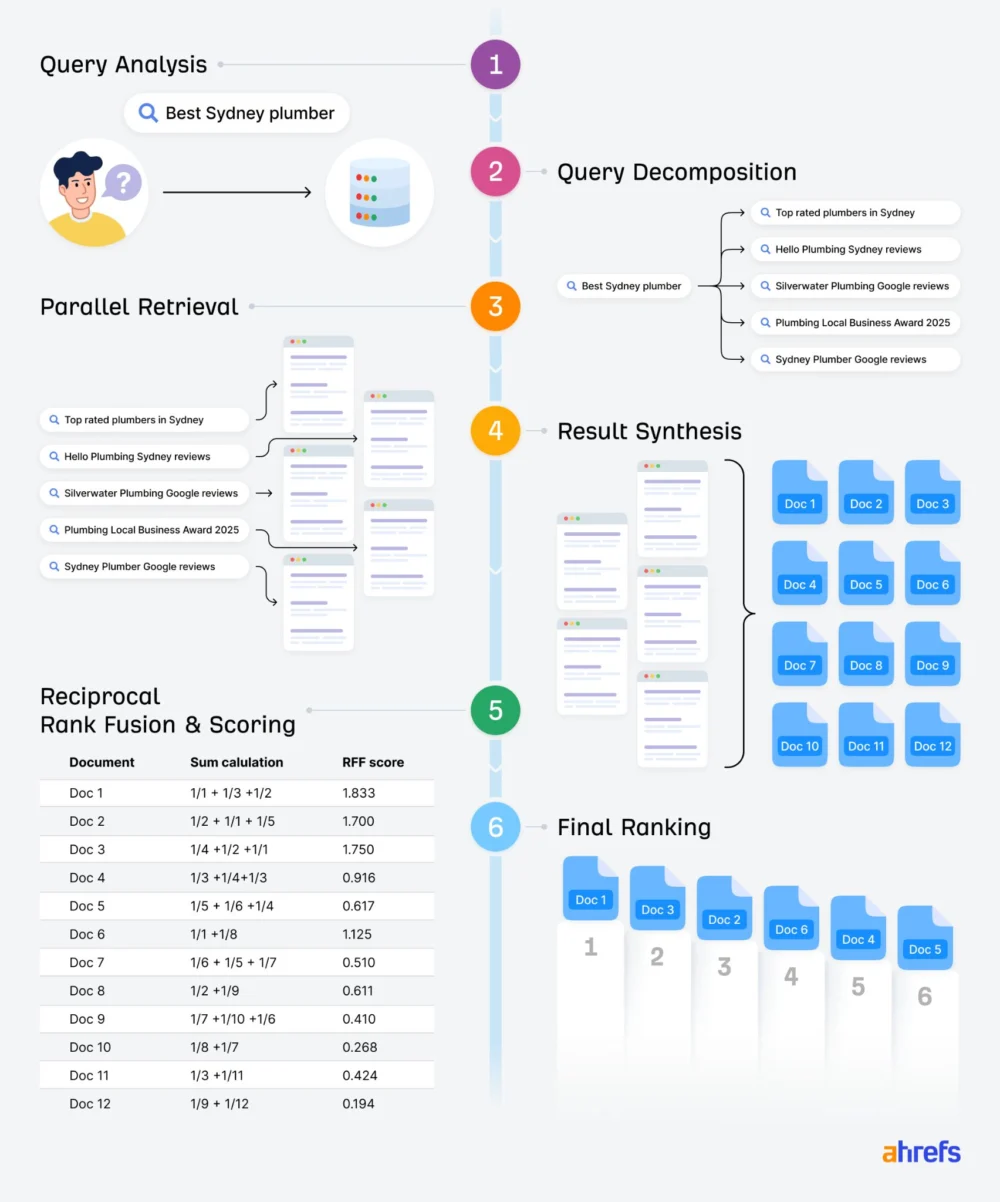
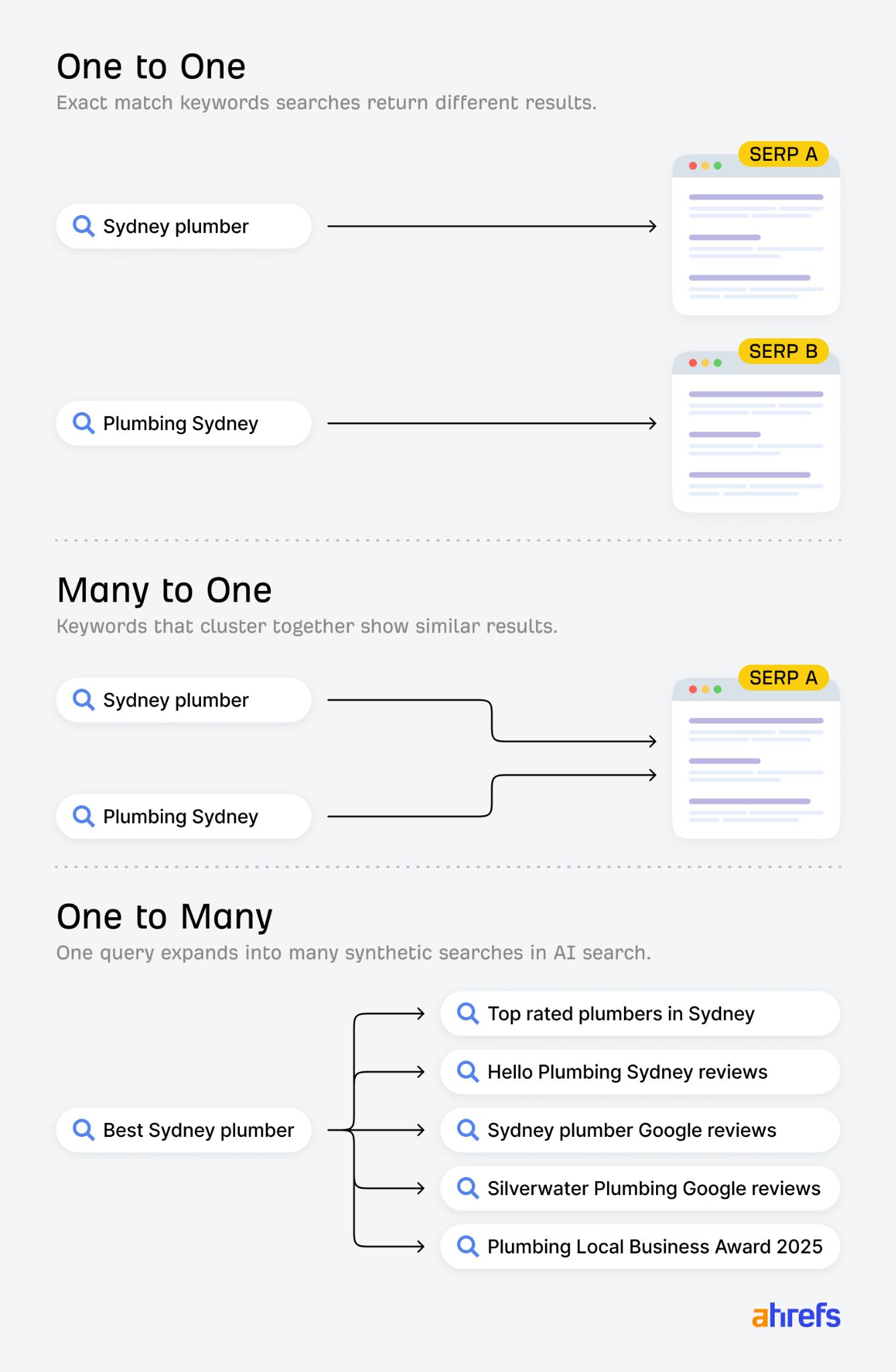
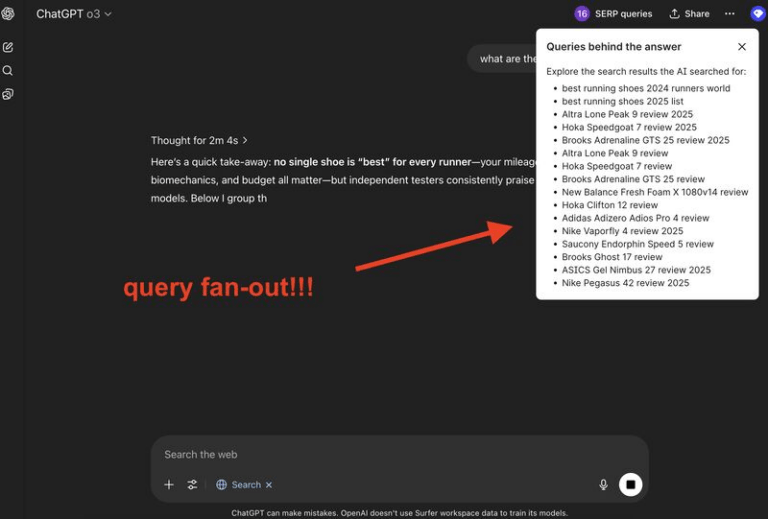
A simple online search for a "red phone case" might seem straightforward, but the underlying mechanics of modern AI-powered search are anything but. While a human might conduct five to eleven searches to find the perfect red phone case, a recent analysis revealed that ChatGPT, utilizing a technique called "query fan-out," performed a staggering 420 searches for the same query, citing 30 sources to generate its response. This dramatically illustrates the shift in how AI search engines operate, moving from a one-to-one query-to-result model to a one-to-many approach that expands a single user prompt into a multitude of related sub-queries.

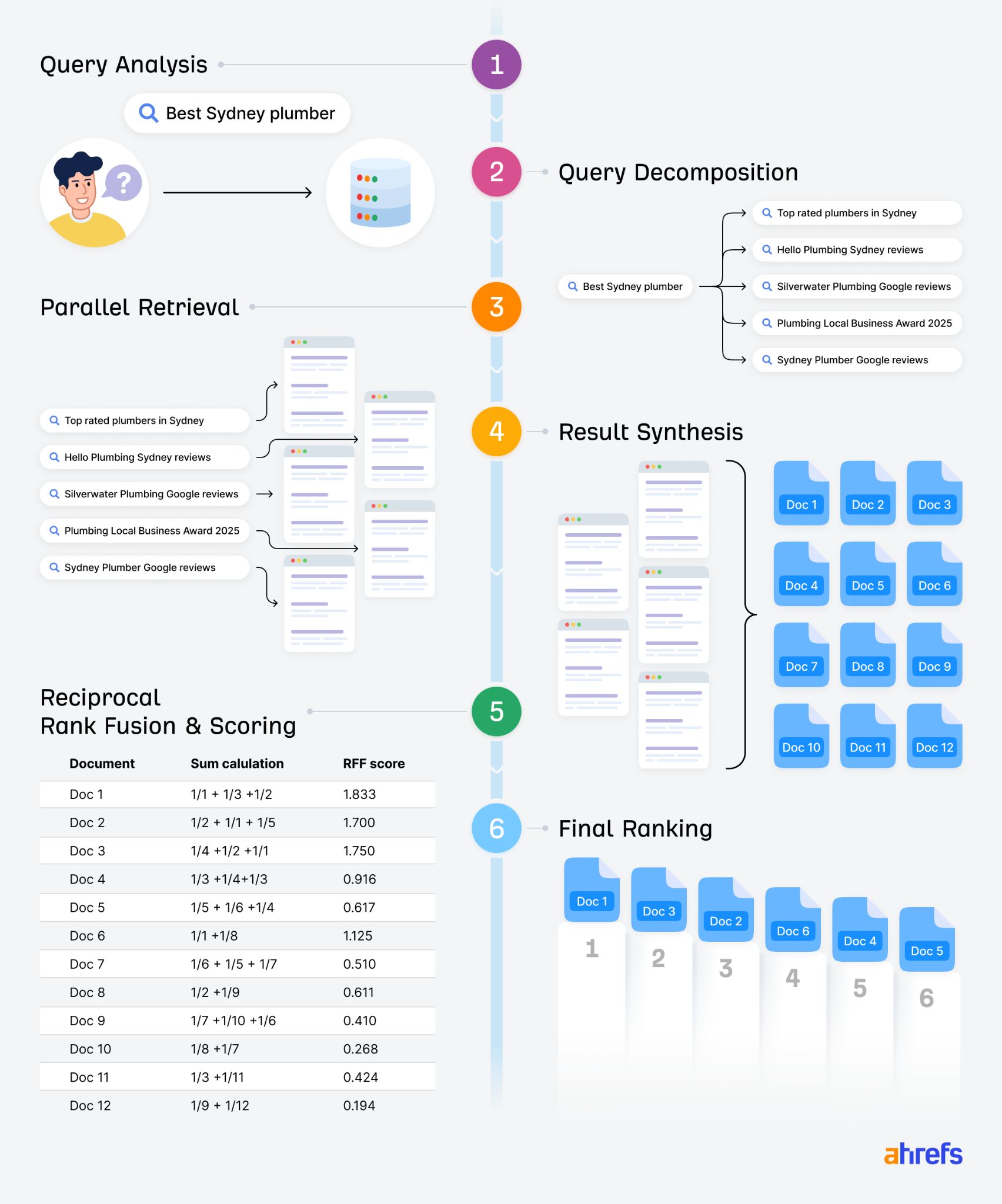
Traditionally, search engines functioned on a one-to-one basis, delivering results directly matching a specific query. This evolved into a many-to-one model, where search engines recognized that variations of a query, like "Sydney plumber" and "plumbing service in Sydney," could yield the same relevant results. However, AI search has now fundamentally inverted this, employing a one-to-many strategy known as query fan-out. This technique involves breaking down a single user input into numerous expanded queries to gather the necessary context for a comprehensive answer.
Query fan-out is employed by AI search platforms to achieve several objectives. When a user searches for something like "how to start a podcast" in Google AI Mode or ChatGPT, the AI does not simply search for that exact phrase. Instead, it deconstructs the prompt into a series of sub-queries. For an SEO podcast, these sub-queries might include "podcast structure," "branding," "technical setup," "hosting," "sourcing guests," "content planning," "promotion strategies," and "audience engagement." These sub-queries are executed in parallel across various data sources, including web indexes, podcast platforms, knowledge graphs, product databases, and social media. The AI then synthesizes these diverse results into a cohesive and informative answer, citing the most relevant sources.

These fan-out queries can be categorized by their format and function. Researchers have identified several consistent patterns in how AI systems construct these queries:
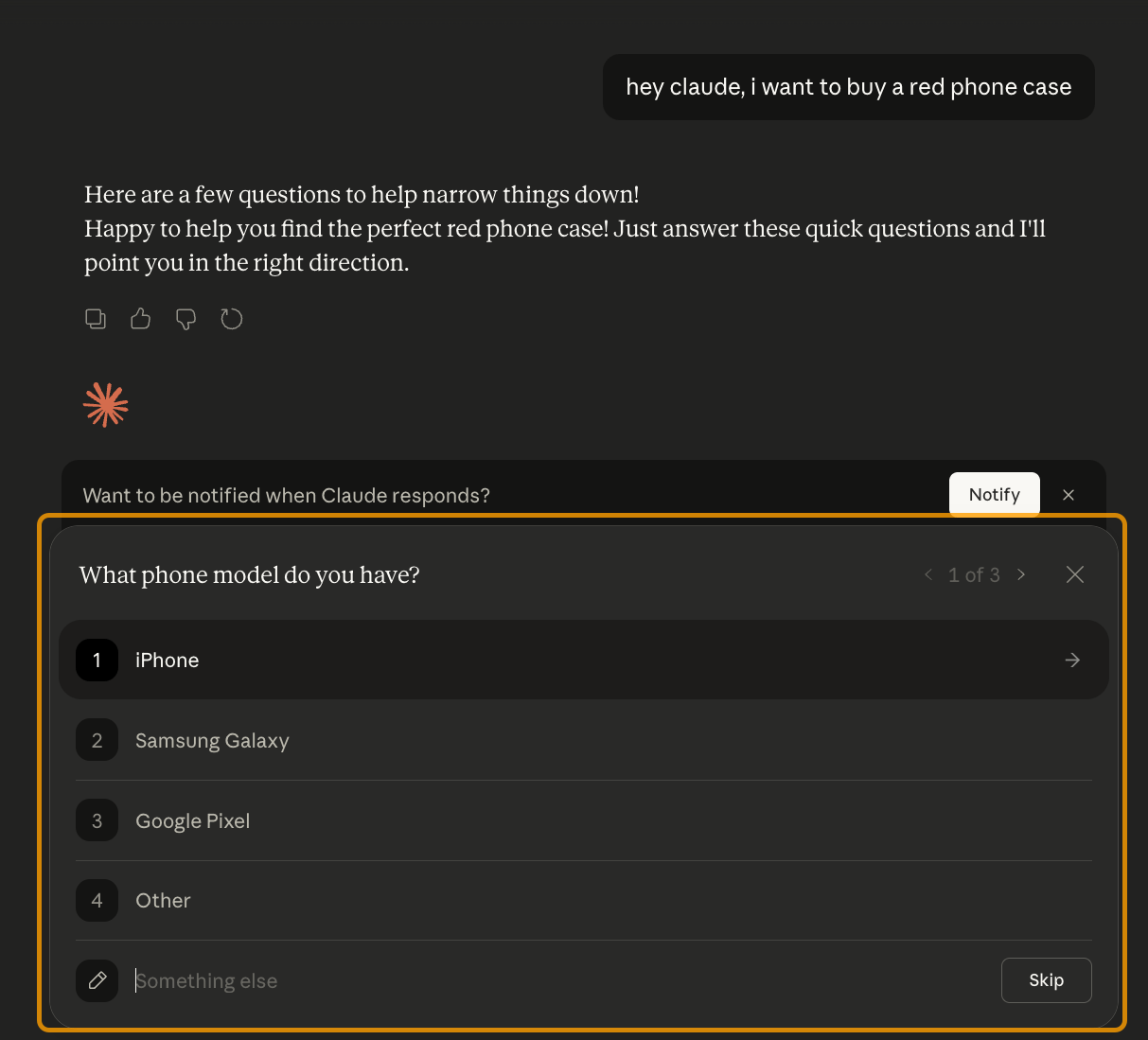
The depth of query fan-out is often determined by the ambiguity and missing context in the user’s prompt. While some AI models, like Claude, may ask clarifying questions upfront to reduce the number of fan-out searches, others, like ChatGPT in its "Deep Research" mode, opt to explore a vast array of possibilities. For instance, when asked to assist in buying a red phone case, ChatGPT Deep Research conducted 200 searches simply to cover potential phone models and preferred case types, demonstrating its approach of exhaustive exploration.

For Search Engine Optimization (SEO) professionals, understanding query fan-out is crucial as it fundamentally changes how content should be optimized. The traditional focus on ranking #1 for a single keyword is no longer sufficient. AI search engines now evaluate content’s relevance across an entire topic landscape by simultaneously considering dozens of related queries. This necessitates a shift from keyword-centric optimization to a more holistic approach that emphasizes comprehensive topic coverage and audience understanding.
The technical execution of query fan-out involves several steps. First, the AI parses the user’s prompt to identify key entities, concepts, and intents. It then generates a diverse set of related queries, drawing from various query formats and functions. These sub-queries are executed across multiple data sources, and the AI synthesizes the findings, prioritizing and citing the most authoritative and relevant results. This process explains why comprehensive articles that address multiple facets of a topic are more likely to be cited by AI.

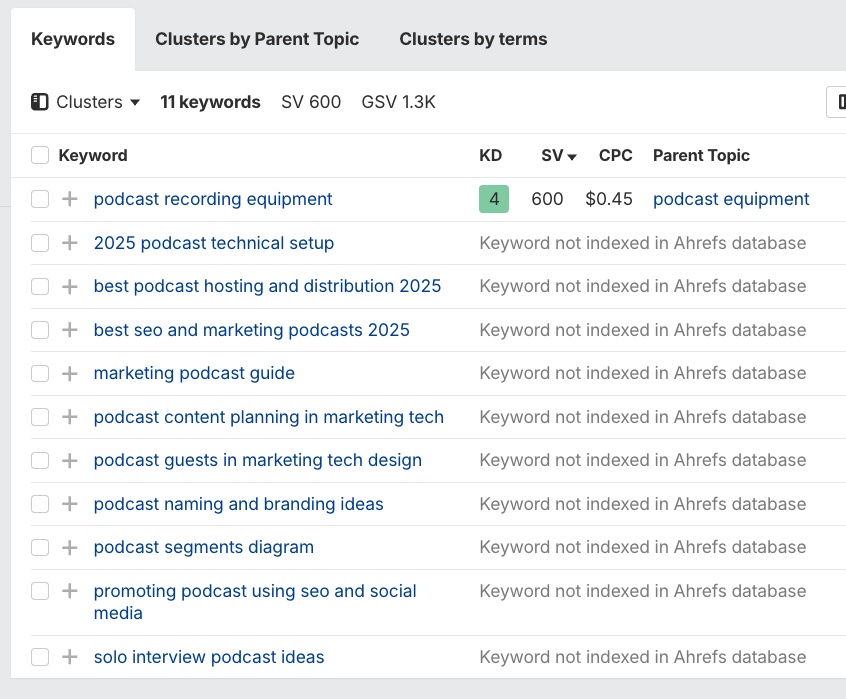
Optimizing for query fan-out requires a strategic approach. This begins with mapping the fan-out themes and patterns relevant to your topic. Tools like Ahrefs’ Brand Radar can reveal the fan-out queries generated by AI for specific prompts. Instead of treating these as new keywords to target, it’s more effective to identify the underlying patterns and adapt your content strategy accordingly. For example, entity-heavy queries related to products necessitate explicit attribute coverage and structured data, while journey-heavy queries for complex purchases require content clusters that span all stages of the decision-making process.
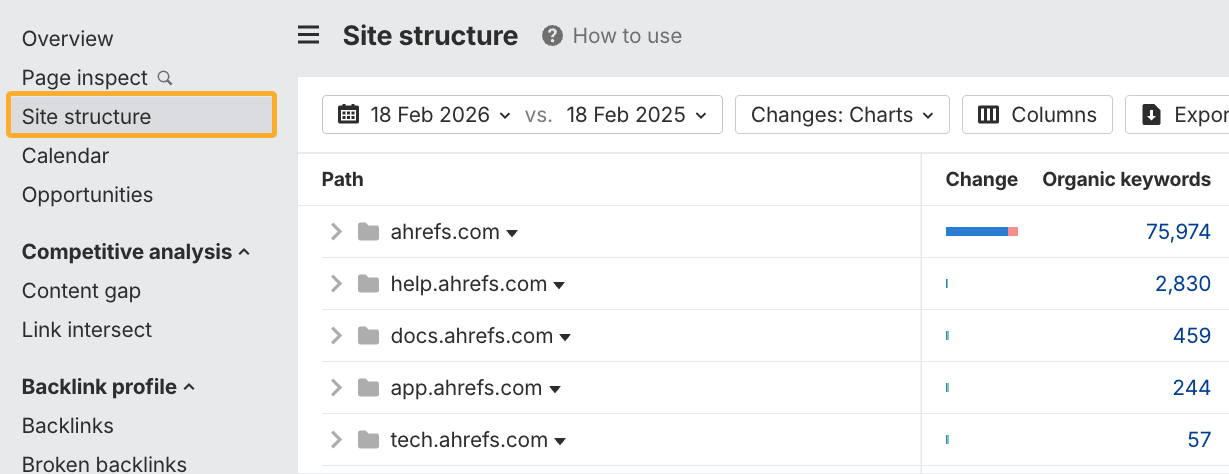
Following the identification of fan-out patterns, SEO professionals must audit their existing content for coverage gaps. This involves a broad assessment of sitewide content to identify major topic omissions, followed by a deep, page-by-page audit to ensure comprehensive coverage of specific subtopics and questions. Tools like Ahrefs’ AI Content Helper can assist in this process by analyzing content for intent and suggesting sections to add.

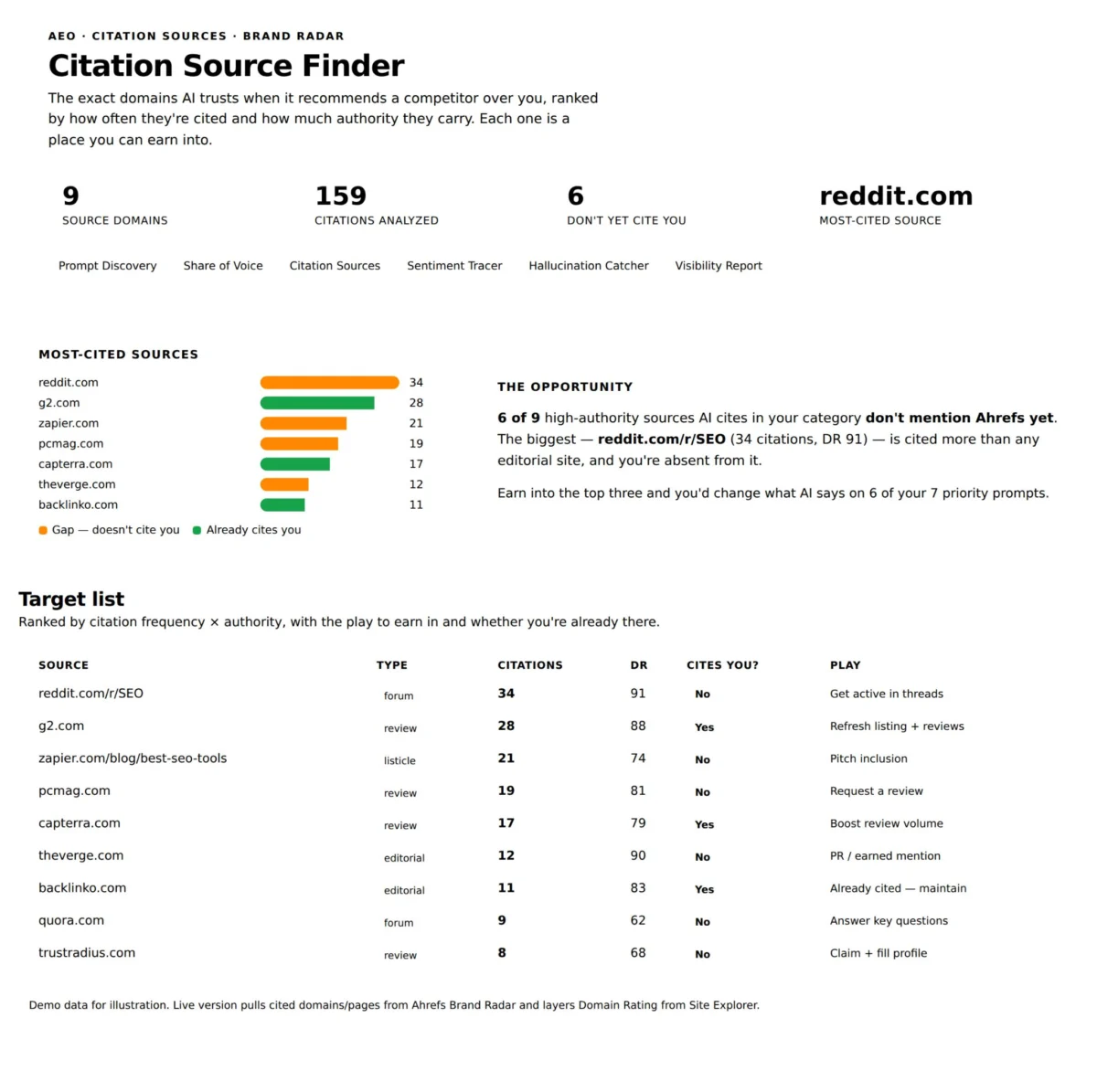
Furthermore, optimizing for query fan-out extends beyond on-site content. AI often surfaces trust signals from across the web, such as review sites, "best of" listicles, and industry publications. Identifying which third-party sources are cited for your priority topics and fan-out queries can inform an off-site strategy, potentially involving outreach to build brand presence within these authoritative sources.
Measuring success in this new AI-driven landscape requires a combination of traditional SEO metrics and AI visibility metrics. While rankings, traffic, and conversions remain vital, new metrics related to AI citations, topic coverage, and cluster-level performance provide a more complete picture of a brand’s visibility in AI search results.
In conclusion, query fan-out highlights a fundamental truth about search behavior: users often have implicit needs and contexts that they do not explicitly articulate in their search queries. AI search engines, through query fan-out, shoulder this cognitive load, transforming underspecified prompts into thorough investigations. To achieve visibility in AI search, the objective is not merely to rank for individual keywords but to comprehensively address the implicit and explicit contexts that drive user searches, thereby becoming an authoritative source across entire topic landscapes.